12 Best Tips and Markets for Christmas in Germany (2026)
Discover the 12 best Christmas markets in Germany for 2026. Expert tips on glühwein mugs, regional itineraries, and how to save on rail travel.
On this page
12 Best Christmas Markets in Germany (2026)
Our editors have spent years navigating the festive stalls from the Baltic coast down to the snowy Alps. Last updated June 2026, this guide reflects the latest pricing and scheduling for the current holiday season. Germany transforms into a winter wonderland where the scent of roasted almonds and spiced wine fills the crisp air. Planning a trip to the best Christmas markets in Germany requires more than just a warm coat and a hungry stomach.
We recommend focusing on specific regions rather than attempting to cross the entire country in one week. This strategy minimizes time spent on trains and maximizes your hours spent under the twinkling lights. Whether you seek the medieval charm of Rothenburg or the scale of Cologne, specific logistics make or break the trip. Expect to find traditional crafts, regional delicacies, and a communal atmosphere that defines the German holiday spirit.
Free guide: Europe's Festival Calendar
A month-by-month map of Europe's unmissable festivals — with the best dates to visit each and a local tip you won't find in the guidebooks.
Are German Christmas Markets Free?
Most traditional markets across Germany do not charge an admission fee for visitors. You can typically wander through the stalls, enjoy the music, and admire the decorations without spending a cent. This accessibility makes the markets a central hub for local social life during the cold winter months. Smaller community markets in residential neighborhoods almost always remain free to the public.
Certain high-profile locations have introduced small entry fees to manage crowd sizes and cover entertainment costs. The famous Gendarmenmarkt in Berlin, currently hosted at Bebelplatz, typically charges around €2 per person. Private markets held in castle courtyards or forest clearings may also charge between €5 and €15. Always carry small change in euros, as these entry booths rarely accept credit cards or mobile payments.
While entry is free, the cost of participation comes through food, drink, and the mug deposit system. We suggest budgeting approximately €15 to €25 per person for a full evening of snacks and drinks. Many markets offer free choir performances or brass band concerts at specific times during the late afternoon. Check the Cologne Tourism - Christmas portal for specific event schedules and any rare ticketing requirements.

Timing Your Visit: Late November to December 23
Germany's Christmas markets typically open in the final week of November — most aim for around 25 November — and close on December 23. Germans celebrate Christmas on the evening of December 24, so the markets pack up just before the main holiday. A handful of markets in major cities, including Berlin and Düsseldorf, stay open through December 31. Double-check dates for your specific cities before booking trains or hotels.
The best window for first-timers is a weekday in early December, ideally a Tuesday or Wednesday morning. Markets open by 10:00 or 11:00 and the stalls are calm until about 16:00, when the after-work crowd arrives. Friday and Saturday evenings are the most atmospheric but also the most crowded, with queues at popular food stalls stretching long. If you can tolerate midweek travel, you will see the same market with a fraction of the shoulder-to-shoulder pressure.
November visits catch fewer open stalls, since many artisan vendors only set up in the first full week of December once their stock is complete. Conversely, going too close to December 23 means some stalls begin to pack up early and popular items sell out. The sweet spot is December 6 to 15 — school is still in session, prices for accommodation are lower, and every stall is at full inventory.
12 Best Christmas Markets in Germany (2026)
The following selections represent the absolute pinnacle of the German holiday experience for the 2026 season. We have grouped these by their unique characteristics, from historical significance to sheer visual scale. Each location offers a distinct regional flavor that you won't find elsewhere in the country. Navigating these crowds requires patience, especially during the peak hours of Friday and Saturday nights.
To avoid the heaviest congestion, we recommend visiting popular spots on a Tuesday or Wednesday morning. Most stalls open by 10:00 or 11:00, providing a peaceful environment for shopping and photography. The atmosphere changes dramatically after dark when the lights create a much more magical, albeit busier, experience. Wear sturdy, waterproof boots as many market squares feature uneven cobblestones that can become slippery in the snow.
- Nuremberg Christkindlesmarkt
- This world-famous market in the Hauptmarkt square is known for its strict quality standards for traditional goods.
- Expect to pay around €4 for three small Nuremberg sausages and visit between 10:00 and 21:00.
- Take the U-Bahn to Lorenzkirche and look for the golden angel ornaments that are unique to this city.
- Dresden Striezelmarkt
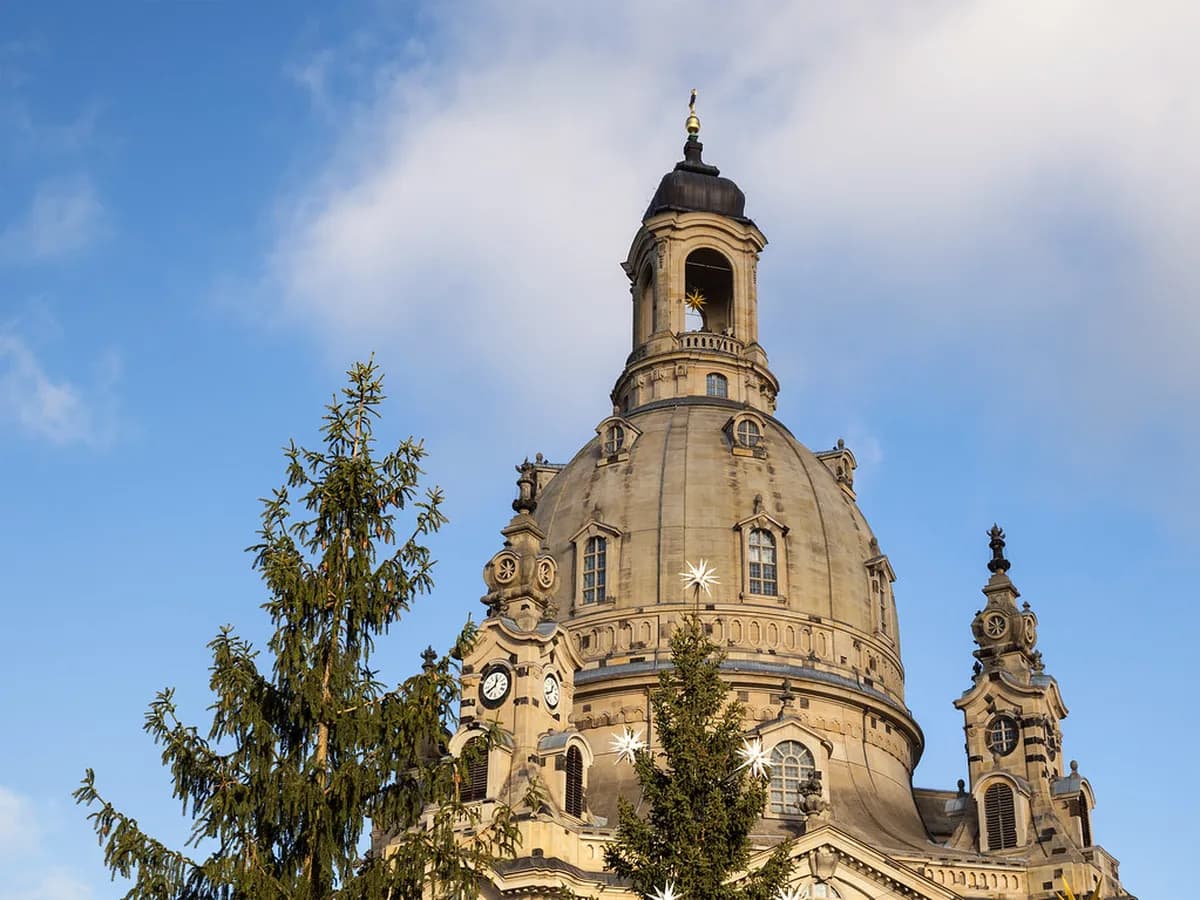
- Founded in 1434, this is Germany's oldest market and the home of the massive Stollen festival.
- Entry is free, and most stalls operate daily from 10:00 to 21:00 in the Altmarkt square.
- Try the authentic Dresden Christstollen here, which must meet specific regional certification standards to be sold.
- Cologne Cathedral Christmas Market
- Set beneath the twin spires of the cathedral, this market features a massive centrally located Christmas tree.
- Glühwein typically costs €4.50 plus a €3 deposit, and the market is open until 22:00 on weekends.
- Walk from the main train station in two minutes and look for the red-roofed stalls selling local crafts.
- Munich Marienplatz Christmas Market
- The Bavarian capital hosts this traditional market right in front of the neo-Gothic New Town Hall.
- Prices for handmade wood carvings range from €10 to over €100 depending on the intricate detail involved.
- Arrive at the Glockenspiel at 11:00 to see the figurines dance before exploring the nearby stalls.
- Rothenburg ob der Tauber Reiterlesmarkt
- This medieval walled town provides a fairytale backdrop that feels like a movie set come to life.
- The market is compact and free, usually closing earlier than big cities around 19:00 or 20:00.
- Buy a 'Schneeball' pastry here, a local specialty made of shortcrust dough often covered in powdered sugar.
- Stuttgart Christmas Market
- Stretching across the city center, this market is famous for its elaborately decorated stall rooftops.
- Most visitors spend 3 to 4 hours here exploring the 280 stalls located near the Schlossplatz area.
- Look upward at every stall to see moving figurines, lights, and intricate winter scenes on the roofs.
- Frankfurt Christmas Market at Römerberg
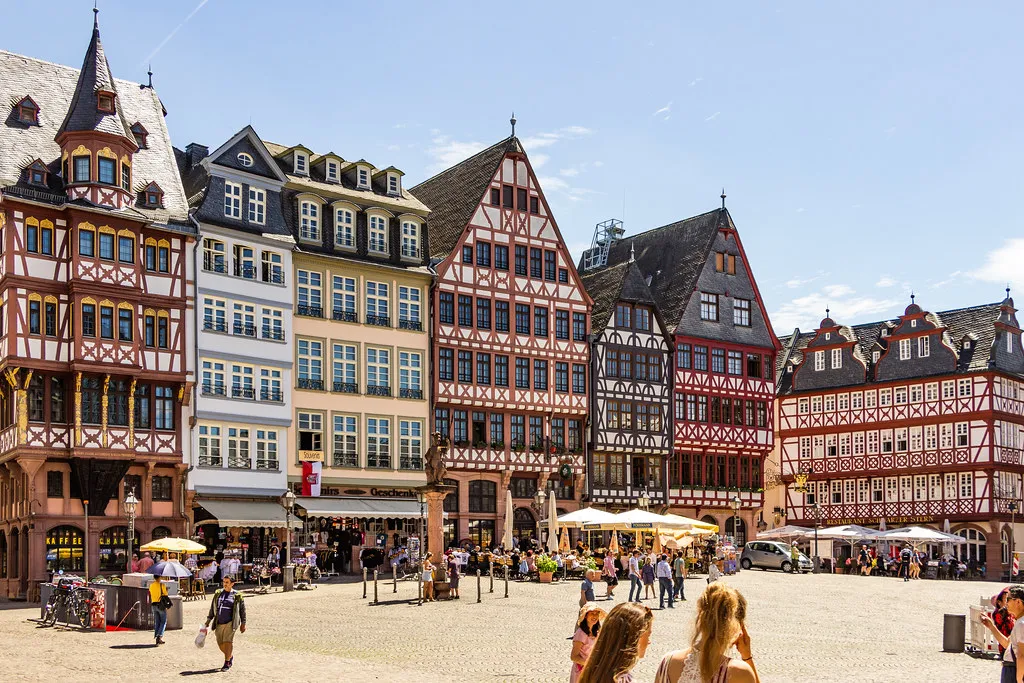
- Half-timbered houses surround this historic square, creating one of the most picturesque settings in Germany.
- The market is open daily from 10:00 to 21:00 and is easily reached from the Hauptwache station.
- Visit the Frankfurt Christmas Market official site to check the dates for the famous chiming of the bells.
- Leipzig Christmas Market
- One of the largest markets in Germany, it features a unique Finnish village and a medieval section.
- Budget around €8 for a hearty portion of kale and pinkel sausage in the historical market square.
- Head to the Naschmarkt area for the historical 'Old Leipzig' section where artisans work in traditional attire.
- Erfurt Christmas Market
- The Cathedral of St. Mary and the Church of St. Severus provide a stunning backdrop for this Thuringian gem.
- Try the Thuringian bratwurst for about €3.50, which is traditionally grilled over a real charcoal fire.
- Climb the steps of the cathedral for an elevated view of the 12-metre-tall Christmas pyramid below.
- Berlin Gendarmenmarkt at Bebelplatz
- This high-end market features a large heated tent where master artisans demonstrate glassblowing and embroidery.
- There is a €2 entry fee for adults, and the market stays open until December 31 for New Year's.
- Book a table at the on-site restaurant tent in advance if you want a formal sit-down dinner.
- Aachen Christmas Market
- Located around the UNESCO-listed cathedral, this market is famous for its Printen gingerbread.
- A bag of authentic Aachener Printen costs roughly €6 to €10 and makes for a perfect edible souvenir.
- Visit in the late afternoon to see the cathedral illuminated behind the giant gingerbread man mascot.
- Ravenna Gorge Christmas Market
- This unique market sits under the high stone arches of a railway viaduct in the Black Forest.
- Tickets must be booked online in advance for about €5.50, as walk-ins are often not permitted.
- Take the free shuttle bus from Hinterzarten or Himmelreich stations to reach this secluded, magical gorge.
Small Towns vs. Major Cities
Many visitors default to Germany's big names: Cologne, Munich, Berlin, Frankfurt. These cities deliver scale, variety, and excellent transport connections, making them the logical first choice. However, German locals consistently prefer the smaller markets precisely because they are less congested and the atmosphere feels more genuinely communal. The difference is real: the Nuremberg Christkindlesmarkt draws roughly two million visitors per season; a market in nearby Bamberg draws a fraction of that with almost no queuing.
Small-town markets tend to stay open shorter hours and offer fewer stalls, but the stall-holder is often the actual craftsperson who made the item. In places like Rothenburg ob der Tauber, Quedlinburg, or Trier, you are far more likely to have a genuine conversation with an artisan than at a large city market where vendors are running commercial operations. The food quality also tends to be more regional and less standardised at smaller venues.

The practical trade-off is logistics. Smaller towns are reachable by regional train but require more planning, and accommodation options are limited — you may be commuting in from a nearby city base. A workable strategy is to base yourself in a hub city like Munich or Nuremberg and make day trips out to smaller towns on the regional network. This lets you experience both ends of the spectrum without sacrificing comfort.
Regional Strategy: Focus on One Area
Germany is large, and the temptation to visit Cologne in the west, Berlin in the north, and Munich in the south is understandable. In practice, that itinerary means you spend roughly a third of your trip on long-distance trains or at airports. We strongly recommend concentrating on one region and exploring it in depth rather than chasing famous names across the whole country.
Bavaria is the most popular choice for first-timers for good reason. Munich alone has more than 30 markets, and from there you can reach Nuremberg in 70 minutes by ICE, Rothenburg ob der Tauber in under two hours, and Augsburg in 40 minutes on a regional train. This one region packs the full spectrum of market styles — from the grand civic scale of Marienplatz to the intimate medieval lanes of Rothenburg — without a single overnight train.
Saxony is the stronger choice for those who want historical depth. Dresden, Leipzig, Chemnitz, and Erfurt sit within a tight geographic cluster in eastern Germany, each with its own distinct market identity. The Striezelmarkt in Dresden is Germany's oldest; Leipzig's market is one of its largest; and Erfurt's cathedral square setting is arguably the most dramatic of any German market. A Saxony focus also rewards visitors who want to understand the regional craft traditions that underpin what German markets sell.
The Rhineland route — Cologne, Bonn, Düsseldorf, Aachen — suits travelers arriving via major international airports and works well for shorter three- to four-day trips. These cities sit close together along the Rhine and the regional trains between them are frequent. The Aachen market is a logical final stop before crossing into Belgium or the Netherlands if you are extending the trip across borders.
The Tradition of Glühwein Mugs and Pfand
When you order a hot drink at a German market, you will pay more than the listed price. This extra amount is called the 'Pfand,' a deposit for the ceramic mug used to serve your beverage. In 2026, expect the Pfand to range between €3 and €5 depending on the market's location. This system reduces waste and ensures that the beautifully designed mugs are returned for washing.
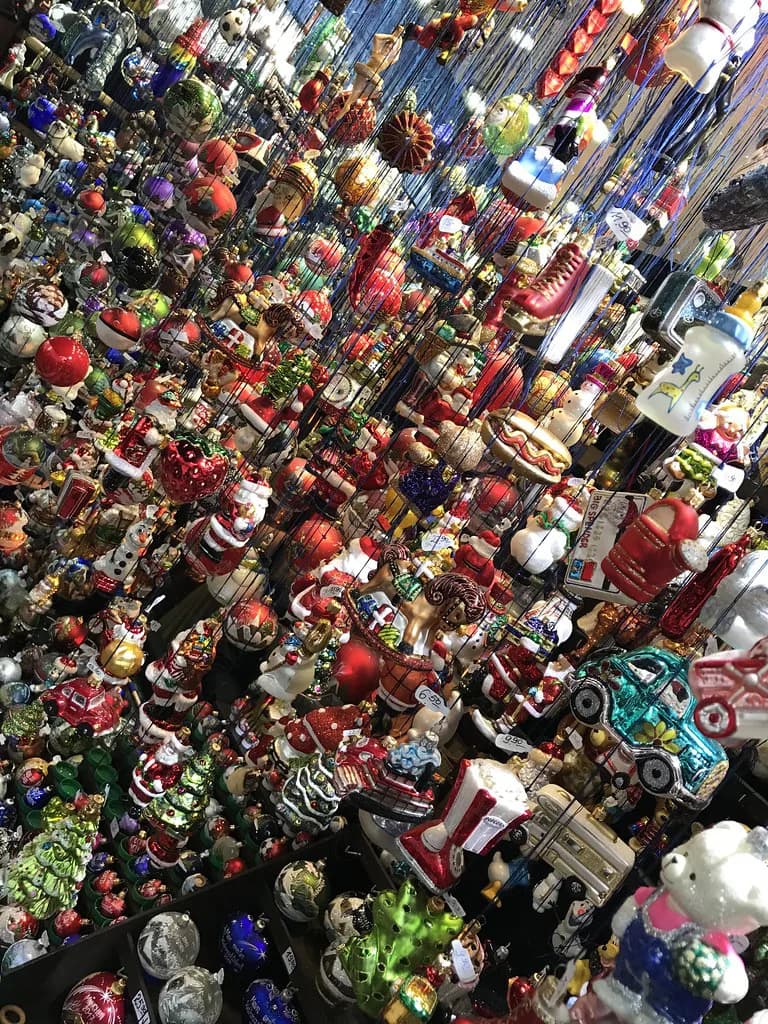
If you decide you want to keep the mug as a souvenir, you simply walk away with it. By doing so, you forfeit your deposit, effectively purchasing the mug for the price of the Pfand. Many travelers collect one mug from every city they visit to create a unique holiday set at home. Each year, the designs change, often featuring the city's skyline or the current year's date.
To get your money back, return the empty mug to any stall selling drinks of the same type. You do not need to return it to the exact stall where you originally made the purchase. Look for the 'Pfandrückgabe' sign or simply hand the mug to the vendor and say 'Pfand zurück, bitte.' We recommend checking the mug for chips or cracks before leaving the stall if you intend to keep it as a souvenir.
Traditional German Christmas Market Food and Drink
Eating your way through the stalls is a primary reason many people visit these winter festivals. Beyond the standard bratwurst, look for regional specialties like 'Handbrot,' which is bread stuffed with cheese and mushrooms. In Bavaria, you might find 'Dampfnudeln,' which are sweet steamed dumplings served with a rich vanilla sauce. Always look for the stalls with the longest lines of locals, as these typically indicate the best quality.
The 'Feuerzangenbowle' is a dramatic drink ritual that involves a rum-soaked sugar loaf set on fire. As the sugar melts and drips into the mulled wine, it creates a potent and caramelized flavor profile. This is often served in special mugs and is a favourite for those who find standard Glühwein too sweet. Be aware that this drink has a significantly higher alcohol content than regular mulled wine.
Vegetarians will find plenty of options including 'Reibekuchen,' which are crispy potato pancakes served with applesauce. Another popular choice is 'Champignons,' whole mushrooms sautéed in garlic butter and served with a creamy herb dip. Sweet lovers should seek out 'Gebrannte Mandeln,' or cinnamon-flamed almonds, which are sold in paper cones. Most food items are designed to be eaten by hand while standing at high tables or walking through the stalls.
Each town has its own signature food that carries the town name. Nuremberg is the home of the finger-sized Nürnberger Rostbratwurst; Aachen's Printen gingerbread is protected by a regional quality standard; and Dresden's Christstollen can only legally carry that name if it is certified by the Dresden Stollen Association. When you see food that includes the town name, it is almost always the authentic local version and worth trying over the generic alternatives on offer nearby.
Winter Packing Essentials and Dressing Tips
The cold at a Christmas market is different from the cold of simply being outside. You are standing still for long periods, often on stone paving or compacted snow, which pulls heat from your feet far faster than walking does. The forecast temperature rarely tells the full story — 3°C with wind and damp air feels far colder than the number suggests. Pack for conditions two or three degrees colder than the forecast shows.
- A heavyweight base layer in merino wool keeps you warm and does not smell after multiple days of wear.
- Thermal leggings worn under regular trousers add significant warmth without bulk.
- A waterproof outer layer matters more than a thick coat — wet cold is the worst kind at a market.
- Waterproof boots with a thick sole are essential; cobblestone squares become slippery when wet or icy.
- Touchscreen-compatible gloves let you check maps and pay at card readers without bare fingers.
- A portable charger is genuinely useful because cold temperatures drain phone batteries fast.
Avoid bulky shopping bags for your first hour. Most artisan stalls will hold a purchased item for you if you ask politely, allowing you to collect it on your way back out. This keeps your hands free for food and drink and reduces the chance of something fragile getting crushed in a crowd. A small day backpack works better than a shopping tote for this reason.
Navigating Germany with a Rail Pass
Traveling between markets is most efficient using the extensive Deutsche Bahn railway network. For long distances, the high-speed ICE trains can whisk you from Munich to Nuremberg in just over an hour. We suggest booking these tickets several months in advance to secure the 'Sparpreis' or saver fares. Without a reservation, these high-speed trains can become very expensive and crowded during the December peak.
The Deutschland-Ticket is a fantastic option for travelers who prefer a slower, more flexible pace. For €49 per month, you get unlimited travel on all regional trains, buses, and trams across the country. However, this ticket is not valid on the faster ICE, IC, or EC trains that connect major cities quickly. This is perfect for a german christmas markets road trip by rail if you stick to regional lines.
Regional day tickets, like the Bayern-Ticket, offer great value for groups of up to five people. These allow for unlimited regional travel within a specific state for a single calendar day. Always check the validity times, as most regional tickets only start at 09:00 on weekdays. Using these passes allows you to stay in smaller, cheaper towns while commuting into the major market centers for the evening.
For travelers arriving from outside the EU, the German Rail Pass (sold through Eurail) remains a competitive option for covering multiple long-distance legs. If you are over 26, the pass automatically places you in first class, which is a notable upgrade in comfort on crowded December trains. The key trade-off versus point-to-point Sparpreis tickets: the pass gives flexibility but costs more unless you are travelling at least three or four long-distance legs within a short period. Price both options on bahn.de before committing.
Recommended German Christmas Market Itinerary
A well-planned route prevents burnout and ensures you see a variety of market styles. The 'Classic Bavaria' route starts in Munich, moves to Nuremberg, and ends in the medieval town of Rothenburg. This path covers the country's most iconic traditions and is easily navigable by train in five to seven days. You can find more details on the nuremberg christmas market to help plan your specific stops.
Alternatively, the 'Saxony Heritage' route focuses on the eastern part of Germany, starting in Berlin. From the capital, take a short train ride to the Christmas Markets in Potsdam for a royal atmosphere. Continue south to Leipzig and finish in Dresden to witness the home of the Stollen tradition. This region often feels more traditional and less influenced by global commercialism than the western cities.
For those who love cathedrals and river views, the 'Rhineland Route' is the best choice. Start in Cologne to see the massive cathedral market, then head south to the historic city of Bonn. Finish your journey in Frankfurt or Mainz, where the markets are nestled in beautifully restored old town squares. This route offers excellent connections to major international airports for an easy arrival and departure.
Unique Souvenirs: The Erzgebirge Carving Tradition
The hand-carved wooden figures sold at German Christmas markets have a specific origin that most visitors never learn. The miners, angels, nutcrackers, and smoking men (Räuchermänner) that define the look of a traditional stall come from the Erzgebirge — the Ore Mountains of Saxony along the Czech border. Craftspeople in towns like Seiffen, Annaberg-Buchholz, and Marienberg have been producing these figures since the 17th century, when miners carved them during the off-season to supplement their income. Every design still in production today traces back to that tradition.
The practical implication for shoppers is important. Authentic Erzgebirge carvings bear a small embossed label — typically green with the words 'Echt Erzgebirge' or 'Hergestellt im Erzgebirge.' Markets in Dresden and Leipzig often carry genuine pieces from regional workshops. The same style of figure sold at markets in Frankfurt or Cologne is frequently a factory replica made elsewhere, sometimes outside Germany. Price is a rough guide: a genuine hand-carved smoking man starts at around €30 to €50; a factory version often costs less than €15.
If you see an artisan at a market stall carving or painting live, buy something immediately. You are unlikely to find the same piece at the next market, and authentic workshop pieces from individual carvers rarely appear outside their home region. This is the category of souvenir where the rule "buy it now" genuinely applies — not as a sales pressure tactic but as a fact of how these markets work.
Frequently Asked Questions
When do German Christmas markets usually open and close?
Most markets open during the last week of November and run until December 23rd or 24th. A few major city markets, like those in Berlin, stay open until the end of December.
What is the best way to carry money at the markets?
Cash is still king at most traditional market stalls. While some larger vendors now accept cards, you will need small euro notes and coins for sausages, drinks, and mug deposits.
Is it safe to visit the markets at night?
German markets are generally very safe and family-friendly environments. However, pickpockets can operate in heavy crowds, so keep your valuables in a secure, front-facing bag or pocket.
Related in Germany: Nuremberg vs Munich Christmas Market.
Related in Germany: Oktoberfest Guide for First Timers.
Visiting the best christmas markets in germany is a bucket-list experience that lives up to the hype. By understanding the Pfand system and choosing a regional focus, you can avoid the common stresses of winter travel. Remember to dress in layers and always keep a few euros in your pocket for that next mug of Glühwein. The magic of the season is best found in the small details, from a hand-painted ornament to a shared table with locals.
We hope this guide helps you navigate the festive season with confidence and joy. Whether you are in the heart of Munich or the gorge of Ravenna, the spirit of Gemütlichkeit awaits you. Safe travels and Frohe Weihnachten as you explore the most beautiful markets in the world.
Explore More Festival Guides
Keep planning with our other in-depth festival guides across Europe.
- Aachen Christmas Market Guide
- 12 Best Berlin Christmas Markets (2026)
- Berlin Christmas Market Dates
- Cologne Christmas Market Guide
- 8 Essential Tips for Cologne Christmas Market Dates & Planning
- 10 Essential Tips for the Dresden Christmas Market
- Dresden Christmas Market Dates 2026
- 10 Essential Guides to the Erfurt Christmas Market and Thuringia
- Frankfurt Christmas Market
- Freiburg Christmas Market Guide
- Garmisch-Partenkirchen Christmas Market
- German Christmas Markets Road Trip
- 10 Best Hamburg Christmas Markets and Visiting Guide
- Heidelberg Christmas Market 2026
- Leipzig Christmas Market Guide
- 11 Best Things to Do at the Lübeck Christmas Market
- 10 Best Munich Christmas Markets to Visit
- 10 Essential Munich Christmas Market Dates & Planning Tips
- 10 Things to Know About the Nuremberg Christmas Market
- Nuremberg Christmas Market Dates
- Rothenburg Ob Der Tauber Christmas Market
- Stuttgart Christmas Market
- Where To Stay For Berlin Christmas Market
- 18 Best Hotels and Tips for Cologne Christmas Markets
- Where to Stay for Dresden Christmas Market
- Where to Stay for Munich Christmas Market
- 7 Essential Insights on Where to Stay for Nuremberg Christmas Market
Free guide: Europe's Festival Calendar
A month-by-month map of Europe's unmissable festivals — with the best dates to visit each and a local tip you won't find in the guidebooks.
You might also like

Continue reading
More guides you'll find useful


