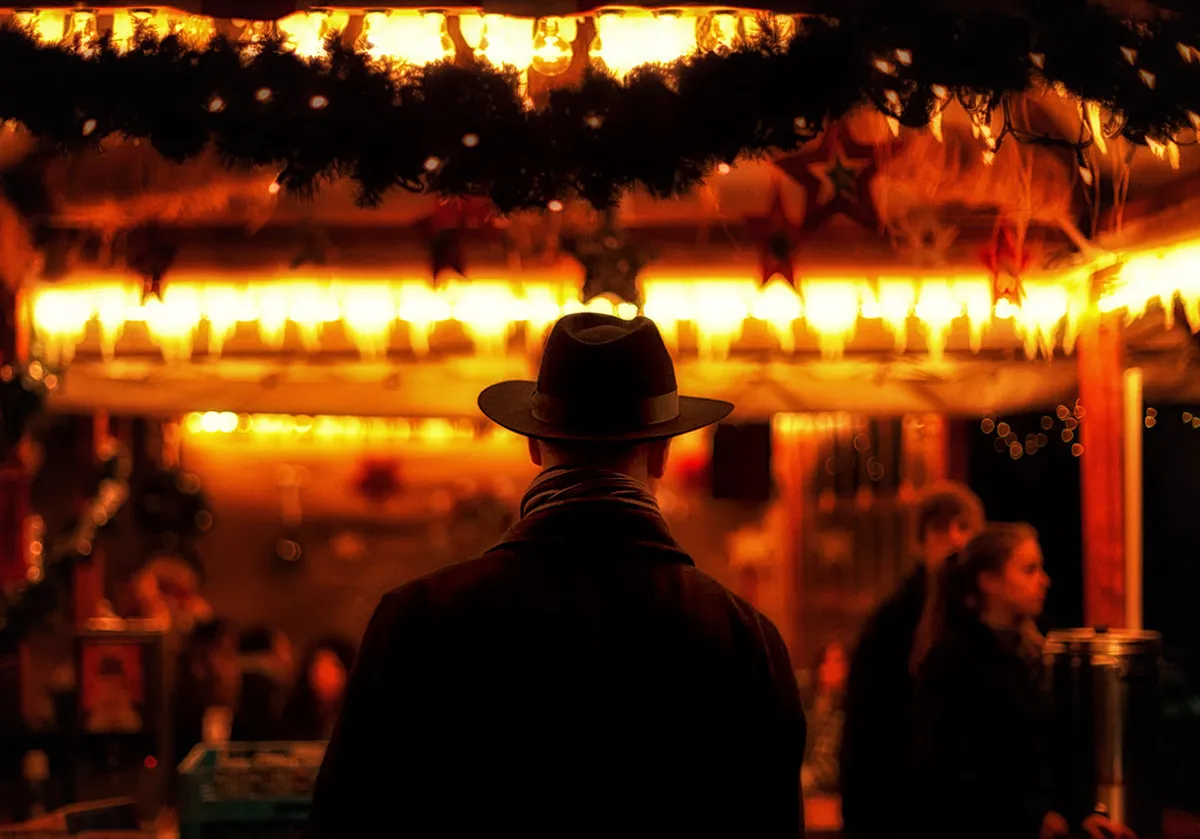
7 Essential Insights on Where to Stay for Nuremberg Christmas Market
Discover where to stay for the Nuremberg Christmas Market. Compare top hotels near Hauptmarkt, explore the best neighborhoods, and get 2026 market dates.
On this page
7 Essential Insights on Where to Stay for Nuremberg Christmas Market
The Nuremberg Christkindlesmarkt is a magical destination that attracts visitors from across the globe each winter season. Finding the right place to stay ensures you spend more time enjoying the festive atmosphere and less time commuting. This guide covers the best neighborhoods and hotels to help you plan your perfect holiday getaway in Bavaria.
Nuremberg transforms into a winter wonderland with hundreds of wooden stalls selling handmade ornaments and local treats. Choosing a base near the Nuremberg Christmas Market allows you to experience the lights after the crowds thin out. We will explore the trade-offs between the historic Old Town and the convenient train station area so you can make the right call for your budget and travel style.
Free guide: Europe's Festival Calendar
A month-by-month map of Europe's unmissable festivals — with the best dates to visit each and a local tip you won't find in the guidebooks.
Overview of Nuremberg's Christmas Markets (Christkindlesmarkt)
The main event takes place in the Hauptmarkt, which is the central square of the historic city center. Tradition dictates that the Christkind opens the market with a famous prologue from the balcony of the Church of Our Lady. You can check the Official Nuremberg Christkindlesmarkt Website for specific opening ceremonies and daily event schedules. Knowing the Nuremberg Christmas Market dates helps you book your accommodation before the best rooms sell out.
The market runs from the Friday before the first Advent Sunday through Christmas Eve. In 2026, that means late November through 24 December. Market hours typically run from 10:00 to 21:00, though they close early at 14:00 on Christmas Eve. Families often enjoy the Children's Christmas Market located just a short walk away at Hans-Sachs-Platz, which features a nostalgic carousel and hands-on craft workshops.
The market maintains strict rules to ensure only traditional goods and high-quality crafts are sold. You will not find mass-produced plastic items or modern commercial goods in the red-and-white striped stalls. The Nuremberg Tourism Board even organises themed self-guided tours through the market, highlighting specific vendors selling regional products like handmade teddy bears and alpaca wool hats. This commitment to authenticity makes Nuremberg one of the best Christmas markets in Germany for traditionalists.
The Sister Cities Market is a smaller but worthwhile spot located just north of the main square. It features 24 stalls from Nuremberg's partner cities including Nice, Glasgow, Venice, and Ukraine. Browsing these international offerings provides a refreshing change of pace from the traditional Bavarian goods. Evening visits are particularly beautiful when the fairy lights illuminate the surrounding medieval architecture.
Who Is the Christkind — and Why It Matters for Your Visit
The name Christkindlesmarkt does not simply mean "Christmas market" in German. The Christkind is a specific character — a young female angel with curly blonde hair and a flowing golden gown — who serves as the symbolic ambassador of the market. Every two years, Nuremberg holds a vote to select a real young woman from the city to take on the role. She attends dozens of public appearances throughout the season, and visitors can sometimes see her making official visits around the market.
Understanding this distinction changes how you experience the market opening. If you time your arrival for the first Friday of the season, you can witness the Christkind deliver her famous prologue from the balcony of the Frauenkirche to the packed Hauptmarkt below. This ceremony kicks off the market and is unlike anything at other German Christmas markets. Arriving by midday gives you enough time to secure a good viewing spot on the square.
Also keep an eye out for Zwetschgenmännle — traditional prune-people figurines sold at a handful of stalls. These small dried-fruit characters dressed in various costumes are an old Nuremberg toy tradition that dates back centuries. They make distinctive gifts that you genuinely cannot find elsewhere, which is exactly the kind of thing the market's quality rules are designed to protect.
Best Neighborhoods to Stay in Nuremberg for the Markets
The Altstadt, or Old Town, is the most popular choice for travelers wanting to be in the heart of the action. Staying here means you are steps away from the Hauptmarkt and the Imperial Castle. Boutique hotels in this area offer incredible charm but often come with a higher price tag during December. The key advantage in cold or rainy December weather is being able to return to your room easily — and Nuremberg in December is frequently both cold and wet.

The area near the Hauptbahnhof, or Central Station, offers a practical alternative for budget-conscious travelers. Many modern hotel chains are located here, providing reliable comfort and competitive rates. The walk from the station to the main market takes about 15 to 20 minutes through the pedestrian zone. This neighborhood is ideal if you plan to take day trips to other cities like Regensburg or Rothenburg ob der Tauber, since you can step directly onto the train without hauling luggage across the city.
St. Johannis is a quieter residential neighborhood located just outside the old city walls. It offers a more local feel with charming cafes and the historic Hesperidengärten gardens. You can reach the market area in about 10 minutes using the efficient local tram system. Couples often prefer this area for its romantic atmosphere and relative lack of tourist crowds.
Gostenhof, known locally as GoHo, is the city's trendy creative district with vintage shops, independent galleries, and a diverse range of international restaurants. While it sits further from the market, the U-Bahn connection makes the commute fast and easy. Solo travelers and younger visitors often enjoy the more vibrant evening scene found in this part of town, away from the concentrated Christmas market foot traffic.
Top-Rated Hotels Near the Nuremberg Christmas Market
The Karl August is widely considered the top pick for luxury and proximity to the festivities. It is located just 60 metres from the market — roughly a one-minute walk. Guests can enjoy a modern spa and an indoor pool after a long day of sightseeing, and the hotel's design blends contemporary style with the historic surroundings of the Pegnitz River. This is the go-to for couples who want to walk out the door and be at the stalls in seconds.
Sorat Hotel Saxx sits directly on the Hauptmarkt, offering unparalleled views of the stalls from your window. The rooms are compact but smartly designed for short holiday stays. Being this central means you can drop off shopping bags mid-afternoon and return to the market without retracing a long route. Hannah Logan, a two-time Nuremberg Christmas market visitor who wrote about this hotel for Eat Sleep Breathe Travel, says she booked well in advance and found it very quiet despite the location.
Hotel FIVE is a well-reviewed three-star option in the Old Town that offers a more affordable alternative to Karl August while still keeping you within easy walking distance of the Hauptmarkt. Hotel Victoria sits closer to the train station side of the Old Town, making it a sensible middle ground for travelers who want Altstadt charm without paying peak Hauptmarkt premiums. Both options tend to fill up fast in December — book at least two months ahead.
Adina Apartment Hotel is a strong choice for families or groups needing more space. It features fully equipped kitchens and separate living areas, located near the Germanic National Museum about a 10-minute walk from the market. Motel One Nürnberg-Hauptbahnhof provides a stylish yet affordable option near the train station with a beautifully decorated lounge, competitive rates, and a straightforward walk to the market through the main pedestrian zone.
Essential Things to See and Do in Nuremberg in Winter
The Imperial Castle of Nuremberg, or Kaiserburg, is a must-visit landmark overlooking the city. It costs approximately 9 Euro to tour the palace and the historic chapel. Check the Imperial Castle of Nuremberg Official Site for winter opening hours and special exhibits. The views from the castle walls are particularly stunning when the city is dusted with snow, and the walk up through the Old Town is pleasant even in December.
The WWII Art Bunker (Historischer Kunstbunker) deserves a firm spot on your list. These 60-minute guided tours are offered twice daily and cost around 7.50 Euro per person, with a maximum of 20 people per tour. You can purchase tickets at the entrance machine the night before or book online. The bunker was used to protect priceless artworks and local treasures from Allied air raids, and the tour explains how heavily Nuremberg was bombed — second only to Dresden among German cities.
The Handwerkerhof is a small craft courtyard located near the city's main entrance tower at the Königstor. It features narrow alleys where you can watch artisans making pottery, glass, and traditional tin figures. This area is markedly less crowded than the Hauptmarkt and offers a more intimate shopping experience with some of the most genuinely handmade goods in the city. Several cozy taverns in the courtyard serve local Franconian beer and hearty dishes.
Walking along the Pegnitz River provides a welcome break from the busy market squares. The Hangman's Bridge (Henkersteg), a picturesque wooden structure built in 1457, looks like something from a fairy tale and is easy to reach from the central hotels. On rainy or very cold afternoons, the tourist train running a 40-minute audio-guided loop around the Old Town is a practical way to cover the main sights while staying sheltered.
What to Eat and Drink: Beyond Lebkuchen
Nuremberg is famous for its small Rostbratwurst, which are usually served in sets of three in a roll. Locals call this "Drei im Weckla," and it is the ideal snack for eating while walking the stalls. These sausages have been protected by law for centuries to ensure their specific size and flavour. Look for stalls with charcoal grills for the most authentic smoky taste — the best spot, according to regular visitors, is at the top-right corner of the market when facing the Frauenkirche.
Glühwein is the essential drink of the season, typically costing 6 to 7 Euro total. That price includes a Pfand — a mug deposit of approximately 3 to 4 Euro — which you get back when you return the mug at the end of the day. You can also keep the mug as a souvenir; Nuremberg releases a new design each year, making them popular collectibles. One variety worth seeking out specifically here: Heidelbeere Glühwein, a blueberry-infused mulled wine not commonly found at other German markets. It is sweeter and slightly more unusual than the standard red, and it is worth trying at least once.
Elisenlebkuchen are the highest-quality gingerbread you can find in the city. To earn the name, they must contain at least 25 percent nuts and very little flour. Many shops offer beautifully decorated tins that travel well as gifts, and the dark chocolate with walnut variety is a standout. Avoid the heart-shaped novelty pieces hanging from stalls — these are primarily decorative and do not reflect the quality of proper Elisenlebkuchen.
Feuerzangenbowle is a spectacular drink involving a rum-soaked sugar loaf set on fire over a pot of mulled wine. The melting sugar drips into the wine, creating a potent and warming punch. Nuremberg hosts one of the largest communal Feuerzangenbowle bowls in Germany near the Pegnitz River, where gathering around the steaming pot becomes a social ritual for locals and visitors alike.
Practical Logistics: Getting There and Getting Around
Nuremberg is well-connected via the high-speed ICE train network. The journey from Munich takes approximately one hour, with tickets starting around 30 to 35 Euro when booked in advance. You can check schedules and book seats on the Deutsche Bahn website. Travelers often combine a visit here with the Munich Christmas Market for a full Bavarian itinerary, and the short train connection makes that straightforward. Nuremberg also has its own airport served by several budget airlines, making it a feasible direct European city break.
The city center is largely pedestrianized, making walking the easiest way to move between sights. If you stay in Gostenhof or St. Johannis, the VGN public transport system is reliable and easy to navigate; a day ticket is the most cost-effective option for anyone using the U-Bahn or trams more than twice. Most major attractions sit within a 15-minute walk of each other inside the city walls. The Documentation Center and Nazi Party Rally Grounds are the main exception — they sit a short Uber or tram ride outside the center.
Parking in the city center during December is both difficult and expensive. If you are driving, choose a hotel that offers private garage parking, or use one of the Park and Ride stations on the city outskirts and take public transport in. Trying to navigate the narrow medieval streets by car during peak December weekends is genuinely not worth the stress.
Carry a mix of cash and cards. Most Christmas market stalls have moved toward accepting card payments, but cash-only vendors still exist. Public restrooms near the market typically charge 50 cents and require coins. Midweek visits — Tuesday through Thursday — are significantly less crowded than weekends, and the market feels noticeably more relaxed in the daytime hours before 16:00.
What to Pack and Wear for a Bavarian Winter
Temperatures in December often hover around freezing and can drop significantly at night. Thermal base layers are highly recommended for anyone planning to spend several hours outdoors. A windproof and waterproof coat will protect you from the biting winter breeze and occasional snow. Woolen socks and insulated boots are essential for keeping your feet warm on the cold cobblestones.
The Old Town streets can be slippery when wet or icy. Choose shoes with good grip and avoid thin soles that offer little insulation from the cold ground. A warm hat that covers your ears will make a substantial difference during evening visits. Gloves are necessary, though touchscreen-compatible versions let you take photos without removing them.
Bavarian weather in December is genuinely unpredictable, so a compact travel umbrella is a practical addition. A reusable tote bag saves you from juggling market purchases, and many vendors have gone plastic-free so you will need it. Keep a secure wallet with enough Euro coins and notes for the day. A portable power bank ensures your phone stays charged for navigation, photos, and the VGN transit app.
Frequently Asked Questions
When is the best time to visit the Nuremberg Christmas Market?
The best time to visit is during the weekdays in early December to avoid the heavy weekend crowds. Arriving at the market around 4 pm allows you to see the transition from daylight to the beautiful evening illuminations. You can find more tips in our German Christmas markets road trip guide.
How many days do I need in Nuremberg for the Christmas markets?
Two full days are usually enough to see the main market, the Children's Market, and the Imperial Castle. This timeframe also allows you to enjoy several traditional meals and explore the WWII history sites. If you plan to visit nearby towns, consider staying for three nights.
Is the Nuremberg Christmas Market expensive?
The market itself is free to enter, but food and gifts can add up quickly. A bratwurst roll costs about 4-5 Euro, while Glühwein is 6-7 Euro including the mug deposit. Budget around 40-60 Euro per person for a full day of eating and small souvenirs.
Nuremberg offers one of the most authentic and enchanting holiday experiences in Europe. By choosing the right hotel in the Altstadt or near the train station, you can maximize your time at the stalls. Remember to book your accommodation early as the best spots fill up months in advance.
Whether you are eating Rostbratwurst or climbing the Imperial Castle, the city will leave you with lasting memories. Check out more travel tips on the Festivian blog to plan your next adventure. Enjoy the magic of the Christkindlesmarkt and the warmth of Bavarian hospitality this winter.
Free guide: Europe's Festival Calendar
A month-by-month map of Europe's unmissable festivals — with the best dates to visit each and a local tip you won't find in the guidebooks.
You might also like


Continue reading
More guides you'll find useful