
12 Best European Festivals Compared: Which to Choose (2026)
12 European festivals compared for 2026: Tomorrowland's two July weekends, Croatia's Pag Island beach circuit, plus why Glastonbury sits out till 2027.
On this page
12 European Festivals Compared: Which to Choose
Last updated May 2026. Europe runs hundreds of festivals every summer, and picking the wrong one wastes both money and annual leave. The right choice depends on your tolerance for crowds, your music preferences, and how much logistical effort you want to absorb before the gates open. We have tracked the 2026 circuit closely to give you the clearest side-by-side comparison on offer.
Whether you want to dance until dawn on a Croatian beach, witness a medieval parade in Germany, or lose yourself in the Belgian countryside with 400,000 other people, the options below cover every traveler profile. Many of the biggest events require ticket registration months before they go on sale, so timing matters as much as the lineup. Read on for concrete dates, prices, and honest trade-offs — then decide.
Free guide: Europe's Festival Calendar
A month-by-month map of Europe's unmissable festivals — with the best dates to visit each and a local tip you won't find in the guidebooks.
Which Festival Type Matches Your Travel Style
The single most useful question to ask before booking is not "which festival is best?" but "which type of festival fits how I actually travel?" European festivals in 2026 split cleanly into four categories, each with a different vibe, price point, and access challenge.
The mega-events — Tomorrowland, Glastonbury, Primavera Sound — offer the biggest lineups and the most elaborate production, but they sell out in minutes, cost €250–€600 for a ticket alone, and demand serious logistical planning for transport and lodging. If you are debating the biggest names, our guide on Tomorrowland vs Primavera Sound breaks down the differences in detail.
The boutique beach events — Hideout Croatia, Les Plages Électroniques Cannes, Hospitality on the Beach — are mid-size (10,000–60,000 people), cheaper (€60–€170), and combine a summer holiday with a curated lineup. Croatia dominates this category in 2026, with Zrće Beach on Pag Island alone hosting multiple overlapping weeks of events. The cultural and arts festivals — Roskilde, Edinburgh Fringe, Rothenburg ob der Tauber — prioritize heritage, performance art, and community over pure audio spectacle. Finally, the underground and arts-focused circuit — Horst Arts & Music, Waking Life, Butik, Nuits Sonores — rewards those who plan early and value programming depth over headline names.
The Big Commercial Festivals Compared
Tomorrowland in Boom, Belgium, remains the benchmark for electronic music scale. Full weekend passes in 2026 range from €300 to €600, and the two-weekend format (18–20 July and 25–27 July) means double the chance to attend. The central stage design is legitimately spectacular — recent builds have outspent small film productions. Train from Antwerp or Brussels plus a short shuttle gets you there; pre-loading your cashless bracelet saves 20–30 minutes at top-up queues on the first day.
Primavera Sound splits its 2026 calendar between Barcelona (4–6 June) and Porto (11–13 June). Both editions are held at urban coastal venues with no camping, which is a genuine advantage — you return each night to a real bed and a hot shower. Tickets run €250–€350. The Barcelona edition at Parc del Fòrum sold out ahead of 2025 for the first time in years, driven by a headline-heavy roster. Take the T4 tram or L4 metro from the city center and stay in the Poblenou neighborhood for walkable access to late-night sets.
Sziget in Budapest (2026 edition expected in the same mid-August window — the 2025 edition ran 6–11 August 2025; check the official site for confirmed dates) is the most culturally layered of the mega-events. Beyond the music, the island-based site includes sustainability initiatives, party cruises on the Danube, and direct exposure to Hungarian cultural programming. It is also the most accessible mega-festival for attendees flying into Central Europe, with Budapest served by most major low-cost carriers.
One important note for 2026: Glastonbury is taking a fallow year. The Somerset farm hosts the festival every five years in an off cycle, and 2026 is a gap year. The next edition runs in June 2027. Anyone whose 2026 bucket list still features Glastonbury will need to reschedule — a fact that has redirected significant demand toward Primavera, Roskilde, and Sziget this summer.
Croatia's Beach Festival Circuit: Hideout, Sonus, and Hospitality
Croatia has quietly become the most festival-dense coastline in Europe. Three major events run on or near Pag Island and Tisno within weeks of each other in summer 2026, which means smart travelers can visit multiple events on a single trip to the Adriatic.
Hideout Festival (30 June – 3 July 2026) takes over Zrće Beach for five days of 24-hour electronic music. Standard tickets are around €170, and packages that bundle accommodation with shuttle access make logistics simple. The nearest major airport is Zadar; a bus or private transfer gets you to Novalja in around 90 minutes. Boat party tickets release separately and sell out within days of going on sale — buy them the moment they appear if that is your priority.
Sonus Croatia (17–21 August 2026) runs on one of Pag Island's other beaches with a lineup that blends techno heavyweights — Adam Beyer, Seth Troxler — with emerging talent. The festival website functions as a one-stop shop for accommodation and transport, which reduces planning friction considerably. Hospitality on the Beach, also held in Tisno, targets the drum-and-bass crowd with Netsky, Hybrid Minds, and Camo & Krooked headlining recent editions. Its week-long format allows time to explore the charming old town of Tisno between sets.
Boutique and Underground Festivals Worth Prioritising
Horst Arts & Music in Brussels (14–16 May 2026) is held at ASIAT Park, a former military base with an industrial-overgrown aesthetic that no other European festival can replicate. The 2026 edition marks the festival's tenth anniversary, and the lineup — Four Tet, DjRUM, Josey Rebelle, DVS1 — reflects a decade of earned credibility. For anyone interested in the intersection of contemporary art and club music, Horst is the clearest recommendation on this list.
Waking Life (16–22 June 2026) runs for a full week near Crato in southern Portugal, organized as a non-profit with a no-photos-on-the-dance-floor rule and explicit community values. It draws a crowd that overlaps with festival culture but pushes away from the commercialism of the mega-events. Minimal house, UK dance, and emerging talent dominate the programming. The site hosts regenerative agriculture workshops in the off-season, which gives the land a managed quality that boutique events often lack.
Butik Festival (15–17 July 2026) takes place in Tolmin, Slovenia, roughly two hours from Lake Bled. Attendees can wade into the crystal-clear Soča river while dancing — a genuinely rare combination. Capacity is kept small, and in just six editions it has earned a reputation among festival insiders as one of the continent's best-kept secrets. Nuits Sonores in Lyon (expected May 2026) integrates its programme into the city itself, with sets in churches, galleries, and public spaces, plus free events and conference sessions through Nuits Sonores Lab.
Primavera Sound vs Sónar: Barcelona's Two Flagship Weeks
Barcelona hosts two of Europe's most significant festivals within three weeks of each other in June 2026, and the choice between them reveals a lot about what kind of attendee you are. Primavera Sound (4–6 June) leans toward indie, rock, and crossover pop-adjacent acts presented at massive scale. Sónar (18–20 June) is the electronic music specialist — three decades in, it remains the event that other festivals study when building their cultural programme.
The practical difference matters too. Primavera draws a broader international crowd and has normalized a Coachella-style festival-as-holiday model in Barcelona. Sónar splits into SónarDia (daytime, conference-adjacent, more accessible) and SónarNoche (nighttime, clubbing-focused, more intense). If you are in Barcelona for culture first and nightlife second, Primavera is the easier recommendation. If you are there specifically for electronic music, Sónar's programming depth is the stronger argument.
For those interested in the Barcelona-Porto dual-city model that Primavera now runs, the Porto edition (11–13 June 2026) offers the same lineup in a smaller, more intimate setting. The crowd is more local, queues are shorter, and accommodation is significantly cheaper than Barcelona during festival week.
Kappa FuturFestival and Adriatic Sound: Italy's Festival Circuit
Italy has two distinct festival propositions in 2026. Kappa FuturFestival in Turin (3–5 July 2026) combines world-class techno — Four Tet, Carl Cox, The Blessed Madonna are confirmed — with a city renowned for its art galleries, food culture, and Juventus stadium tours. The VIP package includes private art tours of Turin's museums and dinners at local restaurants, which makes it the only major European festival that meaningfully integrates high-end city tourism into the ticket price. If you want a festival that justifies a full week in-country, Turin is the argument.
Adriatic Sound Festival (12–14 June 2026) launched in 2025, set within an ancient Roman site on the Adriatic coastline. Armand Van Helden, Sven Väth, and Stephan Bodzin performed in the inaugural edition. The organizers announced 2026 dates quickly after the 2025 event concluded, which is typically a strong signal that the first edition went well commercially and operationally. Weekend passes are approximately €100. Flying into Bari or Brindisi and renting a car is the most efficient access route.
Cultural and Heritage Festivals: Rothenburg, Roskilde, Edinburgh
Roskilde in Denmark is one of the few mega-events in Europe that runs as a non-profit and dedicates substantial resources to panel debates, workshops, and community programming alongside its music stages. Eight days total, four of them music-focused. A full ticket costs approximately €320. Trains run frequently from Copenhagen Central Station, followed by a festival shuttle. The volunteer camp option gives access to a social atmosphere that paying tickets cannot replicate. If you have flexibility around dates, Roskilde is the best-value multi-day event in Northern Europe.
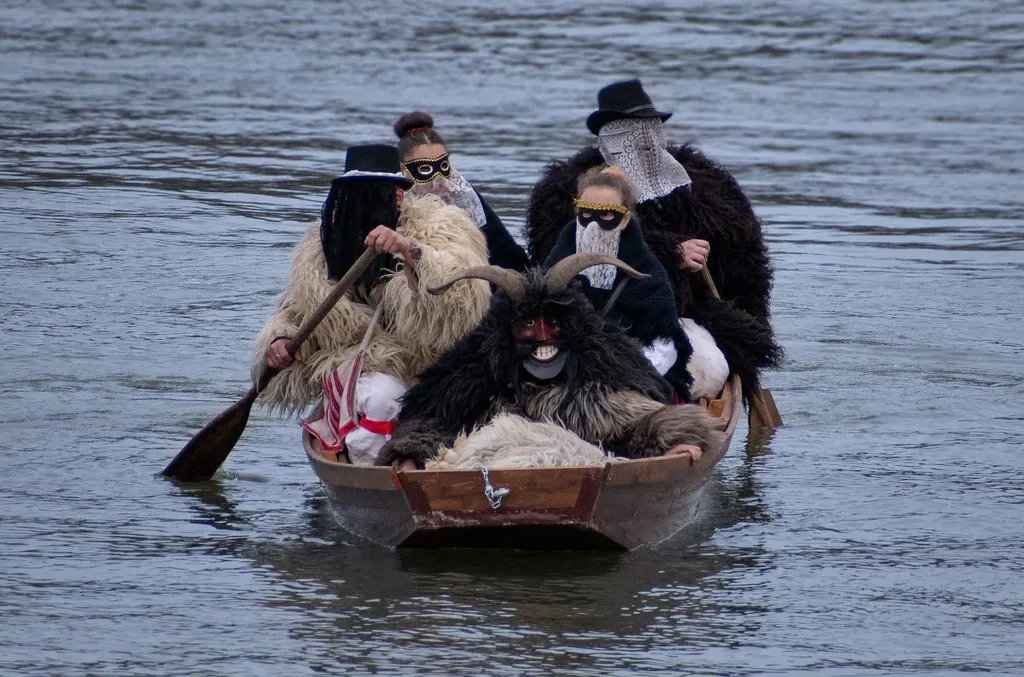
The Imperial City Festival in Rothenburg ob der Tauber, held on the first weekend of September, transforms what is already one of Germany's most preserved medieval towns into an immersive historical reenactment. Day passes cost €10–€20. Most visitors arrive by regional train and walk the intact town walls to get a circuit view of the festival grounds. The Saturday torchlight procession is the highlight — staying overnight within the city walls to witness it is worth the premium accommodation cost.
Edinburgh Festival Fringe spans three weeks in August across more than 300 venues, with pricing from free to £25 per show. It is the world's largest arts festival by volume and operates on a genuinely open-access submission model, which means the programming ranges from extraordinary to baffling. Head to the Royal Mile for free taster performances in the afternoons before committing to ticketed shows. For planning early versus late season winter events, we also compare Venice vs Nice Carnival as an option for early-year travel.
Les Plages Électroniques and Brunch Electronik: Day-Into-Night Formats
Les Plages Électroniques in Cannes (2026 edition expected in the same early-August summer window — the 2025 edition ran 8–10 August 2025; check the official site for confirmed dates) sold out its 2024 edition with 60,000 attendees across three days. Charlotte de Witte, Eric Prydz, Peggy Gou, and Tiësto anchor the typical headliner tier. Day passes start at €60 and the music runs 14:00–05:00, which is later than most comparable beach events. The venue is a short walk from Cannes train station, connecting easily to Nice and Antibes. The festival's signature detail is that large crowds can find themselves raving knee-deep in the sea as the sun sets — something that no inland event can replicate.
Brunch Electronik in Barcelona spreads across three distinct sites — Parc del Fòrum, Jardins de Joan Brossa, and Nitsa Club — for its August 2026 edition. The format is deliberately daytime-forward, starting in the afternoon and building toward evening. Food is genuinely central to the event's identity, not an afterthought, with local market stalls running alongside the music stages. Acts like Maribou State, Chris Stussy, and Jungle typify the programming sweet spot between dance music credibility and broader accessibility. If the intensity of a full festival week feels like too much, Brunch Electronik's day-by-day ticketing is a useful pressure valve.
How to Plan Your European Festival Trip
The most common mistake first-time European festival attendees make is booking the ticket before securing accommodation. For events in Croatia and coastal France, lodging in the nearest town fills up eight to twelve weeks ahead of the festival. Book both simultaneously. For city-based festivals like Primavera, Sónar, or Horst, standard hotel booking platforms work fine, but price filter early — rates triple during festival weekends in smaller host cities.
For transport, use official festival shuttles wherever available. They are almost always faster than navigating local traffic in a rental car, and they eliminate the parking problem entirely. Many Croatian beach festivals include shuttle access in package deals. Always download the festival's official app before arrival for real-time stage changes and safety announcements. Check the bag policy in advance — most major festivals now restrict backpack dimensions into the main arena.
Packing for a European festival requires balancing preparation against mobility. A high-quality power bank (at least 20,000 mAh), reusable earplugs, and a compact waterproof layer are the three non-negotiable items regardless of which event you attend. For Croatian beach events, add flip-flops that you don't mind losing. For alpine events like Snowboxx (14–21 March 2026 in the French Alps), waterproof ski gear doubles as festival gear. Check the specific FAQ for each event on professional-grade camera policies — many now restrict DSLRs without a media pass.
Frequently Asked Questions
Which European festivals sell out the fastest?
Glastonbury and Tomorrowland typically sell out within minutes of tickets going on sale. We recommend registering your details well in advance and using multiple devices to access the booking portal as soon as it opens.
What is the biggest electronic music festival in Europe?
Tomorrowland in Belgium is widely considered the largest and most influential electronic music festival. It hosts hundreds of thousands of people over two weekends and features the most elaborate stage designs in the world.
What should I pack for a European music festival?
Essential items include a waterproof jacket, comfortable walking shoes, a high-capacity power bank, and reusable earplugs. You should also bring a small first-aid kit and any necessary sun protection for outdoor events.
Visiting Europe for more than one festival? See our complete guide to festivals and events in Europe.
Choosing the right European festival in 2026 comes down to matching your travel style to the right event type rather than chasing the biggest name on the poster. The Croatian coast suits beach-and-bass travelers who want sun as part of the deal. Turin and Brussels suit those who want cultural depth alongside the music. Primavera and Sónar suit those who want a real city underneath the festival. Keep in mind that Glastonbury sits out 2026 entirely — its next edition is June 2027. For more detailed head-to-head comparisons, see our Glastonbury vs Roskilde breakdown and the full Christmas market value guide for winter planning.
Explore More Festival Comparison Guides
Keep planning with our other in-depth festival guides across Europe.
- Are European Christmas Markets Worth It? 2026 Travel Guide
- 9 Best European Christmas Markets for First Timers
- Bruges Vs Brussels Christmas Market Travel Guide
- Cologne Vs Dusseldorf Christmas Market Travel Guide
- European Christmas Markets On A Budget Travel Guide
- Glastonbury Vs Roskilde Festival Travel Guide
- How Many Days Do You Need For Christmas Markets Travel Guide
- Nuremberg vs Munich Christmas Market
- Oktoberfest Vs Stuttgart Cannstatter Volksfest Travel Guide
- Prague vs Vienna Christmas Markets
- Strasbourg Vs Colmar Christmas Market Travel Guide
- Tomorrowland vs Primavera Sound
- Venice vs Nice Carnival
- Vienna Vs Budapest Christmas Markets Travel Guide
Free guide: Europe's Festival Calendar
A month-by-month map of Europe's unmissable festivals — with the best dates to visit each and a local tip you won't find in the guidebooks.
You might also like


Continue reading
More guides you'll find useful


