
10 Best Easter and Holy Week Celebrations in Europe (2026)
From Seville's 60+ brotherhoods to Florence's 500-year-old firework dove and Norway's Easter crime novels, here are Europe's 10 best Holy Week celebrations for 2026.
On this page
10 Best Easter and Holy Week Celebrations in Europe
Last updated May 2026. Our editors have spent decades navigating the cobbled streets of the continent to find the most authentic spring rituals. Easter and holy week celebrations in europe offer a profound look into the diverse cultural fabric of the region. From the solemn, incense-heavy parades of Andalusia to the playful water fights in Poland, the variety is staggering.
While many travelers focus on the religious aspects, these events are also massive community festivals. Local brotherhoods spend all year preparing for their few hours in the spotlight during Holy Week. We recommend planning your logistics early, as many cities experience significant road closures and schedule shifts. This guide highlights the best spots to witness these living traditions without getting lost in the crowds.
Free guide: Europe's Festival Calendar
A month-by-month map of Europe's unmissable festivals — with the best dates to visit each and a local tip you won't find in the guidebooks.
10 Best Easter and Holy Week Celebrations in Europe
The continent transforms during this period, blending ancient religious fervor with modern spring festivities. We have selected these ten locations based on their historical depth, visual impact, and unique local character. Each entry represents a distinct way that European communities honor their heritage during the Paschal season.
Visitors should prepare for varying weather conditions across the north and south of the continent. While Spain and Italy often enjoy mild spring sunshine, northern celebrations might still face a late winter chill. Check the specific dates for 2026, as Orthodox Easter often falls on a different weekend than Western Easter.
Navigating these events requires a mix of patience and strategic planning to avoid the largest bottlenecks. Public transport often runs on reduced holiday schedules, making central accommodation a wise choice. We suggest arriving at procession routes at least two hours early to secure a comfortable viewing spot.
- Semana Santa Processions in Seville, Spain
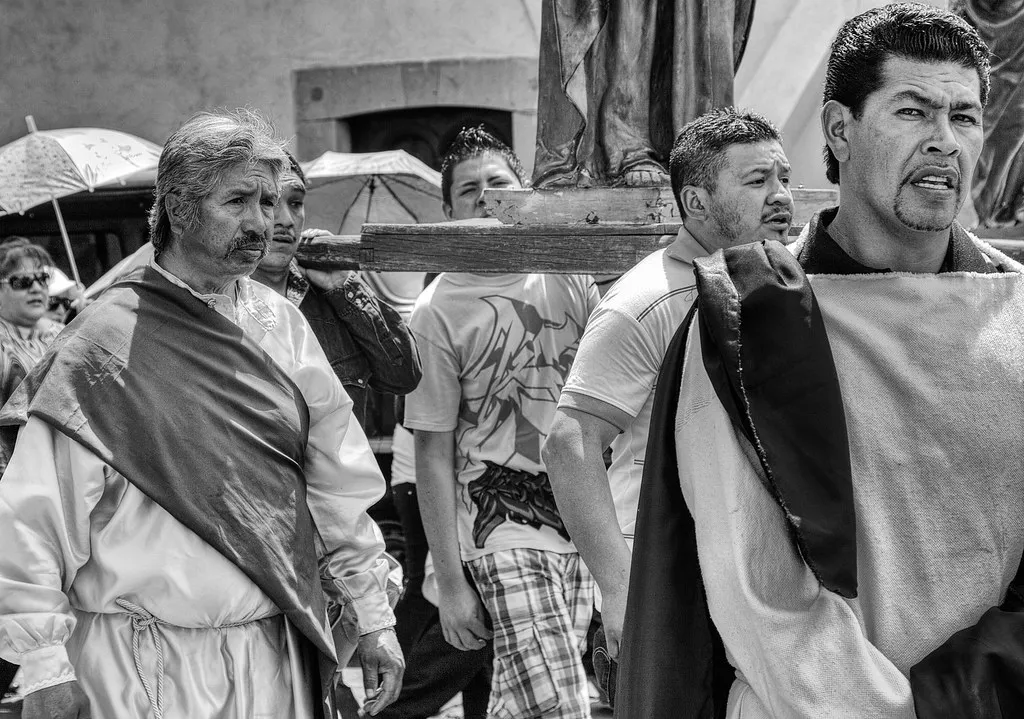
- Over sixty different brotherhoods carry massive, ornate floats through the winding streets of the historic center.
- Processions run daily from Palm Sunday to Easter Sunday, with the most dramatic events occurring on Maundy Thursday.
- Viewing is free from the street, though grandstand seats require expensive tickets booked months in advance.
- Arrive in the Santa Cruz neighborhood early and wear comfortable shoes for hours of standing.
- Scoppio del Carro in Florence, Italy
- A decorated wagon filled with fireworks is ignited by a mechanical dove during Easter Sunday morning mass.
- This 500-year-old tradition takes place in the Piazza del Duomo and signifies a good harvest for the year.
- The event is free to attend, but the square fills completely by 9:00 AM for the 11:00 AM explosion.
- Stand near the Baptistery for the best view of the dove flying from the cathedral altar.
- Easter Sunday Mass at St. Peter's Square, Vatican City
- The Pope delivers the 'Urbi et Orbi' blessing to tens of thousands of pilgrims in a flower-decked square.
- Mass typically begins at 9:30 AM, though security lines start forming before sunrise at the edge of the colonnade.
- Tickets are technically free but must be requested via the Prefecture of the Pontifical Household months ahead.
- Bring a hat and sunscreen as there is absolutely no shade in the square during the long service.
- Pot Throwing on Easter Saturday in Corfu, Greece
- Residents hurl giant clay pots from their balconies to smash on the streets of Corfu Town at 11:00 AM.
- This loud and chaotic tradition symbolizes the 'First Resurrection' and the casting away of old spirits.
- It is free to watch from the Spianada Square, but avoid standing directly under any open windows or balconies.
- Make sure to pick up a small piece of broken pottery as a local charm for good luck.
- Dansa de la Mort in Verges, Spain
- Skeleton-clad performers dance through the streets to the beat of drums on Maundy Thursday night in Catalonia.
- This medieval 'Dance of Death' is a rare surviving ritual that reminds spectators of the transience of life.
- Tickets for the square performance cost around €15–€25, while the street processions are free to the public.
- The event starts late at 10:00 PM and continues into the early hours of Good Friday morning.
- Easter Market at Schönbrunn Palace, Vienna, Austria
- Over 70 exhibitors display giant painted eggs, traditional handicrafts, and seasonal culinary delights in the palace courtyard.
- The market is open daily from 10:00 AM to 6:00 PM throughout the two weeks leading up to Easter.
- Entry to the market grounds is free, though palace tours and food items require separate payment.
- Look for the 'Osterpinze' sweet bread, which is a staple of the Viennese Easter breakfast table.
- Leonine Holy Week Processions in Leon, Spain
- The 'Encounter' procession on Good Friday morning features 13 different brotherhoods meeting in the Plaza Mayor.
- Leon is famous for its 'Papones' (confraternity members) who distribute hazelnuts to the watching crowds.
- Attending the street processions is free, with events happening around the clock in the historic Barrio Humedo.
- Visit the local museum of Holy Week to see the intricate 'pasos' up close before they are carried.
- Easter Monday Water Fights in Krakow, Poland
- Known as Śmigus-Dyngus, this tradition involves people dousing each other with water in public squares and parks.
- While originally a folk fertility rite, it has evolved into a city-wide, playful water battle for all ages.
- Participation is free and unavoidable if you are walking through the Old Town or Kazimierz district.
- Keep your electronics in waterproof bags and expect to get soaked if you venture out before noon.
- Giant Omelette Festival in Bessières, France
- Local chefs crack over 15,000 eggs to cook a massive omelette in a four-meter pan on Easter Monday.
- Legend says Napoleon Bonaparte once ordered a giant omelette for his army in this very village.
- The event is free to attend and includes a parade, music, and a free serving of the finished omelette.
- Arrive by 10:00 AM to watch the cracking process and the massive wood fire being lit.
- Easter Witch Traditions at Skansen, Stockholm, Sweden
- Children dress as 'Easter Witches' with headscarves and painted freckles to trade drawings for sweets.
- The Skansen open-air museum hosts traditional workshops and bonfire lighting to celebrate the Swedish spring.
- Adult entry to Skansen is approximately €18, and the park is open daily from 10:00 AM to 4:00 PM.
- Visit the historic farmsteads within the park to see how Swedish families celebrated Easter in the 1800s.
Religious, Traditional, and Unusual Easter Celebrations Across Europe
Easter across Europe is not one celebration but dozens of distinct ones, each shaped by centuries of local custom, Orthodox or Catholic liturgy, and pre-Christian folklore. Understanding the national differences helps you pick a destination that matches your interests, whether that is solemn ritual, folk pageantry, or family tradition. The variations run deep: the same date can mean a Greek egg-cracking game, a Czech willow-branch ritual, and a Norwegian evening with a crime novel.
In Greece, Easter is the most important holiday of the year — more significant than Christmas. The Orthodox calendar places it one to five weeks after the Western date, so always verify the exact 2026 dates before booking. The most recognizable tradition is Tsougrisma, where players tap boiled red eggs against each other; the person whose egg survives unbroken is said to enjoy good luck for the year. The red dye represents the blood of Christ, and the exchange of "Christos Anesti" (Christ is risen) and "Alithos Anesti" (Indeed He is risen) echoes across the streets at midnight on Holy Saturday. Check our Easter in Greece Orthodox Celebrations guide for full logistics.
In Italy, Easter is called La Pasqua and is celebrated with both solemn religious processions and exuberant civic spectacle. Beyond the famous Scoppio del Carro in Florence, families throughout the country share a "Colomba Pasquale" — a dove-shaped cake with candied peel and almonds — over a long Sunday lunch. Vatican City draws the largest single crowd of the season, with the Papal "Urbi et Orbi" blessing broadcast globally from St. Peter's Square. See our Italy Easter traditions guide for region-by-region detail.
In the Czech Republic, Easter (Velikonoce) peaks with a charming and slightly mischievous Easter Monday custom. Young boys braid willow branches into decorated switches called pomlázky and lightly tap girls on the legs to wish them health and beauty for the coming year. Girls traditionally receive the boys with a small gift of chocolate, painted eggs, or a ribbon for the switch. The Old Town Square in Prague fills with market stalls selling hand-painted kraslice eggs, wooden toys, and traditional sausages from mid-March onward. In Germany, the Osterbaum (Easter Tree) is a characteristic sight: flowering branches hung with painted eggs stand in living rooms and outside windows throughout the country, and the school holiday can extend up to three weeks.
In France, Easter carries its own quiet magic with the legend of les cloches volantes (the flying bells). Church bells fall silent on Maundy Thursday to mourn Christ's death. According to tradition, the bells fly to Rome to be blessed by the Pope, and return home on Easter Sunday dropping chocolate eggs into gardens for children to find. This tradition replaces the Easter Bunny in France, and chocolatiers across the country compete to produce elaborate egg-shaped confections in their shop windows each spring.
Europe's Most Special Easter Traditions
Some of the most distinctive Easter traditions across the continent are almost completely unknown outside their home countries. These are the rituals that don't appear on mainstream travel itineraries but reveal something genuine about how communities mark the season. We highlight four that stand out for their originality.
In Norway, the Easter tradition is not processions or egg hunts — it is crime fiction. Påskekrim (Easter crime) is a national obsession: publishers deliberately release their biggest thriller novels before Easter, television schedules fill with crime serials, and even milk cartons have run murder-mystery stories on their packaging. Norwegians head to mountain cabins during the long Easter break, and reading or watching whodunits is as standard as decorating eggs. No other country has made detective fiction an official part of its Easter culture, and the tradition dates to a 1923 book marketing stunt that became a century-long phenomenon.
In Denmark, children send anonymous gækkebreve (mystery letters): a folded paper snowflake with a rhyming poem, signed only with dots — one dot for each letter of the sender's name. The recipient has to guess who sent it. If they guess correctly, the sender owes them a chocolate egg; if they guess wrong, the recipient owes one instead. It is a low-cost, creative tradition that works across all age groups and requires nothing more than paper, scissors, and a sense of humor.
In Hungary, Easter Monday is known for Locsolkodás (Sprinkling). Men and boys visit female relatives and neighbors and ask permission to sprinkle them with perfume or water, reciting a short poem. In rural areas this was originally done with buckets of well water; today cologne is the norm in cities. Women then offer painted eggs, homemade palinka (fruit brandy), or chocolate as a thank-you. Budapest's Easter markets also display traditional Kalács bread — a braided sweet loaf — alongside paprika-spiced lamb dishes. In Spain's Catalonia, the Cagatió (a log that 'defecates' sweets when beaten with sticks) is a Christmas fixture, but Holy Week has its own unusual edge: the Dansa de la Mort in Verges, where skeleton-costumed dancers carry a scythe and an hourglass through the village streets after dark on Maundy Thursday.
Museums, Art, and Culture in Easter
Many European cities house dedicated museums that preserve the intricate art of Holy Week year-round. In Spain, the Museo de Semana Santa in cities like Zamora or Leon offers a close-up look at the sculptures. These venues allow you to appreciate the craftsmanship of the wooden floats without the crushing street crowds. Most religious museums charge a modest entry fee of €5–€10 and operate from 10:00 AM to 7:00 PM.
Sacred art collections in the Vatican Museums or the Uffizi take on a new resonance during the Paschal season. We recommend booking these major cultural sites weeks in advance to avoid multi-hour queues. Many smaller churches also display 'monuments' or special altars that are only visible during the Triduum. These temporary displays are often free to visit but require respectful silence and modest clothing.
Local brotherhoods often open their private chapels or headquarters to the public during the days leading up to Easter. This provides a unique opportunity to see the preparation of the floats and the polishing of silver ornaments. In Seville, these 'Casas de Hermandad' are scattered throughout the city and often welcome curious visitors. We suggest checking local tourism boards for a list of open houses, as they are rarely advertised in English.
Parks, Gardens, and Outdoor Spots in Easter
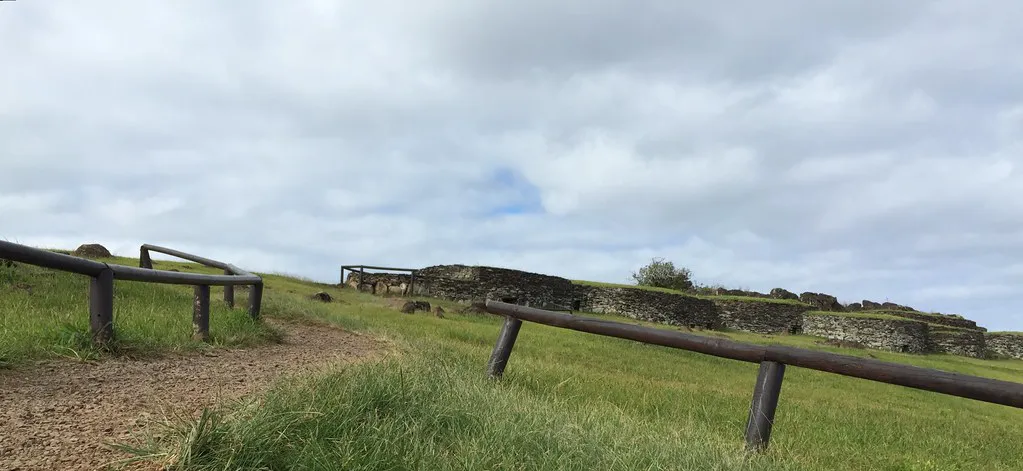
Spring in Europe coincides perfectly with the blooming of historic gardens and public parks. The Keukenhof in the Netherlands is the premier outdoor destination, featuring millions of tulips in late March and April. Entry costs roughly €20 per adult, and the park is easily accessible via shuttle buses from Amsterdam or Leiden. Try to visit on a weekday morning to avoid the massive weekend crowds that descend during the Easter break.
Public squares like the Piazza Navona in Rome or the Grand Place in Brussels host seasonal floral displays. These open spaces serve as the lungs of the city where families gather for traditional picnics after church services. In many Mediterranean countries, Easter Monday is traditionally spent in the countryside for a 'Pasquetta' lunch. Joining a local park picnic is a low-cost way to experience the communal joy of the season.
Botanical gardens in cities like London, Paris, and Berlin often host Easter-themed scavenger hunts for children. Kew Gardens in London is particularly famous for its spring displays and family-oriented programming. Standard entry is around £20, though booking online in advance can save you a few pounds. The wide-open spaces of these gardens provide a necessary reprieve from the dense crowds of the city centers.
Family-Friendly and Budget-Friendly Options in Easter
Experiencing Easter and holy week celebrations in europe does not have to be expensive for families. Most street processions are entirely free to watch and offer a high-sensory experience for children. We suggest finding a spot near a church entrance where the music and movement are most concentrated. Bring portable snacks and water, as many cafes along the main routes significantly increase their prices.
Easter markets are fantastic budget-friendly hubs for local food and handmade souvenirs. Prague's Old Town Square hosts a vibrant market where you can watch traditional egg painting for free. Street foods like 'Trdelník' in the Czech Republic or 'Hot Cross Buns' in the UK are affordable treats. These markets usually open at 10:00 AM and provide hours of free entertainment through live folk music.
Look for community-led events like egg rolls or village fairs which are often free or very low-cost. In the UK, many National Trust properties host egg hunts that only require a small donation or standard entry. Public beaches in southern Europe also become popular spots for free community bonfires on Saturday night. These local gatherings often provide a more intimate look at traditions than the major tourist spectacles.
How to Plan a Smooth Easter Attractions Day
The most critical step for a smooth trip is understanding the impact of public holidays on local services. Good Friday and Easter Monday are official holidays in many countries, leading to widespread shop and bank closures. Check our guide on watching processions for tips on navigating street barricades. We recommend downloading a local transport app to stay updated on real-time bus and tram diversions.
Dining during Holy Week requires advance reservations, especially for the traditional Sunday lunch. Many restaurants in historic centers operate with limited 'festival menus' that can be more expensive than usual. If you prefer a quiet meal, look for eateries at least three blocks away from the main procession routes. Remember that in many Catholic countries, meat-free options are the standard for Good Friday menus.
Security is often heightened during major religious gatherings in city centers like Rome or Paris. Expect bag checks and metal detectors at the entrances to major cathedrals and public squares. Travel with only the essentials to speed up your entry into these high-traffic zones. We suggest keeping a digital copy of your tickets on your phone to avoid issues with lost paper stubs.
Advance bookings for Easter 2026 are essential across all popular destinations. Flights and central hotels in Seville, Rome, and Corfu routinely sell out six to eight months ahead of the holiday. If you are attending an Orthodox Easter destination like Greece, confirm whether the date differs from the Western calendar — the gap can be up to five weeks in some years. Pack layers regardless of destination: Mediterranean spring evenings can be cool, and processions run late into the night.
Frequently Asked Questions
Is everything closed on Easter Sunday in Europe?
Most retail shops and supermarkets close on Easter Sunday across Europe. However, most restaurants, cafes, and major religious attractions remain open with adjusted holiday hours. We recommend checking our Italy Easter guide for specific regional closure patterns.
When is the best time to book Easter travel in Europe?
You should book flights and central accommodation at least six to eight months in advance. Easter is one of the busiest travel periods for Europeans, and prices for hotels near procession routes spike significantly as the holiday approaches.
Do I need tickets for Holy Week processions?
Most street processions are free and do not require tickets. However, specific events like the Vatican Mass or grandstand seating in Seville require advance booking. Always check the official tourism website of the specific city for the latest ticketing rules.
Visiting Europe for more than one festival? See our complete guide to festivals and events in Europe.
Easter and holy week celebrations in europe provide an unparalleled window into the soul of the continent. Whether you are seeking spiritual reflection or a lively cultural festival, these traditions offer something for every traveler. By planning ahead and respecting local customs, you can enjoy a seamless and memorable spring adventure. We hope this guide helps you navigate the vibrant and complex world of European Easter rituals.
Explore More Festival Guides
Keep planning with our other in-depth festival guides across Europe.
- Easter In Greece Orthodox Celebrations Travel Guide
- Easter In Italy Traditions And Where To Go Travel Guide
- Easter Sunday At The Vatican Travel Guide
- How To Watch Semana Santa Processions Travel Guide
- Scoppio Del Carro Florence Easter Travel Guide
- Semana Santa In Malaga Travel Guide
- Semana Santa In Seville Guide Travel Guide
Free guide: Europe's Festival Calendar
A month-by-month map of Europe's unmissable festivals — with the best dates to visit each and a local tip you won't find in the guidebooks.
You might also like

Continue reading
More guides you'll find useful


