
10 Best Carnivals In Europe (2026)
Plan the best carnivals in Europe with our 2026 guide. Discover top picks like Venice and Cologne, plus timing tips and booking advice for a smoother trip.
On this page
10 Best Carnivals In Europe (2026)
European carnivals represent a wild explosion of color and tradition that marks the final days before the solemn season of Lent. From the ornate masquerades of Venice to orange battles in Piedmont, each city delivers a radically different experience. This guide covers the ten best carnivals in Europe for 2026, with practical timing, costs, and local tips to help you plan the right trip.
While many travelers focus solely on the famous masks of Italy, the diversity of these events spans from political satire in Germany to flower parades on the French Riviera. We believe that understanding the local nuance of each festival transforms a simple parade into a deeply immersive cultural experience. Preparation is essential because the most popular cities reach peak capacity months before the first float begins its journey.
Free guide: Europe's Festival Calendar
A month-by-month map of Europe's unmissable festivals — with the best dates to visit each and a local tip you won't find in the guidebooks.
Carnival of Venice, Italy
The Venice Carnival is one of the oldest in the world — first recorded in the 11th century — and its 2026 edition runs for ten days leading to Shrove Tuesday. The city's streets and squares fill with locals and visitors in elaborate 18th-century costumes and ornate Venetian masks. The concept behind the masquerade was always to dissolve social barriers: nobles could hide their identities and mingle freely with commoners, a tradition that still defines the atmosphere today.
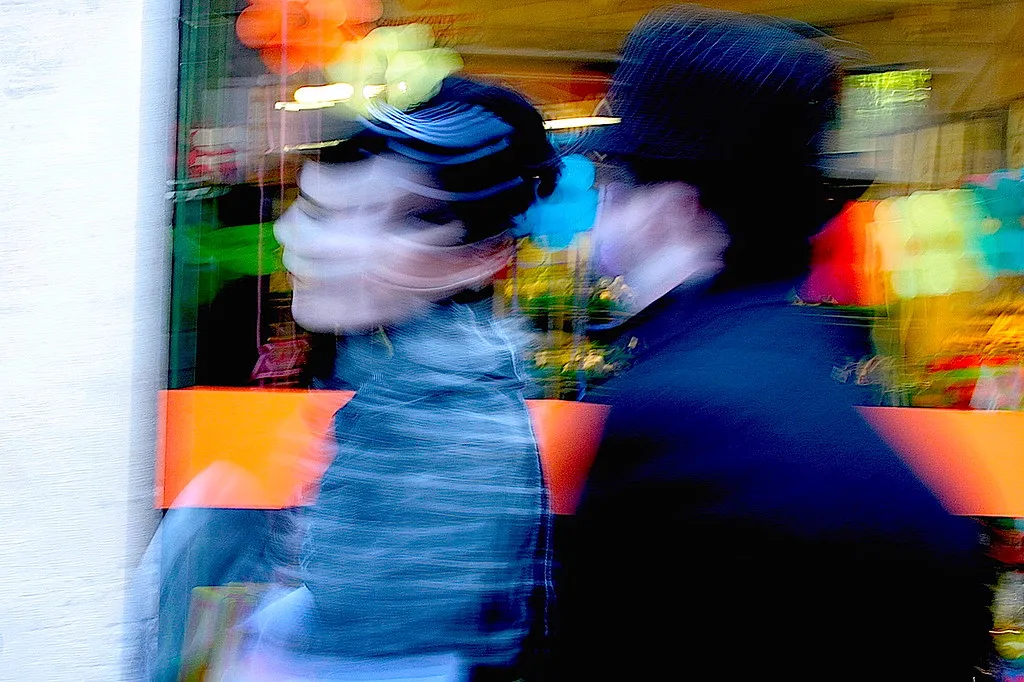
St. Mark's Square is the central hub, and we suggest arriving before 09:00 to photograph costumed revelers without the massive midday crowds. Access to the public squares is free, but private masquerade balls can cost between €500 and €1,500 per person. For most visitors, the free street events and the theatrical "Flight of the Angel" opening ceremony offer just as much spectacle without the steep ticket price. Consult our Venice Carnival guide for a full breakdown of events, neighborhoods, and costume rental spots.
Carnival of Cologne, Germany
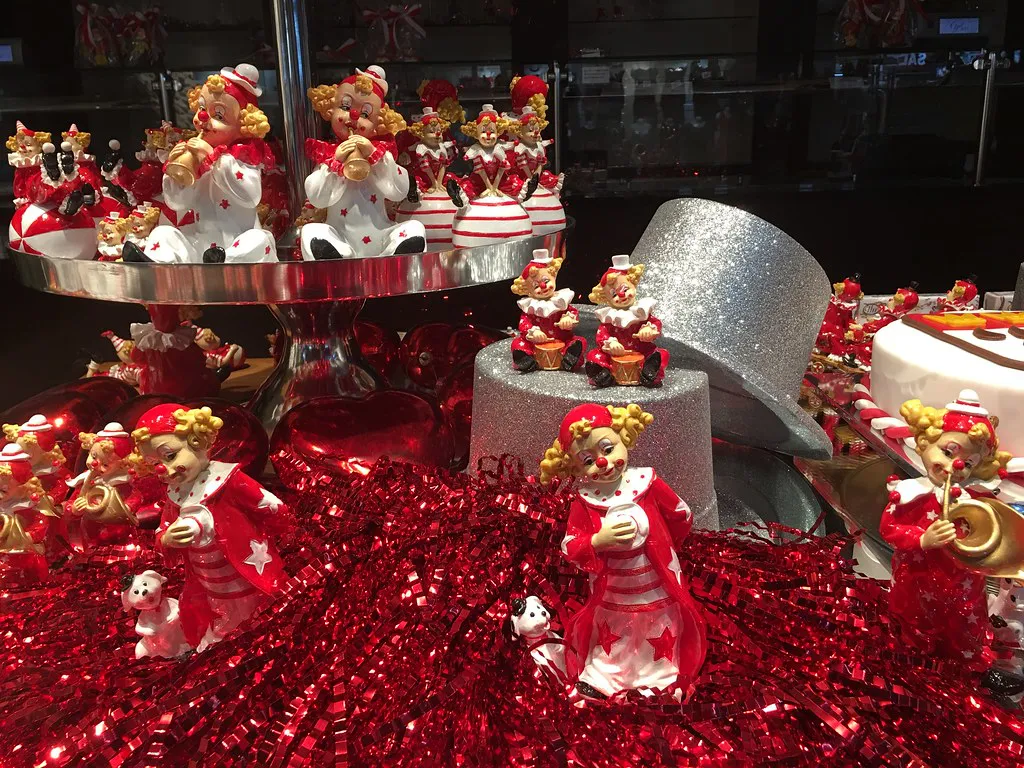
Cologne's carnival — known locally as Karneval or the "Fifth Season" — is one of the largest street festivals in the world, drawing over a million visitors to the Altstadt for the Rose Monday parade. The party officially opens at 11:11 on the Thursday before Shrove Tuesday (Weiberfastnacht), when women traditionally storm the city hall and snip the ties off male politicians. From that moment, the city belongs to the revelers until midnight on Shrove Tuesday.
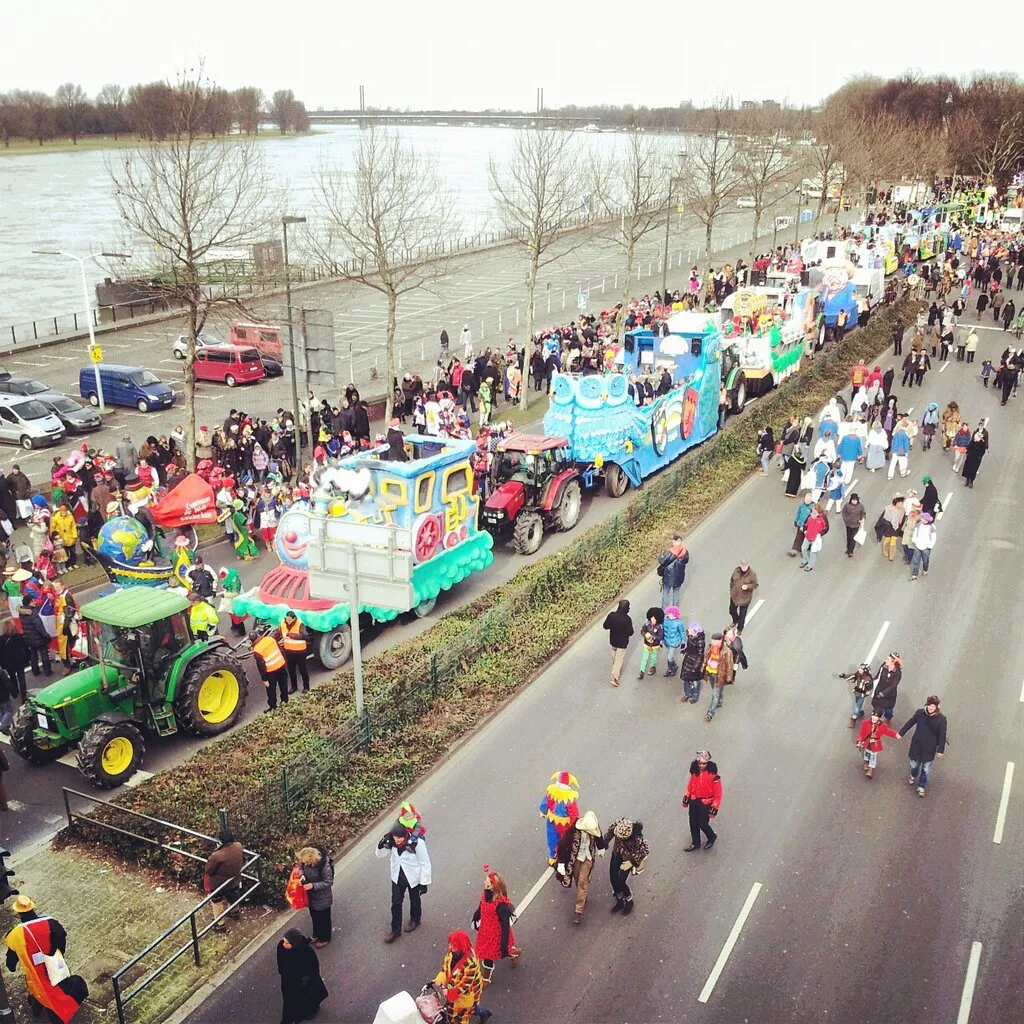
The Rose Monday (Rosenmontag) parade stretches over eight kilometers and features more than 70 decorated floats, most carrying sharp political commentary directed at world leaders. Grandstand seats along the main route typically cost €50 to €90; street-level viewing is free but requires an early arrival. Most street events are in the Altstadt neighborhood, and wearing a costume — even a simple hat — is the norm rather than the exception. The celebrations can get quite political, with satirical floats that often make international headlines.
We suggest visiting on Weiberfastnacht for a slightly more manageable crowd than Rose Monday, while still experiencing the full energy of the season.
Cádiz Carnival, Spain
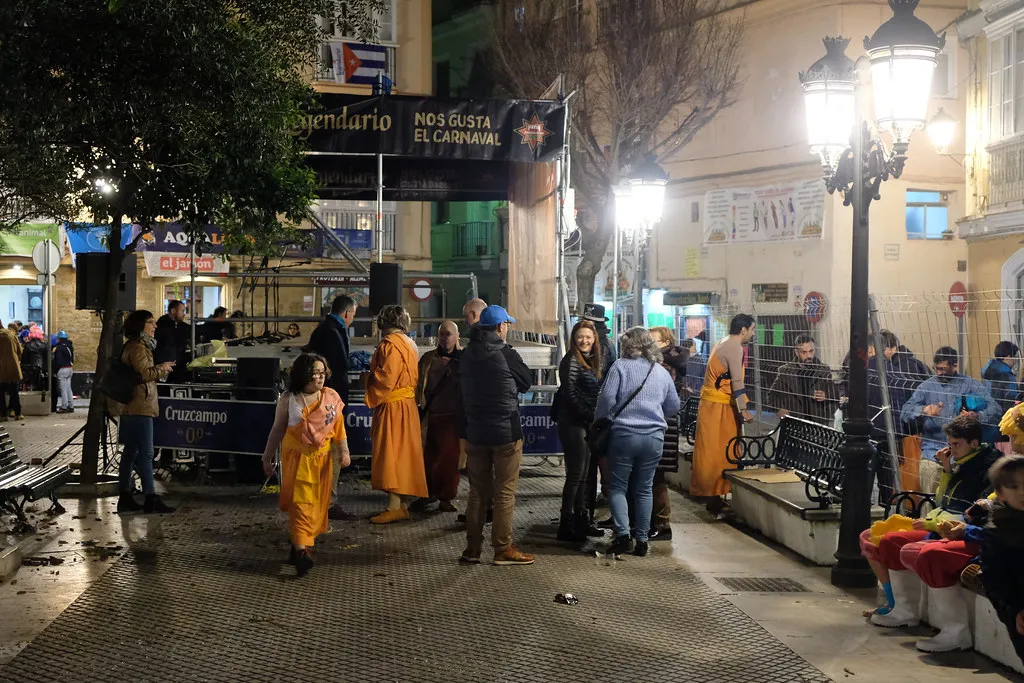
Southern Spain's oldest port city hosts what many locals consider the most authentic and joyful carnival in all of Europe. Founded by Phoenicians over 3,000 years ago and declared an event of International Tourist Interest, the Cádiz Carnival is defined not by floats or masks but by music and satire. Groups called chirigotas dress in witty costumes and perform songs that parody politics, celebrities, and local life — sometimes so sharp that the lyrics only make full sense in Spanish.
The main street parties in the Barrio de la Viña neighborhood are entirely free to join, and the atmosphere is intimate compared to Venice or Cologne. For the official competition performances, a seat at the Falla Theatre requires advance booking. Local specialties worth tracking down include ostioná (fresh oysters) and erizá (sea urchin), both sold from street stalls throughout the festival. Read our Cádiz Carnival guide for translation tips on the chirigota lyrics and the best spots in the old town.

Nice Carnival, France
The Nice Carnival runs for two weeks on the French Riviera every February and is built around two signature parades: the Grand Carnival Parade and the Battle of the Flowers. The Grand Parade features around 20 massive themed floats accompanied by musicians and costumed performers winding through the city center. The Battle of the Flowers is an elegant procession along the Promenade des Anglais where performers throw thousands of fresh mimosa blooms, roses, and lilies to spectators.
Tickets for standing areas cost approximately €5 to €14, while reserved grandstand seats range from €21 to €28. The night parades offer the most spectacular lighting effects and are worth the extra planning effort to attend. Unlike Cologne or Cádiz, the Nice Carnival stays relatively formal — outfits range from floral summer dresses to full carnival costumes — and the emphasis is on visual spectacle rather than street-level participation. Check our Nice Carnival guide for the 2026 parade schedule and seat booking links.
Düsseldorf Carnival: The Political Season
If Cologne is about mass celebration, Düsseldorf's carnival is about sharp political wit. The season technically opens on 11 November with the "Awakening of Hoppeditz," where a character in jester costume delivers a satirical speech outside City Hall mocking the year's politicians and current events. The city does not switch off again until Ash Wednesday.
The main parade on Rosenmontag runs more than 70 floats through the Königsallee district, each carrying provocative papier-mâché sculptures of world leaders. On Fat Thursday, a celebrated tradition sees women invade City Hall and hand the mayor a symbolic set of keys — the city is theirs until midnight. Street viewing is free; the official Düsseldorf tourism site publishes the exact route map each year so you can secure a prime spot along the procession.
Carnival Traditions in Southern Germany and Switzerland
The big Rhine cities get most of the attention, but some of the most memorable carnival experiences in Europe happen in the small towns of Baden-Württemberg and the German-speaking cantons of Switzerland. Here the traditions belong to the "Swabian-Alemannic" carnival family, which is entirely distinct from the Rhineland Karneval celebrated in Cologne and Düsseldorf. Costumes and masks must conform to strict historical precedents handed down through carnival associations, and you can only join certain clubs after living in the town for a minimum number of years.
In Geislingen, different clubs parade in costumes including the "Feuerhexen" (fire witches), each with century-old traditions. Across the border in Switzerland, the small town of Altstätten hosts the Röllelibutzen, carnival events dating back to at least 1617. Basel's Fasnacht is a step up in scale: it begins at exactly 04:00 on the Monday after most European carnivals end, with the Morgestraich lantern parade through completely darkened streets. Entry to watch is free; a carnival badge costs around €10 and is considered a mark of respect for the local cliques who spend the entire year preparing.
The tradition itself predates Christianity — masks were originally worn to ward off winter spirits, and the word "Fastnacht" (fast-night) directly references the fasting period that follows. Understanding this context turns the parade from a party into something more like a living museum.
Patras Carnival, Greece: The Overlooked Giant
No competitor guide in this SERP covers it, but the Patras Carnival in Greece is the third largest carnival in the world by attendance — after Rio and Tenerife — with over a million people turning out for the final weekend. It has run continuously since 1829 and the 2026 edition will mark 197 years of celebration. The Peloponnese port city transforms completely for the three-week season, with events running from early January to Shrove Monday.
The grand finale parade features enormous themed floats built by competing groups over many months, followed by the ceremonial burning of the Carnival King effigy at midnight on Shrove Monday — a dramatic end-of-season ritual unique to Patras. Earlier in the week, the city holds a children's carnival parade and the "Hidden Treasure" night hunt, where a symbolic treasure is hidden in the city and the winner receives a prize. Tickets for the main grandstand areas cost €10 to €20; street viewing is free and the old port area provides a natural backdrop for the fireworks finale. For travelers who want carnival scale without the Venice price tag, Patras in February is a serious alternative.
More Carnivals Worth the Detour
The Ivrea Carnival in Piedmont, northern Italy, is built around a re-enactment of a medieval revolt against a tyrant. Participating teams throw tons of oranges at each other across the historic squares over three days. Entry to the battle zones costs around €10; wear a red hat if you want to watch without becoming a target for the citrus-wielding teams. Our Venice Carnival guide notes that Ivrea is easily combined with a trip to the Veneto on the same itinerary.
The Santa Cruz de Tenerife Carnival in Spain's Canary Islands is officially the second most popular carnival in the world after Rio. The weather is warm in February, the parades are glitzy with Latin music, and most outdoor events are free. The gala to elect the Carnival Queen requires advance ticket purchases and sells out fast. Pack light costumes — this is not the place for heavy German winter gear.
The Binche Carnival in Belgium holds UNESCO Intangible Cultural Heritage status for its Gilles characters: performers who wear wax masks and distinctive ostrich-feather headdresses and throw blood oranges to the crowd on Shrove Tuesday. The town center parades are free to view, though parking costs around €15 in designated lots. Do not throw oranges back at the Gilles — this is a serious breach of local etiquette.
The Viareggio Carnival on the Tuscan coast features some of the largest papier-mâché floats in Europe, some standing over 20 meters tall. Single-day tickets for the parade circuit cost €18 to €22 per adult, with discounts for children. Parades run on multiple Sundays from late January, giving you several chances to attend if your first choice weekend sells out.
Planning Your Carnival Trip in 2026
Carnival season in 2026 runs from early February to Shrove Tuesday on 17 February. Most major events — Venice, Cologne, Düsseldorf, Nice, Cádiz, Tenerife — peak in the final week. Basel Fasnacht starts the following Monday, 23 February, making it a natural add-on for anyone already in the region. Book accommodation six to nine months in advance for Venice and Cologne; for smaller events like Patras or Ivrea, three months is generally sufficient.
Most street parades are free to the public. The main costs are grandstand seats (€10 to €90 depending on city), entry fees for battle zones or historic districts (€10 to €20), and private balls in Venice (€500+). Public transport is the only practical way to navigate most of these cities during carnival, as central roads close for pedestrian parades. A multi-day transit pass cuts cost and stress.
Weather varies sharply. Tenerife and Cádiz are mild in February. Cologne, Düsseldorf, and Basel can be cold and wet — thermal layers under your costume are not optional. Safety is generally high, but pickpockets target dense carnival crowds; keep valuables in a secure internal pocket and carry minimal cash.
Frequently Asked Questions
Which countries have the best carnivals in Europe?
Italy, Germany, and Spain are widely considered to have the best carnivals. Each country offers a unique style, from the elegant masks of Venice to the satirical parades of Cologne and Cádiz.
When is the best time to visit European carnivals?
The peak festivities usually occur in February or early March, ending on Shrove Tuesday. You should check the specific dates for 2026, as the timing changes annually based on the lunar calendar.
Are European carnivals free to attend?
Most street parades and public parties are free to the public. However, some cities charge for grandstand seating or entry to specific historic districts, with prices typically ranging from €10 to €30.
Europe's carnival season is a testament to the continent's rich cultural tapestry and its enduring love for public celebration. Whether you prefer the silent lanterns of Basel at 04:00 or the loud, satirical floats of Cologne, there is an event that fits every traveler's style and budget. The best carnivals in Europe are waiting to offer you a glimpse into the heart of their vibrant, historic communities in 2026.
Explore More European Carnival Guides
Keep planning with our other in-depth festival guides across Europe.
- Basel Carnival Dates
- Basel Carnival Guide
- Binche Carnival Dates Travel Guide
- Binche Carnival Guide
- Cadiz Carnival Dates and Seasonal Travel Guide
- Cádiz Carnival Guide
- Cologne Carnival Dates Travel Guide
- Cologne Carnival Guide
- Maastricht Carnival Dates and Seasonal Travel Guide
- Maastricht Carnival Guide Travel Guide
- Madeira Carnival Dates 2026
- Madeira Carnival Guide Travel Guide
- 10 Most Beautiful Carnivals in Europe
- Nice Carnival Dates Travel Guide
- Nice Carnival Guide
- Patras Carnival Dates
- Patras Carnival Guide Travel Guide
- 15 Venice Carnival Best Things To Do
- Venice Carnival Costumes
- Venice Carnival Dates Travel Guide
- Venice Carnival Guide Travel Guide
- Venice Carnival Is It Worth It Travel Guide
- 8 Best Places to Buy Authentic Venice Carnival Masks
- 10 Best Venice Carnival Masquerade Balls
- Venice Carnival Where To Stay
- Venice Carnival With Kids Travel Guide
- Viareggio Carnival Dates and Seasonal Travel Guide
- Viareggio Carnival Guide Travel Guide
Free guide: Europe's Festival Calendar
A month-by-month map of Europe's unmissable festivals — with the best dates to visit each and a local tip you won't find in the guidebooks.
You might also like


Continue reading
More guides you'll find useful


