Festivals And Events In Munich Travel Guide
Plan your festivals and events in Munich with top picks, seasonal timing, neighbourhood context, and practical booking tips for a smoother trip in 2026.
On this page
Festivals And Events In Munich
Munich earns its reputation as one of Europe's great festival cities every single month of the year. From the world-famous Oktoberfest on the Theresienwiese to intimate street fairs tucked into Bavarian market towns, the calendar here never truly goes quiet. Whether you are drawn by beer tents, classical opera, or candlelit Christmas markets, this guide walks through the best festivals and events across Europe's top cities — starting with Munich. Knowing which event suits your travel style and when to book makes the difference between a scramble and a smooth trip.
Free guide: Europe's Festival Calendar
A month-by-month map of Europe's unmissable festivals — with the best dates to visit each and a local tip you won't find in the guidebooks.
Must-See Festivals and Events in Munich
Oktoberfest is the event that put Munich on the global festival map, running from 19 September to 4 October 2026 on the Theresienwiese. In a strong year it draws more than six million visitors across fourteen large beer tents and dozens of fairground rides. The first Sunday brings a traditional costume parade with over 150 groups marching through the grounds. Book accommodation and beer tent reservations at least six to twelve months early — prices double and availability collapses fast.
One angle most first-timers miss is the Oide Wiesn (Old Oktoberfest) section, which has been part of the grounds since 2010. It features historic fairground rides, traditional Bavarian folk music performed live, and a dedicated old-style beer tent — all at a separate entry fee of around €4. For visitors who find the main festival overwhelming, the Oide Wiesn offers a more intimate, heritage-focused experience within the same site. It is particularly good for families and older travelers who want the atmosphere without the scale.
Frühlingsfest, known locally as the Little Oktoberfest, runs from late April to early May at the same Theresienwiese site. It shares the beer tents and funfair energy of its autumn sibling but draws a smaller, more relaxed crowd. Many regulars prefer it precisely because the queues are shorter and the atmosphere feels more local. It is a genuinely good option if the scale of Oktoberfest feels overwhelming.
Starkbierfest takes place during Lent, usually in March, and centres on Munich's potent Starkbier — a strong, dark brew developed by monks centuries ago. The Paulaner am Nockherberg location is the most famous venue, and the satirical political cabaret that kicks off the festival is a genuine Munich tradition. It attracts a far more local crowd than Oktoberfest, which makes it a rare chance to see Bavarian drinking culture without the tourist surge. Check the Munich Tourist Office website for exact dates and venue listings each year.
Tollwood Summer Festival runs from late June to late July in the Olympiapark, blending international food stalls, live concerts, circus acts, and sustainability-focused exhibitions. It does not fit neatly into the beer-festival category, which is exactly what makes it worth planning around. Entry to the festival grounds is free, though specific performances and events require tickets.
Cultural and Arts Festivals in Munich
The Munich Opera Festival runs from late June to late July and is staged by the Bavarian State Opera, one of Europe's top companies. Productions range from Verdi and Wagner classics to contemporary premieres, and the outdoor Opernball event adds a social dimension. Tickets sell out far in advance for headline productions, so treat booking like Oktoberfest — plan months ahead.
Filmfest München, held in late June to early July, is Germany's second-largest film festival and a meaningful platform for new international and German cinema. Unlike Cannes or Berlin, many screenings are open to the general public at affordable prices. For travelers who happen to be in Munich in early summer, catching a premiere is an unexpectedly easy thing to do.
The Lange Nacht der Musik (Long Night of Music) usually falls in May, when hundreds of venues across the city open their stages simultaneously. A single ticket grants entry to all participating venues, and dedicated shuttle buses link the sites until late. The genre range is wide — jazz, classical, electronic, folk — making it accessible to almost any music preference. It is one of the best value events on Munich's cultural calendar and rarely requires planning more than a week in advance.
The Streetlife Festival transforms long sections of Leopoldstraße into a pedestrian zone filled with street art, sustainable food stalls, and live performances, typically in May and September. Entry is free, the crowds are manageable, and it gives a clear picture of Munich's contemporary urban culture alongside its historic festival identity. Visitors staying in Schwabing or Maxvorstadt will find it practically on their doorstep.
Munich's City Foundation Festival and Hidden Gems
Munich turns 863 in 2026, and the city marks the occasion each June with the Stadtgründungsfest (City Foundation Festival) on Marienplatz and the surrounding streets. The event typically runs over a weekend in mid-June and fills the old town with live music performances, street theatre, historical re-enactments, and food stalls serving Bavarian specialities. Entry is free, and the programming is genuinely broad — from brass bands to contemporary stage acts. It is one of the few large Munich events that remains almost entirely off the radar for international visitors, which makes it an ideal choice if you want crowds that are predominantly local.
The Kaltenberg Knights Tournament (Kaltenberger Ritterturnier) runs each July at Kaltenberg Castle, about 40 kilometres west of Munich. It draws around 100,000 visitors over its run and is one of the largest medieval tournaments in the world. Knights joust on horseback in the castle grounds, artisan traders sell period crafts, and the evening shows involve theatrical pyrotechnics. A shuttle bus runs from Munich's central train station on event days. For travelers with children or anyone drawn to living history, it provides something entirely different from the beer-and-music circuit.
June in Munich also brings the Corpus Christi procession (Fronleichnam), which draws thousands through the old town and is a significant religious and cultural event in Catholic Bavaria. While not a festival in the commercial sense, it shapes the city's character on that day and is worth knowing about if your dates overlap — public life adjusts around it, and some sites close in the morning.
Bavarian Folk Festivals Beyond Munich
Bavaria runs sixteen major folk festivals each year, and several within an hour's train ride of Munich rival Oktoberfest in character if not in scale. The Rosenheim Herbstfest (Autumn Festival) runs from 29 August to 13 September 2026 on the Loreto meadow, drawing over one million visitors across sixteen days. It begins with a traditional costume procession and a barrel-tapping ceremony and is billed by its organisers as the likeable Oktoberfest — more approachable, with a deliberate policy of moderate pricing and family-day discounts.
The Dachau Volksfest runs from 8 to 17 August 2026 on the central square at the foot of Dachau's old town and is well-known specifically for its low beer prices. It traces its roots back to 1652 and draws over 300,000 visitors, making it large enough to feel like a real festival but small enough that queues at the marquees rarely require planning. Dachau is directly on the S2 S-Bahn line from Munich Hauptbahnhof, making it one of the easiest regional festivals to reach.
Further afield but well worth the journey, the Würzburg Kiliani Folk Festival runs from 3 to 19 July 2026 on Talavera Square and is the largest folk festival in Lower Franconia, counting up to one million visitors. It combines a traditional marquee celebration with the Häfelesmess, a street market selling everyday goods — a remnant of the medieval sales fair from which the festival originates. Würzburg is about two hours by train from Munich and pairs well with a visit to the Residenz palace, making it a genuine overnight detour rather than just a day trip.
The Regensburg Dult runs twice a year — from 14 to 31 May 2026 and 28 August to 13 September 2026 — in the Stadtamhof district on the Danube. It mixes fairground rides and snack stalls with a merchandise fair where traders sell spices, cookware, and clothing, which gives it a markedly different character from a pure beer festival. Regensburg is 90 minutes from Munich by train and is a UNESCO World Heritage city in its own right.
Seasonal Festivals and Outdoor Events
Fasching, Bavaria's carnival season, runs from January through to Shrove Tuesday in February and fills Marienplatz with coloured parades, masked balls, and street parties. Munich's version is less theatrical than Cologne or Düsseldorf but far more local in character, which suits travelers who prefer atmosphere over spectacle. The final days before Lent see the biggest crowds and the most elaborate costumes.
Munich Christmas Markets open in late November and run until 24 December, with the main market at Marienplatz being the most visited. The Tollwood Winter Festival at Theresienwiese runs alongside it as a larger, eco-focused alternative with craft vendors and live entertainment. For a quieter experience, the Medieval Christmas Market at Wittelsbacherplatz draws a smaller but dedicated crowd each year. These markets are among the most visited in Germany, so arriving on a weekday evening avoids the heaviest weekend crowds.
Two regional festivals are worth the short journey out of the city centre. The Herbstfest Erding runs from 28 August to 6 September 2026 and draws around 400,000 visitors to two marquees, each dedicated to a different local brewery — one serving pale beer, the other wheat beer. About 30 kilometres northeast of Munich, it is easy to reach by S-Bahn and feels far more Bavarian than the international circus of Oktoberfest. The Fürth Kärwa runs from 3 to 14 October 2026 across Fürth's city streets and is unusual for having no tents at all — stalls, rides, and market traders fill the roads directly, and it is listed on Bavaria's Cultural Heritage register.
Family-Friendly and Budget-Friendly Options
Not every Munich festival requires deep pockets, and several of the best options cost nothing to enter. The Theatron PfingstFestival at the Olympiapark amphitheatre runs during Whitsun weekend and offers free outdoor concerts across multiple stages. It is one of the few major European music festivals where free general admission is the standard, not a limited early-bird offer.
The Auer Dult markets take place three times a year at Mariahilfplatz — the Maidult in late April, the Jakobidult in late July, and the Kirchweihdult in mid-October. Each market blends antique stalls, handcraft vendors, and traditional Bavarian snacks like roasted almonds and pretzels. Entry is free, and the atmosphere is firmly neighbourhood rather than tourist-facing, which makes them a good counterpoint to the bigger events.
Munich Mash in July is an action-sports festival at the Olympiapark covering BMX, skateboarding, and wakeboarding alongside music stages. It appeals to a younger audience and pairs well with a visit to the festivals and events in Berlin if you are planning a longer Germany itinerary. Regional folk fests like Dachau Volksfest, held in August, are also known for unusually low beer prices and family-day discounts.
Dietary flexibility has improved significantly across Munich's festival scene. Tollwood (both summer and winter editions) offers the widest range of vegetarian and vegan food stalls of any Munich festival — a deliberate part of its sustainability identity. Even at Oktoberfest, several tents now list dedicated vegetarian menus, and the Oide Wiesn section tends to have more traditional baked goods and lighter snacks compared to the main grounds. Travelers with dietary restrictions no longer need to plan around Munich's festivals; they just need to know which venues to prioritise within them.
Practical Tips for International Festival-Goers
Munich's public transport network (MVV) covers U-Bahn, S-Bahn, trams, and buses, and connects directly to every major festival site. A day ticket (Tageskarte) or a group Partner-Tageskarte covers unlimited travel within your chosen zones and saves money if you are moving between venues. The Theresienwiese U-Bahn station is a short walk from the Oktoberfest grounds, and the same line runs to the Olympiapark for Tollwood and Theatron.
Many food stalls, craft vendors, and small marquee bars at Munich festivals still prefer cash, even at larger events. Carrying a supply of small euro notes avoids the frustration of ATM queues during peak hours inside the festival grounds. Major beer tents at Oktoberfest have adopted card payments in recent years, but outdoor stalls and showmen often do not. Having €30–€50 in mixed denominations covers most situations.
Packing for Munich festivals means layering. Even in summer, evenings cool quickly — particularly at the Olympiapark open-air venues and any festival running into late September. A compact rain jacket, comfortable waterproof shoes, and a cross-body bag for valuables are practical for any event. For Christmas markets, a warm coat and waterproof boots are non-negotiable from mid-November onward. A portable power bank is genuinely useful: mobile signal inside packed beer tents can be weak and drains battery fast.
A few basic German phrases go a long way at Bavarian festivals and are genuinely appreciated by local vendors and staff. Prost (cheers), Ein Bier, bitte (one beer, please), Lecker! (delicious!), Danke (thank you), and Wo ist die Toilette? (where is the toilet?) will handle most situations. Making the effort — even imperfectly — tends to earn a warmer response than defaulting straight to English.
- Book early for Oktoberfest
- When: 6–12 months before the September start date.
- What: Hotel rooms and beer tent table reservations both sell out far in advance.
- Tip: Frühlingsfest in late April is easier to book at short notice.
- Use the MVV day ticket
- Cost: A single Tageskarte covers all zones you need for most festival sites.
- Best for: Days with two or more venue changes.
- Where: Buy at any U-Bahn or S-Bahn ticket machine.
- Carry cash in small notes
- Why: Many outdoor stalls and showmen do not accept cards.
- Amount: €30–€50 in mixed denominations is a reasonable starting point.
- ATMs: Widely available but expect queues inside grounds during peak hours.
- Check the official city calendar
- Source: The Munich Tourist Office lists confirmed dates each season.
- When to check: At least two months before travel for accurate scheduling.
- Covers: Oktoberfest, Tollwood, Auer Dult, and dozens of smaller events.
Explore festivals and events in other cities
Frequently Asked Questions
What is the best time to visit Munich for festivals?
Late September to early October is unbeatable for Oktoberfest, but late June and July offer Munich Opera Festival, Tollwood Summer, and Filmfest München simultaneously. If Christmas markets are your focus, plan for late November to 24 December. Each season has a distinct character, so the best time depends on which type of event you prioritise.
Do I need to book festival tickets in advance in Munich?
Most street festivals and outdoor markets in Munich have free general admission. However, Oktoberfest beer tent tables, Munich Opera Festival productions, and exclusive Tollwood concerts require advance booking — sometimes months ahead. Check the Festivian festival blog and official event websites well before your trip to confirm requirements.
Are there Munich festivals that are free to attend?
Yes, several major Munich events are fully free. The Theatron PfingstFestival at the Olympiapark, the Streetlife Festival on Leopoldstraße, the Auer Dult markets, and Tollwood Summer all offer free entry to the main grounds. Even at paid events, outer areas and food stalls are often accessible without a ticket.
Which Munich festivals are best for first-time visitors?
First-timers tend to do well at Frühlingsfest (Little Oktoberfest in late April), which has the same Theresienwiese setting as Oktoberfest but fewer crowds and easier booking. The Tollwood Summer Festival is another strong choice for its free entry, diverse food, and international programme that requires no cultural knowledge to enjoy.
What should I wear to Munich festivals?
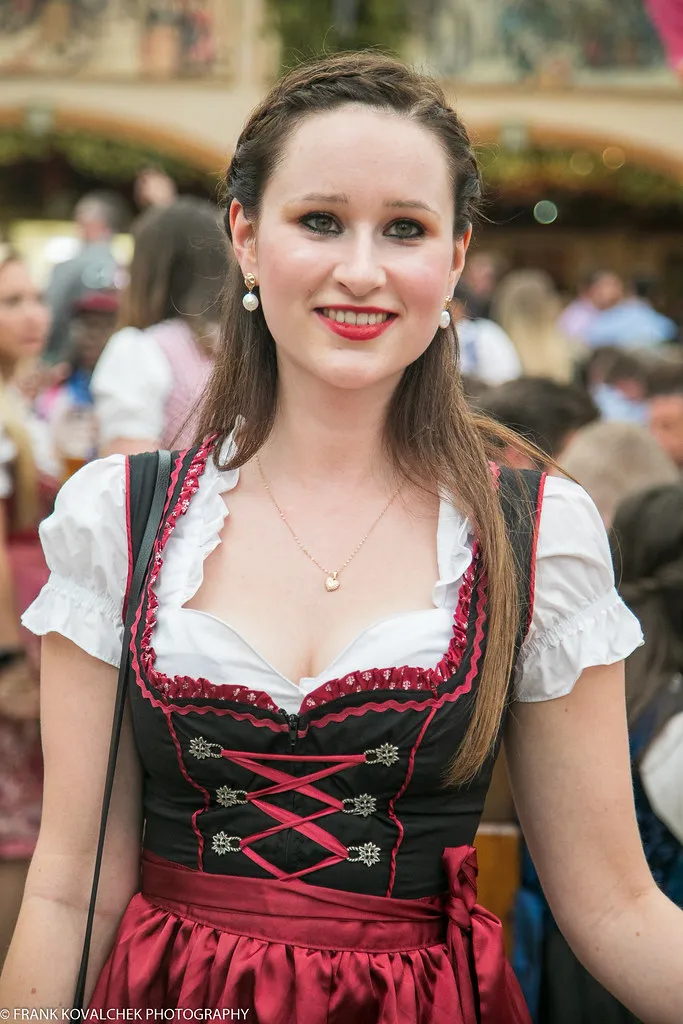
For Oktoberfest and Frühlingsfest, Dirndl or Lederhosen are common and welcome but never required. Pack waterproof layers and comfortable shoes for any outdoor festival — Munich weather shifts quickly even in summer. At Christmas markets, a warm jacket and waterproof boots are practical necessities from November onward.
Festivals in Munich by Type
Plan a trip around any of Munich's major festivals and seasonal events:
- Best Munich Christmas Markets to Visit — Christmas market
- The History Of Oktoberfest Explained Travel Guide — Tradition & history
- Oktoberfest With Kids — Oktoberfest & beer
Munich's festival calendar runs across every month and every budget, from free outdoor concerts in the Olympiapark to world-class opera at the Bavarian State Opera. The trick is matching the event to your travel window and booking accommodation well before prices rise. Whether you are planning around Oktoberfest or searching for something more local, you will find the city genuinely rewarding at any time of year.
For travelers building a broader European itinerary, Munich pairs naturally with festival cities like Vienna, Prague, Cologne, and the northern festivals and events in Hamburg, each of which has its own distinct festival calendar. Planning across cities rather than single events tends to give a richer experience and more flexible timing. Start with your preferred season, lock in the one or two must-attend events, and let the rest of the calendar fill in around them.
Free guide: Europe's Festival Calendar
A month-by-month map of Europe's unmissable festivals — with the best dates to visit each and a local tip you won't find in the guidebooks.
You might also like


Continue reading
More guides you'll find useful