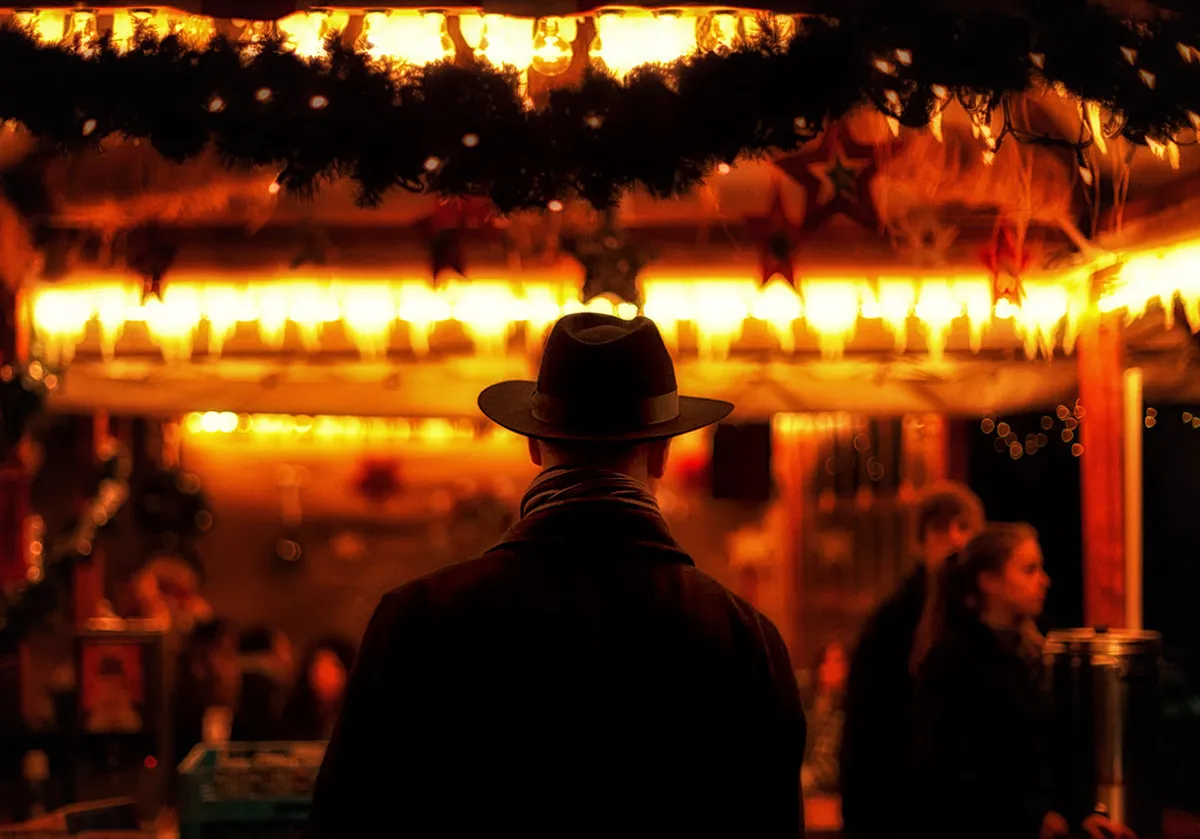
10 Things to Know About the Nuremberg Christmas Market
Plan your trip to the Nuremberg Christmas Market with 2026/2027 dates, food guides, and insider tips for the famous Christkindlesmarkt. Visit Germany today!
On this page
10 Things to Know About the Nuremberg Christmas Market
The Nuremberg Christmas market transforms the medieval city into a winter wonderland filled with the scent of roasted almonds and mulled wine.
See also: Nuremberg Christmas Market Dates.
Known locally as the Christkindlesmarkt, this event is one of the oldest and most famous holiday traditions in the entire world.
Millions of visitors travel to Bavaria each year to experience the authentic atmosphere and unique handcrafted goods found at the wooden stalls.
Planning your visit requires knowing the best times to go and which local delicacies you simply cannot afford to miss.
Free guide: Europe's Festival Calendar
A month-by-month map of Europe's unmissable festivals — with the best dates to visit each and a local tip you won't find in the guidebooks.
2026 Dates and Opening Hours for Nuremberg's Markets
The 2026 Nuremberg Christmas market runs from November 27 through December 24, giving you nearly four weeks to visit. Daily hours are 10:00 to 22:00, with a shorter close on Christmas Eve at 14:00. The market is open every single day throughout that window, including weekends when the atmosphere peaks but crowds grow considerably.
The official opening ceremony takes place on the Friday before the first Sunday of Advent, when the elected Christkind reads a traditional prologue from the balcony of the Frauenkirche. It draws enormous crowds, so plan to arrive early if you want a good vantage point. You can check the Nuremberg Christkindlesmarkt Official Site for the most current updates on events and any schedule changes closer to the season.
For 2025, the market ran from November 28 through December 24, with the same general hours. If you are planning a 2025 visit that has not yet passed, those dates apply. Most years the pattern holds: the market opens on the Friday before the first Advent Sunday and closes at 14:00 on Christmas Eve.
The Best Hotels for Exploring the Christkindlesmarkt
Finding the right accommodation is essential for enjoying the late-night atmosphere of the stalls without a long commute. The best location is within walking distance of the Hauptmarkt, which means staying in the Altstadt or just outside the medieval walls. Hotels in this zone fill up months in advance, so booking early is not optional — it is necessary.
The Sorat Hotel Saxx sits almost directly on the main market square and offers some of the most convenient access of any property in the city. Rates at this boutique hotel climb steeply during Advent, but the ability to return to your room for a warm break mid-day is worth the premium. You should consider checking where to stay for Nuremberg christmas market to find the best available lodging options for your budget and travel dates.
Travelers who prefer quieter surroundings or arrive by plane often choose the Mövenpick Nürnberg Airport Hotel, which offers modern rooms with good transport connections into the city centre. The U-Bahn ride from the airport area into the Altstadt takes around 15 minutes, making it a workable base for a two- or three-night stay. Whatever you choose, look for properties with a 24-hour front desk, as the market stays busy well into the evening and you may return late.
Must-Visit Locations: Hauptmarkt and the Sister Cities Market
The main hub of the Nuremberg Christmas market is located at the Hauptmarkt, which sits right beneath the stunning Frauenkirche. Over 160 wooden stalls with thatched or candy-stripe roofs fill the square, selling everything from gold-foil angels to intricately carved wooden ornaments. The first documented reference to a formal market in this location dates to 1628, though the tradition almost certainly predates that record.
If you want a more international experience, walk a few minutes east to the Sister Cities Market at Rathausplatz. Nuremberg hosts merchants from roughly 20 twin cities here, including stalls from Aného in Togo, San Carlos in Nicaragua, Kharkiv in Ukraine, and cities across France, Scotland, Italy, and the Czech Republic. You can sample Alpine mulled wine, Scottish hot toddies, Provençal lavender honey, and Ukrainian matryoshka figures within a single short walk.
The Sister Cities Market is notably less crowded than the main square. Lines at its Glühwein stalls are shorter than almost anywhere else on the market circuit, making it a smart stop if you want a drink without a fifteen-minute queue. It is also a genuinely different shopping experience — the goods here are things you simply cannot find at the standard stalls.
What to Eat: Original Nuremberg Grilled Sausages and Lebkuchen
No visit to the market is complete without tasting the world-famous Nuremberg Bratwurst, which holds protected geographical status. These small pork sausages, spiced with marjoram, weigh exactly 23 grams each and can only be called "Original Nuremberger" if produced within the city limits. The recipe has been documented since 1497. At the market stalls, the classic order is "Drei im Weggla" — three sausages tucked into a fresh crusty roll with mustard — and a portion typically costs around €4 to €5.
For a more formal serving, the Bratwursthäusle restaurant on Rathausplatz serves six, eight, ten, or twelve sausages on a pewter plate and is only seconds from the market entrance. Peter Lößel's Booth 1 inside the market is another respected stop for one of the oldest recipes in the city, dating back approximately 700 years.
Lebkuchen is the other essential purchase. Nuremberg has been producing this spiced gingerbread since at least the 13th century, when Franconia's position as a spice trading hub made it the natural home for the recipe. The premium variety, known as Elisenlebkuchen, uses a high nut content and very little flour. The Lebkuchen-Schmidt stand at the Christkindlesmarkt and their main store at Plobenhof 6 are among the most respected sellers. Stollen from Dresden and dampfnudel (fluffy steamed buns with vanilla custard) are also available at various stalls if you want to sample other German festive baking.
What to Drink: GERSTACKER Blueberry Glühwein and Feuerzangenbowle
While standard mulled wine is found at every stall, the GERSTACKER Blueberry Glühwein is the drink most specific to Nuremberg. The family producer GERSTACKER has been selling this blueberry variation at the Christkindlesmarkt for over 35 years and has never publicly revealed the recipe. The berry flavor reduces the tannin bitterness of red wine and produces a naturally sweeter result than most standard Glühwein — it is worth seeking out the GERSTACKER stall specifically rather than settling for the first mulled wine you find.
One detail most first-timers miss: every Glühwein stall charges a pfand, a refundable deposit, on the ceramic mug your drink is served in. Each year the market commissions a new collectible design, and all stalls use the same mug. You can move between stalls, sampling different varieties, and either return the mug at the end of the day to reclaim your deposit or keep it as a souvenir of the season. Many visitors deliberately keep theirs. The pfand amount is typically €2 to €3 on top of the drink price.
For a more dramatic drink, look for the Feuerzangenbowle Village on the riverside. Nuremberg's version claims the title of the world's largest Feuerzangenbowle cauldron, capable of holding 9,000 liters of punch. The drink mixes red wine with rum, spices, and citrus, while tongs support a flaming rum-soaked sugarloaf that drips caramelized liquid into the bowl below.
Unique Experiences: Mail Coach Rides and the Nuremberg Christkind
One of the most nostalgic ways to see the city is by boarding one of the historic yellow mail coaches. These horse-drawn carriages depart from near the Beautiful Fountain and operate daily from 13:00 to 19:00, giving riders a roughly 20-minute tour through the cobblestone streets of the old town. Tickets cost €3.50 per adult and €2 per child, making this one of the most affordable experiences on the market circuit.
Meeting the Nuremberg Christkind is another highlight with a specific schedule that most visitors do not know in advance. A young woman between 16 and 19 is elected every two years to serve as the face of the market. She wears an elaborate golden dress and crown and makes public appearances every Tuesday, Wednesday, Thursday, and Friday at precisely 15:00 throughout the Christkindlesmarkt season. Visiting on a weekend means you will miss her appearances, so plan your itinerary accordingly if this matters to you.
For elevated views of the market's candy-striped rooftops, the towers of both St. Sebald's Church and St. Lawrence Church can be climbed. The Way of Crèches along Spitalgasse links the main Christkindlesmarkt to the Kinderweihnacht and passes a row of detailed nativity scenes created by local woodworkers — it is a quieter alternative to the main square when crowds become dense.
Shopping for Traditional Crafts and the Famous Prune Men
As you browse the wooden stalls, you will inevitably notice the small figures known as Prune Men, or Zwetschgenmännle. These quirky decorations are handcrafted from dried plums and wire to represent various professions, from traditional chimney sweeps and musicians to more irreverent modern versions. According to market lore, they were invented in 18th-century Nuremberg by a wire drawer who used wire and plums from his garden tree to make Christmas gifts for his children — the original versions were eaten. Today they are sold strictly as decoration and should not be eaten, despite their appealing ingredients.
The Rauschgoldengel, or gold-foil angels, are the oldest symbol of the market, originating in the 16th century when Nuremberg was a major trading hub for metals including gold. These figures wear traditional Franconian dress and are sold alongside hand-painted ornaments, nutcrackers, and handcrafted porcelain nativity sets. When shopping for the most locally authentic goods, look for stalls bearing the official Christkindlesmarkt logo, which marks products unique to the Nuremberg market. Stall 144 is particularly noted for spiced candles, while stall 131 sells gingerbread-scented soaps.
The Handwerkerhof, or Craftsmen's Courtyard, sits just behind the historic town walls near the main train station and is a short walk from the main market. This year-round artisan district fills its cobblestoned, half-timbered space with high-quality workshops during Advent, where you can watch craftspeople producing leather goods and baking gingerbread. It is an excellent alternative shopping stop if the main stalls are too crowded, and the quality of work is generally higher than what you find on the market floor.
Family-Friendly Attractions: The Kinderweihnacht
Families traveling with children should head to the Kinderweihnacht on Hans-Sachs-Platz, a dedicated children's market located a few minutes east of the Christkindlesmarkt. This section features a mini Ferris wheel, a vintage merry-go-round, and a small steam train that travels through a miniature winter forest.
Children can participate in hands-on workshops like decorating gingerbread cookies and making candles, with daily activity schedules that include storybook readings available in English. The atmosphere here is noticeably less packed than the main square, which makes it easier for parents to navigate with strollers or keep track of younger children in a crowd.
The Winter Village on Jakobsmarkt, in the shadow of St. Elisabeth's Church, is another family stop. It features a large Christmas pyramid typical of Germany's Ore Mountain region and a Ferris wheel that offers aerial views of the surrounding market. Between the Kinderweihnacht, the Winter Village, and the main Hauptmarkt, families with full days will find the market circuit stretches well beyond a single afternoon.
Sightseeing Around Nuremberg Beyond the Markets
While the market is the main draw, you should take time to explore the historic landmarks that define the city skyline. A short uphill walk leads to the Nuremberg Imperial Castle, where you can enjoy panoramic views of the red-roofed old town and the market square below. Sunset arrives around 16:00 in December, so heading up to the castle in the early afternoon lets you catch the view in natural light before the market lights take over.
The Frauenkirche on the main square features a mechanical clock called the Männleinlaufen that performs a daily show at noon for gathered crowds, depicting the Golden Bull of 1356 with seven prince-electors circling the Emperor. The city's oldest church, St. Sebald's, dates from the 13th century and its tower is climbable for market rooftop views. Nuremberg also has over 30 museums, including the Toy Museum, which is a worthwhile stop for families visiting during the Christmas season.
Medieval city walls still encircle much of the Altstadt, and a walk along the ramparts lets you see the well-preserved towers and fortifications from a different perspective than the market floor. The Hausbrauerei Altstadthof, a local brew house in the old town, is a good place to warm up with a dark beer between sightseeing stops.
Practical Travel Tips: Crowds, Cash, and Planning Services
Cash remains essential at the Nuremberg Christmas market. Most stalls for food, drinks, and small handcrafted souvenirs only accept cash, and you will also need coins or small notes for the pfand deposit on Glühwein mugs and to tip performers. Carry enough Euros to cover a full day of eating, drinking, and shopping without hunting for an ATM in the cold. Some larger souvenir shops accept card payments, but do not count on it.
Crowds are substantially lighter on weekday mornings compared to weekend evenings, when locals join the tourist flow after work. If you can arrive at opening time on a Tuesday or Wednesday, you will have access to stalls without queuing and can complete your shopping before the afternoon rush. Evenings are worth experiencing at least once for the atmosphere created by the twinkling lights and the smell of sausages and pine, but do your shopping first.
Arrive with a plan for the day. Check the market's event schedule in advance — the Lantern Procession and other themed guided tours (some led in English, some in period costume) run throughout Advent and can be booked in advance. Bring a tote bag for purchases so your hands stay free for food and drinks. If you are planning a longer trip across Bavaria, you might compare this event with the Munich christmas market for a full picture of the regional options, or consider a german christmas markets road trip to combine Nuremberg with other nearby cities in a single winter journey.
Frequently Asked Questions
Is the Nuremberg Christmas market worth visiting?
Yes, it is widely considered the most authentic holiday market in Germany. The combination of medieval architecture, unique food like blueberry glühwein, and traditional crafts like prune men makes it a bucket-list destination for many winter travelers. You can find more details at the best christmas markets in germany guide.
When does the Nuremberg Christmas market open?
The market typically opens on the Friday before the first Sunday of Advent, which falls on November 28 in 2025. It remains open daily until December 24, though hours are reduced on Christmas Eve. Most stalls operate from 10am to 9pm throughout the season.
What is the best food at the Nuremberg market?
The two must-try items are the original Nuremberg Bratwurst and the Elisenlebkuchen gingerbread. The sausages are small and spiced with marjoram, usually served three in a bun. The gingerbread is unique because it uses a high nut content and very little flour.
Visiting the Nuremberg Christmas market is a magical experience that offers a deep look into German holiday traditions and history.
From the spicy aroma of Lebkuchen to the sight of the historic mail coach, every corner of the city feels festive.
If you want to see more of the region, consider a german christmas markets road trip to visit other nearby cities.
Start planning your winter getaway today to ensure you secure the best hotel and travel arrangements for the 2026 season.
Free guide: Europe's Festival Calendar
A month-by-month map of Europe's unmissable festivals — with the best dates to visit each and a local tip you won't find in the guidebooks.
You might also like


Continue reading
More guides you'll find useful