Oktoberfest Guide for First Timers: 12 Essential Tips & Insights
Master the 191st Munich Oktoberfest with our first-timer's guide. Learn about free admission, tent reservations, what to wear, and how to save on transport.
On this page
Munich Oktoberfest Guide for First Timers: 12 Essential Tips
Planning your first trip to the world's largest folk festival can feel overwhelming and exciting. The 191st Munich Oktoberfest in 2026 promises a massive celebration of Bavarian culture and tradition. You will find giant beer tents, thrilling carnival rides, and delicious local food across the grounds.
Many visitors worry about finding seats or understanding the complex social rules of the tents. This comprehensive oktoberfest guide for first timers covers everything you need for a smooth visit. We will explore transport hacks, dress codes, and how to navigate the crowds effectively.
Success at the festival requires a mix of early planning and local knowledge. Understanding the difference between a reservation and general admission is the first step to a great time. Let us dive into the essential details to make your Munich adventure unforgettable.
Free guide: Europe's Festival Calendar
A month-by-month map of Europe's unmissable festivals — with the best dates to visit each and a local tip you won't find in the guidebooks.
What is Oktoberfest?
The festival began in 1810 to celebrate the marriage of Prince Ludwig and Princess Therese. Citizens were invited to join the festivities on the fields in front of the city gates. These fields were named Theresienwiese in honor of the bride, which remains the festival site today.
What started as a simple horse race evolved into a global phenomenon over two centuries. Modern celebrations now feature massive beer tents hosted by Munich's six primary breweries. You can learn more about the Insider's Guide to Oktoberfest to understand the deep cultural roots.
While beer is a central focus, the event is technically a 'Volksfest' or people's festival. This means you will find a huge fairground with roller coasters and family-friendly attractions. It remains a proud display of Bavarian heritage that attracts millions of visitors every year.
The 191st edition in 2026 will continue these long-standing traditions with modern flair. Most locals attend in full traditional costume to honor their history and community spirit. Visiting during this time offers a unique window into the heart of German culture.
Admission and Reservations
One of the biggest myths is that you need a ticket to enter the festival grounds. Admission to the Munich Oktoberfest is completely free for every visitor throughout the event. You can walk through the gates and explore the fairgrounds without spending a single Euro.
Entering a beer tent is also free, but finding a seat is the real challenge. You should understand that oktoberfest tent reservations explained simply mean pre-paying for food and beer vouchers. Most tents reserve their tables months in advance for large groups and corporate events.
If you do not have a reservation, you must arrive very early to secure a spot. Weekdays are much easier for walk-ins compared to the chaotic weekend rushes. Aim to be at the tent doors by 10:00 AM on Saturdays to have any chance at a table.
The 'No Standing' rule is a critical detail that many first-timers often miss. In almost every large tent, servers will not bring you beer unless you are seated at a table. This rule keeps the aisles clear for safety and ensures a manageable flow of service.
How to Get to Theresienwiese
Navigating Munich during the festival is easiest when you use the extensive public transit network. The S-Bahn and U-Bahn systems provide frequent service directly to the festival area. Most travelers find that taking the S-Bahn to the Hackerbrücke station is the most efficient route.
From Hackerbrücke, you will join a massive crowd for a pleasant ten-minute walk to the entrance. Following the sea of Lederhosen and Dirndls makes it nearly impossible to get lost. Check this Oktoberfest Tips and Cheatsheet for more specific navigation advice.
Groups can save a significant amount of money by using the 18-euro group day ticket. This pass allows up to five adults to ride all local transport for a full day. It is much cheaper than buying individual tickets for everyone in your party.
Avoid taking taxis or ride-shares directly to the festival gates during peak hours. Traffic around the Theresienwiese becomes extremely congested, and many roads are closed to private vehicles. Walking from the Munich Central Station is often faster than trying to drive.
Where to Stay in Munich for Oktoberfest
Accommodation books out months in advance during the festival window, which runs from mid-September through the first weekend of October. If you decide to go in 2026, start searching for hotels in January or February at the latest. Prices across the city rise sharply, and rooms within walking distance of the Theresienwiese sell out first.
Staying close to an S-Bahn or U-Bahn stop is more practical than staying near the grounds themselves. A hotel near a direct line to Hackerbrücke lets you arrive in ten minutes and leave whenever you like without depending on expensive taxis. The areas around Moosach, Pasing, and Schwabing offer decent room rates while keeping you well-connected.
If you are on a budget, consider staying slightly outside the city center and relying on the group transit ticket. Three people splitting an 18-euro group day pass over two days each spend just 12 euros total on transport. That trade-off often pays for an extra liter of beer per person per day. Check our guide at where to stay for oktoberfest for neighborhood-by-neighborhood advice and price ranges.
What to Wear: Lederhosen and Dirndls
Dressing in traditional Bavarian Trachten is not required, but it certainly enhances the experience. Most visitors choose to wear what to wear to oktoberfest to feel part of the festive atmosphere. Men typically wear leather trousers known as Lederhosen paired with checkered shirts.
Women wear the Dirndl, which consists of a bodice, blouse, and a colorful apron. Pay close attention to where you tie the bow on your apron strings. A bow on the left means you are single, while the right side means you are taken — a tradition that locals take seriously and that makes for easy conversation at the table.
Footwear is perhaps the most practical consideration for your entire festival outfit. You will be walking long distances and standing on wooden benches for several hours. Avoid wearing sandals or open-toed shoes to protect your feet from spilled beer and heavy crowds.
Quality outfits can be expensive, so many tourists buy affordable versions at local department stores. Look for shops near the main train station for a wide variety of styles and prices. Authentic leather and silk will last for years if you plan to return in the future.
The Tents: Finding the Right Personality
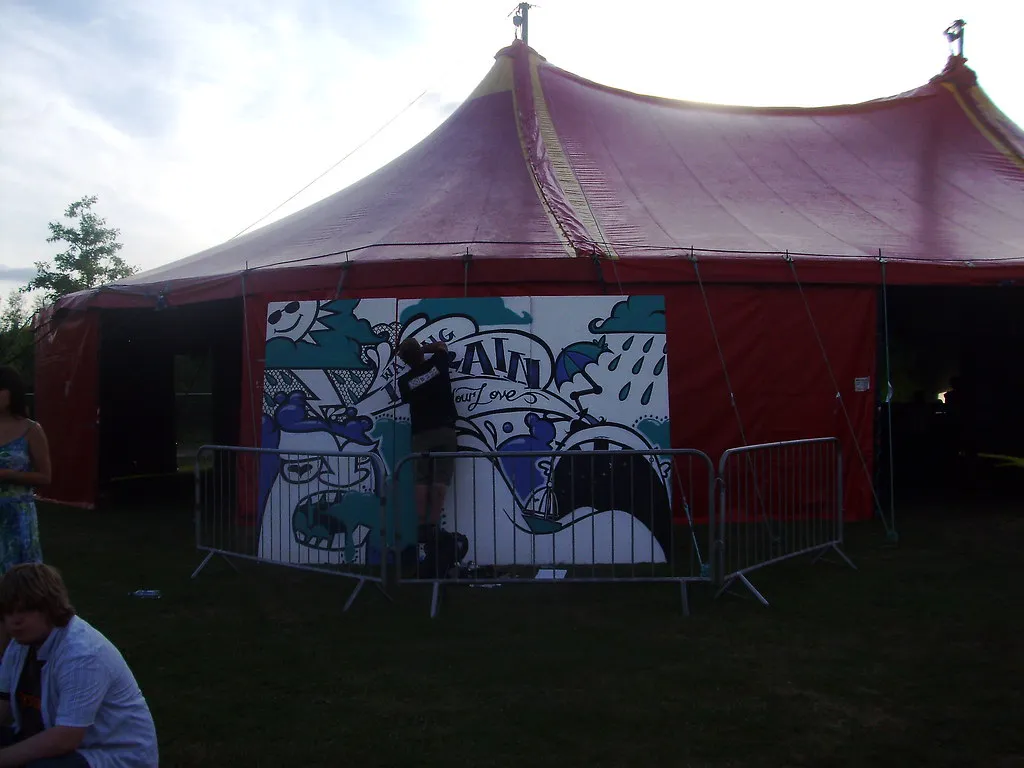
Each of the fourteen large tents offers a distinct atmosphere and crowd dynamic. The Augustiner tent is famous for its traditional feel and local Munich regulars. It is often considered the most authentic choice for those seeking a classic experience.
If you want a high-energy party with international tourists, the Hofbräu-Festzelt is the place to be. This tent features a large standing area and a very lively musical program. You can hear Most Popular Oktoberfest Songs being belted out by thousands of people here.
The Kafer Wies'n-Schänke tent offers a more upscale experience with gourmet food options. A key strategy for night owls is that Kafer stays open until 12:30 AM. Most other large tents stop serving beer and music around 10:30 PM each night.
Smaller tents are excellent options if you want a quieter meal or a shorter wait. These venues often specialize in specific foods like roasted duck or traditional pastries. They provide a welcome break from the intense energy of the massive beer halls.
- Augustiner-Festhalle for tradition
- Vibe: Local and authentic
- Beer: Served from wooden barrels
- Crowd: Mostly Munich locals
- Best for: Traditional atmosphere
- Hofbräu-Festzelt for parties
- Vibe: High energy and loud
- Specialty: Large standing area
- Crowd: International tourists
- Best for: Singing and dancing
- Schottenhamel for the opening
- Vibe: Youthful and historic
- Event: Official tapping ceremony
- Crowd: Younger demographic
- Best for: Seeing the mayor
- Käfer Wies'n-Schänke for late nights
- Vibe: Upscale and cozy
- Hours: Open until 12:30 AM
- Crowd: Celebrities and foodies
- Best for: Late-night drinks
Food and Beer: What to Order
Each tent pours the beer of one specific Munich brewery, so the choice of tent also determines which beer you drink. Oktoberfest beer must be brewed within the Munich city limits using Bavarian water, which gives every liter a clean, malt-forward character. When you sit down, your server will bring you whatever that tent's brewery produces — there is no beer menu to choose from.
A full liter stein is called a "Mass" (pronounced like "mas" in Spanish, not like the church service). Order it simply by asking for "eine Mass, bitte." Half-liters are available but rare in the large tents — most visitors quickly adjust to the full liter format.
On the food side, the half roasted chicken (Hendl) is the single most popular dish and costs around 16 to 20 euros inside the tents. A pair of grilled pork sausages with sweet mustard and a pretzel makes an affordable lighter option. Our full breakdown of dishes and stall prices is in the oktoberfest food and beer guide.
Most servers expect you to order food when you order beer, particularly during busy periods. Sharing a single dish between two people sometimes works on quieter weekdays but expect pushback on a packed Saturday. Budget roughly 35 to 50 euros per person for a solid afternoon of beer, a main dish, and some snacks.
How Much Does it Cost?
Budgeting for the festival is important because prices for food and drink rise annually. In 2026, expect to pay between 15 and 16 Euros for a single liter of beer. Remember that you should also provide a small tip to your server for each round.
While many places are starting to accept cards, cash is still the king of the festival. Carrying small bills will make transactions with your server much faster and easier. ATMs are available on the grounds, but they often have very long lines and high fees — use a bank ATM in the city the day before instead.
Carnival rides and games usually cost between 5 and 12 Euros per person. If you are traveling with a family, these costs can add up very quickly throughout the day. Setting a daily cash limit helps you manage your spending without any surprises.
One expense many guides skip: the restroom attendants. Public toilets at the festival and throughout Munich typically have a 1-euro coin fee collected at the door. Carry a handful of 1 and 2-euro coins separately from your main cash — running out of coins while needing the bathroom after three Mass is not a situation you want to negotiate.

Timing Your Visit: Weekdays vs. Weekends
The single biggest factor in your experience is which day of the week you attend. Saturdays are the most chaotic — tents fill to capacity by mid-morning and security closes the doors to control overcrowding. If you arrive after noon on a Saturday without a reservation, finding a seat is genuinely difficult.
Tuesdays are generally the least crowded days and are often designated as Family Days, with discounted ride prices across the fairground. The first Monday and Wednesday of the festival also tend to be quieter than any weekend. Visiting on these days makes it far easier to walk in, find a waitress, and secure a table within the first thirty minutes.
If a weekend visit is unavoidable, aim to be standing at the tent entrance by 09:00. The doors open at 10:00 on Saturdays, and serious walk-in seekers queue well before that. Once you have a table, stay put and order regularly — your seat is yours until a reservation block starts, which servers will warn you about in advance.
The opening day (Saturday) and the final weekend in early October are the most crowded periods of the entire two-week run. The quietest stretch is typically the second Tuesday through Thursday of the festival, after the initial excitement settles. Planning around those midweek days is the most reliable way to experience the festival without the extreme crowds.
Essential Etiquette: The 'Do's and Don'ts'
Learning the local customs will help you avoid awkward situations with the security staff. One common tradition involves putting one foot on the table to signal a chugging attempt. Be warned that the entire tent will watch you, and you must finish the liter.
Failure to finish your beer after standing on the bench may result in some friendly booing. However, you should never stand on the table itself with both feet. Security will quickly escort you out of the tent for violating this safety rule.
Stealing the heavy glass beer steins is a tempting but very risky idea. Security guards check bags at every exit and will fine you for attempted theft. You can buy souvenir mugs at official stands if you want a keepsake from your trip.
Respecting your server is the most important rule for a successful day in the tent. They work incredibly hard carrying dozens of heavy mugs through dense and rowdy crowds. A generous tip on the first round usually ensures they return to your table more often.
Safety and Practical Tips for First Timers
The festival draws six million or more visitors across two weeks, which means pickpocketing is a genuine risk in the crowded tent aisles. Keep your cash and phone in a front pocket or a small crossbody bag. Do not leave valuables unattended on the table, especially after your third beer has shifted your attention elsewhere.
Weather in Munich during late September can swing from 28°C sunshine to cold rain within a single day. Bring a light waterproof layer that fits under your Dirndl or alongside your Lederhosen jacket. A collapsible umbrella stored in your bag keeps your outfit dry on the walk back to the S-Bahn.
Pacing your drinking matters more than most first-timers expect. Oktoberfest beer is typically 5.8 to 6.3% ABV, and a full Mass is a liter — equivalent to roughly two and a half standard drinks. Eating a solid meal before your first beer and continuing to order food throughout the afternoon is the most effective way to avoid an early exit.
One quirky thing you may notice inside the tents: vendors occasionally walk through selling small packets of white powder that they hold under their nose. This is Schneeberger, a traditional flavored tobacco snuff that has been sold at the festival for generations. It is not what it looks like — but knowing about it in advance spares you a moment of confusion.
Frequently Asked Questions
Is Oktoberfest still cash only?
While many large tents now accept credit cards for reservations, cash remains essential for walk-ins. You will need physical Euros to pay your server directly at the table. Having cash also makes buying snacks from small outdoor stalls much faster. Check the food and beer guide for more payment tips.
How early should I line up for Oktoberfest?
On weekends, you should arrive at the tent doors by 9:00 AM to secure a non-reserved seat. Weekdays are more relaxed, but arriving by noon is still recommended for large groups. If a tent is full, security will close the doors until enough people leave.
What is the least crowded day at Oktoberfest?
Tuesdays are generally the least crowded days and are often designated as 'Family Days' with discounted rides. The first Monday and Wednesday of the festival also tend to be quieter than the weekends. Visiting during these times makes it much easier to find a table without a reservation.
Related in Germany: Best Tips and Markets for Christmas in Germany.
Attending the Munich Oktoberfest is a bucket-list experience that rewards those who prepare in advance. By understanding the transport hacks and tent etiquette, you can focus on enjoying the vibrant atmosphere. Remember to dress the part and arrive early to make the most of your visit.
Whether you are there for the world-class beer or the traditional music, the festival offers something for everyone. We hope this is oktoberfest worth it guide helps you navigate the 191st celebration with confidence. Raise your glass, sing along with the crowd, and enjoy the magic of Bavaria.
Explore More Festival Guides
Keep planning with our other in-depth festival guides across Europe.
- 8 Best Beer Festivals in Germany Beyond Oktoberfest
- 10 Essential Tips for Getting to Oktoberfest
- Is Oktoberfest Worth It? 9 Things to Know Before You Go
- 11 Essential Oktoberfest Dates and Opening Times for 2026
- Oktoberfest Food and Beer Guide
- Oktoberfest Tent Reservations Explained
- Oktoberfest With Kids
- 11 Essential Tips
- What To Wear To Oktoberfest
- Where to Stay for Oktoberfest
Free guide: Europe's Festival Calendar
A month-by-month map of Europe's unmissable festivals — with the best dates to visit each and a local tip you won't find in the guidebooks.
You might also like


Continue reading
More guides you'll find useful