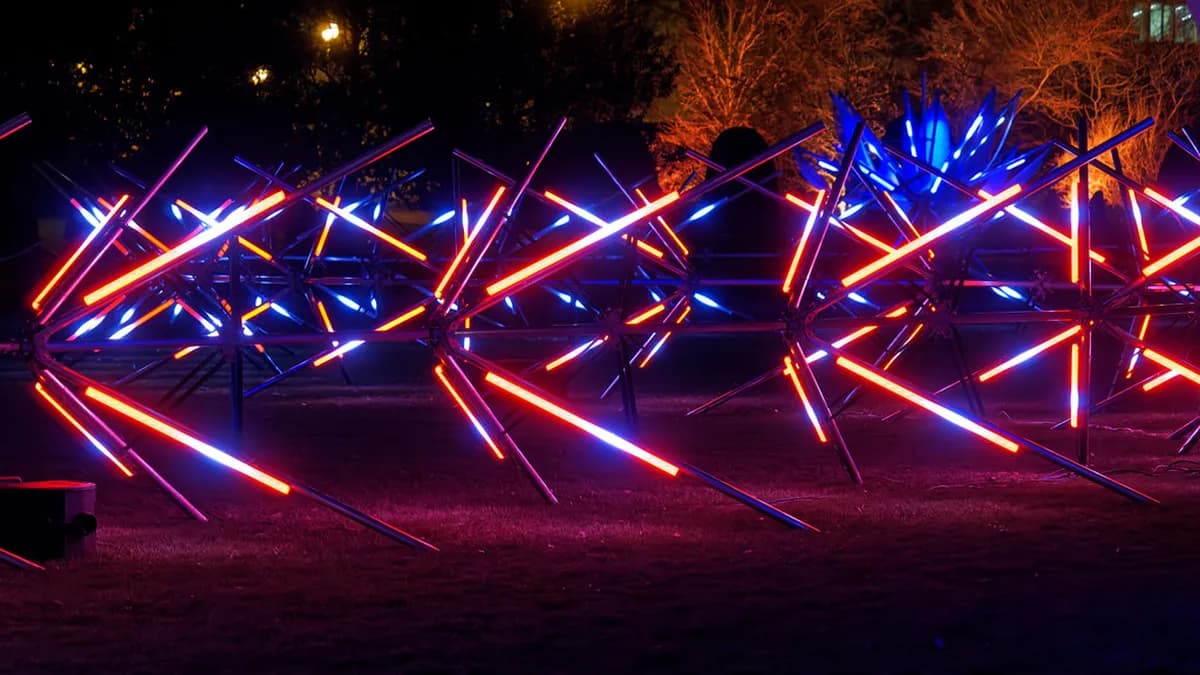
12 Best Light Festivals in Europe (2026) Travel Guide
Plan the best light festivals in Europe with our 2026 guide. Discover top picks like Lyon and Amsterdam plus practical train and currency tips.
On this page
12 Best Light Festivals in Europe
Last updated May 2026. European winters are long and dark — but these festivals turn city streets into open-air light galleries. We have tracked these events across the continent for several seasons to bring you the most current and practical information for your 2026 trip. From the illuminated canals of Amsterdam to the explosive snowman ceremony in Zurich, each event on this list earns its place through visual impact, accessibility, and genuine cultural depth.
Planning around these events means more than packing a warm coat. Dates shift by a few days each year, accommodation fills up weeks in advance in smaller cities like Durham and Lyon, and some festivals run on biennial schedules. Check the official event website for confirmed 2026 dates before booking non-refundable transport. This guide covers the best events by season, the practical logistics for getting there by train, and the currency and timing details you need on arrival.
Free guide: Europe's Festival Calendar
A month-by-month map of Europe's unmissable festivals — with the best dates to visit each and a local tip you won't find in the guidebooks.
Amsterdam Light Festival
The Amsterdam Light Festival runs from late November through mid-January each year along the city's UNESCO-listed canal ring. Dozens of illuminated sculptures sit on the water and along the banks, designed by artists from across the world. Our Amsterdam Light Festival guide recommends booking a boat tour well in advance — heated covered boats sell out on weekends. Walking the full route is free, while boat tours typically cost between €26 and €35 per adult depending on duration.
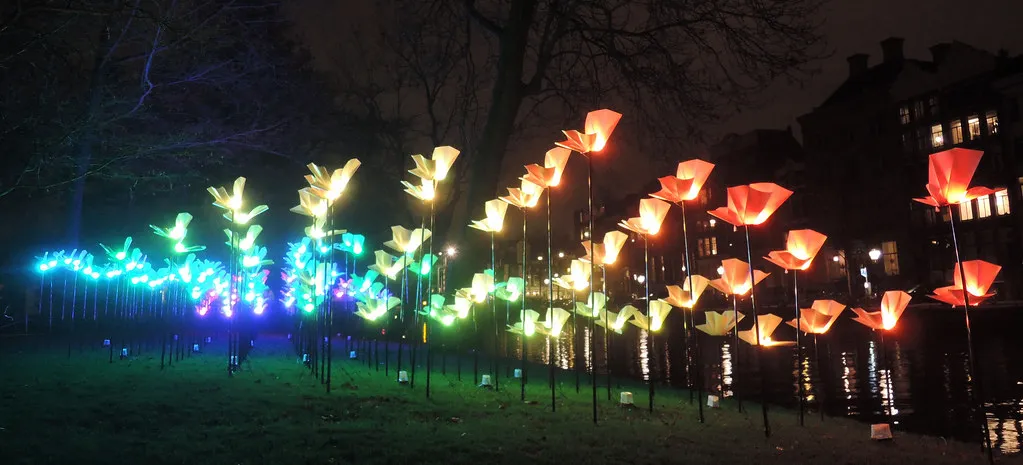
The lights activate each evening at around 17:00 and stay on until 23:00. Arriving by 17:30 on a weekday gives you the best combination of smaller crowds and maximum viewing time. Skip the premium all-inclusive boat packages — a standard open-top or heated canal boat offers a cleaner viewing experience without the distraction of mediocre catering. By train, you can reach Amsterdam Centraal directly from Schiphol Airport in 15 minutes on any NS service with no reservation required. From Rotterdam, buy the Intercity Direct supplement before boarding (journey: 45 minutes).
Fête des Lumières | Lyon, France (December)
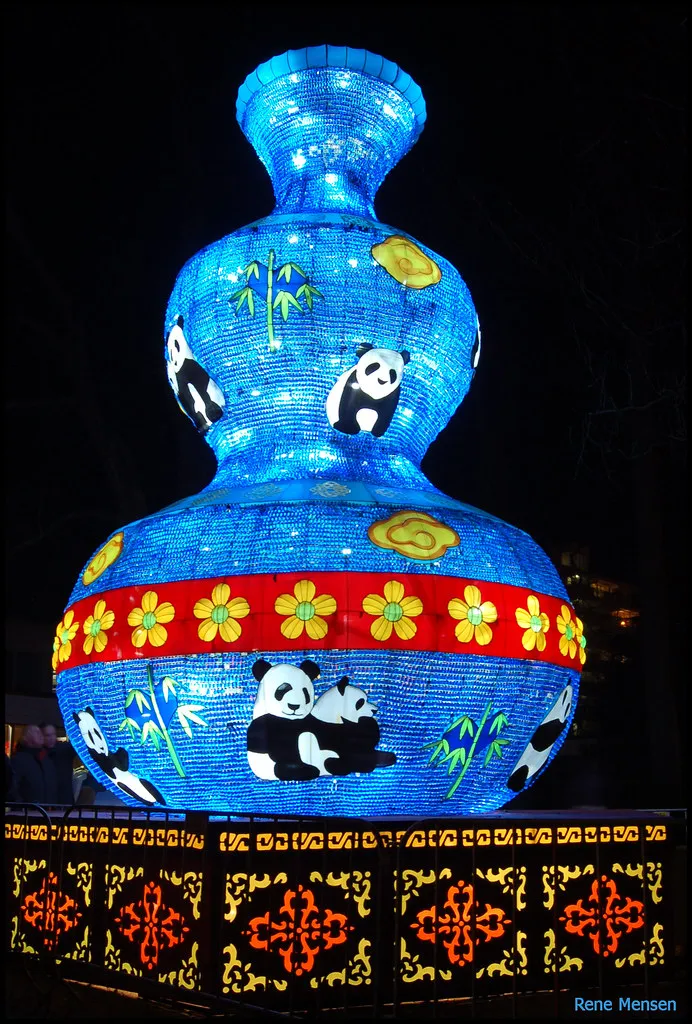
Lyon's Festival of Lights is the most historically grounded event on this list — and the most misunderstood. It is not a Christmas market or a seasonal decoration scheme. The tradition dates to 1643, when plague swept through the city. The people of Lyon prayed to the Virgin Mary, and when the epidemic passed, they lit candles in every window as an act of gratitude. After 209 years of that private tradition, the city planned a formal statue unveiling — a storm cancelled the ceremony, but thousands of Lyonnais spontaneously lit their windows again. That defiant gesture became the modern festival.
Today, four million visitors come to Lyon each December for four days surrounding December 8. Spectacular video projections cover the facades of the Basilica of Fourvière, Place des Terreaux, and dozens of other buildings across the city. Most major installations are free. The city center becomes pedestrian-only, so wear comfortable shoes. By high-speed TGV from Paris, the journey takes two hours with a seat reservation required. A slower but scenic TER regional train from Paris also runs without reservation if you hold an Interrail or Eurail pass.
Festival of Lights, Berlin, Germany
Berlin's Festival of Lights takes place over ten nights each October, transforming the Brandenburg Gate, the Berlin Cathedral, and Potsdamer Platz into large-format video mapping canvases. The event is entirely free to the public. Projections run from 19:00 to midnight, with some smaller installations switching off earlier around 22:00. The Potsdamer Platz hub offers the highest density of artworks within a short walking radius, making it the most efficient area to start. Our Berlin Festival of Lights guide maps out the most efficient walking route from U-Bahn Brandenburger Tor toward Alexanderplatz.
October is shoulder season in Berlin, which means hotel rates are more reasonable than December events in other cities. The temperature averages 10–14°C in mid-October, cold enough for a jacket but manageable for extended outdoor walking. If you are connecting from Amsterdam or Lyon, Berlin is well-served by overnight trains from several major hubs.
Bonfire Night | Great Britain (November 5)
Bonfire Night is Britain's most widespread fire-and-light tradition, held every year on November 5. The occasion commemorates the failure of the Gunpowder Plot of 1605, when a group of Catholic conspirators including Guy Fawkes attempted to blow up the Houses of Parliament with 36 barrels of gunpowder and assassinate King James I. They were caught. Ever since, effigies of Fawkes have been burned on bonfires across the country, accompanied by firework displays.
Community displays in local parks are often free or charge a small entry fee between £5 and £15. For the most intense version of the event, Lewes in East Sussex hosts the UK's most elaborate celebration — multiple bonfire societies carry torches through the streets before lighting enormous pyres. It is a raw, community-led spectacle unlike anything found at a city light art festival. The event happens on November 5 annually, with some smaller displays moved to the nearest weekend.
Tschäggättu | Lötschental Valley, Switzerland (January)
The Tschäggättu is not a light festival in the conventional sense — it is an ancient Alpine carnival tradition that happens to take place in near-total darkness. Between Candlemas and Shrove Tuesday (the day before Ash Wednesday), masked figures in furry costumes and hand-carved wooden masks roam the villages of the Lötschental valley after dark. Their purpose is simple: to frighten anyone they find. They can chase you down the street, steal your hat, or knock you to the ground. It is very much not for the fainthearted.
Attending is free, though you will pay for mountain transport to reach the valley. Take the train to Gampel-Steg station — no reservation needed from Bern or Geneva — then a local bus to the village of Kippel. Staying overnight in Wiler or Kippel lets you experience the eerie atmosphere once the day visitors have gone home. The main procession takes place on a Thursday evening before Ash Wednesday.
Liichtmëssdag | Luxembourg (February)
Every February 2, children across Luxembourg carry handmade lanterns through neighborhood streets while singing traditional songs to chase away evil spirits. The tradition marks Candlemas Day — the feast of light — and feels like Halloween recast as a gentle, community-centered procession. There is no entry fee; the event happens organically in residential neighborhoods and villages across the country.
Luxembourg City's historic Grund district offers the most photogenic setting, with the lantern light reflecting off old stone walls and bridges. Visitors are welcome to join in with their own lantern. The procession typically starts just after sunset, when children finish school in the early evening. Luxembourg is easily reached from Brussels, Frankfurt, or Paris without a seat reservation on most rail services.
Northern Lights | Norway (March)
Norway's northern lights are a different proposition from every other event on this list: no organizer, no schedule, no guaranteed show. March is one of the best months to witness the Aurora Borealis because the midwinter cold has eased slightly while the nights are still long enough for reliable darkness. The aurora's Finnish name, revontulet, translates as "fox fires" — a reference to the old belief that a mythical arctic fox ran across the sky, its tail sparking against the mountain ridges.
To see the aurora clearly, you need to be north of the Arctic Circle. Tromsø is the most accessible base, and its Northern Lights Festival in late January combines ticketed music concerts with the natural light show. The full train journey from Oslo to Narvik takes approximately 30 hours with three connections through Gothenburg, Stockholm, and Boden. A Global Interrail Pass plus multiple seat reservations is needed for this route. Book all seat reservations before you travel, as Scandinavian trains can fill up weeks in advance during winter.
Spring Festival | Zurich, Switzerland (April)
The Sechseläuten takes place on the third Monday of April each year in Zurich. At 18:00 precisely, guild members in historical costumes parade through the city center, and a 30-foot bonfire is lit in Sechseläutenplatz with a giant snowman effigy — called the Böögg — mounted on top. The snowman is packed with explosives. The faster it explodes, local tradition holds, the better the coming summer will be. In 2026 the date falls in mid-April; confirm the exact date on the official Zurich tourism website.
The parade and burning ceremony are free to watch from public areas around the square. Arrive at least two hours before 18:00 for a clear view of the snowman. By train, Zurich is reachable from Geneva in three hours, from Interlaken in two hours, and from Bern in one hour — all without a seat reservation using an Interrail or Eurail pass. No supplement is needed on any of these routes.
Nobel Week Lights in Stockholm
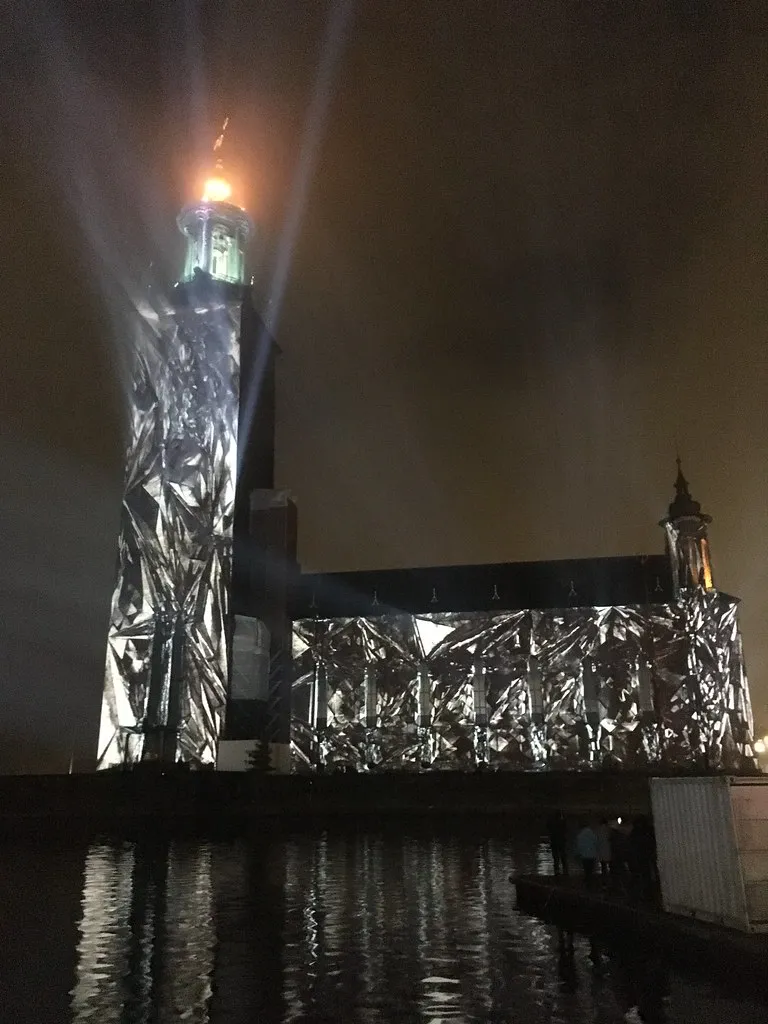
Stockholm's Nobel Week Lights festival runs for one week in early December, timed to coincide with the Nobel Prize award ceremonies. Illuminated artworks across the city take their themes from the year's prize winners — so the installations change entirely each year based on the disciplines and laureates honored. The art is scattered across central Stockholm, making use of the city's waterfront and historic Gamla Stan alleyways.
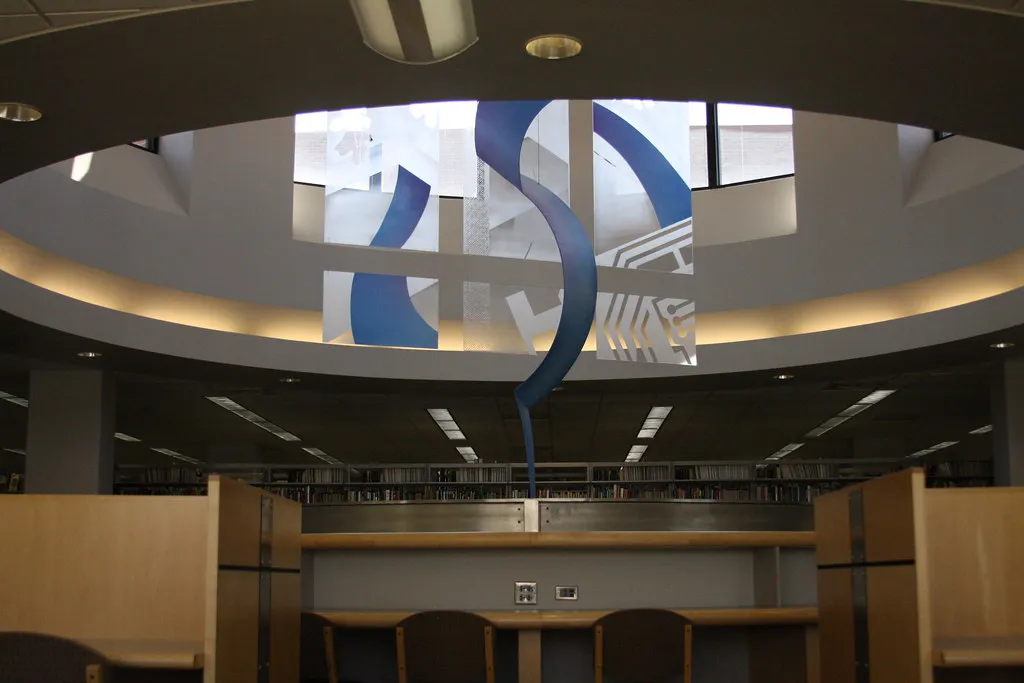
All outdoor installations are free. The official app reveals hidden pieces tucked into narrow streets that most visitors miss entirely. Stockholm sunsets in early December happen before 15:00, giving you up to eight hours of evening darkness to explore at a relaxed pace. The city is well-connected by Scandinavian rail, though book accommodation early as Nobel Week brings significant demand across the city's hotels.
Location Settings: Darkness and Viewing Windows
Sunset times vary dramatically across Europe in winter and directly affect how long you have to see the lights each evening. In Tromsø above the Arctic Circle, the sun does not rise above the horizon at all during January — the polar night gives you near-total darkness from around 11:00. In Stockholm in December, sunset falls before 15:00, offering up to eight hours of dark viewing time. In Lyon and Berlin, winter sunsets happen between 16:30 and 17:00, meaning most festivals activate their displays at 17:00 to 17:30 and run until 23:00 or midnight.
Plan your evening meals and rest stops around the activation times. Arriving at a light festival ten minutes after the lights come on means entering at peak crowd density. For the Amsterdam canals or Berlin landmarks, arrive at the outer edges of the route at activation time and work inward toward the main hubs — you will see everything with fewer crowds pushing from behind. For cultural traditions like Tschäggättu or Bonfire Night, the event starts at a fixed community time and cannot be scheduled around; simply arrive early and wait in a good position.
Change of Currency
Most destinations on this list use the Euro: France, Netherlands, Luxembourg, and Germany all accept EUR everywhere. The major exceptions are Switzerland and the United Kingdom. Switzerland uses the Swiss Franc (CHF); as of mid-2026, one euro buys approximately 0.95 CHF, so the conversion is close to 1:1. British prices are in Pounds Sterling (GBP). Card payments are accepted almost universally at festival venues in all six countries, but small cash purchases — street food, rural bus fares near Lötschental, village candy during Liichtmëssdag — benefit from having a few coins or small notes in local currency.
A travel-friendly card with no foreign transaction fees handles Euro-to-CHF and Euro-to-GBP conversions automatically at mid-market rates. If you are building a multi-festival rail route across several countries, check your card's currency conversion policy before departure. ATMs at major train stations in all six countries dispense local currency on arrival with no need to pre-order at a bureau de change.
Which Festival Suits You Best
No competitor guide addresses the key decision: not all of these festivals serve the same kind of traveler. If you want a professional light art experience with global-standard installations and easy urban logistics, choose Amsterdam, Berlin, or Copenhagen. These three events draw international light artists, offer free outdoor access, and sit in cities with dense accommodation options. They are best for first-time visitors who want a polished, predictable event.
If you want cultural depth and smaller crowds, Liichtmëssdag in Luxembourg and Tschäggättu in the Lötschental valley are in a different category. Both are community traditions that predate the modern "light festival" concept by centuries. Neither requires a ticket, and neither draws the same scale of international tourists. The trade-off is logistical effort — especially reaching Lötschental — and the fact that neither is primarily a visual spectacle in the contemporary art sense. For families with children, Liichtmëssdag is the most accessible and genuinely joyful option on this list. For solo travelers or couples willing to go off the beaten track, Tschäggättu is the most memorable.
If natural phenomena interest you more than curated installations, the Norwegian Northern Lights require the longest and most expensive journey but deliver something no human festival can replicate. Tromsø in late January or Narvik in March are the most reliable bases. Allow at least three nights to improve your odds of a clear viewing evening.
How to Travel Between Festivals by Train
The most efficient way to combine multiple festivals is by building a rail route. Amsterdam to Lyon is achievable in a day via Paris with a high-speed Thalys or Eurostar connection and then the TGV south — the Paris-to-Lyon leg takes two hours with a seat reservation. Berlin connects to Amsterdam via direct ICE trains in roughly six hours. For routes that include Zurich, trains run from Geneva in three hours, Interlaken in two, and Bern in one — all without reservations if you hold a Eurail or Interrail pass.
We recommend checking if Ghent's light festival is active during your travel window — it runs on a biennial schedule and is the easiest add-on from Amsterdam or Brussels. For the Oslo-to-Narvik route to see the northern lights, budget 30 hours each way with connections through Gothenburg, Stockholm, and Boden. That route demands a Global rail pass and multiple advance seat reservations on each segment. Always verify reservation requirements for each specific train before you travel; requirements differ between Thalys, TGV, ICE, and regional trains.
Frequently Asked Questions
What is the best festival of lights in the world?
While subjective, the Fête des Lumières in Lyon is widely considered the most prestigious due to its long history and scale. It attracts millions of visitors annually and features cutting-edge technology mixed with local traditions. Amsterdam and Berlin are also top-tier contenders for the title.
Are light festivals in Europe free to attend?
Most major European light festivals, such as those in Berlin and Stockholm, are free to the public. However, some events like the Amsterdam Light Festival charge for boat tours. Always check if specific zones or indoor exhibits require a ticket before you arrive.
When is the best time to see light festivals in Europe?
The peak season for light festivals is between November and February when the nights are longest. Lyon and Amsterdam host their events in December, while Copenhagen and Tromsø peak in February. October and April also host unique events in Berlin and Zurich.
Visiting Europe for more than one festival? See our complete guide to festivals and events in Europe.
Europe's light festivals offer a genuine reason to travel in the darkest months. By combining a major city spectacle with a smaller cultural tradition — or adding a natural phenomenon like the Norwegian aurora — you can build a winter itinerary that covers art, history, and landscape in one trip. Book transport and accommodation early, confirm 2026 dates on each official event website, and use a no-fee travel card to manage the currency shifts between EUR, CHF, and GBP. For more detail on individual events, our cluster of dedicated festival guides below covers each destination in depth.
Explore More Light Festival Guides
Keep planning with our other in-depth festival guides across Europe.
- Amsterdam Light Festival Guide 2026
- Berlin Festival of Lights Guide
- Durham Lumiere Guide Travel Guide
- 10 Essential Tips for the Eindhoven GLOW Guide
- 6 Essential Tips for Your Ghent Light Festival Guide
- Is Amsterdam Light Festival Worth It? 2026 Review Guide
- Is Berlin Festival Of Lights Worth It Travel Guide
- Is Durham Lumiere Worth It? 2026 Festival Review Guide
- Is Eindhoven GLOW Worth It? 2026 Honest Review & Guide
- Is Ghent Light Festival Worth It? 2026 Travel Guide
- Is Lyon Festival Of Lights Worth It Travel Guide
- Lyon Festival Of Lights Guide Travel Guide
Free guide: Europe's Festival Calendar
A month-by-month map of Europe's unmissable festivals — with the best dates to visit each and a local tip you won't find in the guidebooks.
You might also like


Continue reading
More guides you'll find useful


