10 Best Pride Festivals In Europe (2026)
Amsterdam hosts WorldPride and EuroPride July 25 to August 8, 2026, plus free parades in Madrid, Berlin, and Brighton. Parties run 20 to 80 euros.
On this page
10 Best Pride Festivals In Europe
Our editors have reviewed every major European Pride event to bring you the definitive guide to the 2026 season. Last updated June 2026, this list reflects the latest safety updates and confirmed event schedules across the continent. We have tracked these circuits for years to ensure our recommendations help you find the perfect celebration. Whether you seek massive street parties or intimate cultural workshops, Europe offers a diverse range of inclusive experiences.
The 2026 Gay Prides in Europe calendar promises to be one of the most vibrant in recent history, headlined by the historic double-billing of WorldPride and EuroPride in Amsterdam this August. Major cities are expanding their programming to include more intersectional events and sustainable festival practices. Planning ahead is essential as flight prices and hotel availability tighten months before the summer peak. We recommend focusing on cities that offer a mix of historical significance and modern activism.
Free guide: Europe's Festival Calendar
A month-by-month map of Europe's unmissable festivals — with the best dates to visit each and a local tip you won't find in the guidebooks.
10 Must-See Pride Attractions in Europe
The best pride festivals in Europe range from massive capital city parades to coastal community gatherings. Each event has a distinct personality shaped by local history and the current political climate of the region. We have selected these ten based on their scale, inclusivity, and the quality of their cultural programming. Most of these festivals take place between June and August, making it possible to visit several in one summer.
Travelers should note that while parades are free, many associated parties and concerts require paid tickets. Booking your spot at least four months in advance is the best way to secure central accommodation. Public transit is usually the most efficient way to navigate these cities during the high-traffic festival weekends. Always check the official event websites for the most current route maps and security protocols.
- Madrid Pride (MADO) in Spain
- This massive celebration centers on the Chueca neighborhood and features one of the world's largest parades.
- The event is free to attend, though private club parties often range from €20 to €60 per night.
- Festivities typically run from late June through early July with the main parade starting around 18:00.
- We suggest arriving at the Plaza de Colón early to secure a view of the elaborate floats.
- Amsterdam WorldPride and EuroPride 2026
- Amsterdam is hosting both WorldPride 2026 and EuroPride 2026 simultaneously — a first in history — running July 25 to August 8, 2026.
- The Canal Parade takes place on August 1 along the Prinsengracht and Amstel rivers; the WorldPride March follows on August 8.
- Watching from the canal banks is free, but private boat spots sell out far in advance — check our Amsterdam Pride Guide for the best viewing locations.
- Hotels along the Prinsengracht and Keizersgracht are disappearing fast; book now for this once-in-a-generation event.
- Berlin Christopher Street Day (CSD)
- Berlin Pride — Christopher Street Day — is known for its political roots and legendary after-parties.
- The parade is free and ends at Brandenburg Gate where massive outdoor rallies take place.
- Events run throughout late June and July, with the main demonstration typically starting at noon on a Saturday.
- The Tiergarten park provides a great place to rest between the parade and the evening club circuit in Schöneberg.
- Brighton and Hove Pride in England
- Brighton is often called the gay capital of Britain and hosts a ticketed festival in Preston Park, just one hour by train from London.
- Tickets for the park festival usually cost between €45 and €75 depending on the release date.
- The parade through the city center is free and generally takes place on the first Saturday of August.
- We recommend taking the train from London as parking in Brighton is nearly impossible during Pride.
- Cologne Pride and CSD Germany
- Cologne Pride is one of the largest in Germany, drawing over a million visitors to the Rhine region.
- Street festivals are free, while the main parties in the Old Town and around Schaafenstrasse can cost €15 to €40.
- The main weekend falls in early July with the parade starting at 12:00 on Sunday.
- The Bermuda Triangle gay village area offers the best local bar atmosphere before and after the parade.
- Barcelona Pride (Pride BCN)
- This Mediterranean celebration combines beach parties with a large parade along the Avinguda del Paral·lel.
- Most outdoor concerts at the Moll de la Fusta are free to the public.
- The festival usually takes place in late June, coinciding with the start of the summer season.
- Consult our Barcelona Pride Guide for tips on avoiding the heaviest afternoon crowds.
- Stockholm Pride in Sweden
- Stockholm Pride is the largest LGBTQ+ event in Scandinavia and takes over the entire city for a full week.
- The Pride House cultural centre offers seminars, debates, workshops, and film screenings throughout the week.
- Events are held in late July and early August with the parade starting on Saturday afternoon.
- Pride Park opens Wednesday through Sunday and features major artists on the main stage each evening.
- Copenhagen Pride Week in Denmark
- Copenhagen Pride is famous for its inclusive atmosphere, with the highlight being the Rainbow Parade starting at City Hall Square at 14:00.
- Attendance to the parade is free, though buying a support wristband for around €10 helps fund the organization.
- The main week is in mid-August, with daily entertainment running from 15:00 to midnight.
- Options such as Hotel Skt. Annæ and the boutique 25hours Hotel Indre By offer convenient locations close to the action.
- Antwerp Pride in Belgium
- Antwerp Pride features a stunning parade along the river Scheldt and vibrant parties at the Love United Festival on Cockerillkaai.
- The Pride Village on Zuiderkaaien hosts info stalls, live music, and community events throughout the weekend.
- Street events are free, while the Love United party tickets start at roughly €35.
- Check the Gay Pride Antwerp page for the official party circuit schedule.
- Gay Pride Belgrade in Serbia
- Belgrade Pride is a significant event for activism in the Balkans and has grown steadily in size each year.
- The walk is free to join and is heavily supported by local and international human rights organizations.
- The event is usually held in mid-September to avoid the peak summer heat of the region.
- We recommend checking the Gay Pride Belgrade site for safety updates before traveling.
WorldPride and EuroPride 2026 in Amsterdam
The biggest story of the 2026 European Pride season is Amsterdam hosting both WorldPride and EuroPride simultaneously — the first time in history that both events have landed in the same city. The full festival runs July 25 to August 8, 2026, making the Netherlands the undisputed anchor for any serious pride travel itinerary this summer. Circuit parties confirmed for the run include Ladz, DAMAGE, BOPS, Rapido, Funhouse, Bear Necessity, and Poof Doof, covering every corner of the LGBTQ+ spectrum.
The Canal Parade on August 1 is the visual centrepiece: dozens of elaborately decorated barges cruise the Prinsengracht and Amstel rivers from around 12:30, with viewing spots along the banks free but filling by 09:00. The WorldPride March on August 8 closes out the festival with a political demonstration that typically draws participants from across Europe and beyond. Special events include the Drag Olympics at Dam Square, a Pride Walk to Museumplein, and Pride at the Beach in Zandvoort.
Amsterdam's gay districts — Reguliersdwarsstraat, Jordaan, Kerkstraat, and Westerpark — host pop-up events throughout the two weeks. For accommodation, Hotel Pulitzer Amsterdam along the Prinsengracht and The Dylan Amsterdam on Keizersgracht are centrally placed; both are already reporting low availability for early August. Book six months out at minimum for this event.
Museums, Art, and Culture in Pride
Beyond the parties, the best pride festivals in Europe offer deep dives into queer history and art. Berlin is home to the Schwules Museum, one of the first institutions dedicated to LGBTQ+ history, housing over 1.5 million archival items. Visiting these spaces provides vital context for the rights being celebrated in the streets today. Berlin CSD also features nearly 200 associated events including theatre, comedy, exhibitions, and lectures running throughout late June.
In Amsterdam, the IHLIA LGBT+ Heritage collection offers a massive library of queer literature and documents — a fitting complement to WorldPride 2026. Prague Pride sets up its popular Pride Village on Strelecky Island in the Vltava river, next to the Charles Bridge, offering film screenings, concerts, and information stalls throughout the week. Many cities host film festivals and art galleries that showcase local queer talent during Pride month, and these cultural events are often less crowded than the main parade routes.
Leipzig's CSD Pride Week is particularly strong on cultural programming, with workshops, film screenings, and discussions on trans rights, queer families, and anti-discrimination preceding the main parade. Dublin Pride honors the city's connection to Oscar Wilde with tours of queer history through the historic streets. Check local tourism boards for the full schedule of theater performances and historical walking tours in each city.
Parks, Gardens, and Outdoor Spots in Pride
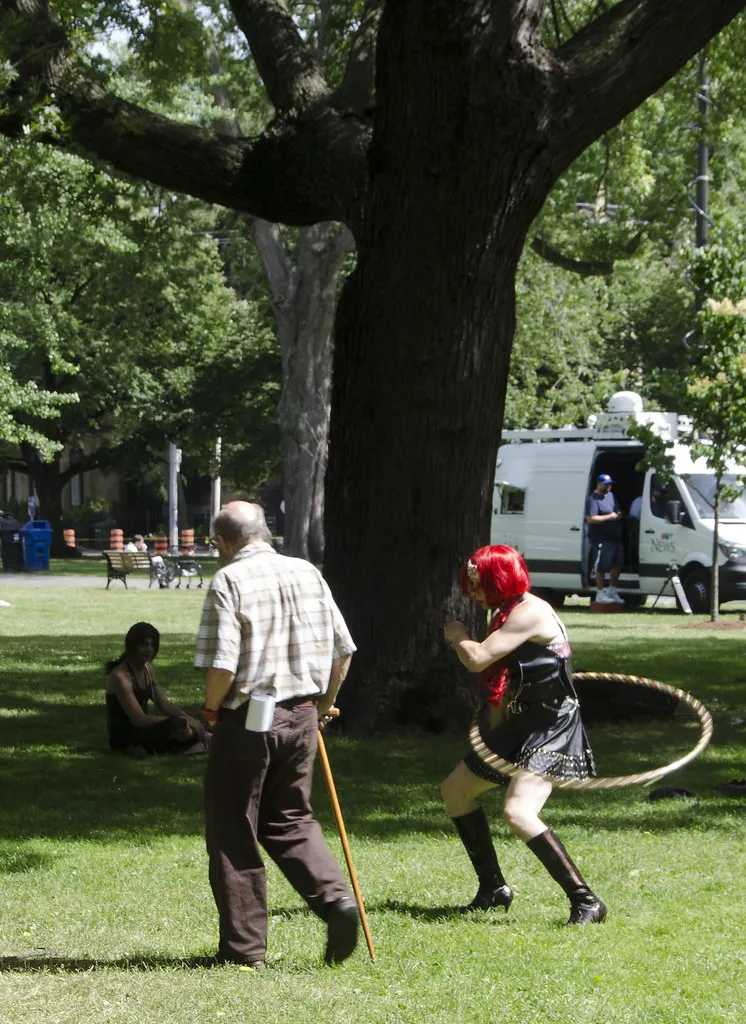
Public parks serve as the lungs of European Pride festivals, offering space for picnics and community rallies. The Tiergarten in Berlin becomes a central meeting point for thousands of participants after the CSD parade, with nightlife spilling into Nollendorfplatz and Potsdamer Platz. Vondelpark in Amsterdam often hosts open-air events that are family-friendly and free to the public. These green spaces allow visitors to escape the dense crowds of the narrow city streets for a few hours.
Brighton's Preston Park is the heart of its Pride festival, hosting the main stages and community tents across a ticketed zone. Helsinki Gay Pride culminates with an afterparty called Puistojuhla at Kaivopuisto Park, following the main parade from Senate Square. Reykjavik Pride draws over 100,000 visitors for six days, ending with an outdoor after-party at Hljómaskálagarður park featuring concerts and drag performances.
We recommend bringing a reusable water bottle as many parks now offer free refill stations to reduce waste. Most parks remain open from dawn until dusk, though specific festival zones may have restricted hours. Always dispose of your trash in designated bins to help keep these historic gardens clean for everyone.
Family-Friendly and Budget-Friendly Options in Pride
Most European Pride parades are free to attend and genuinely welcoming for all ages, making them strong options for families. Vienna's Rainbow Parade along the Ringstrasse starts at 14:00 from City Hall Square and draws over 100,000 visitors with a festive, carnival-like atmosphere that children enjoy. Reykjavik Pride includes a dedicated family festival among its six days of programming. Copenhagen Pride is consistently rated one of the most inclusive environments, with plenty of daytime activities that do not revolve around nightlife.
Budget travelers can cover most of the best pride festivals in Europe without spending anything on events themselves. The major parades in Madrid, Berlin, Barcelona, Copenhagen, and Vienna cost nothing to join. Where costs do arise — Brighton Preston Park festival (around €50 for tickets), Stockholm Pride Park (around €60 for a weekly pass), or Amsterdam circuit parties (€30–€80) — buying early-bird tickets saves 20–30% compared to the door price. Eating in local markets and supermarkets near the festival zones is consistently cheaper than buying food from event vendors inside the perimeter.
Off-peak Pride festivals offer a middle path. Belgrade (September) and Maspalomas (November winter edition) attract smaller crowds and lower accommodation prices than the June–August peak. Prague Pride, typically held in August, combines affordable Central European prices with a well-organized week-long program at Strelecky Island — a strong budget pick compared to Amsterdam or Brighton.
How to Plan a Smooth Pride Attractions Day
Success at the biggest pride events in Europe this summer depends heavily on your logistics and timing. We suggest using public transport apps like Citymapper or Google Maps to track real-time diversions during parades. Many cities close major roads, so walking or using the metro is often faster than taking a taxi. Keep a digital copy of your tickets and a physical backup in case your phone battery dies.
What to skip: the very front of the main stage is often the worst spot if you dislike intense crowds. The sound quality is frequently better a bit further back, and you will have easier access to restrooms. Overrated picks include the official VIP areas in some cities, which can be expensive without offering much extra value. Focus instead on the smaller community-led stages for a more authentic and diverse experience.
Safety is generally high across Western Europe, but pickpockets target distracted tourists in large, dense crowds. Keep your valuables in a zipped front pocket or a cross-body bag that stays in your sight. If you are traveling solo, join a local LGBTQ+ Facebook group or Meetup to find buddies for the day. Most festivals have clearly marked safe spaces or medical tents if you feel overwhelmed or unwell.

Featured Pride: CSD Leipzig
CSD Leipzig is a fantastic alternative for those who find the Berlin crowds too overwhelming. This East German city has a thriving alternative scene and a very welcoming community atmosphere shaped by decades of queer activism going back to the GDR era. The parade is smaller but highly creative, starting at Augustusplatz and ending with a large street party, preceded by a full Pride Week of workshops, film screenings, and discussions on trans rights, queer families, and anti-discrimination. In 2025, over 10,000 participants turned out — impressive for a city of Leipzig's size.
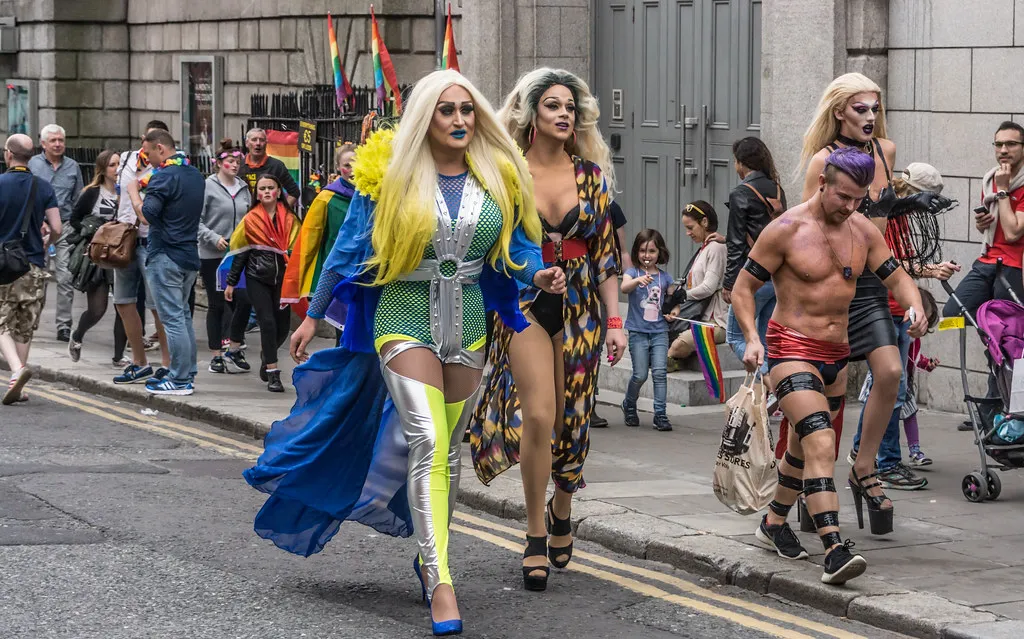
What makes Leipzig's CSD stand out is its strong political DNA: a deliberate blend of celebration and active protest against far-right extremism in Saxony. Organizations like Rosalinde e.V. have been pillars of the community since reunification. The main festival in 2026 falls on July 18, and the entire event is free to the public. Leipzig is only about one hour from Berlin by high-speed train, making it an easy addition to any Berlin Pride trip.
Gay Prides of Europe: By Country
The 2026 Gay Prides in Europe calendar shows a strong concentration of events in Spain and Germany. Spain remains a top destination with major events in Madrid, Barcelona, Bilbao, and the coastal town of Benidorm. The Gay Pride Benidorm festival is particularly popular for its late-season September dates, extending the summer further for those who miss the June–July window. Germany offers the highest density of events in Europe, with nearly every medium-sized city hosting its own CSD — Munich, Frankfurt, Stuttgart, Hamburg, Cologne, Berlin, and Leipzig all running independent programs.
In the United Kingdom, London and Brighton are the heavy hitters, but regional Prides are growing in scale and organization. The Gay Pride Bristol event is a strong example of a community-led festival with a loyal local following. Northern Europe — Sweden, Denmark, Finland, Iceland — is known for having some of the most progressive and safe festivals, with Helsinki's Senate Square parade and Reykjavik's six-day program standing out. Eastern Europe continues to make strides, with Prague running one of the most polished events in Central Europe and Belgrade holding firm as the Balkans' most important Pride gathering.
For those building a multi-country Pride itinerary in 2026, the most efficient route is Madrid (late June) → Barcelona (late June) → Berlin or Cologne (early July) → Leipzig CSD (July 18) → Amsterdam WorldPride (late July–August 8) → Brighton (first Saturday of August) → Copenhagen (mid-August). This corridor covers seven of the continent's top events within roughly eight weeks and is served almost entirely by train.
Frequently Asked Questions
What is the biggest pride festival in Europe?
Madrid Pride (MADO) is widely considered the largest, often attracting over 1.5 million people. It transforms the city into a massive celebration for over a week each July.
Is it expensive to attend Pride festivals in Europe?
Most Pride parades are free to the public, making them very accessible for budget travelers. However, expect to pay €20–€60 for entry to major club circuits and evening parties.
When is the best time to book travel for Europe Pride?
We recommend booking flights and hotels at least four to six months in advance. Prices in cities like Amsterdam and Madrid spike significantly during the festival weekends.
Visiting Europe for more than one festival? See our complete guide to festivals and events in Europe.
Europe remains a premier destination for LGBTQ+ travelers, offering a rich tapestry of Pride celebrations from the canals of Amsterdam to the streets of Madrid. The 2026 season is particularly special, anchored by the historic WorldPride and EuroPride double-event in Amsterdam in late July and August. By planning ahead and respecting local customs, you can ensure a memorable and safe experience. We hope this guide helps you find the perfect celebration to match your travel style and interests.
Explore More Festival Guides
Keep planning with our other in-depth festival guides across Europe.
Free guide: Europe's Festival Calendar
A month-by-month map of Europe's unmissable festivals — with the best dates to visit each and a local tip you won't find in the guidebooks.
You might also like


Continue reading
More guides you'll find useful