Festivals And Events In Valencia Travel Guide
Time your Valencia trip around Las Fallas (15-19 March 2026): the 14:00 Mascletà fireworks, La Crema burning at 23:00, plus June and July fairs.
On this page
Festivals And Events In Valencia
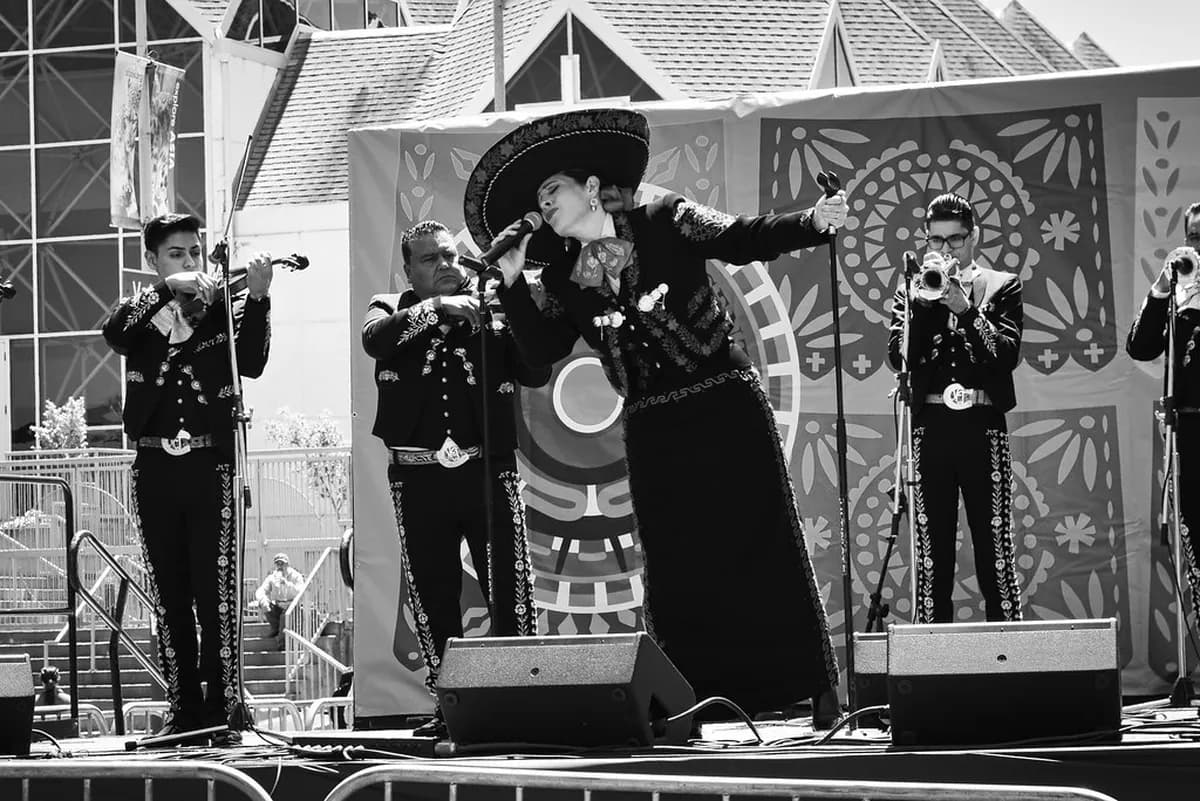
Valencia is a city that truly knows how to celebrate its rich history and vibrant culture. Travelers often flock to this coastal gem to witness some of the most unique celebrations in the world. Understanding the local calendar is essential for anyone planning a trip to this part of Spain. This guide covers the best festivals and events in Europe by city with a focus on Valencia.
From the thunderous firework displays to the delicate flower battles, there is always something happening. The city transforms into a massive open-air stage where traditions come to life through music and art. You will find that the local energy is contagious during these high-profile annual gatherings. Planning your visit around these dates ensures a memorable and culturally immersive experience.
Free guide: Europe's Festival Calendar
A month-by-month map of Europe's unmissable festivals — with the best dates to visit each and a local tip you won't find in the guidebooks.
Must-See Festivals Attractions
The most iconic event in the city is undoubtedly the world-famous celebration known as Las Fallas. Gigantic artistic monuments made of wood and papier-mâché — called Ninots — are erected in every neighborhood during March. You can find detailed schedules and historical context on the Official Las Fallas Website before you arrive. The craftsmanship of these structures is truly breathtaking and represents months of hard work by local community groups.
The daily Mascletà firework displays at the Plaza del Ayuntamiento start promptly at 14:00 every day of the festival week. These events are more about the rhythm and vibration of the explosions than visual colors. Thousands of people gather in the square to feel the ground shake during the intense finale. Arrive at least an hour early to secure a spot with a clear view — the square fills completely by 13:30 during peak days.
The festival runs from 15 March (the Planta, when each community installs its monument) through to 19 March (La Cremà). The Ofrenda flower procession takes place on 17 and 18 March, when falleras in traditional dress carry blooms through the old town to Plaza de la Virgen, building a floral mantle around a wooden Madonna. The procession begins at 15:30 and lasts until dark. La Cremà on the night of 19 March sees the neighborhood monuments burn from around 20:00, with the main Plaza del Ayuntamiento monument set alight at 23:00.
Background to Las Fallas
The origins of Las Fallas trace back to the workshops of medieval Valencia. Carpenters marked the end of winter by burning the wooden parrot-lamp — called the parrot — used to light their work through the dark months. As traditions evolved, the parrot was dressed and adorned to resemble a human figure, giving birth to the Ninot effigy. Each year the figures grew more elaborate, turning from simple dummies into satirical caricatures of politicians, celebrities, and everyday life.
Today that spirit of satirical craftsmanship is central to Las Fallas. Communities spend the entire year designing and building their Ninots, often incorporating commentary on current news. At the end of the festival a public vote selects the Ninot Indultat — the single figure spared from the fire. Past pardoned Ninots are displayed permanently at the Fallero Museum in Valencia, where you can trace the history of the tradition through decades of saved artwork.
First-time visitors should know that the noise levels are genuinely extreme. The close-range firecrackers used throughout the festival week can exceed 120 decibels. Bringing disposable foam earplugs is not an overreaction — it is standard practice among locals and recommended especially for anyone attending with children or with sensory sensitivities.
Museums, Art, and Culture in Festivals
Museums in the city often host special exhibitions that complement the ongoing street festivities. The Fallas Museum is a must-visit location to see the pardoned Ninots from previous years. These saved figures represent a quiet counterpart to the spectacle outside — you can study the details of the winning artworks without crowds or noise. Visiting this museum provides a calmer space to appreciate the intricate satirical commentary embedded in each figure.
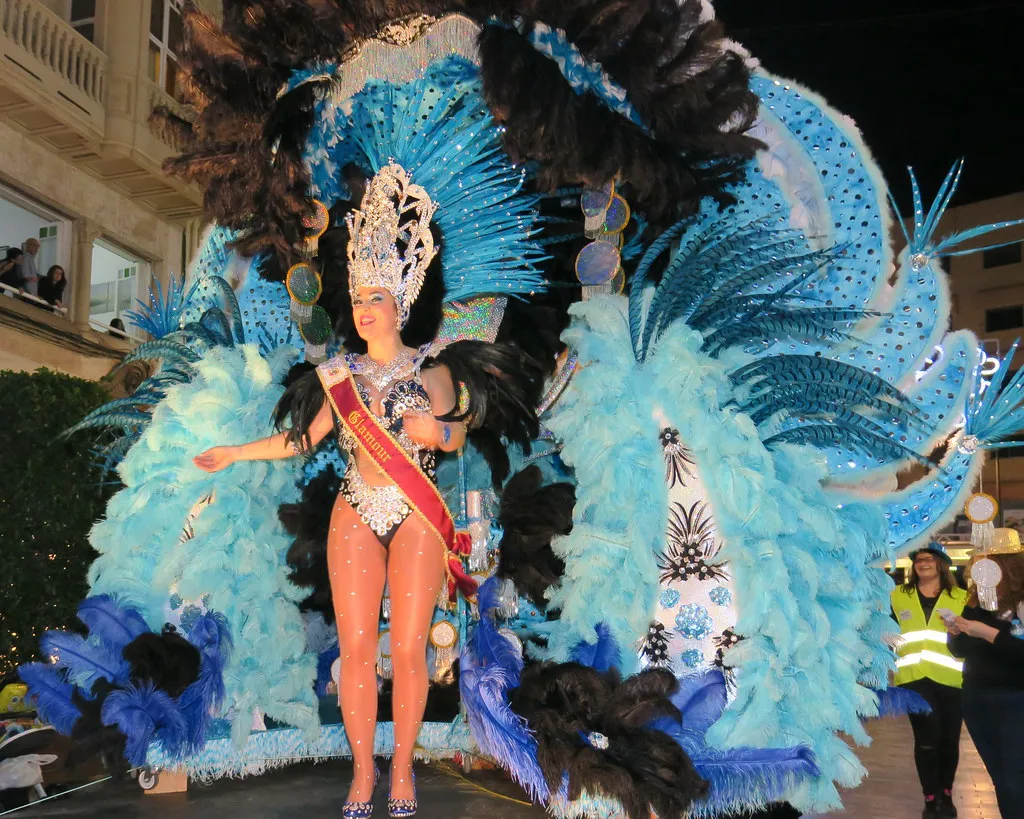
During the July Fair, many cultural institutions extend their opening hours for special night tours. You can enjoy live music performances inside historic courtyards and grand museum halls. The combination of ancient architecture and modern art creates a unique atmosphere for visitors. Most of these evening events are free or require only a very small entry fee.
Running from 16 April to 12 October 2026, the exhibition "The Worlds of Alice: Dreaming of Wonderland" at Fundació Bancaixa offers an immersive journey through the universe of Lewis Carroll. It features original illustrations, interactive installations, and photographic sets drawing from over 150 years of Alice-related artwork. This is an excellent indoor option during the summer heat, and it runs across the most popular festival-visiting months so it pairs well with any seasonal trip.
Parks, Gardens, and Outdoor Spots in Festivals
The Turia Gardens serve as the green lungs of the city and a primary event venue. This former riverbed hosts everything from open-air cinema nights to massive food and wine festivals. Walking through the gardens allows you to move between different event zones without dealing with traffic. It is the perfect place to enjoy a picnic while listening to live outdoor concerts near the Palau de la Música.
In late July, the park becomes the site for the spectacular Battle of Flowers. Participants on ornate floats throw thousands of marigolds at the crowd in a colorful parade through the Alameda area. The event starts at 15:30 and lasts until dark as the streets turn yellow and orange. This is one of the most photogenic outdoor events you can experience in the city, and it is free to watch from the roadside.
The July Fair also brings a traditional fairground to the Alameda area with amusement rides and food stalls. Evening concerts in the Turia are often free and draw a relaxed local crowd rather than a tourist-heavy audience. Arriving on foot or by metro is strongly recommended — parking across the city is extremely limited when major outdoor events are running.
Family-Friendly and Budget-Friendly Options in Festivals
Many of the best festivals and events in Valencia are completely free for the public to enjoy. Street parades and firework displays do not require tickets if you watch from public areas. This makes the city an excellent choice for budget-conscious travelers who want a rich experience. You can find similar affordable cultural experiences if you look at festivals and events in Madrid as well.
Families will appreciate the dedicated children's areas found at most major neighborhood celebrations. The Fallas infantiles are smaller monuments placed at child height and are less visually overwhelming for very young children. Many plazas offer traditional snacks like buñuelos and hot chocolate during the festivities. Always carry a map of the public toilets, as the city gets very crowded during peak times.
The biggest practical tip for families attending Las Fallas is ear protection. The Mascletà and the nightly petardà (small street fireworks) run all day across every neighborhood. Disposable foam earplugs cost under €1 at any pharmacy and make the difference between an enjoyable day and an overwhelming one for children under ten. Buy them before you arrive — pharmacies near the Plaza del Ayuntamiento sell out by midday during the festival week.
How to Plan a Smooth Festivals Attractions Day
Navigating the city during major events requires careful planning and a bit of patience. Public transport is usually the best way to get around when many streets are closed for installations or parades. The metro runs extended hours during the main week of Las Fallas to accommodate the crowds. Buy a multi-trip travel card early to avoid long queues at the station ticket machines.
Knowing what happens on each day of Las Fallas helps you prioritize your limited time. The Ofrenda flower offering on 17 and 18 March requires a central viewing spot near Plaza de la Virgen — aim to be in position by 15:00. Wear comfortable walking shoes as you will likely cover several miles on foot each day moving between neighborhood monuments. Carry a reusable water bottle to stay hydrated while exploring the different monument zones.
Accommodation during Las Fallas week is significantly more expensive than at any other time of year. Hotels and apartments in the city center fill up months in advance, and prices can double or triple compared to the off-season. If you are booking a March visit, confirm your accommodation at least four to five months ahead. Staying in the Ruzafa or Benimaclet neighborhoods gives easy metro access to the old town while being slightly removed from the loudest firework zones.
Other Important Festivals That Take Place in Valencia
The Semana Santa Marinera is a unique religious celebration held in the maritime neighborhoods around Easter. It offers a different atmosphere compared to the grand processions seen in other Spanish cities. The processions near the beach are deeply tied to the local fishing community's history and feel quieter and more intimate than Las Fallas. You can compare these coastal traditions with the famous festivals and events in Seville for a broader perspective on Spanish Easter week.
Corpus Christi is another significant event featuring traditional dances and giant mythological figures parading through the historic center. The parade includes the famous Moma dance, which represents the triumph of virtue in allegorical form. It is a quieter and more traditional event that appeals to those interested in local folklore and medieval religious pageantry. Check the local tourism office for the exact route of the procession through the old town, as it varies slightly from year to year.
The Virgen de los Desamparados festivity in May includes a concert on the eve and a firework display over the Turia riverbed. This is a deeply local celebration that draws far more Valencians than tourists, making it a good option for visitors who want to experience the city without the international crowds of Las Fallas.
Sailing: S.M. La Reina Trophy
Running from 26 June to 5 July 2026, the S.M. La Reina Trophy is one of the most prestigious sailing regattas on the Spanish calendar. The competition takes place in the waters off Valencia's marina, the same port infrastructure built for the 2007 America's Cup. Watching the racing from the waterfront is free, and the marina district becomes animated with a relaxed sailing-community atmosphere during the ten-day event.
This event is a strong choice for visitors arriving in late June who want a festival experience without the noise and crowd intensity of Las Fallas. The competition format involves multiple race days, so there is usually visible activity on the water from late morning onward. Valencia's marina area has a good range of seafood restaurants and bars if you want to combine the regatta with an afternoon at the waterfront.
International Youth Film Festival
Also known as Cinema Jove, this festival celebrates the work of emerging young filmmakers. In 2026, it runs from 19 to 27 June and features a wide variety of international short films and debut features. Screenings are held at several iconic venues, including the Rialto Theatre and the Viveros Gardens. It is a fantastic event for cinema lovers who enjoy discovering new global talent before it reaches mainstream distribution.
The festival also includes workshops and meetings with directors for those interested in the industry. Many screenings are subtitled in English to accommodate the diverse international audience. Tickets are generally very affordable, making it accessible for students and budget travelers. The relaxed summer atmosphere makes evening outdoor screenings at Viveros a highlight of the program — bring a light jacket as the gardens cool quickly after sunset.
Festival de les Arts
The Festival de les Arts combines indie, pop, and rock music with visual art in one of Valencia's most dramatic settings. It is held at the City of Arts and Sciences complex — Av. Professor López Piñero 7 — and draws thousands of fans over two days each June. The futuristic architecture by Santiago Calatrava provides a dramatic backdrop for the multiple music stages. This event attracts a younger, trend-conscious crowd and features both major Spanish acts and international headliners.
The festival site includes a design market and several food truck areas with gourmet options. It is wise to buy your festival pass early as tickets often sell out months in advance. You can find a similar multi-day festival vibe at the festivals and events in Barcelona during the summer season. The combination of art, music, and food in a UNESCO-listed architectural complex creates a genuinely modern Mediterranean celebration that stands apart from anything else on the Valencia calendar.
Frequently Asked Questions
What is the most famous festival in Valencia?
The most famous festival is Las Fallas, held every March to celebrate Saint Joseph. It features the burning of massive artistic monuments and daily firework displays. You can find more travel inspiration on the Festivian blog for other major global events.
When is the best time to visit Valencia for festivals?
March is the busiest time due to Las Fallas, but July offers the Great Valencia Fair with its Battle of Flowers. June is also excellent for music lovers attending the Festival de les Arts. Each season brings a different cultural flavor to the city streets.
Are festivals in Valencia safe for children?
Most festivals are very family-friendly and include specific activities for younger children. However, the loud fireworks during Las Fallas may be overwhelming for some toddlers. It is best to bring ear protection for children during the daily Mascletà displays.
Festivals in Valencia by Type
Plan a trip around any of Valencia's major festivals and seasonal events:
- What Is Las Fallas And Why Are They Burned Travel Guide — Tradition & history
- How to Watch Las Fallas — Fiesta
Valencia offers an incredible variety of events that cater to every type of traveler. Whether you love the roar of fireworks or the quiet beauty of an art gallery, you will find it here. The city's ability to preserve ancient traditions while embracing modern festivals is truly impressive. Plan your trip carefully to experience the unique energy that defines this Spanish destination.
Remember to book your accommodation early and use local apps to navigate the busy streets. Each festival provides a new perspective on the local way of life and its history. We hope this guide helps you make the most of your time in this beautiful coastal city. Enjoy the music, the art, and the unforgettable spirit of the Valencian people.
Free guide: Europe's Festival Calendar
A month-by-month map of Europe's unmissable festivals — with the best dates to visit each and a local tip you won't find in the guidebooks.
You might also like


Continue reading
More guides you'll find useful


