
Festivals And Events In Venice Travel Guide
Time your Venice trip to its festivals: February Carnival, the July 18-19 Redentore fireworks over Giudecca Canal, the 30km Vogalonga row and more.
On this page
Festivals And Events In Venice
Last updated April 2026. Venice runs on its calendar. The city's most extraordinary moments — fireworks over the Giudecca Canal, costumed processions through St. Mark's Square, rowers filling every canal — are tied to specific dates that have not changed in centuries. Many Italian cities share this passion for public spectacle, but Venice stages its events on water, which makes them unlike anywhere else in Europe.
Planning your visit around these dates rewards you with a version of Venice most visitors never see. It also means booking accommodation early. Prices routinely double during the Carnival, the Redentore, and the Venice Film Festival weeks. This guide covers the major festivals and events in Venice for 2026 and beyond, with practical details on timing, access, and what to expect at each one.
Free guide: Europe's Festival Calendar
A month-by-month map of Europe's unmissable festivals — with the best dates to visit each and a local tip you won't find in the guidebooks.
The Carnival of Venice
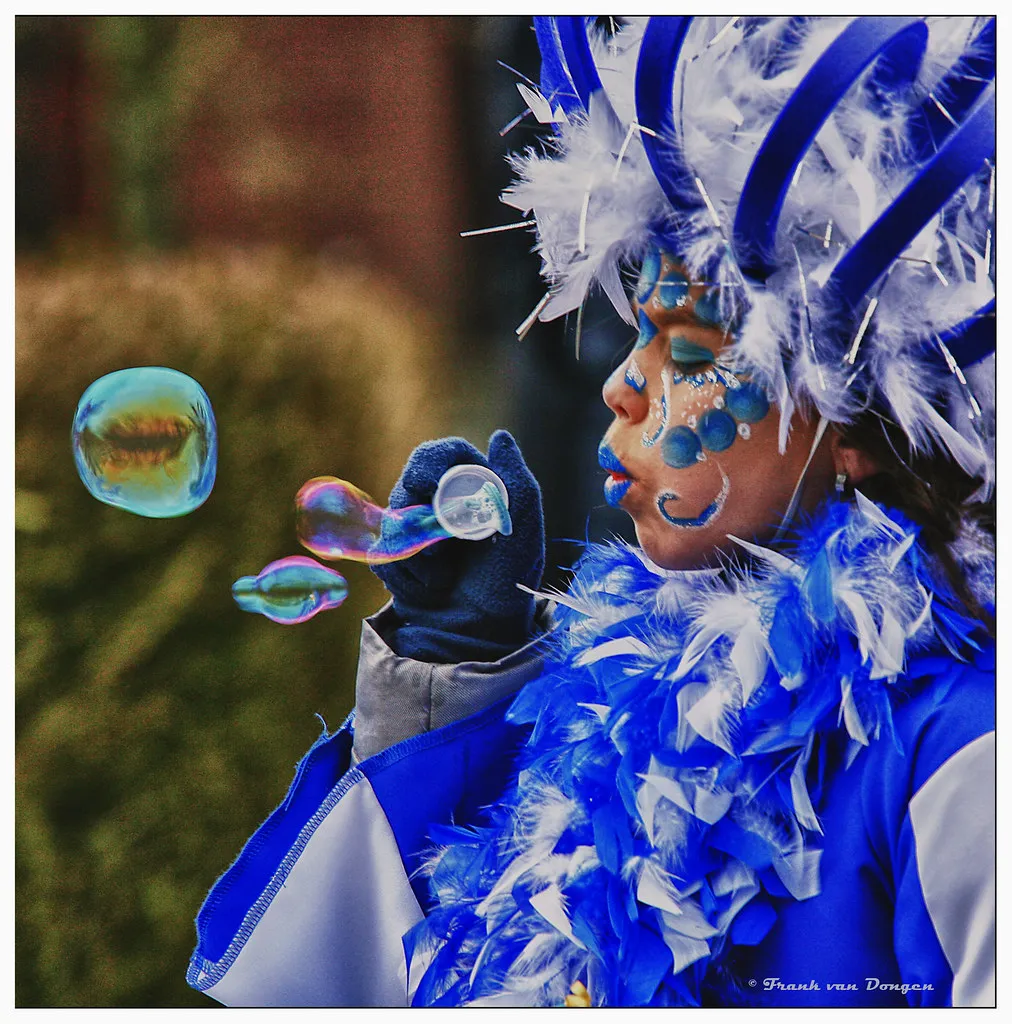
The Carnival is the most iconic of all festivals and events in Venice. It runs for roughly two weeks in February, ending on Shrove Tuesday (Martedì Grasso). The final weekend — from Fat Thursday (Giovedì Grasso) through Shrove Tuesday — is the most spectacular and the most crowded. Check the Visit-Venice-Italy Carnival Programme for exact 2026 dates and ticketed ball listings.
Public events are free and include the Flight of the Angel (Volo dell'Angelo) in St. Mark's Square. Private masquerade balls offer a glimpse into aristocratic Venetian history but cost €300–€800 per person. Street performers, free concerts, and outdoor stages are spread across the city's campi throughout the fortnight.
The Festa delle Marie opens the Carnival. Twelve women selected from different Venice sestieri parade in historical costumes from Santa Sofia to St. Mark's Square, arriving by gondola. This tradition dates back to the tenth century and celebrates the rescue of twelve Venetian brides from Dalmatian pirates. It is one of the most photogenic moments of the entire event and costs nothing to watch from the bridges along the route.
La Festa della Sensa
La Festa della Sensa is one of Venice's oldest ceremonies. It falls on Ascension Sunday — 40 days after Easter — and celebrates the Serenissima's ancient bond with the sea. The centrepiece is the Sposalizio del Mare: the Mayor boards a ceremonial bucintoro (ornate state barge) and casts a gold ring into the Adriatic at the mouth of the port, renewing Venice's symbolic marriage to the water.
The procession leaves from the Doge's Palace area and sails out past San Nicolò on the Lido. Traditional rowing competitions follow, and the lagoon fills with decorated vessels. Spectators can take regular vaporetto lines to the Lido and watch from the waterfront. The ceremony is free to observe and gives you a side of Venice that has nothing to do with tourist circuits.
The Vogalonga Rowing Race
The Vogalonga is a non-competitive rowing event held every year on the Sunday after Ascension Day, typically in late May or early June. The 2026 edition is expected to fall in mid-to-late May 2026 (for reference, the 2025 edition ran on June 8); check the official Vogalonga site for the confirmed date before booking. Participants paddle along a 30 km route through the lagoon and back through the Grand Canal. It attracts thousands of rowers from across the globe each year — from traditional gondolas to kayaks and outriggers.
The event was created in 1975 to protest against motorboat waves damaging Venice's foundations. Rowers pass through the islands of Burano and Murano before returning via the Grand Canal, finishing in front of the Punta della Dogana. Spectators gather on the Rialto Bridge and the Fondamente Nuove for the best views. The finish in front of the Salute church draws the largest crowd. Arrive before 11:00 to secure a good position on the bridges.
What to Know about Feast of the Redeemer
The Feast of the Redeemer (Redentore) happens on the third weekend of July — in 2026 this falls around July 18–19. It commemorates the end of a devastating plague in 1576. A temporary votive bridge is built across the Giudecca Canal connecting the Zattere to the Church of the Redeemer (Chiesa del Redentore). Locals and pilgrims walk across this bridge to attend mass.
The highlight is the fireworks display on Saturday night, beginning at 23:30 over the San Marco basin. Venetians decorate their boats with lanterns and dine on the water from early evening. Check the Venice Events and Festivals calendar for the confirmed 2026 fireworks schedule. Booking a boat or a waterfront table weeks in advance is essential — dinner packages on the water can cost €100–€200 per person.
The gondola regatta along the Giudecca Canal runs on Sunday morning, closing out the three-day celebration. On Sunday evening the bridge is dismantled. If you are visiting Venice in July for any reason and the Redentore weekend overlaps your stay, do not miss the fireworks — it is widely considered the most beautiful single night in Venice.
The Venice International Film Festival
The Venice International Film Festival (Mostra Internazionale d'Arte Cinematografica) runs each year from late August into early September at the Palazzo del Cinema on the Lido. The 2025 edition was the 82nd. It is the world's oldest film festival and one of the most prestigious, competing with Cannes and Berlin for the major premieres. The top prize is the Golden Lion (Leone d'Oro).
Accredited press and industry attend by credential, but public screenings are available and tickets go on sale a few weeks before the festival opens. Prices range from €10 for standard screenings to €30 for gala events. Tickets sell out quickly for high-profile films. The Lido island transforms during the festival, with celebrity sightings on the waterfront boulevard and boat taxis shuttling guests between the Lido and the main island all day.
For ordinary visitors, the Film Festival coincides with a calmer, cooler moment in the city. The peak summer crush has eased by late August, and the Lido — usually a quieter beach resort — becomes briefly cosmopolitan. You can watch films in the open-air arena or simply enjoy the changed atmosphere without holding a ticket.
The Regata Storica: The Historical Regatta of Venice
The Regata Storica takes place on the first Sunday of September. It is one of the oldest civic events in Venice, dating back to the thirteenth century. The spectacle begins with a historical procession along the Grand Canal. More than 100 boats in period livery recreate the triumphant 1489 welcome given to Caterina Cornaro, Queen of Cyprus, as she returned her kingdom to Venice. Participants wear Renaissance costumes and row traditional Venetian craft.
Four competitive rowing races follow the procession, split by boat type and age group. The most prestigious is the gondolini race (two-oar light boats), followed by the women's mascareta race and two junior categories. Spectators line the Grand Canal from Fondaco dei Turchi to Ca' Foscari, with the best views from the floating grandstands near Ca' Rezzonico — tickets for these sell out in advance. Standing space on the bridges and fondamente is free and gets very crowded from around 14:00.
The Feast of the Madonna della Salute
On 21 November each year, Venice celebrates the Festa della Madonna della Salute. The festival marks the end of the catastrophic plague of 1630, during which more than a third of the city's population died. As a thanksgiving offering, the city built the Basilica di Santa Maria della Salute — the great domed church at the entrance to the Grand Canal that defines Venice's skyline. On this day a temporary votive bridge of boats is constructed across the Grand Canal from the Campo Santa Maria del Giglio to the Basilica's steps.
The faithful carry candles across the bridge to light them inside the Basilica and pray. The atmosphere is genuinely Venetian rather than tourist-oriented — most visitors to Venice in November have no idea this is happening. The culinary tradition is castradina, a slow-cooked mutton stew served with cabbage, eaten by families after the pilgrimage. A handful of local restaurants near the Dorsoduro serve it for the week around November 21. The festival costs nothing to attend and offers an authentic window into Venetian devotional life.
The Venice Marathon
The Venice Marathon is a major sporting event held every October, typically on the last Sunday of the month. The 2025 edition was the 39th running of the race. The marathon starts at Villa Pisani in Stra, about 25 km west of Venice, and follows the scenic Riviera del Brenta before entering the city via the Ponte della Libertà. The full 42.195 km course finishes at Riva Sette Martiri near the Arsenale.
Runners cross a special temporary bridge built over the Grand Canal, passing through the Zattere and past Piazza San Marco. This is one of the few times any kind of running is permitted through those spaces. A 10 km fun run option is also available for non-competitive participants. If you are visiting Venice in late October, expect pedestrian route changes and altered vaporetto schedules on race morning.
The Venice Biennale
The Venice Biennale is a biennial arts institution that alternates between an Art Biennale (even years) and an Architecture Biennale (odd years). In 2026, the Art Biennale returns — typically running from late April through late November, with the main venues at the Giardini di Castello and the Arsenale. National pavilions from more than 80 countries fill the Giardini, while the Arsenale hosts the main curated exhibition. Many palazzos around the city open additional collateral shows.
Admission to the Giardini and Arsenale costs around €30 for a combined ticket. The opening week in late April (Preview Days) is exclusively for accredited press, artists, and collectors, and the city fills with the international art world. General public access opens the following weekend. The Biennale draws visitors who would not otherwise come to Venice in May or October — which means those months see a spike in hotel demand that many travelers do not anticipate. Book accommodation at least two months ahead if your visit overlaps with any Biennale opening or closing weeks.
The Architecture Biennale ran in 2025 under the theme "Intelligens. Natural. Artificial. Collective." curated by Carlo Ratti. If you are visiting Venice in 2026, the Art Biennale replaces it. Both are distinct from the Venice Film Festival, though all three fall under the umbrella institution La Biennale di Venezia.
Public Holidays and Shopping Closures in Venice 2026
Venice follows the Italian national holiday calendar plus a handful of city-specific celebrations. Public holidays mean many smaller shops, pharmacies, and some restaurants close entirely. The main public holidays in 2026 are: New Year's Day (1 January), Epiphany (6 January), Easter Monday, Liberation Day (25 April — also the Feast of St. Mark, the city's patron saint), Labour Day (1 May), Republic Day (2 June), Assumption (15 August), All Saints' Day (1 November), Immaculate Conception (8 December), Christmas Day (25 December), and St. Stephen's Day (26 December).
Shops in Venice's tourist areas typically stay open through most holidays, but smaller alimentari and neighbourhood shops close. August is when many Venetians take their own holidays — some local restaurants on Burano and Torcello shut for part of the month. The Festa della Madonna della Salute on 21 November is not a national holiday but functions like one in Venice: city offices close, school lets out early, and the bridges in the Dorsoduro are busy from morning until late evening. If you are shopping for anything specific, check individual store hours around these dates.
Which Season Is Right for You?
Choosing the right season depends on which kind of festival experience you are after. February delivers the Carnival and its masks but also cold, damp weather and the biggest crowds Venice sees all year. May and June offer the Vogalonga, La Sensa, and the opening of the Biennale in mild temperatures with fewer tourists than July or August. July is the Redentore month — the single best evening Venice offers if you can book a boat. September has the Film Festival and the Regata Storica in the same fortnight, making it the richest concentrated cultural month. Similar to Parisian events, Venice rewards visitors who plan around specific dates rather than picking a month at random.
November is the least-visited month and the most authentically Venetian. The Salute festival on the 21st draws local pilgrims, not tour groups. Acqua alta (high water flooding) is a real risk from October onward — bring waterproof boots or buy the lightweight overshoes sold at pharmacy counters throughout the city for around €3–€5.
Frequently Asked Questions
What festival is Venice famous for?
Venice is most famous for its Carnival, which features elaborate masks and costumes. This historic event takes place in February each year. It attracts millions of visitors to the city's squares.
What festivals are on in Venice?
Major festivals include the Carnival, the Redentore, and the Regata Storica. The Venice Film Festival also draws global attention in September. These events celebrate history, religion, and the arts.
When is the worst time to go to Venice?
Many consider November the worst time due to frequent flooding and rain. July can also be difficult because of extreme heat and crowds. However, every month offers a unique perspective.
Festivals in Venice by Type
Plan a trip around any of Venice's major festivals and seasonal events:
- Venice Carnival Guide Travel Guide — Carnival
- History Of The Venice Carnival And Its Masks Travel Guide — Tradition & history
Related: Festivals and Events in Bologna · Il Cinema Ritrovato in Bologna.
Venice remains a premier destination for cultural festivals and events. From the rowing races and Carnival to the Film Festival and the Biennale, the city's calendar rewards visitors who plan around specific dates. The shoulder months — May, June, and September — give you the richest event calendar with the most manageable crowds. Book accommodation as soon as you have your dates confirmed, especially for Carnival, Redentore, and Biennale opening weeks.
Remember that Venice is a city shaped by water. Every festival here — whether a candlelit pilgrimage, a fireworks display over the lagoon, or a rowing race through the Grand Canal — is inseparable from its setting. That is what makes its events unlike anything else in Europe.
Free guide: Europe's Festival Calendar
A month-by-month map of Europe's unmissable festivals — with the best dates to visit each and a local tip you won't find in the guidebooks.
You might also like


Continue reading
More guides you'll find useful


