
10 Best Music Festivals in Europe (2026)
Discover the 10 best music festivals in Europe for 2026. Get expert tips on Glastonbury, Tomorrowland, and Sziget with pricing, dates, and logistics.
On this page
10 Best Music Festivals in Europe (2026)
Europe's festival circuit runs from June to September, spreading across fields in Somerset, city parks in Oslo, and Danube islands in Budapest. We have reviewed every major lineup announcement and ticketing change for 2026 to give you a decision-ready shortlist. Planning a trip around the best music festivals in europe requires early action and local knowledge — most of these events sell out before a single headliner is confirmed. This guide covers the ten events worth building your summer around.
Europe offers a diversity of sound that ranges from heavy metal in German fields to classical symphonies in Berlin halls. We believe the best experiences combine world-class audio with a unique sense of place. Whether you seek the 'Island of Freedom' in Budapest or the late-night rhythms of Lisbon, these events define the cultural calendar. Each selection here offers something beyond a standard concert stage.
Free guide: Europe's Festival Calendar
A month-by-month map of Europe's unmissable festivals — with the best dates to visit each and a local tip you won't find in the guidebooks.
Which Festival Matches Your Taste?
Before committing to a festival, it helps to map your musical preferences against what each event actually delivers. Tomorrowland and Awakenings draw a pure electronic crowd; Glastonbury and Sziget are multi-genre; Way Out West leans progressive house and alternative; Øya skews Nordic indie with strong eco-credentials; Notting Hill Carnival is Caribbean-led with soca and reggae at its core. Musikfest Berlin is the outlier — a classical and orchestral series suited to a completely different audience.
Budget shapes the choice as much as genre. Notting Hill Carnival is free for the street parade, making it the lowest-cost entry on this list. NOS Alive (€190 for three days) and Rock en Seine (around €180 for the weekend) represent strong mid-range value for the calibre of headliners. Glastonbury and Tomorrowland Global Journey packages sit at the expensive end, but both justify the cost through scale and production quality. Our guide to cheapest music festivals in europe covers the lower-cost end of the spectrum if budget is the deciding factor.
Trip length also matters. Tomorrowland runs two consecutive weekends so you can choose one without rushing. Sziget is a seven-day island experience where casual day-trippers feel out of place alongside week-long campers. Mad Cool and NOS Alive reward a long weekend combined with city exploration. Matching the festival's rhythm to your travel style prevents the common mistake of booking a week-long camping event when you only planned a three-night trip.
Glastonbury (Pilton, Somerset, England)
Glastonbury remains the gold standard for global music gatherings. The event runs from Wednesday morning to Monday noon at Worthy Farm in Somerset, covering performing arts, cinema, and circus alongside six headline stages. Is Glastonbury worth it for the average traveler? For most fans the answer is yes — the sheer density of acts means the price per band seen is lower than almost any other festival on this list.
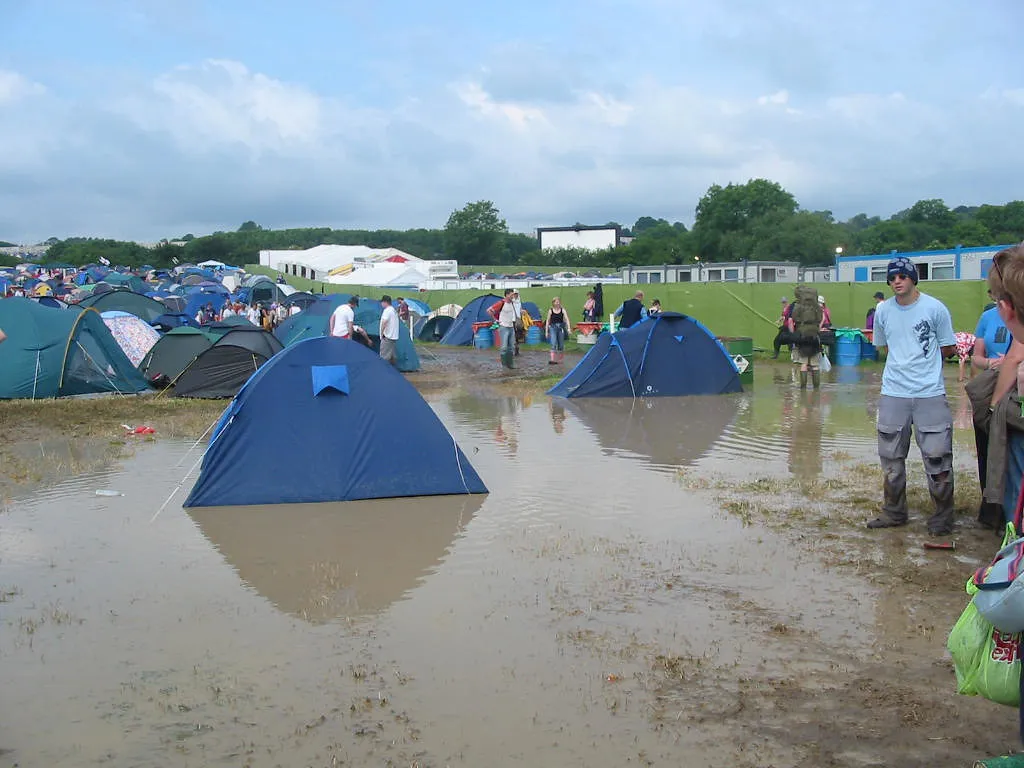
Tickets cost £360–£375 per person and require registration of your photo on glastonburyfestivals.co.uk before October. The sale itself opens in November, and most allocations sell out within 30 minutes. If you miss the November window, a second resale usually happens in April. For camping, Worthy View and Sticklinch offer better facilities than the general fields, though both require a significant walk to the main stages. Glastonbury 2026 headliners are typically announced in March; past performers include Beyoncé, Radiohead, Paul McCartney, and Kendrick Lamar.
Tomorrowland (Boom, Belgium)
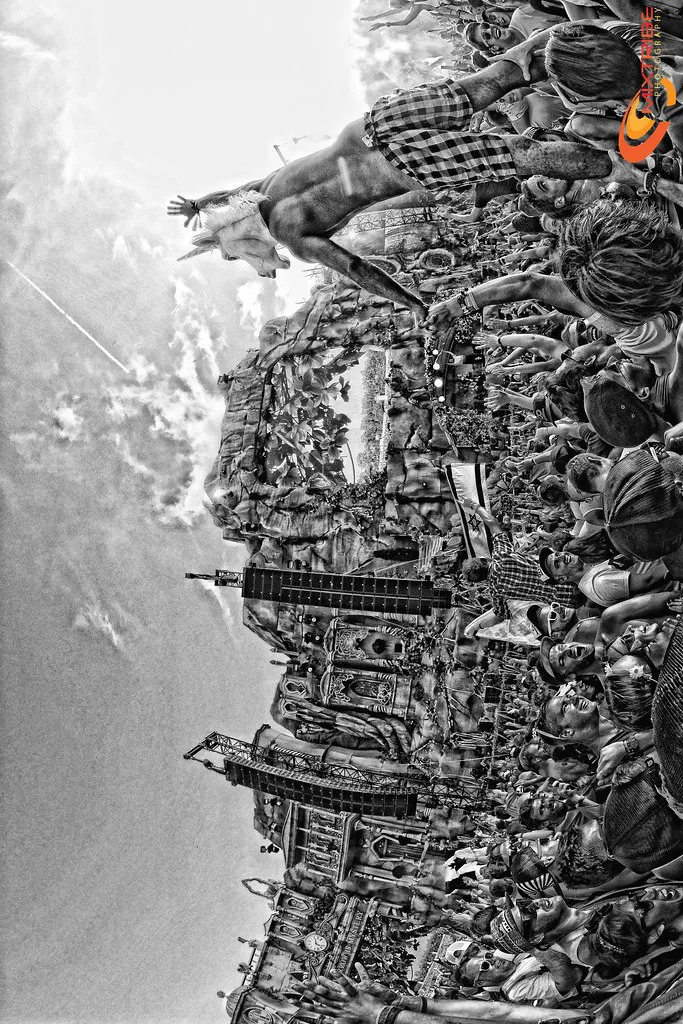
Tomorrowland is the world's premier electronic dance music production, held across two consecutive July weekends in the town of Boom. The fantasy-themed stages — each year with a new narrative concept — attract Martin Garrix, Tiësto, David Guetta, Afrojack, and Swedish House Mafia as regular headliners. Most fans wonder is Tomorrowland worth it given the premium pricing, but the production quality is genuinely unlike any other festival in Europe.
Full madness passes run €310–€600, and the Global Journey packages (which bundle flights or train transfers with accommodation and tickets) are the easiest route for international visitors. The general ticket lottery is chaotic — Global Journey sells separately and often remains available longer than the standard passes. Music runs noon to 01:00 daily across fifteen stages, with the Mainstage closing set reliably drawing 100,000 people or more.

Sziget Festival (Budapest, Hungary)
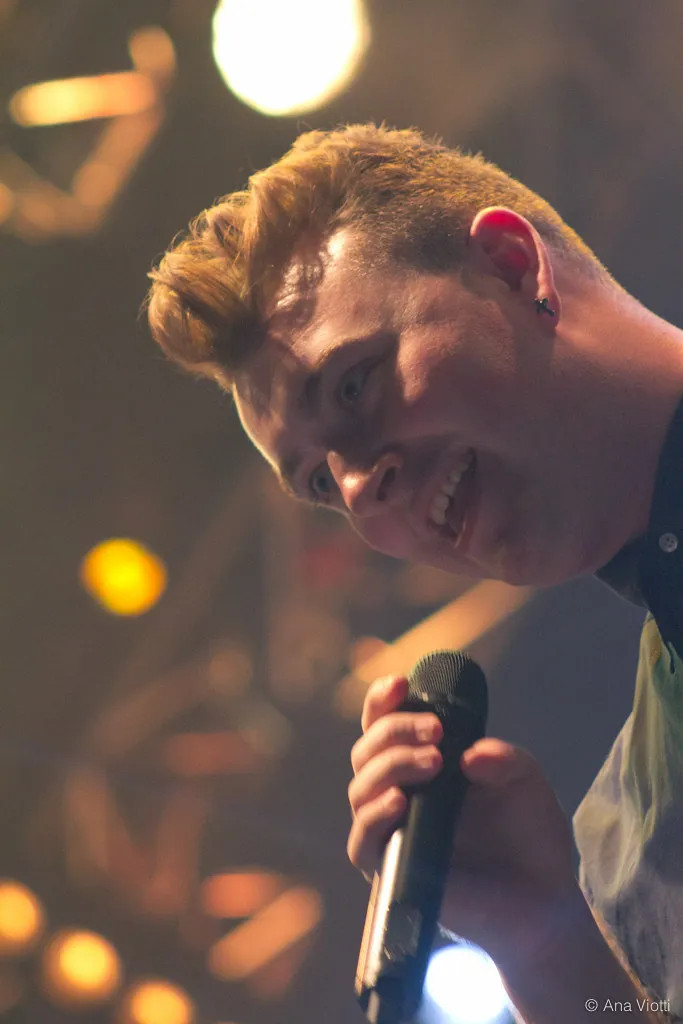
Budapest's 'Island of Freedom' is a seven-day, 24/7 event on Óbudai-sziget island in the Danube. With over 1,000 performances and attendees from 100 countries, it combines rock, pop, electronic, hip-hop, and world music on 60 stages alongside art installations, circus acts, and theater. Past headliners include Dua Lipa, Kendrick Lamar, Gorillaz, and Mumford & Sons. Sziget festival tips for first timers cover how to navigate the island without missing key acts.
Full festival passes cost €290–€420 depending on how early you book. The island is accessible by metro from central Budapest (M2 to Batthyány tér, then the festival shuttle). If you plan to explore Budapest before the gates open, buy a Budapest CityPass — it covers unlimited public transport and gives discounted entry to the thermal baths. The campsite on the island runs 24 hours, so light sleepers should bring ear protection and book the lower-noise perimeter areas.
NOS Alive (Algés, Portugal)
NOS Alive takes place on the Passeio Marítimo de Algés, a waterfront site eight minutes from central Lisbon by train (Linha de Cascais from Cais do Sodré). The mix of Rock, Pop, Indie, and Electronic draws strong international names: past headliners include Pearl Jam, The Smashing Pumpkins, Dua Lipa, and Kendrick Lamar. The waterfront setting and proximity to Lisbon's beaches make it the most scenic major festival on this list.
Day passes cost around €79 and three-day passes €190, placing NOS Alive among the better-value major European festivals. Importantly, the schedule runs on Portuguese time — headliners typically take the main stage well after midnight. If you are arriving from northern Europe, this shift catches people off guard. Book accommodation in the Alfama or Belém districts rather than the festival camping site to give yourself the Lisbon experience between sets.
Mad Cool Festival (Madrid, Spain)
Mad Cool is an urban festival that brings rock, indie, pop, and electronic headliners to an outdoor site in Madrid each July. Past names include Foo Fighters, The Killers, Taylor Swift, and Arctic Monkeys. The heat in Madrid during July is serious — daytime temperatures regularly exceed 38°C — which is why the music schedule is weighted toward evening and night, typically from 17:00 to 04:00. Researching where to stay for Mad Cool Festival early prevents long shuttle commutes from outlying hotels.
General admission prices run €80 per day or €210 for a four-day pass. Unlike most camping festivals on this list, Mad Cool is a city event where you return to your hotel each night. This makes it more accessible for first-time festival-goers and for anyone who values a private room and a shower. Free water refill stations are scattered across the site; bring a collapsible bottle because the queues for purchased drinks grow long after 21:00.
Rock en Seine (Saint-Cloud, Paris)
Rock en Seine takes place in the Domaine National de Saint-Cloud, a park designed by Le Nôtre on the western edge of Paris. The setting is arguably the most architecturally striking of any festival on this list. Past headliners include Radiohead, Rage Against The Machine, Tame Impala, Billie Eilish, Chappell Roan, and The Chemical Brothers. The lineup skews rock but consistently pulls in pop and electronic acts strong enough to fill the Grande Scène.
Day tickets cost around €75 and the full weekend is roughly €180. The festival takes place in late August, effectively serving as the closing event of the French summer season. Families benefit from the 'mini-rock' section offering professional childcare and music workshops for children. Getting there is straightforward: Metro Line 10 to Boulogne-Pont de Saint-Cloud, then a short walk to the main entrance on the park's eastern side.
Way Out West (Gothenburg, Sweden)
Way Out West occupies Slottsskogen park in Gothenburg each August, blending progressive house, alternative, and indie with a city festival format. Past headliners include Florence + The Machine, Frank Ocean, Neil Young, Alicia Keys, and Stormzy. The festival holds eco-certification and enforces an all-vegetarian food policy across every vendor — a genuine differentiator that wins strong loyalty from sustainability-conscious attendees.
Weekend passes cost 1,800–2,800 SEK depending on purchase timing. The park stages run noon to midnight, but the 'Stay Out West' program extends the night across multiple Gothenburg clubs until early morning with additional ticketed shows. Bicycle rental is the most efficient way to move between Slottsskogen and the club venues. Book accommodation in the Linné or Haga neighbourhoods for the shortest walk to both the park entrance and the club circuit.
Øya Festival (Oslo, Norway)
Øya is widely regarded as one of Europe's most eco-conscious events, running on renewable energy with almost entirely organic food stalls sourced from Norwegian producers. The musical lineup balances Nordic indie gems with major international names — past performers include Lana Del Rey, Beck, Blur, Björk, and The Stone Roses. The event draws around 60,000 visitors over four days each August to Tøyen Park, near the city center.
Day tickets cost around 1,200 NOK, with full-week passes reaching 3,600 NOK. The Oslo T-bane (subway) stops directly at Tøyen, making Øya one of the most accessible major festivals in terms of public transport. The 'Biblioteket' stage is worth seeking out for intimate acoustic sets and literary discussions between main acts — a programming layer no other festival on this list offers. For first-timers to Oslo, combining Øya with a few days in the Grünerløkka neighborhood gives the most complete picture of the city's character.
Musikfest Berlin (Germany)
Musikfest Berlin is the classical outlier on this list — a September series that opens Berlin's concert season with the world's top orchestras performing in the Philharmonie and the Konzerthaus Berlin. Past performers include the Berlin Philharmonic, Anne-Sophie Mutter, and Lang Lang. If you associate European festivals purely with mud and camping, Musikfest is the counterpoint: ticketed concerts in fixed seats with professional sound engineering built for classical acoustics.
Individual tickets range from €20 to over €150 depending on the orchestra and the venue tier. Events run throughout September, making it ideal for autumn travelers who miss the summer circuit. The late-night chamber music sessions held in smaller Philharmonie hall configurations are the most atmospheric option — smaller crowds and superior sightlines in a venue designed for intimate sound. Book directly through the Berliner Festspiele website for the widest seat selection.
Notting Hill Carnival (London, UK)
Notting Hill Carnival is Europe's largest street festival, drawing millions of visitors over the August Bank Holiday weekend to West London. The event celebrates London's Caribbean heritage through soca, reggae, calypso, and sound system culture. Past headline performers have included Machel Montano, Destra Garcia, and Burning Spear. Unlike every other festival on this list, the main street parade is entirely free to attend without a ticket — the most accessible major event in Europe by a significant margin.
Associated sound system parties and ticketed after-parties run £20–£50. If you are attending with children or want to see the floats in full costume, arrive at the parade route before 10:00 on Sunday for Children's Day — the official family-focused day before the larger adult crowd arrives on Monday. Nearest tube stations are Notting Hill Gate and Ladbroke Grove; avoid driving as all surrounding roads close for the weekend.
2026 Festival Dates and Prices at a Glance
Confirmed 2026 dates and ticket prices are listed below for quick comparison. Sell-out timelines vary sharply — Glastonbury and Tomorrowland standard passes are the fastest to disappear, often within hours of going on sale. NOS Alive and Rock en Seine typically remain available until closer to the event date, giving later planners more flexibility.
- Glastonbury: late June, Pilton, Somerset — £360–£375, sells out in under 1 hour in November
- Tomorrowland: two weekends in July, Boom, Belgium — €310–€600 (Full Madness), Global Journey packages available longer
- Sziget Festival: first week of August, Budapest — €290–€420, earlier purchases significantly cheaper
- NOS Alive: mid-July, Algés near Lisbon — €79 day / €190 three days, usually available until June
- Mad Cool Festival: early July, Madrid — €80 day / €210 four days, sells steadily through spring
- Rock en Seine: late August, Saint-Cloud, Paris — €75 day / ~€180 weekend
- Way Out West: mid-August, Gothenburg — 1,800–2,800 SEK weekend, club nights ticketed separately
- Øya Festival: first week of August, Oslo — 1,200 NOK day / 3,600 NOK full week
- Musikfest Berlin: September, Berlin — €20–€150 per concert, no single-pass format
- Notting Hill Carnival: August Bank Holiday weekend, London — free street parade, £20–£50 after-parties
Check our best summer music festivals in europe by month guide if you want a broader calendar view that includes events outside this top ten.
How to Plan Your European Festival Logistics
Logistics start with flights and trains, which should be finalized as soon as you secure your ticket. Many festivals offer dedicated shuttle buses from the nearest major airport or train station. We recommend arriving in the host city at least one day before the gates open. This buffer allows you to recover from travel fatigue and purchase any last-minute gear or snacks at local prices rather than festival prices.
Packing for European weather requires versatility, as a sunny afternoon in the UK can turn into a torrential downpour in minutes. Always include a high-quality poncho and a pair of comfortable, waterproof boots in your luggage. Ear protection is another essential item that many first-time attendees overlook — high-fidelity earplugs protect your hearing without muffling the sound quality. Our full european music festival packing list breaks down every category from camping gear to cashless payment setup.
Digital preparation matters as much as physical gear. Download the official festival app before you travel and pre-load your cashless wristband with funds before arriving on-site. Most major European festivals now operate on a completely cashless basis, and mobile signal can be poor when tens of thousands of people share the same cell tower. Take screenshots of your tickets and the daily set times as a backup.
Is a European Music Festival Worth the Cost?
Evaluating the value of a festival requires looking at the total number of artists accessible in one ticket. A single headline show in London or Paris can easily cost €100 or more on its own. When a festival pass gives access to dozens of such artists, the cost per act becomes significantly lower than any comparable standalone concert. For many travelers, this is the most cost-effective way to see multiple global acts in a single trip.
However, the 'festival tax' is real — inflated prices for water, lockers, and nearby hotels add up quickly. Accommodation in Madrid or Budapest can triple during festival weeks. Booking a bed in a hostel or a spot at a nearby campsite six months in advance is the most reliable way to stay on budget. Ultimately, the worth of the trip depends on whether you choose a festival that aligns with your actual musical taste rather than simply following the biggest name on the circuit.
Frequently Asked Questions
What is the largest music festival in Europe?
Donauinselfest in Vienna is technically the largest, attracting millions of visitors over three days. However, for ticketed events, Sziget and Tomorrowland are among the most significant in terms of international attendance and scale.
What are the best raves in Europe 2026?
Tomorrowland in Belgium and Awakenings in the Netherlands remain the top choices for electronic music fans. These events offer world-class production and the most influential DJ lineups in the industry.
How do I get tickets for sold-out festivals?
Always use official resale platforms like TicketSwap or the festival's own secure exchange to avoid scams. Never buy tickets from social media comments or unverified third-party sellers.
Choosing from the best music festivals in Europe is a matter of balancing your budget with your musical preferences. From the legendary fields of Glastonbury to the urban energy of Lisbon, these events offer unparalleled cultural experiences. Proper planning and early booking are the keys to a successful festival summer. We hope this guide helps you navigate the complex world of ticketing and logistics for your 2026 adventures.
Remember to respect the local environment and the communities that host these massive gatherings. A great festival experience is built on good music, great friends, and a bit of practical preparation. Whether you are a first-timer or a seasoned veteran, the European circuit always has something new to discover. Pack your bags, grab your earplugs, and get ready for an unforgettable season of sound.
Explore More Festival Guides
Keep planning with our other in-depth festival guides across Europe.
- Amsterdam Dance Event Dates and Lineup
- 10 Essential Survival Strategies for ADE First-Timers
- 12 Best Boutique Music Festivals in Europe
- 22 Best Electronic Music Festivals in Europe
- 10 Best Rock and Metal Festivals in Europe
- 12 Best Summer Music Festivals in Europe by Month
- 8 Best Value Music Festivals in Europe for 2026
- 9 Essential Categories for Your European Music Festival Packing List
- Glastonbury Dates and Lineup 2026
- 10 Essential Glastonbury Tips for First Timers
- How to Get to Amsterdam Dance Event
- How To Get To Awakenings Festival
- How to Get to Balaton Sound
- 7 Best Ways to Get to Benicassim FIB
- 10 Essential Tips for Getting to Bilbao BBK Live
- 10 Essential Tips and Ways to Get to Boomtown Fair
- How To Get To Creamfields
- How To Get To Defqon.1
- 10 Essential Tips for Getting to Dour Festival
- How to Get to Electric Castle
- How to Get to Exit Festival
- How To Get To Glastonbury
- How To Get To Hellfest
- How To Get To Lollapalooza Berlin
- How To Get To Lollapalooza Paris
- 10 Essential Tips for How to Get to Lowlands Festival
- How to Get to Mad Cool Festival
- How To Get To NOS Alive
- How To Get To Open'er Festival
- How To Get To Parookaville
- How to Get to Pohoda Festival
- How to Get to Primavera Sound
- How To Get To Pukkelpop
- How to Get to Reading and Leeds Festival
- 8 Essential Tips for How to Get to Rock am Ring
- How To Get To Roskilde Festival
- How To Get To Sea Dance Festival
- How To Get To Sonar Festival
- How To Get To Sziget Festival
- How To Get To Tomorrowland
- How To Get To Untold Festival
- 10 Essential Tips for How to Get to Wireless Festival
- Is Amsterdam Dance Event Worth It? 7 Things to Know Before You Go
- Is Awakenings Festival Worth It? 6 Things to Know Before You Go
- Is Balaton Sound Worth It? 10 Things to Know Before You Go
- Is Benicassim FIB Worth It? 2026 Festival Review & Guide
- Is Bilbao BBK Live Worth It?
- Is Boomtown Fair Worth It? 8 Key Factors to Consider
- Is Creamfields Worth It? 8 Things to Know Before You Book
- Is Defqon.1 Worth It? 7 Critical Factors for Weekend Warriors
- Is Dour Festival Worth It? An Honest 2026 Review
- Is Electric Castle Worth It? 9 Things to Know Before You Go
- Is Exit Festival Worth It? 10 Things to Know Before You Go
- 10 Reasons to Go (or Not)
- Is Hellfest Worth It? 7 Key Factors for Metal Fans
- Is Lollapalooza Berlin Worth It? (8 Things to Know)
- Is Lollapalooza Paris Worth It? 8 Things to Know Before You Go
- Is Lowlands Festival Worth It? 8 Things to Know Before You Go
- Is Mad Cool Festival Worth It?
- Is NOS Alive Worth It? 7 Factors to Help You Decide
- Is Open'er Festival Worth It? (7 Key Factors to Consider)
- Is Parookaville Worth It? 7 Key Factors for Festival-Goers
- Is Pohoda Festival Worth It? 8 Things to Know Before You Go
- Is Primavera Sound Worth It? 8 Things to Know Before You Go
- Is Pukkelpop Worth It? 8 Things to Know Before You Go
- Is Reading and Leeds Festival Worth It? 8 Key Factors
- 9 Critical Factors
- Is Roskilde Festival Worth It? 7 Key Factors to Consider
- Is Sea Dance Festival Worth It? 8 Things to Know Before You Go
- 7 Things to Know Before Deciding
- Is Sziget Festival Worth It? 10 Things to Know Before You Go
- Is Tomorrowland Worth It?
- Is Untold Festival Worth It? (9 Things to Know Before You Go)
- Is Wireless Festival Worth It? 10 Things to Know Before You Buy
- Primavera Sound Dates and Lineup
- 10 Essential Primavera Sound Tips for First Timers
- Sziget Festival 2026
- 9 Essential Sziget Festival Tips for First Timers
- Tomorrowland Dates and Lineup
- 7 Essential Tomorrowland Tips for First Timers
- Untold Festival 2026
- Untold Festival Tips for First Timers
- 7 Best Areas to Stay for Amsterdam Dance Event
- Where To Stay For Awakenings Festival
- 10 Best Places to Stay for Balaton Sound
- Where To Stay For Benicassim FIB
- Where to Stay for Bilbao BBK Live
- 12 Best Places to Stay for Boomtown Fair
- Where To Stay For Creamfields
- 13 Best Places to Stay for Defqon.1
- 9 Best Options for Staying at Dour Festival
- 5 Best Accommodation Options for Electric Castle 2026
- 5 Best Options for Where to Stay for Exit Festival
- Where to Stay for Glastonbury
- Where To Stay For Hellfest
- Where To Stay For Lollapalooza Berlin
- Where To Stay For Lollapalooza Paris
- Where To Stay For Lowlands Festival
- Where To Stay For Mad Cool Festival
- 8 Best Tips and Areas for NOS Alive Accommodation
- Where To Stay For Open'er Festival
- Where To Stay For Parookaville
- 6 Best Accommodation Options for Pohoda Festival
- Where to Stay for Primavera Sound
- Where To Stay For Pukkelpop
- 6 Best Places to Stay for Reading and Leeds Festival
- Where To Stay For Rock Am Ring
- Where to Stay for Roskilde Festival
- Where To Stay For Sea Dance Festival
- Where To Stay For Sonar Festival
- 8 Essential Lodging Tips
- Where To Stay For Tomorrowland
- Where To Stay For Untold Festival
- 9 Best Areas and Tips for Wireless Festival Accommodation
Free guide: Europe's Festival Calendar
A month-by-month map of Europe's unmissable festivals — with the best dates to visit each and a local tip you won't find in the guidebooks.
You might also like


Continue reading
More guides you'll find useful


