12 European Festival Traditions Explained: Best Events in 2026
Plan your trip with 12 european festival traditions explained. Discover top picks, timing tips, and practical booking advice for a smoother cultural journey.
On this page
12 European Festival Traditions Explained
Our editors have spent years documenting the continent's most vibrant celebrations to provide this comprehensive guide for 2026. Understanding european festival traditions explained requires looking beyond the surface-level parades to the deep historical roots of each community. Last updated June 2026, this guide highlights the essential events that define the cultural identity of various European nations. We recommend booking your travel early, as these popular events often see local accommodation fill up months in advance.
From the fiery spectacles of Spain to the masked balls of Venice, each celebration offers a unique window into the past. Many of these events began as pagan rites to mark the changing seasons or religious observances to honor local patron saints. We believe that participating in these local customs is the fastest way to connect with the authentic spirit of a destination. Whether you prefer the rowdy atmosphere of a beer hall or the solemnity of a candlelit procession, Europe has a festival for you.
Free guide: Europe's Festival Calendar
A month-by-month map of Europe's unmissable festivals — with the best dates to visit each and a local tip you won't find in the guidebooks.
12 Must-See European Festival Traditions
The diversity of European celebrations spans from midwinter masquerades to midsummer bonfires and autumn harvests. We have selected these twelve items based on their historical integrity, visual impact, and accessibility for international visitors. Most of these events are free to attend in public spaces, though some specific performances require advance ticketing. It is important to respect local etiquette, especially during religious processions or solemn historical reenactments.
Seasonal timing is critical when planning your trip around these specific Advent traditions in Europe explained or spring carnivals. Winter festivals often focus on driving away dark spirits, while spring events celebrate the renewal of life and agriculture. We suggest focusing on one major festival per trip to avoid travel burnout and ensure you have time for exploration. Always check local municipal websites for exact dates, as many festivals follow the lunar calendar or specific saint days.
Prices for food and drink at these events can vary wildly depending on the city and the scale of the celebration. We typically budget between €15 and €45 per person for a full day of festival snacks and regional beverages. Public transport is usually the best way to reach these events, as city centers often close to private vehicle traffic. Expect large crowds and plan your arrival for early morning to secure the best viewing spots for parades.
- Busójárás Winter Farewell in Mohács, Hungary
- This UNESCO-recognized event involves men wearing terrifying wooden masks and woolly cloaks to scare away the cold winter.
- The festival takes place in Mohács every February, featuring folk music, dancing, and a massive bonfire in the main square.
- Attendance is free for all public parades, and we recommend arriving by train from Budapest for a day trip.
- Krampusnacht Perchten Runs in Salzburg, Austria
- We watch as horned figures known as Krampus roam the streets to playfully terrify onlookers during early December.
- This tradition is most active in Salzburg and the surrounding alpine villages on the night of December 5th.
- While the street runs are free, you should stay behind the metal barriers to avoid getting swatted by birch branches.
- The Grand Venice Carnival Masquerade, Italy
- This elegant celebration is famous for its intricate porcelain masks and 18th-century costumes throughout the floating city.
- The event runs for two weeks leading up to Shrove Tuesday, with most major spectacles centered around St. Mark's Square.
- Public events are free, but private masked balls can cost upwards of €500 per person for an evening.
- La Tomatina Food Fight in Buñol, Spain
- Participants throw thousands of overripe tomatoes at each other in a chaotic, hour-long battle in the narrow village streets.
- The fight occurs on the last Wednesday of August, and you must purchase a ticket in advance for roughly €12.
- We suggest wearing old clothes and goggles, as the acidic tomato juice can be quite stinging for your eyes.
- Oktoberfest Beer Tents in Munich, Germany
- This world-famous folk festival celebrates Bavarian culture with massive beer tents, traditional music, and hearty regional cuisine.
- The event starts in late September and ends in early October at the Theresienwiese fairgrounds near the city center.
- Entry to the grounds is free, but a liter of beer typically costs between €14 and €16 per glass.
- Las Fallas Fire Festival in Valencia, Spain
- Local artists spend months building giant satirical monuments called fallas, which are then ceremoniously burned at midnight.
- The main festivities occur from March 15th to 19th, featuring daily pyrotechnic displays known as Mascletà in the plaza.
- Viewing the statues is free, but we recommend booking a balcony spot for the final burning to avoid the smoke.
- Semana Santa Holy Week Processions, Spain
- Brotherhoods carry enormous, ornate floats depicting biblical scenes through the streets accompanied by haunting brass band music.
- The most famous processions occur in Seville and Malaga during the week leading up to Easter Sunday each year.
- While watching from the street is free, renting a chair along the official route can cost between €50 and €150.
- Midsummer Pole Dancing and Feasts, Sweden
- Swedes celebrate the summer solstice by raising maypoles, wearing flower crowns, and eating pickled herring with schnapps.
- The festivities happen on the Friday closest to June 24th, with the best celebrations found in the Dalarna region.
- Most community events are free to join, but you should bring your own picnic and plenty of mosquito repellent.
- Sechseläuten Guild Parades in Zurich, Switzerland
- Zurich’s guilds parade in traditional costumes before burning a straw snowman called the Böögg to predict the spring weather.
- The event is held on the third Monday of April, with the bonfire lighting precisely at 6:00 PM.
- Watching the parade is free, and the timing of the snowman's head exploding tells you how hot the summer will be.
- Almabtrieb Cattle Drives in Tyrol, Austria
- Ornately decorated cows are led down from alpine pastures to the valleys, accompanied by bells and local village markets.
- These colorful processions occur throughout September and early October across the Austrian and Bavarian Alps.
- Entry to the village festivals is usually free, though you will want cash for the fresh mountain cheese and milk.
- Škofja Loka Passion Play, Slovenia
- Hundreds of local actors perform this baroque play in the medieval streets of Škofja Loka every six years.
- The next performances are scheduled for 2026, making it a rare and highly sought-after cultural experience.
- Tickets are required for the seated areas and typically range from €20 to €45 depending on the performance date.
- St. Patrick’s Day Parade in Munich, Germany
- Munich hosts the largest St. Patrick’s Day celebration in continental Europe, featuring a massive parade and Irish-Bavarian fusion.
- The parade takes place on the Sunday closest to March 17th, starting at Münchner Freiheit and ending at Odeonsplatz.
- The event is free to attend, and we recommend visiting the local Irish pubs early to secure a table.
Masopust, Czech Republic
Masopust is the traditional Czech name for the Carnival season, marking the period of feasting before the restrictions of Lent. We often see these celebrations peak in late February, particularly in the Hlinecko region where the traditions are UNESCO-listed. The parades feature specific characters like the straw man, the mare, and the chimney sweeps who visit every house. Visitors can expect to be offered traditional doughnuts and plum brandy by locals as the procession moves through the village.
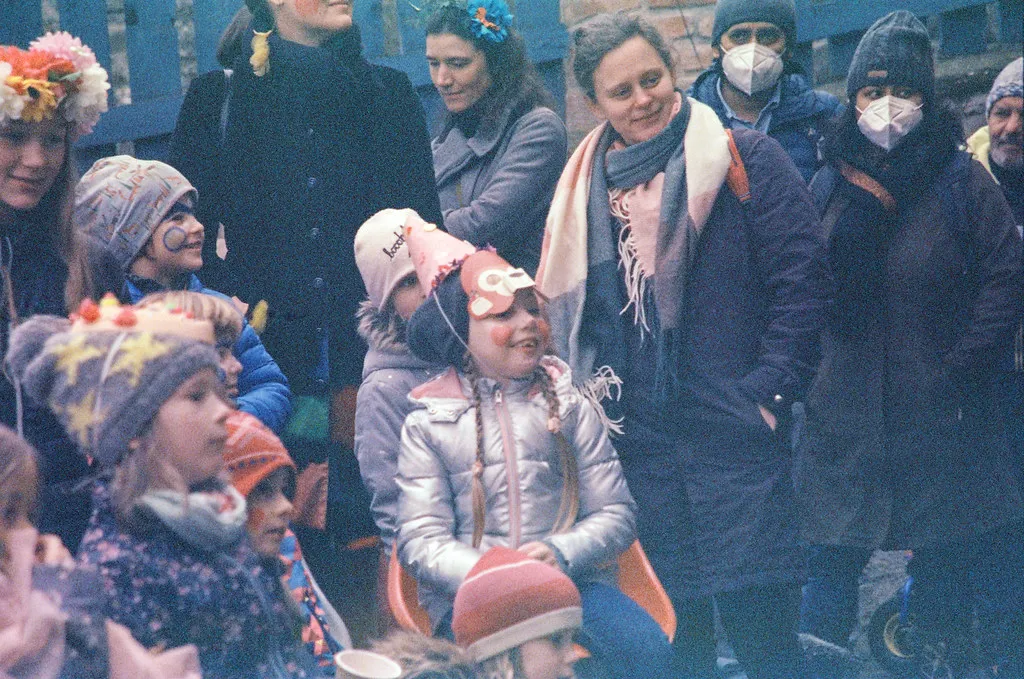
In Prague, the Masopust celebrations take a more urban form with festivals in neighborhoods like Žižkov and Letná. These city events often include puppet shows, live music, and markets selling roasted pork and other winter delicacies. Most neighborhood parades are free to join, though the evening parties in local pubs may have a small cover charge. We suggest checking the official Vk page for the latest schedule of spring events in the Czech Republic.
The costumes used in rural Masopust are often passed down through generations and made from natural materials like sheepskin. Participating in a village Masopust requires a respectful attitude, as these are deeply personal community events. We recommend hiring a local guide if you plan to visit smaller villages to ensure you understand the local social cues. Typical festivities run from early morning until the symbolic 'killing of the mare' ceremony at sunset.
Italy – Feast of San Giuseppe and Spring Food Traditions
The Feast of San Giuseppe, or Saint Joseph's Day, is celebrated on March 19th across Italy with religious devotion and food. In Sicily, communities build elaborate 'Saint Joseph’s Altars' decorated with symbolic breads, citrus fruits, and flowers. We recommend visiting Palermo or Salemi to see the most impressive displays, which are often open to the public. The tradition emphasizes charity, with the food from the altars typically distributed to the poor after the celebration.
Culinary traditions for this day include Zeppole di San Giuseppe, which are deep-fried dough balls filled with custard. In many Italian towns, massive bonfires are lit in the evening to burn the remains of the winter harvest. These fires symbolize the transition to spring and are often accompanied by communal singing and local wine. Expect to pay around €3 to €5 for a fresh pastry at a local bakery during the festival week.
Travelers should note that March 19th is also Father's Day in Italy, making it a busy time for family restaurant bookings. We suggest making dinner reservations at least two weeks in advance if you are staying in a major city. Many churches hold special masses, and the atmosphere in the piazzas is one of joyful community gathering. Public transport usually follows a holiday schedule in smaller towns, so plan your transit accordingly.
Rothenburg ob der Tauber: A medieval town worth more than one visit
Rothenburg ob der Tauber transforms into a living history book during the Meistertrunk festival held every Pentecost weekend. The event commemorates the legendary 'Master Draught' that saved the town from destruction during the Thirty Years' War. We love the sight of hundreds of locals dressed in authentic 17th-century military uniforms and peasant clothing. The festival includes historical camps, parades, and a reenactment play performed in the historic town hall.
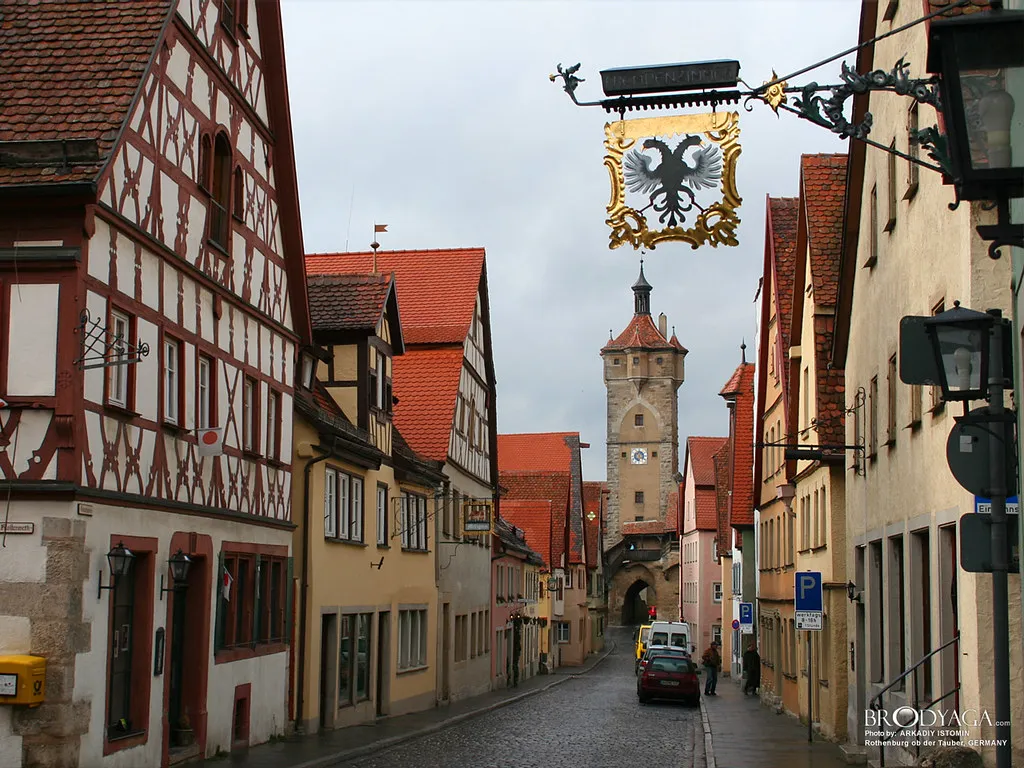
For those interested in festival photography, the town's timber-framed houses provide a stunning backdrop for every shot. We suggest arriving at the Plönlein corner early in the morning to capture the iconic view without the midday crowds. If you want to grow a successful photography business, festivals like this offer excellent opportunities for portfolio building. Professional photographers should check if a permit is required for commercial shoots within the historic city walls.
A day pass for the festival events typically costs around €10, which supports the local historical societies. Rothenburg is easily accessible by train from Nuremberg or Munich, though the station is a short walk from the center. We recommend staying overnight to experience the town after the day-trippers have left and the lanterns are lit. The Night Watchman's tour is a great way to learn about the town's darker history after the main festival events end.
Great Britain – Cheltenham Festival and Spring Fêtes
The Cheltenham Festival in March is the pinnacle of the British jump racing calendar and a major social event. We observe a unique blend of high fashion, sporting intensity, and traditional Cotswold hospitality during the four-day meet. The 'Cheltenham Roar'—the noise the crowd makes at the start of the first race—is a legendary experience for any visitor. Tickets for the popular Gold Cup day should be purchased months in advance to ensure entry to the main enclosures.
Beyond the racecourse, British spring is defined by village fêtes and traditional May Day celebrations across the countryside. We recommend visiting the Cotswolds in May to see maypole dancing and local markets selling handmade crafts. These events are usually free to enter and offer a quintessential look at rural British life and customs. Public footpaths between villages allow for a pleasant walk between different local celebrations in the spring sunshine.
Prices for race tickets vary from £40 for the Best Mate enclosure to over £100 for the Club enclosure. Trains from London Paddington reach Cheltenham Spa in about two hours, but they are extremely crowded during festival week. We suggest staying in nearby towns like Gloucester or Stroud to find more affordable accommodation options. Always pack a waterproof jacket, as the British spring weather is notoriously unpredictable even on sunny days.
Austria – Easter Markets and Spring Traditions
Austria's spring festival calendar begins in March and builds steadily through Holy Week. The most iconic event is the Easter Market in front of Schönbrunn Palace in Vienna, where vendors sell hand-painted eggs, carved wooden ornaments, and seasonal pastries against a backdrop of imperial architecture. The market typically opens in the second half of March and runs through Easter Sunday. Entry to the palace grounds and market is free, though individual stalls sell their wares from roughly €5 to €40.
In Salzburg, the Salzburg Easter Festival draws classical music audiences from across Europe for a week of opera and orchestral concerts during Holy Week. Tickets for headline performances range from €50 to €280 and should be booked several months in advance. Even in years when Easter falls in April, March itself offers quieter village processions and the reopening of outdoor wine taverns called Heurigen in Lower Austria. These Heurigen charge by the glass — usually €3 to €5 for a regional white — and offer a far more intimate experience than the big city markets.
Travelers visiting Austria in spring should note that public transport runs on an Easter Sunday holiday schedule, meaning reduced regional rail frequency. We recommend basing yourself in Vienna for the markets and taking a single day trip to Salzburg, rather than splitting nights between both cities. The combination of religious solemnity and festive craft markets is uniquely Austrian — it feels distinct from the more carnivalesque spring traditions found in Spain or Italy.
Malta – Carnival and Freedom Day Regatta
Malta packs two very different celebrations into March that are easy to miss if you only follow the mainstream European festival circuit. When Carnival falls in early March — it shifts yearly with the pre-Lent calendar — Valletta and the smaller island of Gozo host parades of enormous floats, masquerade balls, and street performances. The Maltese carnival style has a strong Baroque influence mixed with Mediterranean color, making it distinct from the Venetian or Cadiz traditions visitors may already know. Most street events in Valletta are free and concentrated around Republic Street.
On March 31, Malta marks Freedom Day, commemorating the departure of the last British military forces in 1979. The centrepiece is a traditional Regatta in the Grand Harbour, where eight-oared traditional boats known as kajjik race between the historic bastions. Spectators watch from the Upper Barrakka Gardens overlooking the harbour, which is one of the finest viewpoints in the Mediterranean. The gardens open at 07:00 and fill quickly — arriving before 09:00 secures a good position for the 10:00 race start.
Malta's compact size means both Valletta and Gozo are accessible from most accommodation by bus or ferry within 30 minutes. The island's relative anonymity on the European festival circuit means accommodation prices during Carnival week remain far lower than Venice or Tenerife for equivalent dates. We consider this one of the best-value carnival experiences in Europe, particularly for travelers who want the visual spectacle without the extreme crowds of better-known rivals.

Participatory vs. Spectator: What Each Festival Actually Requires
One detail most festival guides skip is the distinction between events where you watch and events where you must join in to get full value. Busójárás in Mohács invites visitors to wear masks and join the procession — standing behind a barrier watching from outside the parade misses the point entirely. Similarly, Swedish Midsummer works as participation: you are expected to dance the frog dance around the maypole, even if you look ridiculous doing it. These events reward the willing participant and feel flat for passive observers.
By contrast, Semana Santa in Seville is a spectator tradition with a strict social structure. The processions are organized by religious brotherhoods with centuries of internal hierarchy — no outsider joins the float-carrying procession, and that is by design. Watching from the street or a rented chair is the correct and respectful way to experience it. Attempting to insert yourself into the procession route is treated as a serious breach of local etiquette.
La Tomatina and Munich's Oktoberfest sit in the middle: both welcome full participation but also work for people who prefer a lighter involvement. At Tomatina you can watch from a raised balcony — spots rent for around €20 to €50 — rather than entering the tomato fight itself. At Oktoberfest, the reserved tent seating system means you can enjoy the atmosphere from a fixed bench without ever entering the standing-only central areas. Knowing which mode a festival expects from you before you arrive prevents both disappointment and accidental disrespect.
How to Plan a Smooth European Festival Trip
Successful festival travel requires a balance between structured planning and the flexibility to follow local recommendations. We suggest starting your research six to nine months before your departure date to secure the best transport links. Knowing how to plan a European festival trip involves checking for local public holidays that might affect shop closures. Use official tourism board websites to verify event times, as third-party blogs may contain outdated information from previous years.
Regarding what to skip, we generally advise avoiding the most commercialized 'tourist versions' of festivals in major capital cities. For example, the generic Christmas markets in main squares are often less authentic than smaller neighborhood gatherings. We also suggest skipping the 'VIP' packages for street festivals, as the real atmosphere is found among the local crowds. Focusing on smaller, regional events often results in a more meaningful connection with the history of Christmas markets in Europe and other traditions.
Packing the right gear is essential, especially for outdoor events that take place regardless of the weather conditions. We recommend comfortable, closed-toe shoes to protect your feet in large crowds and during long periods of standing. A small daypack with a portable charger and a reusable water bottle will save you time and money during the festivities. Always carry a small amount of local currency, as many traditional market stalls do not accept credit cards.
Frequently Asked Questions
What are the festivals celebrated in Europe?
Europe celebrates a vast range of festivals including religious events like Semana Santa, seasonal carnivals like Masopust, and cultural folk festivals like Oktoberfest. These events often combine ancient pagan roots with modern community traditions.
What are the traditions of the European Carnival?
Carnival traditions typically involve masquerades, elaborate parades, and indulgent feasting before the start of Lent. In many regions, specific characters like the Krampus or the Busó are used to symbolically chase away winter.
How do I find the best local festivals in Europe?
We recommend checking the official UNESCO Intangible Cultural Heritage list and regional tourism boards for authentic events. Smaller village festivals often provide a more intimate experience than major city celebrations.
Visiting Europe for more than one festival? See our complete guide to festivals and events in Europe.
Exploring these traditions offers a profound way to experience the living history of the European continent. By participating in these events, you help support the preservation of local customs that have survived for centuries. We hope this guide inspires you to venture beyond the typical tourist path and discover the heart of European culture.
Remember to travel respectfully and embrace the local way of life during your festival journey. Whether you are dancing around a midsummer pole or watching a fiery parade, the memories of these festivals will last a lifetime. Safe travels as you plan your cultural adventure for 2026 and beyond.
Explore More Festival Traditions & Culture Guides
Keep planning with our other in-depth festival guides across Europe.
- European Christmas Market Food and Drink Guide
- 10 Best Advent Traditions in Europe Explained
- European Festival Etiquette And Customs Guide
- European Midsummer Traditions Explained Travel Guide
- History Of Christmas Markets In Europe Travel Guide
- History Of The Venice Carnival And Its Masks Travel Guide
- How To Plan A European Festival Trip Travel Guide
- Religious Vs Secular Festivals In Europe Travel Guide
- The History Of Oktoberfest Explained Travel Guide
- The Running Of The Bulls Explained Travel Guide
- What Is a Christmas Market? A Travel Guide
- What Is Carnival And Why Is It Celebrated Travel Guide
- What Is Gluhwein and How to Make It
- What Is La Tomatina And How Did It Start
- What Is Las Fallas And Why Are They Burned Travel Guide
- What Is Semana Santa Holy Week Explained Travel Guide
- What To Pack For A European Festival Travel Guide
- Who Is Krampus and What Is Krampusnacht
Free guide: Europe's Festival Calendar
A month-by-month map of Europe's unmissable festivals — with the best dates to visit each and a local tip you won't find in the guidebooks.
You might also like


Continue reading
More guides you'll find useful