10 Best Festivals in Europe in Winter (2026)
Discover the best festivals in Europe in winter. From Amsterdam's lights to Scotland's Hogmanay, plan your trip with train routes, dates, and budget tips.
On this page
10 Best Festivals in Europe in Winter
Our editors have spent years navigating the continent's coldest months to identify the most authentic cultural celebrations. Winter in Europe offers a unique atmosphere where ancient pagan traditions meet modern artistic innovation without the summer crowds. This guide highlights the top celebrations that make the freezing temperatures worthwhile for every type of traveler. Last updated June 2026 with current pricing and transit data for the upcoming season.
Traveling during this period provides a distinct financial advantage as flight and hotel prices typically drop significantly. Many of the best festivals in europe in winter are free to the public or offer low-cost entry compared to summer music events. We have focused on events that are easily accessible by train to help you maximize your vacation time. Whether you seek glowing light displays or historic fire parades, these selections represent the pinnacle of European seasonal culture.
Free guide: Europe's Festival Calendar
A month-by-month map of Europe's unmissable festivals — with the best dates to visit each and a local tip you won't find in the guidebooks.
Must-See Winter Festival Highlights
Planning a trip around the European festival calendar by month ensures you never miss a major event. The following list combines iconic landmarks with niche experiences that showcase the diversity of the European winter. We have included specific logistical details for each entry to simplify your booking process. Most of these locations are well-connected by the extensive continental rail network for easy hopping between cities.
Those exploring Europe in December will find the most variety in terms of holiday-themed events. However, the celebrations continue well into the new year for travelers visiting in the later winter months. Each item below includes typical operating hours and price ranges to help you manage your travel budget effectively. Remember to book your accommodation at least three months in advance for the most popular city-center festivals.
- Amsterdam Light Festival (Netherlands) — canal-based art installations, late November to late January, free on foot or €27 by guided boat.
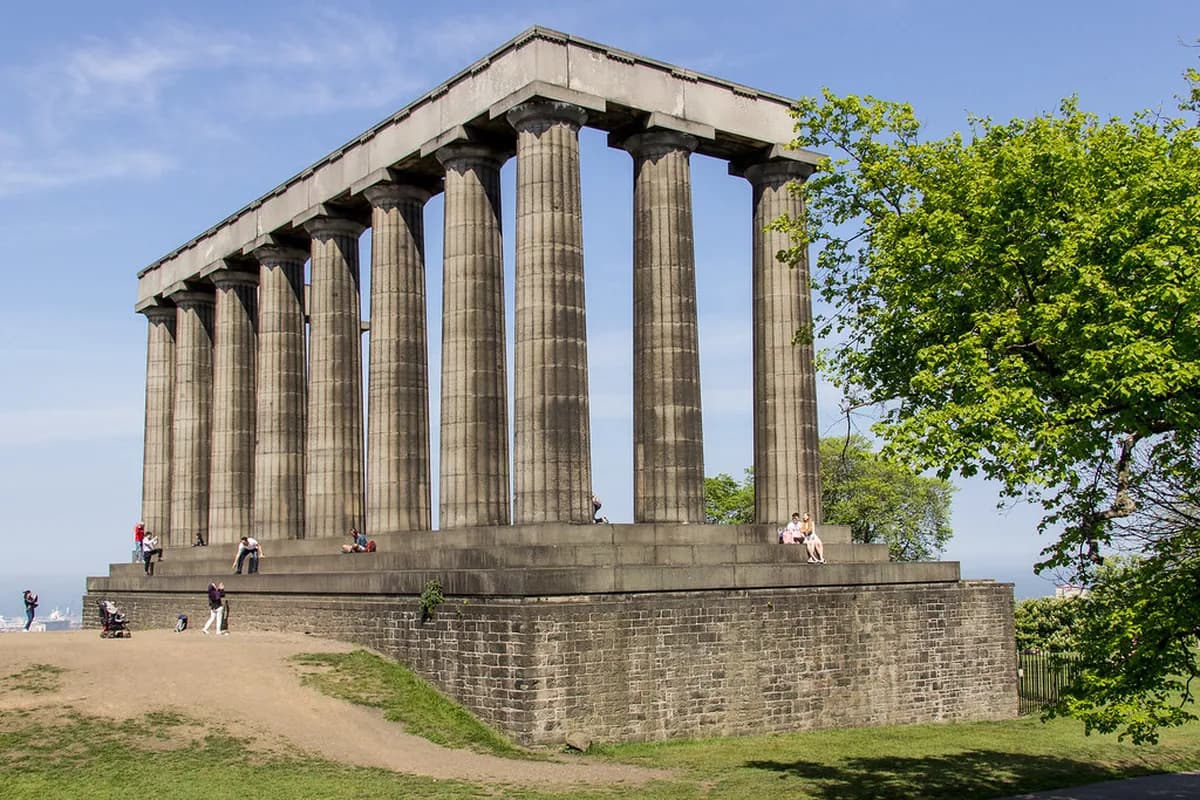
- Hogmanay (Edinburgh, Scotland) — three-day New Year street party, December 31–January 2, approximately £30 for street party tickets.
- Ice Music Festival (Norway) — ice instruments in the mountains of Finse, mid-February, around 500 NOK per concert.
- La Tamborrada (San Sebastian, Spain) — 24-hour drumming parade on January 20, free to watch in the Old Town.
- Fête des Lumières (Lyon, France) — four-day candle and light festival in early December, entirely free to the public.
- Tschäggättu (Lötschental Valley, Switzerland) — masked demon parade in February, free for spectators in the remote valley.
- Battle of the Oranges (Ivrea, Italy) — Italy's largest food fight over Carnival weekend in February, approximately €15 entry.
- Up Helly Aa (Shetland Islands, Scotland) — Viking galley burning on the last Tuesday of January, free to watch from the street.
- Snow and Ice Sculpture Festival (Bruges, Belgium) — international ice art in a thermal tent, late November to early January, around €15 for adults.
- Winter Solstice at Stonehenge (England) — free managed open access on December 21, rare chance to enter the stone circle.
Museums, Art, and Culture: The Heritage of Winter Festivals
Many winter celebrations across the continent find their origins in ancient pagan rituals designed to welcome the returning sun. Events like the winter solstice at Stonehenge highlight the deep connection between European ancestors and the celestial cycles. These traditions have evolved over centuries, blending folklore with modern artistic expressions to create the spectacles we see today. Understanding this heritage adds a layer of depth to your visit beyond the visual beauty of the light displays.
Lyon's Fête des Lumières carries one of Europe's most compelling origin stories. The city was devastated by the Black Death in 1643, and its residents prayed to the Virgin Mary for salvation. When a planned statue unveiling was cancelled by storms in 1852, thousands of Lyonnais spontaneously lit candles in their windows in defiance — and that act of collective hope became the festival. Four million people still travel to Lyon each December to honor that tradition, making it one of the most attended free events on the continent.
Modern culture also plays a significant role in the winter calendar, particularly through major artistic events like the Berlinale film festival in February. This prestigious event showcases the best of global cinema and attracts thousands of industry professionals to Berlin. Artistic installations at the Amsterdam Light Festival demonstrate how technology now enhances these traditional dark months, with works addressing themes like climate change and urban connectivity through the medium of light. Many regional museums offer special exhibitions during festival dates to provide further context for visiting international tourists.
Travelers interested in history should look for festivals that preserve local dialects and unique regional costumes. The Tschäggättu in Switzerland is a prime example of a community maintaining centuries-old woodcarving and fur-making techniques. Attending these events supports local artisans and ensures that these rare cultural practices do not disappear.
Parks, Gardens, and Outdoor Light Displays
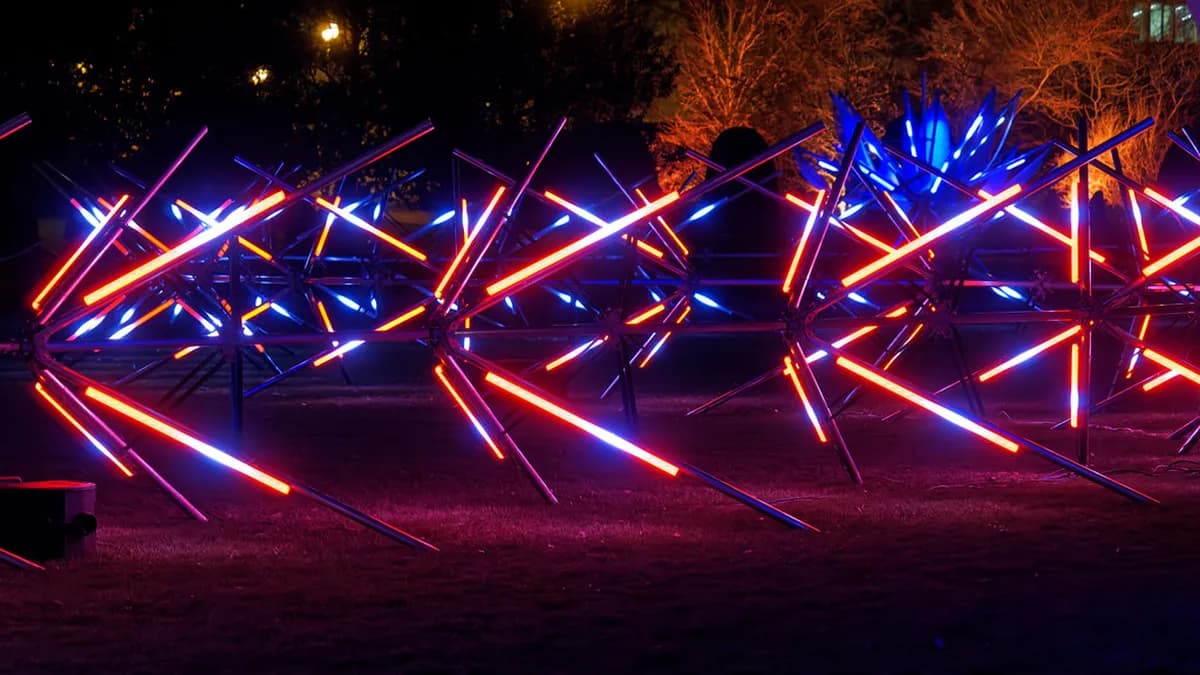
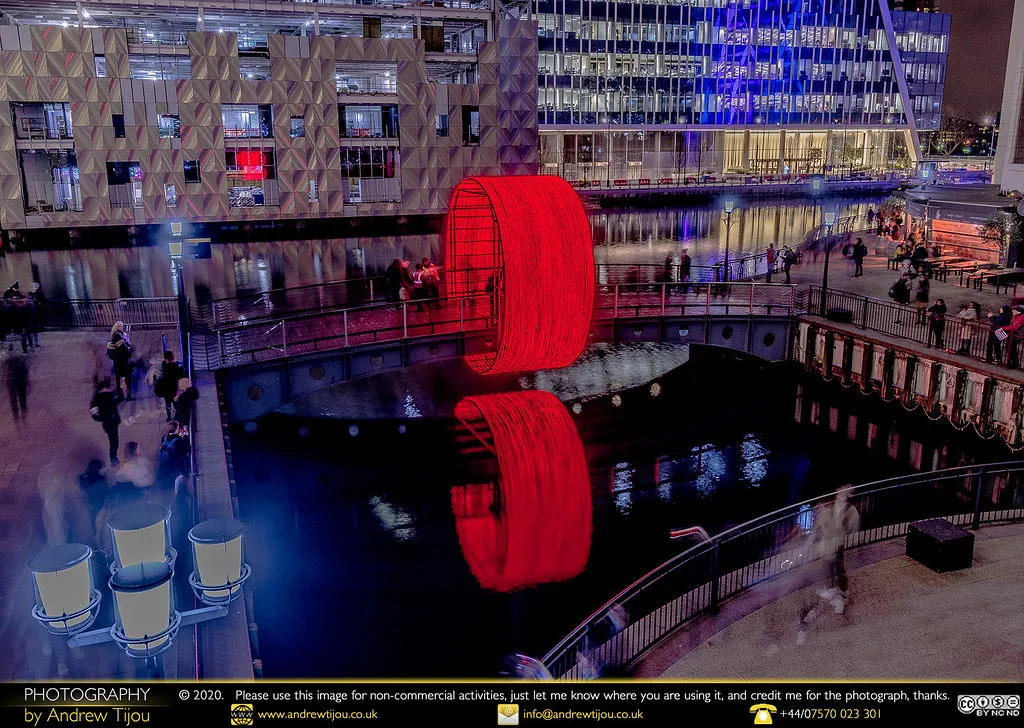
The Amsterdam Light Festival is the continent's definitive outdoor light experience. Installations stretch across the historic canal ring, reflecting in the water of the Herengracht, Keizersgracht, and Prinsengracht — three canals dug during the Dutch Golden Age of the 17th century, when engineers systematically drained a swamp to create one of Europe's most beautiful cities. You can walk the full land route for free, or book a covered, heated canal boat for approximately €27 to see the installations from the water. The festival runs daily from around 17:00 to 23:00 between late November and late January.
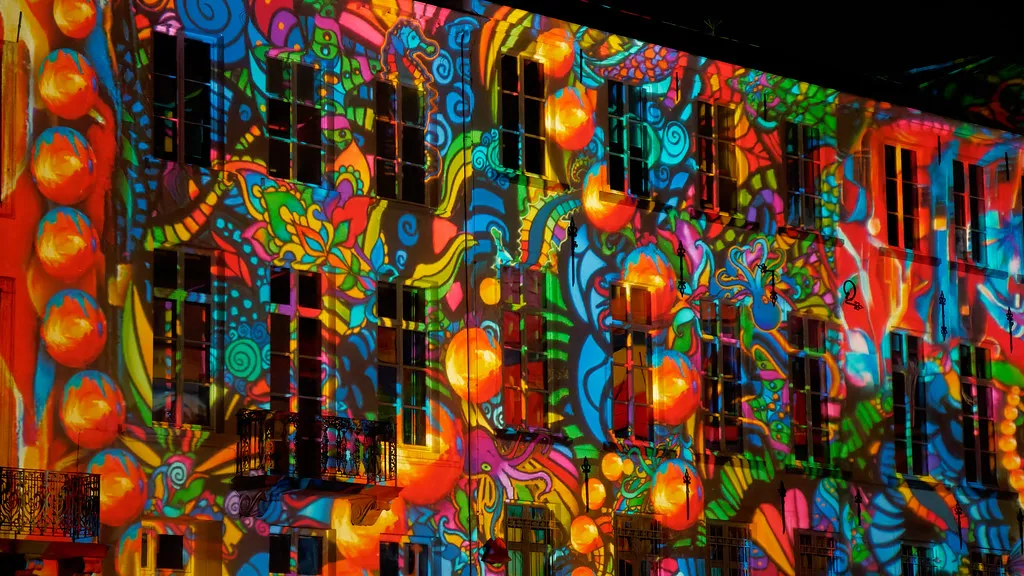
Lyon transforms its entire urban landscape for four days in early December. Projection mapping covers the Cathédrale Saint-Jean-Baptiste and the Place des Terreaux from 19:00 each evening. The displays are spread across multiple neighborhoods, so plan on walking 5–8 km over the course of a full evening to cover the main routes. Arriving at large installations 30 minutes before the show starts secures a clear viewing spot in the crowd.
The Winter Solstice at Stonehenge offers one of Europe's most atmospheric outdoor experiences. English Heritage grants free managed open access to the inner stone circle on December 21, from the pre-dawn hours until after sunrise. This is the only time of year when visitors can walk among the stones themselves without barriers. Take a train from London Waterloo to Salisbury, then the dedicated solstice shuttle bus to the site — check the English Heritage website for the current-year shuttle schedule and any parking restrictions.
A Hidden Winter Festival Worth the Detour
Liichtmëssdag in Luxembourg is one of the continent's most overlooked winter celebrations, and no major competitor guide covers it. Each February, children across Luxembourg's towns and villages carry homemade lanterns through the streets after dark, singing traditional songs to chase away evil spirits — a tradition that shares DNA with Germany's St Martin's lantern processions but predates most of them in this region. The atmosphere is closer to a neighborhood gathering than a tourist event, which is precisely its appeal.
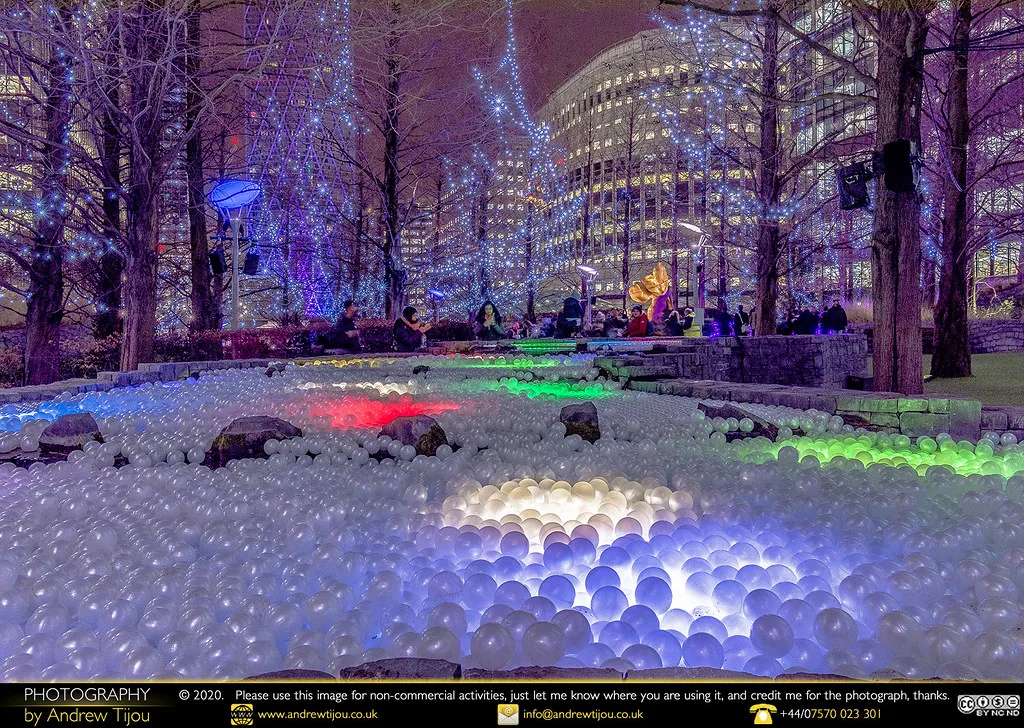
Watching Liichtmëssdag costs nothing, and the village-to-village scale means you are not fighting crowds. Luxembourg City itself is compact and walkable, with the lantern routes passing through the old town's UNESCO-listed fortifications. You can reach Luxembourg from anywhere in the Benelux or Germany with an Interrail Pass and no seat reservation required, making it one of the easiest festival detours on a multi-city rail trip. For families in particular, the gentle pace and early evening timing suit younger children far better than the late-night fire festivals in Shetland or the chaotic orange battles in Ivrea.
What to Wear for Outdoor Winter Festivals
Packing correctly changes your experience more than any logistical detail. Standing outdoors for two to three hours at an evening light festival in Amsterdam or Lyon in December means temperatures between 2°C and 6°C, often combined with damp canal air or river wind. The baseline is thermal base layers, a mid-layer fleece, and a waterproof outer shell — not a standard winter coat. Merino wool base layers are compact and regulate temperature better than cotton when you are alternating between standing still outdoors and moving through warm indoor spaces.
Active festivals require a different approach. At the Battle of the Oranges in Ivrea, wear old clothes you do not mind ruining — orange juice stains fabric permanently. A red woolen hat is mandatory to signal that you are a spectator and should not be targeted by throwers, but even spectators on the edges of the plaza get hit. Waterproof boots are more useful here than at the light festivals, where city pavement is the main terrain. At the Ice Music Festival in Norway, where temperatures can drop below -10°C during outdoor shows, heated inner gloves and a balaclava are not optional — they are the difference between enjoying the performance and cutting it short.
For festivals involving long queues or ferry crossings, such as Up Helly Aa on the Shetlands, add hand warmers and a thermos of hot liquid to your kit. The overnight ferry from Aberdeen is warm inside, but the waiting areas on the quay in January are exposed. Insulated, waterproof boots with a wool sock liner handle the transition from ferry to street festival without discomfort.
How to Plan a Smooth Winter Festival Itinerary
Navigating the continent during the colder months requires a strategic approach to logistics and transit scheduling. Using an Interrail Pass can significantly reduce your travel costs when visiting multiple countries. This pass allows for flexible movement between major hubs like Amsterdam, Paris, and Berlin on a single ticket. Download the Rail Planner app to track real-time train departures and platform changes across borders.
High-speed trains like the TGV in France or the ICE in Germany often require mandatory seat reservations for pass holders. These reservations typically cost between €10 and €20 and should be booked at least two weeks in advance. The Paris to Lyon TGV takes two hours but sells out fast during Fête des Lumières weekend — book the seat reservation the moment your dates are fixed. For slower regional trains (TER), no reservation is required and you simply board with your pass.
Transit times between major festival cities are shorter than most travelers expect. Schiphol Airport to Amsterdam Centraal is 15 minutes by NS train. Utrecht to Amsterdam takes 30 minutes; Gouda to Amsterdam takes 50 minutes. For Swiss routes: Geneva to Zurich is three hours, Interlaken to Zurich is two hours, and Bern to Zurich is one hour — all reservation-free with Interrail. Always build a 30-minute buffer between connections in winter to account for weather delays.
Family-Friendly and Budget-Friendly Festival Tips
Visiting Europe in January is one of the best ways to experience top-tier festivals on a budget. Hotel rates in major cities like Edinburgh and Amsterdam drop by up to 40 percent once the New Year crowds depart. Accommodation in neighborhoods slightly outside the historic center offers the best value — public transport in most European cities is efficient enough to make a 20-minute commute worthwhile.
Families should prioritize festivals with interactive elements suited to children. The Bruges ice sculpture festival runs in a thermal tent kept at -6°C — bring an extra layer for kids and plan to spend 45 minutes to an hour inside. Liichtmëssdag in Luxembourg is ideal for families with young children: lantern processions start early in the evening, cost nothing, and require no special equipment. Many events offer free entry for children under 12 or 6, so check the official festival website before purchasing tickets.
Budget travelers can save significantly by choosing the free festivals first and building around them. Lyon's Fête des Lumières, Amsterdam's land walking route, La Tamborrada in San Sebastian, and the Up Helly Aa street viewing are all free. For accommodation, staying near transport links rather than in the old town cuts costs without sacrificing access. Pack a high-quality thermal flask to avoid paying premium prices for hot drinks at outdoor stalls throughout the evening.
Frequently Asked Questions
What are the best light festivals in Europe during winter?
The Amsterdam Light Festival and Lyon's Fête des Lumières are the top choices for light displays. Amsterdam features canal-based art through January, while Lyon offers a four-day traditional candle-lit celebration in December. Both events are world-renowned for their artistic projection mapping.
Is it cheaper to visit European festivals in the winter?
Yes, winter is generally the off-season for European travel, leading to lower flight and accommodation costs. While major events like Hogmanay can be expensive, many cultural festivals are free to attend. You can save up to 40 percent on hotels by traveling in January.
How do I travel between European winter festivals by train?
Using an Interrail pass is the most efficient way to hop between different countries and cities. High-speed trains like the TGV and ICE connect major festival hubs in just a few hours. Always book seat reservations in advance for popular festival dates to ensure travel.
Visiting Europe for more than one festival? See our complete guide to festivals and events in Europe.
Winter in Europe is far from a quiet season, offering some of the most vibrant and historically significant festivals in the world. From the fiery traditions of the Shetland Islands to the high-tech glowing canals of Amsterdam, there is an event for every interest. By planning your logistics early and focusing on authentic cultural heritage, you can experience the continent in a way most tourists never see.
We encourage you to look beyond the standard tourist trails and embrace the cold for these unique celebrations. Whether you are drumming in the streets of Spain or watching ice instruments in Norway, the memories will be worth the chill. Check our festivian blog for more detailed guides on seasonal travel across the globe.
Free guide: Europe's Festival Calendar
A month-by-month map of Europe's unmissable festivals — with the best dates to visit each and a local tip you won't find in the guidebooks.
You might also like


Continue reading
More guides you'll find useful