11 Best Midsummer Celebrations in Europe (2026 Guide)
Discover the 11 best midsummer celebrations in Europe. From Swedish maypoles to Greek fire-jumping, plan your solstice trip with local tips and timing advice.
On this page
11 Best Midsummer Celebrations in Europe
The summer solstice, which falls around June 21 each year, triggers some of the continent's most deeply rooted festivals. We have tracked these events for years and believe midsummer celebrations in Europe offer the most authentic window into local heritage and ancient tradition. This guide was updated in June 2026 to reflect current event schedules, transport options, and admission costs. Whether you want a quiet hillside ritual or a beach bonfire that lasts until dawn, these eleven picks cover the full range.
Most travelers think first of Scandinavia, where the sun barely dips below the horizon. But the midsummer celebrations in europe extend deep into the Mediterranean, down to Greek island villages and Spanish beaches. Each country brings its own rituals, its own food, and its own name for the same ancient turn of the sun. Use this guide to match the experience to your travel style and timeline. If you are heading to Stockholm or Helsinki, our dedicated swedish midsummer guide and finnish juhannus midsummer guide go deeper on those cities.
Free guide: Europe's Festival Calendar
A month-by-month map of Europe's unmissable festivals — with the best dates to visit each and a local tip you won't find in the guidebooks.
Midsommar in Sweden: Maypoles and Flower Crowns
In Sweden, Midsommar is treated with the same cultural weight as Christmas. Celebrations happen on the Friday and Saturday that fall between June 19 and 25, so the date shifts slightly each year. Skansen Open-Air Museum in Stockholm hosts the country's most iconic public gathering, complete with folk costumes, live music, and the raising of the midsommarstången, or maypole, at midday. Entry costs approximately €20–25 per adult in 2026 and the park stays open until late evening.
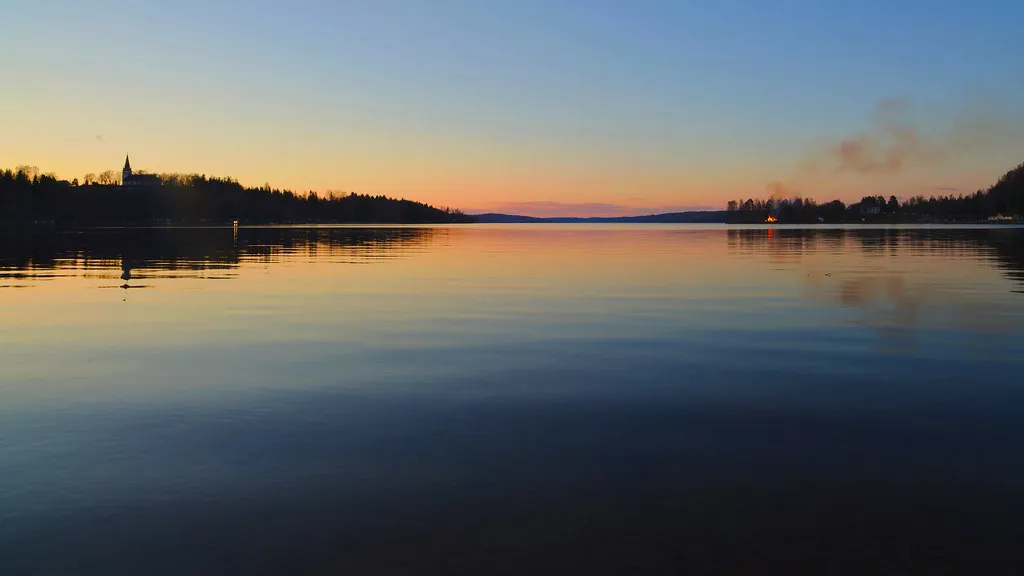
Flower crowns, called midsommarkrans, are woven from seven different wildflowers and worn by everyone from children to grandparents. It is traditional to bring your own pickled herring, new potatoes, and strawberries to share around a communal blanket. Brännvin shots are passed around while groups sing drinking songs known as snapsvisor. Turning up with food to contribute and learning one song lyric beforehand will earn you genuine warmth from Swedish hosts.
Outside Stockholm, the village of Dalarna in central Sweden is considered the heartland of authentic Midsommar. Small villages like Leksand and Rättvik attract visitors who want the rural version without the city crowds. Book accommodation in the region by March because the area fills up fast across every June weekend in the festival window.
Juhannus in Finland: Lakeside Bonfires and Saunas
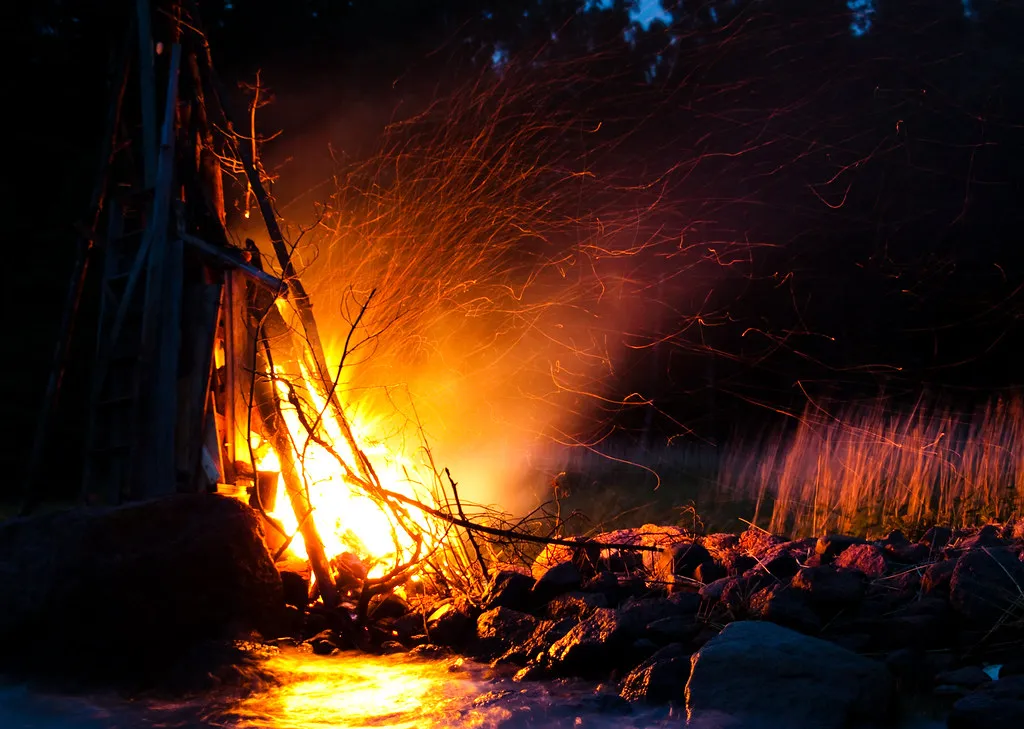
Juhannus is Finland's national midsummer holiday and one of the most important dates in the Finnish calendar. Local communities light a large bonfire called a kokko for everyone to gather around, typically on the shore of a lake. On Seurasaari Island in Helsinki, the city hosts a traditional celebration with folk dancing, a ceremonial wedding procession, and a kokko lit on the water's edge. Admission to the Seurasaari event runs around €25–30 per person and festivities continue until midnight.
The number 24 bus from central Helsinki drops visitors at the wooden bridge leading to the island. We recommend staying until the final bonfire is lit to see the wedding procession, which is performed in traditional costumes and accompanied by live accordion music. The atmosphere shifts from festive to quietly spiritual once the fire is burning and the midnight sun hangs just above the treeline.
For those who want the full Finnish experience, the ideal Juhannus is spent at a lakeside cottage, or mökki, with a wood-fired sauna and a swim in the lake at midnight. The lake-to-sauna-to-midnight-sun cycle is the ritual that defines Finnish midsummer more than any public event. Many rental agencies offer mökki bookings through sites like Lomarengas, but availability in June disappears quickly after March.
Sankthansaften in Denmark: Burning the Straw Witch
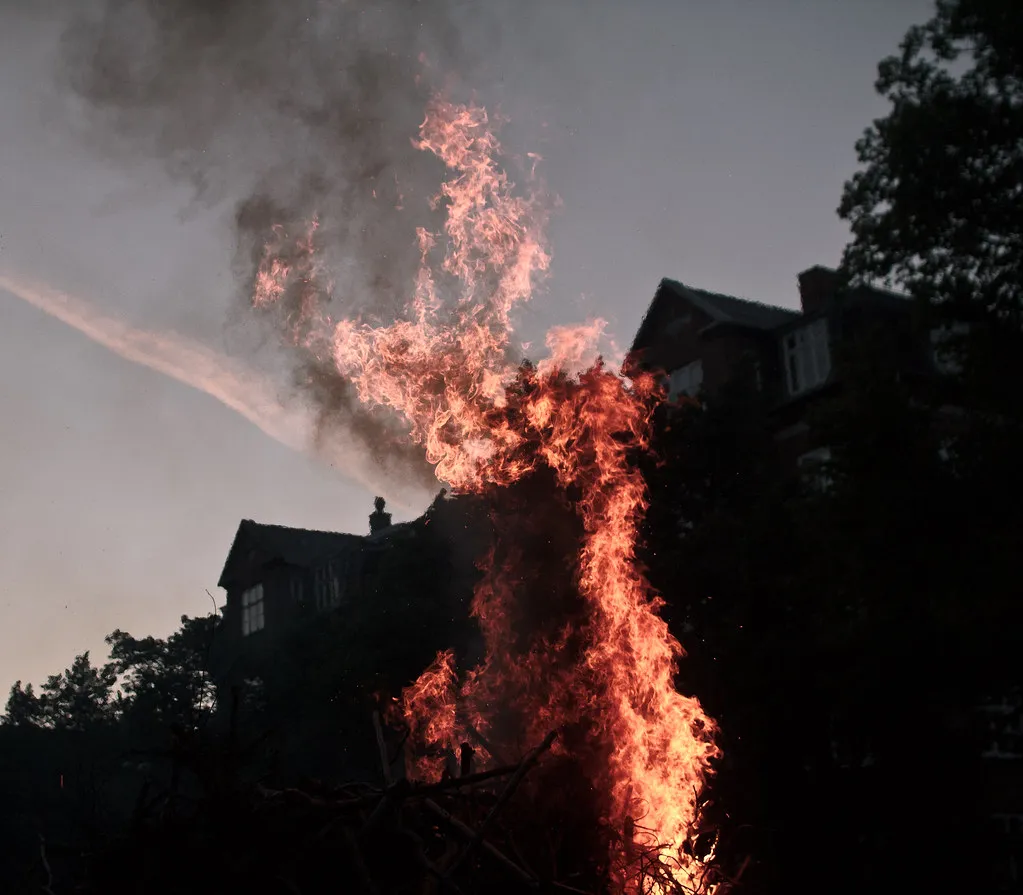
Danes celebrate Sankt Hans Aften on June 23 each year with harbor bonfires that feature a straw witch effigy placed on top of the pyre. The tradition holds that burning the witch sends her off to Bloksberg mountain and protects the community from evil through the coming winter. Along Copenhagen's waterfront and in Tivoli Gardens, crowds gather to sing Midsommervisen, the beloved midsummer anthem written by poet Holger Drachmann. These public events are free to attend and typically begin around 18:00.
Take the M1 or M2 metro lines to Kongens Nytorv for a short walk to the waterfront. Our editors suggest booking a canal-side restaurant table several weeks in advance if you want to watch the fires from a comfortable, reserved spot. The most intimate alternative to the main harbor is the Frederiksberg district, where smaller neighborhood gatherings offer better sightlines and noticeably lower food and drink prices.
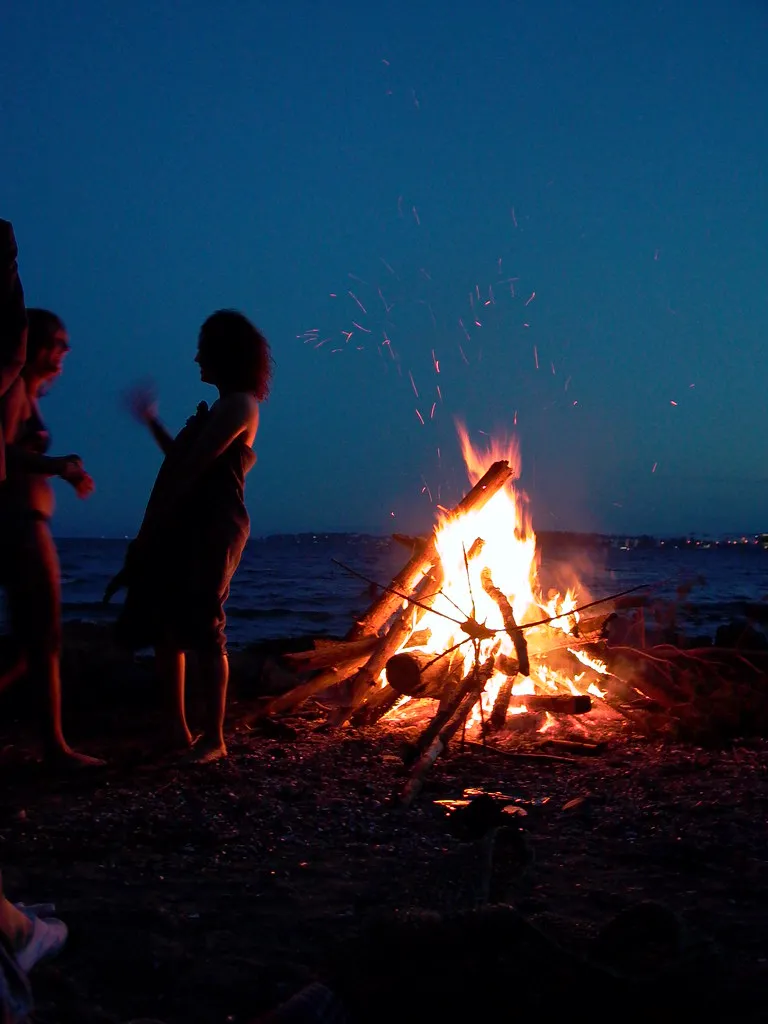
The straw witch burning distinguishes Danish midsummer from any other European solstice tradition. It is a detail that surprises most first-time visitors, who expect the same bonfires they would find in Norway or Finland. If you bring children, be aware that the effigy burning is dramatic but clearly theatrical, and local families treat it as a festive spectacle rather than a somber ritual.
Sankthans in Norway: Fjordlight and Massive Bonfires
In Norway, the celebration is called Jonsok or Sankthans and takes place on June 23. Bonfires burn along fjord shores and lake edges across the country, accompanied by music, handmade garlands of silver birch, and communal feasts. Ålesund is home to Slinningsbålet, one of the tallest bonfires in the world, built on the island of Slinningsodden. Viewing the fire is free for the public and the tower is usually ignited around 21:00.
The site is a 30-minute walk from Ålesund town center or accessible via local bus routes. We suggest watching from a boat in the fjord for the most spectacular perspective, as the scale of the fire only becomes apparent from the water. Bergen offers a similarly beautiful setting, with midsummer gatherings beside the city's lakes and harbors that are well organized and easy to reach by public transit.
The long fjord light, which barely darkens even at midnight in late June, turns ordinary Norwegian landscapes into something surreal. A late-night fjord cruise timed for midsummer combines the bonfire tradition with the visual drama of the midnight sun reflecting off calm water. Several operators in Bergen and Flam offer dedicated solstice cruises that depart after 22:00 and return before dawn.
Summer Solstice at Stonehenge: Sunrise in the United Kingdom
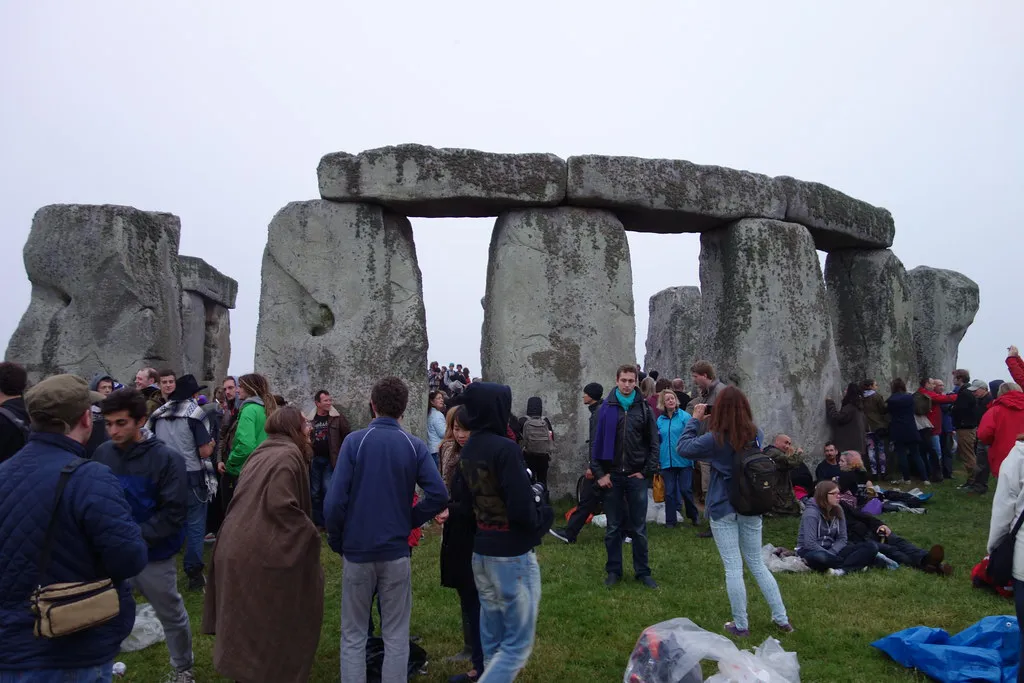
Stonehenge is aligned so that on June 21 the sun rises directly above the Heel Stone, casting light through the center of the stone circle in a moment that draws thousands of visitors each year. English Heritage opens the site for managed free access during the solstice, though parking fees run roughly €18 per vehicle. Special shuttle buses run from Salisbury railway station throughout the night for those without a car. The atmosphere ranges from reverent silence at sunrise to drumming circles and dancing by first light.
Nearby Avebury, located about 45 minutes north of Stonehenge by car, offers a compelling alternative for those who find Stonehenge too crowded. The Avebury stone circle is larger in diameter than Stonehenge and sits inside a living village, meaning you can walk among the stones at any hour without barriers or managed queuing. English druid groups hold quiet dawn ceremonies here on the solstice, and the site is free to enter at all times. Visitors who split their time between both sites get a much fuller picture of Neolithic solstice culture in Wiltshire.
Rules at Stonehenge during the solstice are strict: no alcohol, no large bags, and behavior must remain respectful of the site's spiritual purpose. Arrive by 02:00 if you want a central position near the stones for sunrise, which occurs around 04:52 on June 21. Bring layers, waterproofs, and a thermos because the Wiltshire plain is cold and exposed even in late June.
Hogueras de San Juan in Spain: Beach Revelry and Fire
Spain celebrates the eve of St John's Day on June 23 with La Noche de San Juan, a nationwide tradition centered on beach bonfires. In Alicante, the festival is called Hogueras de San Juan and runs for several days, featuring enormous artistic monuments that are eventually burned on the sand. In Málaga, locals write wishes or regrets on slips of paper and throw them into the flames at midnight, a ritual of renewal with roots older than Christianity. Access to the beaches and street parades is free, though some private tents and viewing areas charge a small entry fee.
Alicante transforms into a pedestrian-only zone in the city center for the duration of the festival. The L1 tram connects the main coastal areas and continues running late into the night during the event. Our team recommends wearing comfortable shoes because the distances between bonfires and parade routes add up quickly across a long evening.
The fire-jumping tradition found in some coastal towns is the most theatrical element of the Spanish celebration. Participants leap over small bonfires three times to purify themselves and bring good luck in the coming year. The beach at Barcelona's Barceloneta fills with tens of thousands of people on the night of June 23, making it one of the largest open gatherings of the European midsummer season.
Klidonas Festival in Greece: Jumping Over Flames
The Klidonas festival falls on June 23 and June 24 and is celebrated most authentically on the islands of Naxos and Crete. The ritual blends pre-Christian tradition with the feast of St John the Baptist and centers on purification bonfires that participants jump over to bring luck and reveal their romantic destiny. In the mountain villages of Crete, the fire-jumping happens in the town square after dark, accompanied by local music and tables of wine and food that anyone may join. Participation is free, but reaching the smaller inland villages requires a rental car.
On Naxos, the celebrations include a ritual of sealing an earthenware jar, called the klidonas jar, at dawn on June 24. Young women place personal objects inside and the jar is opened the following day, with the items used to predict who will marry first. The best villages for this ritual are in the interior of the island, an hour's drive from Naxos Town. Arrive by 20:00 to secure a spot near the fire and to sample the local wine before the jumping begins.
For those who want a more accessible version of the festival, the port cities of Heraklion and Chania on Crete both hold organized public events with bonfires near the waterfront. These are larger, more crowded, and less intimate than the mountain villages, but they require no car and are easily reached from the main tourist areas by foot.
Jónsmessa in Iceland: Folklore and Morning Dew
Jónsmessa falls on June 24 in Iceland and is steeped in folklore rather than large public spectacle. According to tradition, cows gain the power of speech at midnight, seals take human form on Jónsmessa night, and rolling in the morning dew at dawn grants magical healing properties. Þingvellir National Park, a UNESCO World Heritage site about 45 minutes' drive from Reykjavik via Route 36, provides a dramatic backdrop for marking the occasion. The park is free to enter, with a parking fee of around €8 per day.
The park is also the site of the ancient Icelandic parliament, the Alþingi, which makes it doubly meaningful for a solstice visit that blends natural wonder with historical depth. The midnight sun here is genuine — the sky never fully darkens in late June, shifting from gold to pale blue and back again without reaching true night. We suggest bringing a thermos and arriving late in the evening to experience the strange, luminous quiet that settles over the rift valley after midnight.
If you prefer a community event, Reykjavik organizes various Jónsmessa gatherings in public parks, but the city experience lacks the mythological atmosphere of the countryside. The Snæfellsnes Peninsula, known for its glacier and black sand beaches, is another strong option for those who want to mark the solstice in a landscape that feels genuinely ancient.
Hill of Tara in Ireland: Ancient High Kings' Rituals
The Hill of Tara in County Meath is the ancient seat of the High Kings of Ireland and one of the most spiritually charged solstice sites in Europe. On June 21, visitors gather at sunrise for music, storytelling, and quiet reflection among sacred mounds and standing stones that were aligned with celestial events long before the arrival of Christianity. Access to the site is free and it remains open through the solstice night. The Irish summer solstice is called Grianstad an tSamhraidh and draws a modest but deeply intentional crowd compared to Stonehenge.
The 109A bus from Dublin takes approximately 45 minutes to reach the nearby village of Navan, from which Tara is a short taxi ride. We recommend visiting at sunset as well as sunrise because the light hitting the Lia Fáil, or Stone of Destiny, shifts in color and angle in ways that make its celestial alignment visible to the naked eye. The hill itself offers panoramic views across twelve counties on a clear day, and a clear June dawn is one of the most beautiful things the Irish midlands can offer.
Druids and pagan groups hold organized sunrise ceremonies at Tara, and these are open to respectful observers. The atmosphere is inclusive but quiet: visitors are expected to stay on marked paths to protect the archaeology, avoid amplified sound, and leave no trace. Compared to the crowds at Stonehenge, the solstice at Tara feels genuinely intimate, making it one of the most rewarding experiences on this entire list for travelers who prefer depth over spectacle.
Alpine Solstice Fires in Austria: Mountain Peaks Ablaze
On June 21, the ridgelines of the Tyrolean Alps are set alight by thousands of mountain fires arranged in elaborate patterns, shapes, and symbols. The tradition, called Sonnwendfeuer or Herz-Jesu-Feuer in the Tyrol region, dates back centuries and continues to evolve into coordinated light displays that honor both nature and the region's deeply Catholic calendar. The Zugspitze Arena, which spans the Austrian-German border near Ehrwald, and the Mieminger range offer some of the most spectacular viewing corridors. Watching the fires from the valley floor is free and displays begin around 21:00.
The regional train from Innsbruck to Ehrwald provides easy access to the best viewing meadows in the Zugspitze Arena. For a comparison, the Kitzbühel area offers fires arranged in the shape of the Sacred Heart, which are visible from the valley and distinctly religious in character, while the Ötztal provides a more remote, pagan-feeling display along high alpine ridges. The Kitzbühel display tends to be more organized and publicized; the Ötztal fires are harder to reach but more dramatic in isolation.
Weather is the critical variable for this celebration. Heavy rain or fog at altitude can lead to cancellations or visibility loss even when the valley is clear. We suggest checking Tyrol.com for event confirmations in the week before your visit and identifying two or three viewing points at different elevations so you have a fallback if clouds descend on your primary choice.
Fête de la Musique in France: Midsummer Melodies
France celebrates June 21 with the Fête de la Musique, a nationwide festival of free live music established in 1982 that has since spread to cities across the world. In Paris, jazz quartets, orchestras, brass bands, and street DJs fill every arrondissement, public courtyard, and canal embankment with sound from afternoon until the early morning hours. Every performance is free and the Paris Metro runs all night on June 21 across several lines to help crowds move between neighborhoods. The Marais, Canal Saint-Martin, and Place de la République consistently produce the most energetic and diverse lineups.
The festival has deep roots in the summer solstice: the date of June 21 was chosen deliberately to honor the longest day and the ancient tradition of marking the sun's turning point with communal celebration. In rural France, some villages still light bonfires on midsummer night alongside the music, particularly in Brittany and the Basque Country, which preserves a version closer to the pre-Christian solstice tradition. These rural celebrations combine the acoustic intimacy of village festivals with a more elemental link to the season.
If you are in Paris, our strongest recommendation is to pick one neighborhood and walk it slowly rather than trying to cover the entire city. The Fête de la Musique rewards wandering — the best moments come from stumbling into a courtyard where a string quartet is playing to thirty people, not from tracking a published lineup. Wear comfortable shoes and bring cash for the food stalls that line the main gathering points.
How to Plan Your European Solstice Trip
Most of these celebrations cluster around June 21–24, which means you can chain two or three destinations if you plan transport in advance. A Nordic double — Stockholm and Helsinki — works well because the ferry crossing between the two cities is an experience in itself and takes about 17 hours overnight. Adding Copenhagen as a third stop extends the Nordic leg into an easy triangle using the Øresund Bridge by train. Budget three to four days per country to avoid the rushed feeling that comes with chasing festivals on tight connections.
If you plan to attend the summer solstice at stonehenge guide event, book transport from Salisbury months ahead because shuttle slots fill fast. Those heading to Latvia for Jāņi should consult our latvian jani ligo festival guide for farmstay options, which typically sell out by April. Rural accommodations at almost every destination on this list face similar pressure — if you wait until May to book June lodging near a midsummer site, you will pay a premium or accept a long drive.
Packing the same kit works for almost every destination: layers, a waterproof jacket, and sturdy walking shoes. Mosquito repellent is essential for Finland and Latvia in particular. A portable power bank is worth adding if you plan to photograph the midnight sun, which can drain a phone battery through a full night of shooting. Local etiquette follows a common thread across all eleven sites: bring something to share, stay on marked paths at sacred sites, and treat the fire as something meaningful rather than a photo backdrop.
Frequently Asked Questions
Which countries have the biggest Midsummer celebrations?
Sweden and Finland host the largest and most culturally significant events. Most businesses close as citizens head to the countryside for maypole dancing and lakeside bonfires. These nations treat the solstice as their most important summer holiday.
Is the summer solstice celebration at Stonehenge free?
Yes, entry to the stone circle is free during the managed open access for the solstice. However, you must pay for parking or shuttle bus transport from Salisbury. We recommend checking the official English Heritage site for specific entry times and rules.
What is the Kupala Night tradition in Eastern Europe?
Kupala Night involves ritual bathing and floating flower wreaths on rivers to predict future romance. Our Warsaw Kupala Night Guide explains these Slavic traditions in detail. It remains a popular folk festival in Poland, Ukraine, and Belarus.
Visiting Europe for more than one festival? See our complete guide to festivals and events in Europe.
Midsummer celebrations in Europe provide a rare chance to see ancient traditions thriving in the modern world. From the towering fires of Norway to the melodic streets of Paris, each event offers a unique perspective on summer. We encourage you to step outside the typical tourist paths to find the most authentic solstice magic. With a bit of planning and a respect for local customs, your 2026 solstice trip will be truly unforgettable.
Explore More Festival Guides
Keep planning with our other in-depth festival guides across Europe.
- Festa de Sao Joao Porto Guide
- 8 Essential Tips for a Finnish Juhannus Midsummer Guide
- 10 Essential Tips to Experience Festa de São João Porto
- 10 Ways to Experience Finnish Juhannus Midsummer
- How to Experience Kupala Night
- How To Experience Latvian Jani Ligo Festival
- How to Experience Summer Solstice at Stonehenge
- How to Experience Swedish Midsummer
- Warsaw Kupala Night Guide
- Latvian Jani Ligo Festival Guide
- Summer Solstice at Stonehenge Guide
- Swedish Midsummer Guide
Free guide: Europe's Festival Calendar
A month-by-month map of Europe's unmissable festivals — with the best dates to visit each and a local tip you won't find in the guidebooks.
You might also like


Continue reading
More guides you'll find useful