Cologne Christmas Market Guide: Everything You Need to Know
Plan your perfect trip to the Cologne Christmas markets with our 2026 guide. Includes dates, top 10 markets, food prices, and local transport tips.
On this page
Cologne Christmas Market Guide
Cologne transforms into a festive wonderland every winter season. The city hosts ten unique markets that draw over four million visitors annually. You will find traditional crafts and delicious treats around every corner. This guide covers everything you need to plan a trip to the best Christmas markets in Germany.
The scent of roasted nuts and mulled wine fills the crisp air. Glittering lights drape across the historic streets of the Old Town. Local artisans showcase their skills in beautifully decorated wooden stalls. Planning ahead ensures you experience the best of this magical season.
Free guide: Europe's Festival Calendar
A month-by-month map of Europe's unmissable festivals — with the best dates to visit each and a local tip you won't find in the guidebooks.
Is the Cologne Christmas Market Worth Visiting?
The Cologne Christmas market scene is one of the largest in Europe. Travelers consistently rank it as a top destination for holiday cheer. The variety of themes across ten distinct markets keeps the experience fresh at each stop. You can visit multiple markets in a single day due to their proximity to one another.
The backdrop of the massive Kölner Dom adds a dramatic flair that few European cities can match. Few places offer such an iconic Gothic setting for their festive stalls. This architectural masterpiece creates a stunning view for evening photos, especially once the cathedral lights up after dark. The atmosphere feels both historic and vibrant throughout the city center.
Cologne provides a more diverse experience than smaller German towns. You can enjoy everything from ice skating to nautical-themed displays and alternative vegan markets in hip neighborhoods. The city also boasts a world-class culinary scene beyond the stalls themselves. It is a strong choice for families, couples, and solo travelers alike.
Essential Logistics: 2026 Dates and Opening Hours
Most markets in Cologne begin in mid-to-late November and run through late December. The earliest market to open in 2026 is the Harbour Christmas Market, which starts on 13 November. You should check the Cologne Christmas market dates before booking flights, as each venue has a slightly different schedule. Most markets close on 23 December, so do not plan your visit around Christmas Eve.
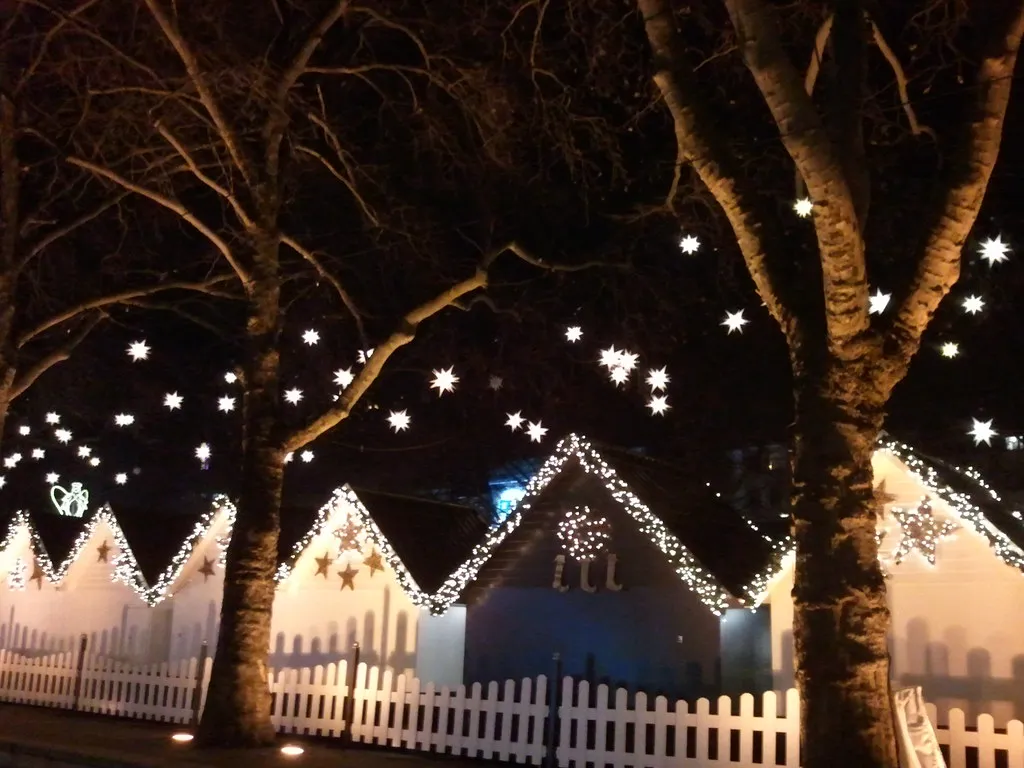
Standard daily opening hours run from 11:00 to 22:00 across the main central markets. The Stadtgarten market is a notable exception and catches many visitors off-guard. On weekdays it does not open until 16:00, while on weekends it opens at noon. Arriving at Stadtgarten before 16:00 on a Monday through Friday means you will find it completely closed — a common mistake worth avoiding.
Some smaller markets might close on Totensonntag, a solemn day of remembrance that falls in late November. Evening visits from 18:00 onward offer the best lighting and atmosphere but also the largest crowds. Weekday mornings from 11:00 to 13:00 are the quietest window for photography and a relaxed stroll. Verify the latest updates on the Cologne Tourism official Christmas page.
How to Get to and Around Cologne
Cologne Bonn Airport (CGN) connects to over 130 domestic and international destinations. The airport sits only fifteen minutes from the city center by direct train or taxi. Taxis are available at the rank but the S-Bahn is faster and cheaper. High-speed train connections also link Cologne to Amsterdam, Brussels, and Frankfurt in under two and a half hours.
If you are already exploring Germany by rail, direct trains connect Cologne to Nuremberg in three to four hours, Munich in four to five hours, Hamburg in four hours, and Bremen in three hours. Cologne's main station sits immediately behind the Cathedral and next to the Rhine River, making it one of the most convenient arrival points in the country. Direct trains also connect Cologne to Nuremberg and Berlin for multi-city itineraries.
Cologne is a low-emission zone, so driving into the center requires an environmental sticker — public transport is the smarter option for most visitors. Walking is the best way to soak in the Old Town atmosphere since most central markets are within a fifteen-minute walk of each other. The KVB tram network covers the outer neighborhoods efficiently. Consider getting the KölnCard, which bundles free public transport with 50% off at participating restaurants and discounted entry to museums — a solid value for a two-day stay.
Navigating between markets is also easy thanks to the Christmas Market Express. This festive hop-on/hop-off train runs every fifteen minutes and costs €15 for a round-trip ticket. It connects the four main central markets and is particularly useful for families with young children or anyone who wants to avoid long walks on cold evenings. Check the Bimmelbahnen Christmas Market Express site for the 2026 timetable and stops.
The 10 Christmas Markets in Cologne to Explore
Cologne hosts ten official markets in the city center, each with its own personality and crowd. Most visitors combine three or four in a single day thanks to the compact layout of the Old Town. The Cathedral market is the undisputed anchor, but several smaller markets offer a more local and relaxed feel.
The Christmas Market at Cologne Cathedral (Roncalliplatz) is where most visitors begin. An 82-foot Christmas tree stands in the shadow of the Gothic spires, surrounded by around 150 stalls selling handmade crafts, seasonal food, and gifts. Live performances on the central stage run daily. It is the most crowded market in Cologne — arrive before midday or after 20:00 if you want space to breathe.
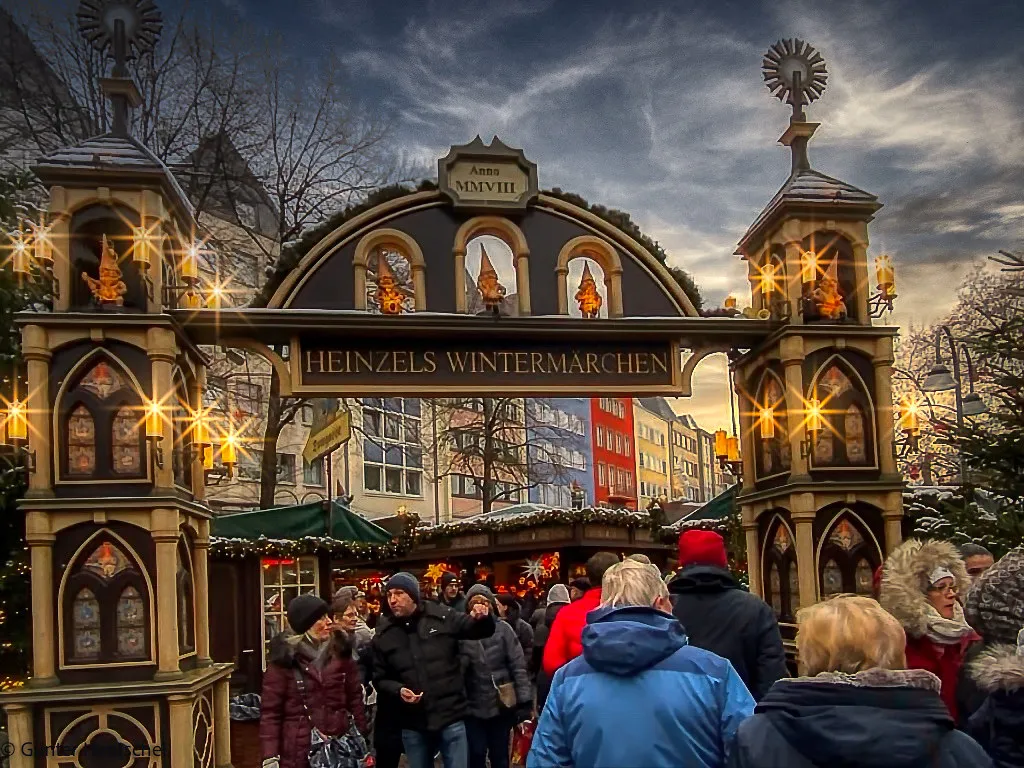
Heinzels Wintermärchen at Alter Markt and Heumarkt is a close second in popularity and arguably the most atmospheric. Inspired by Cologne's legendary Heinzelmännchen house-elves, it stretches across two cobblestone squares with a proper ice skating rink woven into the stall layout, themed candy and toy alleys, and artisan demonstrations. It has been running in various forms since 1820.
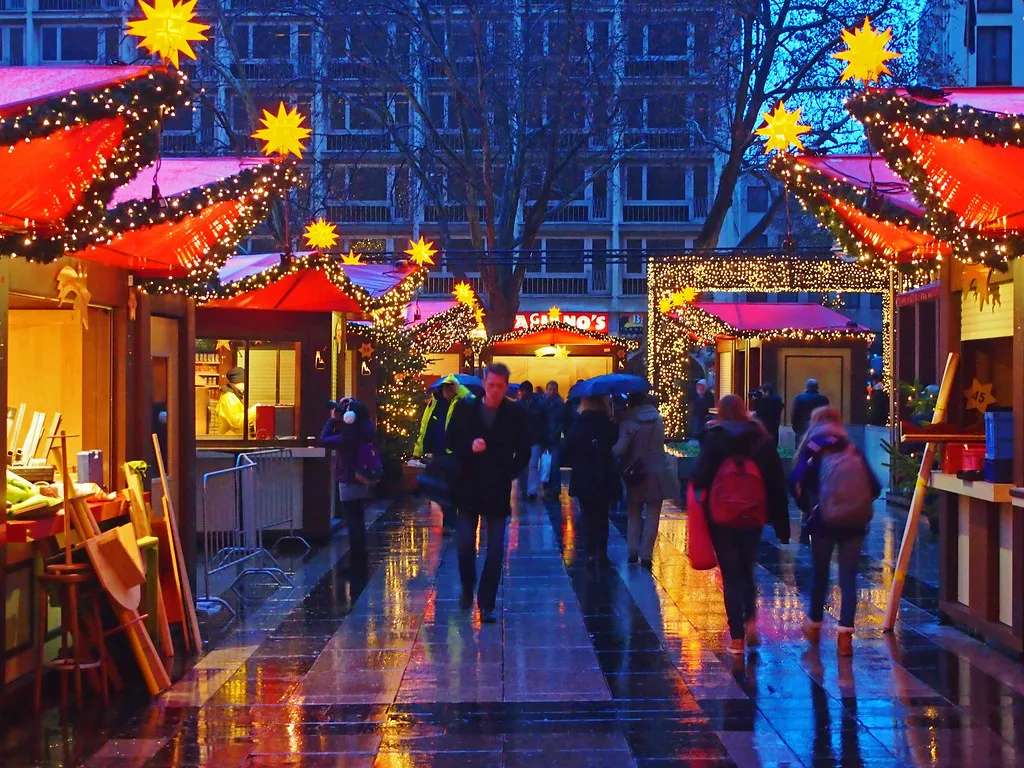
The Market of Angels (Markt der Engel) at Neumarkt leans into an elegant, celestial theme with star-lit canopies over the stalls. It was the first Cologne market to adopt the angel concept and remains one of the prettiest for photos. Costumed angels walk through the market greeting visitors — ask for a photo and they will happily oblige with a "Frohe Weihnachten."
Nicholas Village at Rudolfplatz is the best option for families with children. Set against the backdrop of the medieval Hahnentor gate, it features a walkable house of St. Nicholas, elves, reindeer, a giant Advent calendar, and a cozy village chapel. It sits a ten-minute stroll from the Market of Angels and near the trendy Belgian Quarter.
The Harbour Christmas Market near the Chocolate Museum adds a nautical twist with snow-white tent sails, stage performances featuring sailor stories and shanties, and a Ferris wheel on the riverfront. The Rhine backdrop makes it a striking stop, and the proximity to the Chocolate Museum makes it easy to combine both in one afternoon.
The Advent Village with Christmas Pyramid behind the Cathedral on Am Hof is easy to miss but worth seeking out. It is mostly food stalls centered on a spinning Christmas pyramid — a traditional wooden tower from Germany's Erzgebirge region. It has a quieter feel than the main Cathedral market despite being just a short walk away.
The Stadtgarten Christmas Market is a favorite with locals precisely because most tourists overlook it. Tucked into Cologne's oldest park on the edge of the Belgian Quarter, it features over 90 rotating exhibitors and more than 30 live music events. Remember: weekdays from 16:00 only, weekends from noon.
The Ehrenfeld Christmas Market at the Bumann and Sohn bar brings an alternative, independent vibe to the city's trendy Ehrenfeld district. Artisanal crafts, vegan and organic food stalls, and nightly live music attract a younger local crowd. It is the market to visit if you want something that feels nothing like a tourist attraction.
The Vrings Advent at Chlodwigplatz in Südstadt has a genuine neighborhood feel with local crafts, historical light projections, and a children's carousel. A short walk away, the Kleinste Weihnachtsmarkt in the Kartäuser Church courtyard is the smallest market in the city — a tiny, charitable event run with proceeds going to local causes. Both are worth combining into a single afternoon in Südstadt for visitors who want to see how Cologne locals actually celebrate the season.
What to Eat, Drink, and Buy: A Foodie's Guide
Eating at the markets is a highlight of any German winter trip. Reibekuchen — crispy potato pancakes served with applesauce — are a staple of the local Cologne diet and available at almost every market. Expect to pay around five to seven euros for a generous portion. At Heinzels Wintermärchen, look out for the "half-meter" Bratwurst, a theatrical sausage-in-a-bun that is impossible to miss.
Glühwein is the essential drink for staying warm in the cold air. A mulled wine plus the souvenir mug typically costs around eight euros in total. The stalls use a Pfand (deposit) system: you pay €3–5 for the ceramic mug on top of the drink price. Return the mug to any stall at that market when you are done and you get the deposit back in cash. Many visitors keep at least one mug as a souvenir — each market has a different design, and collecting them has become a social media tradition of its own.
If you do not drink alcohol, order Kinderpunsch — a warm, spiced fruit punch served in the same collectible mugs. For something theatrical, seek out Feuerzangenbowle at the Cathedral market: a large rum-soaked sugar cone is set alight above a bowl of mulled wine and allowed to drip down as it burns, creating a smoky, caramelized version of the drink.
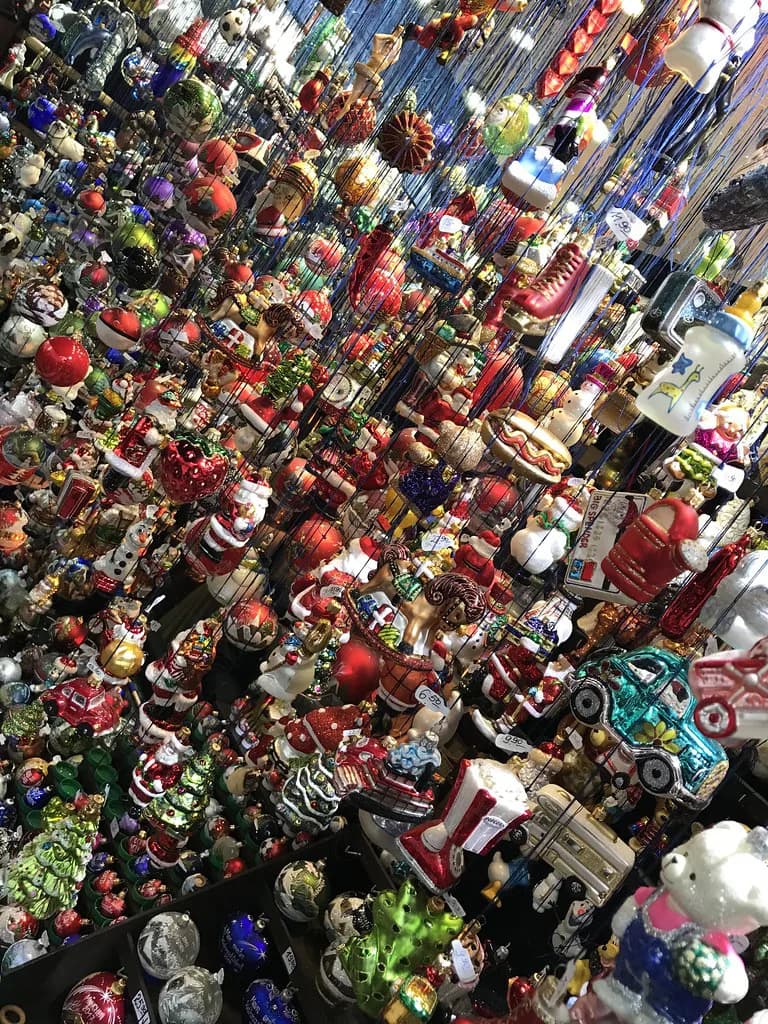
Cologne is also famous for its light and refreshing Kölsch beer. Take a break from the stalls at Peters Brauhaus near Rudolfplatz or the busier Brauhaus Früh am Dom for traditional German food alongside a fresh pour. Waiters at traditional Kölsch bars will keep bringing small 0.2-litre glasses automatically until you place a beer mat on top of your glass. Shopping for gifts is easy with handmade ornaments, Christmas pyramids, intricate wood carvings, paper stars, and Spekulatius cookies widely available. Many stalls accept cards, but carrying cash is still a practical backup.
Day Trips from Cologne to More Christmas Markets
Cologne's central location in western Germany makes it an excellent base for day trips to other festive destinations. Düsseldorf is the easiest option at just 30–40 minutes by direct train from Cologne Central Station. It has a distinct character from Cologne — more upscale, with chic decorations and a lineup of themed markets along the Old Town waterfront. Consider a day trip to the Dresden Christmas market for the full eastern Germany experience, though that requires an overnight stay given the distance.
Aachen is about an hour by train and worth the detour for its UNESCO-listed cathedral and the famous Aachener Printen gingerbread that fills the market stalls with scent. Monschau, a tiny half-timbered village tucked into the Eifel hills, requires a train plus a short bus ride but delivers a snow-globe atmosphere that larger cities cannot replicate. Bonn is just a thirty-minute train ride south of Cologne and offers a quieter, charming market with far fewer crowds than the city centers.
For something truly different, Drachenburg Castle in Königswinter hosts a Christmas market within the castle grounds, complete with Rhine Valley views and a funicular ride up the hill. All these destinations are reachable within a single day from Cologne, making them practical additions to a four- or five-night base in the city.
Where to Stay: Best Hotels and Neighborhoods
Choosing the right location makes exploring the markets much more enjoyable. The Altstadt area is perfect for those who want to be near the action. You will find many hotels within walking distance of the Cathedral, from budget options like the Ibis Hotel Köln Dom to five-star properties such as the Excelsior Hotel Ernst am Dom. Review our guide on where to stay for Cologne Christmas market trips for specific recommendations.
The Hyatt Regency Cologne on the east bank of the Rhine offers front-row views of both the river and the Cathedral, with easy access to the Old Town via the Hohenzollern Bridge. Neumarkt offers a central location with excellent KVB transit links if you plan to take day trips to other cities. The Belgian Quarter provides a cooler, more local vibe for younger travelers, with trendy cafes, independent boutiques on Maastrichter Strasse, and Brüsseler Platz as a hub.
Hotels fill up quickly during the peak weeks of early to mid December. Book accommodation at least three months in advance for the best rates and availability. Prices rise sharply as Christmas approaches. Staying slightly outside the center — in Ehrenfeld or Deutz — can save money while keeping you within a short tram ride of all ten markets.
Beyond the Markets: Top Cologne Attractions
Cologne offers many attractions that complement a Christmas market visit. The Kölner Dom took over 600 years to build and is free to enter. The interior with its soaring Gothic arches and medieval stained glass is a peaceful contrast to the market crowds outside. Climbing the south tower costs a few euros and provides a breathtaking aerial view of the festive lights below.
The Lindt Chocolate Museum sits right beside the Harbour Christmas Market and is ideal for a family break from the cold. Entry is approximately €14 per adult (2024 pricing). The famous chocolate fountain inside allows visitors to dip a wafer and taste fresh chocolate — a memorable stop for children. The raised riverside platform behind the museum gives excellent views of the Rhine bridges.
A walk along the Rhine River and across the Hohenzollern Bridge reveals thousands of love locks on the steel railings. The bridge is best at dusk when the Cathedral lights up and reflects in the river. The Old Town alleyways around Alter Markt, Rheingasse, and Frankenwerft are full of charm at any hour. The Belgian Quarter and the Farina Fragrance Museum — birthplace of Eau de Cologne in the 1700s — are worth an afternoon for anyone curious about the city's cultural history.
What to Wear: Winter Packing List for Germany
German winters are cold and damp with occasional snow in December. Layering your clothing is the most effective approach to staying comfortable during long evenings at the markets. Start with a high-quality thermal base layer to trap body heat against your skin. A waterproof outer coat is essential for the rain that often arrives in December.
Comfortable, waterproof walking shoes are the most important item in your luggage. You will walk several miles each day on cobblestone streets that can be slippery when wet or icy. Thick wool socks will keep your toes warm during long evenings outside. Do not underestimate how cold it feels when standing still at a market stall with a river breeze coming off the Rhine.
Warm accessories — hat, scarf, gloves — are non-negotiable. A small backpack or cross-body bag is useful for carrying souvenirs, cash, and a water bottle without slowing you down at the stalls. Carry a portable power bank to keep your phone charged for photos and navigation. Some vendors only accept cash, so keep enough euros on hand alongside any credit cards.
Sample 2-Day Cologne Christmas Itinerary
Begin your first day at the Cathedral market for the classic experience. Spend the morning browsing the 150 stalls and taking photos with the Gothic towers as a backdrop. Cross Am Hof to find the smaller Advent Village with its spinning Christmas pyramid before the lunch crowds arrive. End the afternoon at Heinzels Wintermärchen for the skating rink and Candy Lane, then finish the evening with a traditional dinner at Peters Brauhaus near Rudolfplatz.
On day two, start at the Market of Angels at Neumarkt for elegant gift shopping. Walk ten minutes to Nicholas Village at Rudolfplatz for families, or explore the Belgian Quarter for independent shops and cafes. Take the Christmas Market Express to the Harbour market near the Chocolate Museum in the afternoon. Visit the Chocolate Museum before 17:00 to avoid the peak crowd, then ride the Express back to the Cathedral for a final Glühwein under the lights.
If you have time on a weekday evening, head to the Stadtgarten market after 16:00 for a quieter, local atmosphere. From there the Ehrenfeld district is a short tram ride for craft beer and organic food at the alternative market. If you have extra time, a thirty-to-forty-minute direct train to Düsseldorf opens up a completely different set of festive markets for a half-day extension.
Expert Tips for Navigating the Crowds
The markets are busiest on Friday evenings and all day Saturday. Visit on a Tuesday or Wednesday for a much more relaxed atmosphere. Early morning visits from 11:00 to 13:00 are best for photography without large groups in the background. Evenings from around 18:00 onward bring the best lighting but also the densest crowds at the Cathedral and Alter Markt sites.
Keep your belongings secure in crowded areas. Use a cross-body bag with a zip closure, or keep your wallet in a front pocket. The markets are generally very safe but busy public spaces attract opportunistic pickpockets during peak hours. Look for the official information booths if you need directions or assistance.
Meeting points are helpful if you are traveling with a group. The tall Christmas tree at the Cathedral is visible from a wide area and serves as an easy landmark to regroup. Agree on a time and meeting point before you split up to browse different stalls. The Christmas Market Express stops are also clear reference points for coordinating across the city.
Frequently Asked Questions
Is the Cologne Christmas Market worth visiting?
Yes, it is widely considered one of the best in Europe. The city offers a unique mix of traditional charm and modern festive events. You can find more inspiration on the Festivian blog for your next winter holiday.
What date are the Christmas markets in Cologne?
Most markets open in the last week of November. They typically run until December 23rd or 24th each year. Some smaller markets may stay open until the first week of January for the New Year crowds.
Which is the best Cologne Christmas market?
The Cathedral market is the most famous for its stunning views. However, Heinzels Wintermärchen is often a favorite for its traditional atmosphere and ice rink. Each market offers a different theme and set of unique local crafts.
How many Christmas markets are there in Cologne?
Cologne hosts seven main themed markets in the city center. There are also several smaller, neighborhood markets scattered throughout the different districts. You can easily visit the top four or five in a single weekend trip.
Visiting Cologne for more than one festival? See our complete guide to festivals and events in Cologne.
Cologne offers a truly unforgettable Christmas experience for every type of traveler. From the towering Cathedral to the cozy stalls of the Old Town and the alternative markets of Ehrenfeld, the magic covers the entire city. Use this guide to navigate the logistics and enjoy the best food, drinks, and day trips. Start planning your festive getaway early to lock in the best hotel rates for the 2026 season.
Free guide: Europe's Festival Calendar
A month-by-month map of Europe's unmissable festivals — with the best dates to visit each and a local tip you won't find in the guidebooks.
You might also like

Continue reading
More guides you'll find useful