Festivals And Events In Berlin Travel Guide
Berlin's festival calendar all year: the February Berlinale, summer open-air concerts, the Festival of Lights, and Christmas markets, with dates and tips.
On this page
Festivals And Events In Berlin
Berlin runs on festivals — the city hosts major events in every season, from film premieres in February to Christmas markets in December. Whether you want world-class cinema at the Berlinale, open-air concerts in the park, or a street parade celebrating 140 different cultures, this city has a slot in the calendar for it. This guide covers the festivals and events across European cities we track, with a close focus on Berlin's biggest and most practical options.
Berlin's festival scene spans free neighbourhood street fairs, ticketed electronic music nights at former power stations, and grand cultural parades drawing close to a million spectators. Knowing which events suit your travel dates — and what to book ahead — makes the difference between a smooth trip and a sold-out disappointment. We've pulled together the key facts, ticket ranges, and 2026 dates so you can plan with confidence. If you're combining German cities, compare Berlin's line-up with the festivals and events in Hamburg to the north.
Free guide: Europe's Festival Calendar
A month-by-month map of Europe's unmissable festivals — with the best dates to visit each and a local tip you won't find in the guidebooks.
Must-See Berlin Festivals Throughout the Year
The Berlin International Film Festival (Berlinale) runs every February, turning Potsdamer Platz into the centre of European cinema for two weeks. Around 400 films screen across the city, and public tickets sell out quickly — book through the Berlinale website as soon as the programme drops. Most screenings include English subtitles, and the Golden Bear competition draws directors and actors from more than 70 countries. The Berlinale Palast on Potsdamer Platz serves as the main venue, and local cinemas across all neighbourhoods participate with selected screenings.
The Karneval der Kulturen fills Kreuzberg each Pentecost weekend with a four-day celebration of more than 140 cultures. A street parade featuring over 5,000 participants winds through the neighbourhood, with live music stages, food stalls, and costumed dance groups lining the route. This is one of the rare Berlin events where spectators are actively invited to join the party rather than simply watch — groups can register to perform or run a cultural food stall through the festival's official website.
Berlin Pride, known locally as the Christopher Street Day Parade, draws close to a million people along a route from Kurfürstendamm to Brandenburger Tor. In 2026 the parade falls on July 25; it starts at noon and the street party runs until midnight, with dozens of floats and a celebratory atmosphere throughout the city. Check the Berlin Pride / Christopher Street Day Parade site for route updates and confirmed 2026 staging details.
Berlin's Oktoberfest runs from late September into early October at several venues, with the Kurt-Schumacher-Damm site hosting the largest celebration in the city. Alexanderplatz Oktoberfest offers a more central location, while Birgit & Bier brings a more international crowd and street food fusion options alongside the Festbier. Unlike Munich, Berlin's version skews more relaxed — tables are bookable but weekday visits remain far easier to walk into without a reservation.
Culture, Art, and Music Events
Berlin Art Week takes over galleries and cultural spaces each September, with the Hamburger Bahnhof, KW Institute for Contemporary Art, and Berlinische Galerie all running special programming. A Festival Pass gives access to multiple venues, and most major galleries offer English-language guided tours during the week. For festival lovers planning a wider European trip, Berlin Art Week sits neatly alongside similar events in Vienna and Amsterdam in early autumn.
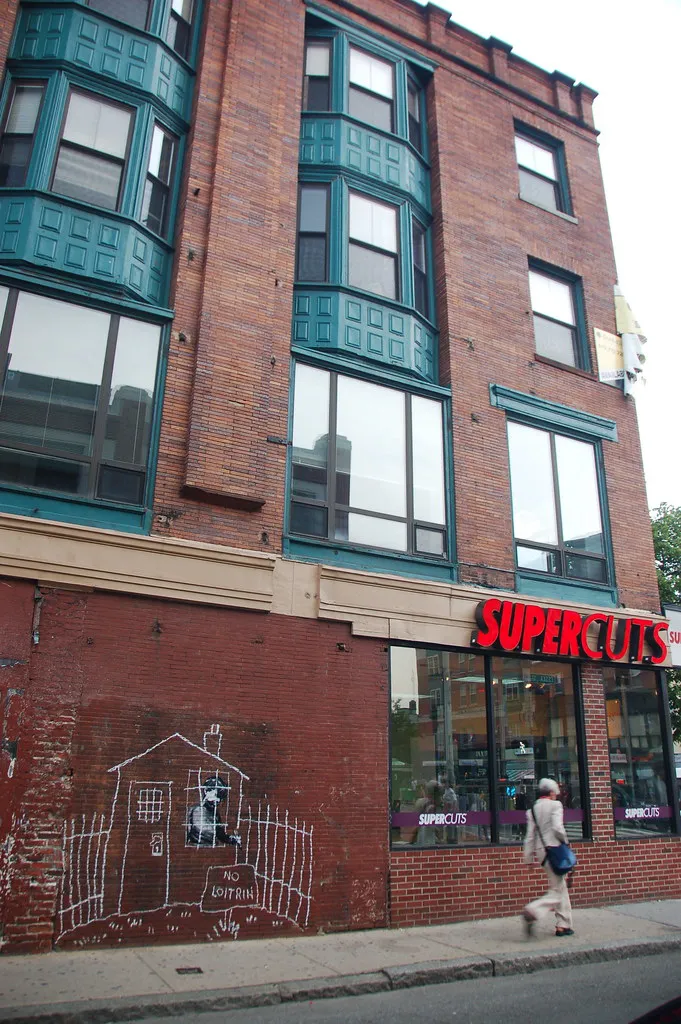
Fête de la Musique on June 21 fills more than 100 venues across Berlin with live performances, and every concert is free. Music ranges from classical and jazz to electronic sets, with spontaneous jam sessions appearing in subway stations, courtyards, and rooftop gardens. Mauerpark and Warschauer Straße are reliable spots for finding the most energetic clusters of performers; the festival runs from early afternoon until midnight.
Atonal, held August 27–30 at the Kraftwerk complex — a converted former power station in Mitte — focuses on experimental electronic and audiovisual art. Tickets run around €150 for the full festival and sell out months in advance; the industrial venue alone is worth the visit. This event attracts a dedicated international crowd and is a strong differentiator if your travel dates align with late August.
Pop Kultur runs August 24–29 at the Kulturbrauerei in Prenzlauer Berg, mixing live music, lectures, and industry discussions. Tickets start from as low as €10 and sell out well in advance, so book early if you have a specific act in mind. The 2026 edition features musicians from Armenia, Azerbaijan, and Georgia alongside major German acts. The Long Night of the Museums on August 29 opens 75 Berlin museums simultaneously until 2 AM, with a shuttle bus connecting venues across the city — a single ticket covers all participating institutions and the shuttle, making it one of the best-value cultural nights in the calendar.
Summer Exhibitions Worth Planning Around
Berlin's summer 2026 gallery programme is unusually strong. Marina Abramović's Balkan Erotic Epic runs at Gropius Bau until August 23 — tickets are €15 for adults and €10 reduced. The exhibition draws on Balkan folklore to explore themes of eroticism, transformation, and self-affirmation through sculpture, installation, and live performance.
At the Alte Nationalgalerie, Cassirer and the Breakthrough of Impressionism runs until September 27 (€14 adults, €10 reduced), presenting more than 100 works by French and German Impressionist painters elevated in Germany by gallerist Paul Cassirer. The Neue Nationalgalerie hosts Brancusi until August 9 (€16 adults, €8 reduced), bringing over 150 sculptures, photographs, and archival materials — including pieces from the Centre Pompidou — together with a partial reconstruction of the sculptor's legendary Paris studio.
If your visit runs into June, Schönhausen Palace opens a new permanent exhibition from June 12 exploring the Nazi regime's "degenerate art" campaign on the actual site where confiscated works were stored. Entry is included in the palace ticket. These four exhibitions are concentrated enough that a focused two-day museum programme can cover them all, especially combined with the Long Night of the Museums pass in late August.
Outdoor and Park Festivals in Berlin
The Berlin Philharmonic open-air concert at Waldbühne in Olympia Park closes the orchestra's season on June 27, 2026 at 20:15. This year tenor Jonas Kaufmann performs Italian arias alongside the orchestra, transforming the amphitheatre into an Italian-themed evening on the grassy hillside. Book early: this concert typically sells out within days of the programme announcement.
The Berlin Circus Festival runs August 5–16 at Tempelhofer Feld, with local and international acts performing acrobatics, juggling, tightrope walking, pantomime, and dance across two packed weeks. It is Berlin's largest circus arts event and one of the more underrated mid-summer options for families and non-clubbing visitors. Dance in August overlaps from August 13–29, bringing an international contemporary dance festival with premiere performances, discussions, and film screenings.
The Kreuzberg Festival runs June 26–28, filling the neighbourhood streets with local food vendors, live performances, and artisan stalls. Entry is free, the atmosphere is relaxed, and the event draws a genuine cross-section of the local community rather than a purely tourist crowd. 48 Stunden Neukölln follows on July 3–5, with 48 hours of street art, murals, conferences, markets, and parties — this year's theme focuses on the boundary between "outside" and "inside". Both festivals are citizen-organised and have no admission charge.
Botanical Night at the Berlin Botanical Garden opens on July 18 for one evening of lantern-lit walks through themed garden areas after dark. Klassik Open Air at Britzer Garden closes out summer on August 22 with the New Frankfurt Philharmonic performing Dvořák, Rossini, and Verdi before a lake, ending with fireworks. Check the Berlin Festival Calendar for confirmed ticketing links for both events as they open.
Food, Drink, and Neighbourhood Events
The Berlin Sommer Weinfest on June 14 at the Haus der Visionäre — right on the Spree at the edge of Kreuzberg — brings over 350 wines from 70 winemakers across Europe, the Middle East, and Africa. General admission is €30, and an Anima Radio DJ set runs all afternoon with an afterparty into the evening. It is compact and social in a way that the Christmas markets are not, and it fills up by mid-afternoon, so arriving before 15:00 gives you the best selection at the winemaker stalls.
The African Food Festival on July 18–19 at the Malzfabrik Schöneberg draws the city's African communities together for a weekend of injera, tagines, yam, and other cuisines, with live music and dancing throughout. The Wilhelmian industrial complex is a striking venue, and this is one of the few Berlin summer events that combines food, music, and community celebration in equal measure rather than leading with one at the expense of the others.
Street Food auf Achse runs every Sunday from noon to 18:00 inside the Kulturbrauerei in Prenzlauer Berg. It hosts amateur and professional chefs — including the occasional Michelin-starred cook — presenting distinctly different international cuisines. Entry is free; food is priced per item. This is the most reliable recurring food event in the city calendar and works well as a Sunday addition to any Berlin trip without advance planning.
Family-Friendly and Free Berlin Events
Berlin has a strong roster of free and low-cost events, making it one of the more accessible European capitals for budget-conscious travellers. Fête de la Musique, the Kreuzberg Festival, 48 Stunden Neukölln, and the Christopher Street Day Parade all require no tickets and offer full days of entertainment. The Volksfestsommer at the northwest edge of the city runs July 25 to August 17 with over 60 funfair rides — it's a longer journey from the centre but offers a full day for families at reasonable prices.
The Kinderbauernhöfe at Görlitzer Park and Pankow — Berlin's free urban farmyards — are open daily through summer and combine well with the park's other activities. The Long Night of the Museums is the best-value single ticket in the cultural calendar for families with older children curious about art and history. For museum visits outside the Long Night, major institutions charge €14–16 for adults with reduced rates for students and under-18s.
- Fête de la Musique — June 21: free entry, 100+ venues citywide, genres from classical to electronic, runs until midnight.
- Kreuzberg Festival — June 26–28: free entry, local food vendors and live performances across the neighbourhood.
- 48 Stunden Neukölln — July 3–5: free entry, citizen-led art festival with workshops, street art, and markets; some workshops charge a small fee.
- Street Food auf Achse — every Sunday, noon–18:00: free entry at Kulturbrauerei, Prenzlauer Berg; food priced per item.
- Botanical Night — July 18: ticketed, limited capacity; book from the Botanical Garden's calendar from spring.
- Volksfestsommer — July 25–August 17: ticketed rides, northwest Berlin; good for families with younger children.
Christmas Markets in Berlin
Berlin's Christmas markets run from late November through late December, with most venues open daily from around 11:00 to 22:00. The city hosts markets at dozens of locations, each with a distinct character — ranging from artisan craft markets to traditional food-focused fairs. The Glühwein at Berlin's markets is a reliable seasonal highlight, with each market putting its own small twist on the classic mulled wine recipe.
The Gendarmenmarkt market is set between two historic cathedrals in Mitte and is widely considered the most visually striking of the city's options. Charlottenburg Palace hosts a market with the illuminated castle as its backdrop — a stronger choice if you want a more atmospheric setting with fewer crowds than the central markets. Spandau's Old Town Christmas market is the largest in the city and draws a local-heavy crowd, making it a better reflection of how Berliners actually celebrate the season.
Traditional foods to try across the markets include Lebkuchen (spiced gingerbread), Gebrannte Mandeln (candied almonds), and Eierpunsch — a warming egg-and-wine punch that is distinctly German. Most stalls accept cash only, so carry enough euros to cover entry deposits for market mugs, typically returned when you hand back the cup. Visiting on a weekday evening between 18:00 and 20:00 gives you the atmosphere without the Saturday afternoon crush.
How to Plan Your Berlin Festival Trip
The Visit Berlin Events Calendar is the most reliable starting point for current festival listings, with dates, venue details, and ticket links updated regularly. For a broader view of cultural events across the city, berlin.de/en/festivals organises events by type and season, which is useful for trip planning several months out. Both sites have English-language versions, and the Visit Berlin newsletter sends monthly updates if you want to track new events as they're confirmed.
Accommodation prices in Berlin spike sharply during the Berlinale in February and Berlin Pride in July 25 — book at least two to three months ahead if your dates overlap with either event. For other festivals, a lead time of four to six weeks is usually sufficient, though Atonal and Botanical Night sell out faster than their size might suggest. The BVG transit network connects all major festival venues, and a day ticket gives unlimited travel across the city's U-Bahn, S-Bahn, and tram lines.
Most Berlin festival venues and market stalls prefer cash, particularly smaller community events and Christmas market stalls. Carry a reasonable amount of euros and plan for entry deposits at Christmas markets — the mug deposit system is standard and cups are returned for a refund when you leave. For ticketed events at venues like Kraftwerk or Kulturbrauerei, credit cards are widely accepted and online booking is strongly recommended. Basic German phrases — a simple "Danke" or "Bitte" — go a long way with market stallholders and at community events like 48 Stunden Neukölln.
Explore festivals and events in other cities
Frequently Asked Questions
What are the major festivals in Berlin?
Berlin's major festivals include the Berlinale film festival in February, the Karneval der Kulturen street parade at Pentecost, Berlin Pride in July, the Atonal electronic music festival in August, Berlin Art Week in September, and the Christmas markets from late November. Each draws significant visitor numbers and benefits from early ticket or accommodation booking.
What is the largest festival in Berlin?
Berlin Pride (Christopher Street Day Parade) is among the largest single-day events, drawing close to a million participants and spectators along a route from Kurfürstendamm to Brandenburger Tor. The Karneval der Kulturen is the largest multi-day street festival, spanning four days across Kreuzberg each Pentecost weekend with 5,000+ parade participants.
Are there free events and festivals in Berlin?
Yes — several of Berlin's best events are free. Fête de la Musique on June 21 offers hundreds of live concerts at no charge. The Kreuzberg Festival, Christopher Street Day Parade, and Street Food auf Achse (Sundays at Kulturbrauerei) are also free to attend. Check similar free festival options in Munich if you're planning a broader Germany trip.
When is the best time to visit Berlin for festivals?
Summer — June through August — is Berlin's densest festival season, covering Fête de la Musique, Berlin Pride, the Kreuzberg Festival, Atonal, Pop Kultur, and the Long Night of the Museums. February is the right time for Berlinale. Late November and December are ideal for Christmas markets. Each season offers a genuinely different festival character.
Festivals in Berlin by Type
Plan a trip around any of Berlin's major festivals and seasonal events:
- Best Berlin Christmas Markets (2026) — Christmas market
- Berlin Festival of Lights Guide — Light festival
- Best Things to Do for New Year's Eve in Berlin — New Year's Eve
- Is Lollapalooza Berlin Worth It? (8 Things to Know) — Music festival
Berlin's festival calendar rewards travellers who plan a few weeks ahead — the best events sell out not because they're obscure, but because the city's audience for them is genuinely enormous. From the Berlinale's red-carpet screenings to free Sunday street food markets in Prenzlauer Berg, the range of what's on offer is hard to match in Europe. Use the Visit Berlin events calendar to lock in dates early, and build your accommodation booking around confirmed ticket windows.
Whether your interest runs to contemporary art, open-air orchestral concerts, multicultural street parades, or mulled wine under cathedral floodlights, Berlin has a festival that fits. The city's transit network makes venue-hopping straightforward, and the mix of free and ticketed events means almost any budget can find a full weekend of programming. Start with one anchor event, book accommodation early, and let the city's calendar fill in the gaps around it.
Free guide: Europe's Festival Calendar
A month-by-month map of Europe's unmissable festivals — with the best dates to visit each and a local tip you won't find in the guidebooks.
You might also like


Continue reading
More guides you'll find useful