
12 Best Cultural and National Festivals in Europe (2026)
From Amsterdam's free orange-clad King's Day on April 27 to Siena's Palio balcony seats topping 450 euros, here are Europe's 12 best 2026 festivals.
On this page
12 Best Cultural and National Festivals in Europe
Our editors have tracked the continent's most vibrant celebrations to bring you this definitive guide to the best cultural and national festivals in europe. Last updated June 2026, this list reflects current 2026 pricing and schedule patterns for the most iconic events across the European map. We believe that witnessing a nation's heritage through its public festivities provides a deeper connection than any museum visit alone. Whether you seek the orange-scented streets of Italy or the orange-clad crowds of Amsterdam, these experiences define the European spirit.
Planning a trip around these events requires careful timing and an understanding of local customs to avoid common tourist pitfalls. Many of these celebrations transform entire cities into open-air stages, offering a unique lens into history, religion, and community pride. We have curated these selections based on their historical depth, visitor accessibility, and the sheer energy they bring to their respective regions.
Free guide: Europe's Festival Calendar
A month-by-month map of Europe's unmissable festivals — with the best dates to visit each and a local tip you won't find in the guidebooks.
Top Annual Cultural Events and Festivals in Europe
Europe's festival calendar runs year-round, with each season offering a distinct character. Winter brings fire festivals and carnival pageantry; spring unlocks national days and flower parades; summer fills outdoor squares with centuries-old sporting contests and folk music; autumn closes with harvest celebrations and the world's most famous beer festival. No other continent packs this variety of living tradition into such a compact geographic space.
The strongest events on this calendar share one quality: they are rooted in a specific community rather than designed for tourists. The Palio di Siena is run by the city's 17 contrade (wards) regardless of who is watching. Up Helly Aa in Shetland is organised entirely by local men called guizers who spend months building the Viking longship they will burn. Attending this kind of event means entering a real social ritual, not a staged performance.
Below is our seasonal overview of when to plan your trip, followed by the full list of the 12 best festivals across the continent in 2026.
- January–February: Up Helly Aa (Shetland), Venice Carnival, Battle of the Oranges (Ivrea)
- March–April: St. Patrick's Day (Dublin), King's Day (Amsterdam), Sant Jordi Day (Barcelona)
- June–August: Calcio Storico (Florence), Palio di Siena, Notting Hill Carnival (London), Bastille Day (Paris), Highland Games (Scotland)
- September–October: Oktoberfest (Munich)
12 Best Cultural and National Festivals in Europe (2026)
We have categorized these festivals into thematic clusters to help you choose the experience that best fits your travel style. Iconic street parties like King's Day and St. Patrick's Day offer high-energy urban celebrations for social travelers. Historic spectacles like the Palio di Siena or Calcio Storico provide a more intense, competitive look at medieval heritage. For those seeking folklore and fire, events like Up Helly Aa offer a rugged, atmospheric alternative to mainstream city parades.
Each of these items represents a pinnacle of European public life, requiring different levels of preparation and financial planning. Some are entirely free to the public, while others require tickets purchased months in advance to secure a view. Always remember that during these peak times, accommodation prices can triple, so early booking is the most vital step. We have included specific details on costs and timing to help you navigate the 2026 festival season effectively.
- King's Day (Koningsdag) in Amsterdam, Netherlands
- This massive nationwide street party celebrates the Dutch monarch's birthday with orange-clad crowds and canal boat parades.
- The event is free to attend and takes place every April 27, though celebrations often start the night before.
- We suggest heading to the Jordaan district for a more local vibe away from the crowded Dam Square.
- Bastille Day (Fête Nationale) in Paris, France
- France celebrates its national day on July 14 with a grand military parade on the Champs-Élysées and fireworks.
- Watching the parade and the Eiffel Tower light show is free, but you should arrive several hours early.
- Check the how to experience bastille day guide for the best secret viewing spots near the Trocadéro.
- St. Patrick's Day in Dublin, Ireland
- Dublin hosts a multi-day festival featuring a world-class parade, traditional music sessions, and illuminated green landmarks.
- The main parade on March 17 is free, though grandstand seating can cost between €80 and €120 per person.
- We recommend exploring the Smithfield area for authentic music away from the heavy tourist crowds of Temple Bar.
- Palio di Siena in Siena, Italy
- This historic horse race takes place twice a summer in the central Piazza del Campo, representing different city wards.
- Entry to the center of the square is free but very crowded, while balcony seats can exceed €450.
- The races occur on July 2 and August 16, with local neighborhood dinners held throughout the preceding week.
- Calcio Storico in Florence, Italy
- This brutal combination of soccer, rugby, and wrestling is played in 16th-century costumes in Santa Croce square.
- Tickets for the final on June 24 usually range from €30 to €80 and sell out within minutes of release.
- Our team suggests visiting the practice fields in the weeks before the tournament to see the athletes training.
- The Highland Games in Braemar, Scotland
- Traditional Scottish athletics including caber tossing and hammer throwing take place across the Highlands throughout the summer.
- Tickets for the famous Braemar Gathering in September typically cost around £15 for general admission.
- Most games run from 10am to 5pm, and we recommend taking the train to nearby stations to avoid parking issues.
- Up Helly Aa Fire Festival in Lerwick, Shetland
- Europe's largest fire festival involves a torchlight procession and the burning of a traditional Viking longship.
- The outdoor procession on the last Tuesday of January is free to watch from the Lerwick streets.
- Evening hall parties require tickets that are often distributed through local ballots, so plan your visit a year ahead.
- Battle of the Oranges in Ivrea, Italy
- Participants divide into teams to recreate a historic revolt by throwing tons of oranges at each other.
- Spectators must pay a small entry fee of approximately €15 and wear a red hat to avoid being targeted.
- The festival takes place in February, and we suggest wearing old clothes that you don't mind getting stained.
- Sant Jordi Day in Barcelona, Spain
- Known as the Day of Books and Roses, this romantic cultural celebration fills the streets with stalls and flowers.
- The event is free to walk through and occurs every April 23 across the entire Catalonia region.
- Visit the how to experience sant jordi day page for tips on finding the best author signings.
- Notting Hill Carnival in London, England
- This massive Caribbean carnival features colorful masquerade bands, steel pan music, and legendary sound systems.
- The event is free and takes place over the August Bank Holiday weekend in West London.
- Sunday is traditionally 'Family Day,' which is much calmer and better for those traveling with young children.
- Oktoberfest in Munich, Germany
- The world's largest folk festival focuses on Bavarian culture, traditional music, and specially brewed festival beer.
- Entry to the grounds and beer tents is free, but a liter of beer typically costs between €14 and €16.
- Tents open at 10am on weekdays and 9am on weekends, often reaching capacity by midday during the opening week.
- Venice Carnival in Venice, Italy
- Famous for its elaborate masks and period costumes, this pre-Lenten festival turns Venice into a living masquerade.
- Public performances in St. Mark's Square are free, while private masquerade balls can cost over €500 per ticket.
- The festival usually runs for two weeks in February, ending on Shrove Tuesday with the flight of the lion.
Free vs. Ticketed: Which Festival Type Fits Your Trip
One decision that separates a good trip from a stressful one is understanding which festivals are genuinely free and which ones look free but hide significant costs. National street celebrations — King's Day, Bastille Day, St. Patrick's Day, Sant Jordi Day — cost nothing to experience at street level. You walk through a transformed city, absorb the atmosphere, and spend money only on food and drink.
Ticketed events operate on a different logic. The Palio di Siena requires balcony reservations booked a year in advance for a prime view. Calcio Storico tickets sell out in minutes of release each spring. Venice Carnival masquerade balls start at €150 for smaller events and run past €500 for the grand palazzi parties. If your budget is tight, stick to the national celebration calendar — the free events are often the most culturally authentic anyway.
Music festivals sit in a separate category from cultural and national festivals. Events like Sziget in Budapest (August 11–15, 2026), Tomorrowland in Boom, Belgium (July 17–19 and July 24–26, 2026), and Lollapalooza Berlin (July 18–19, 2026) are ticketed multi-day events with commercial lineups. They are excellent experiences but serve a different purpose than attending a centuries-old local tradition. Decide which experience type matches your trip goals before booking anything.
Parks, Gardens, and Outdoor Settings Worth Knowing
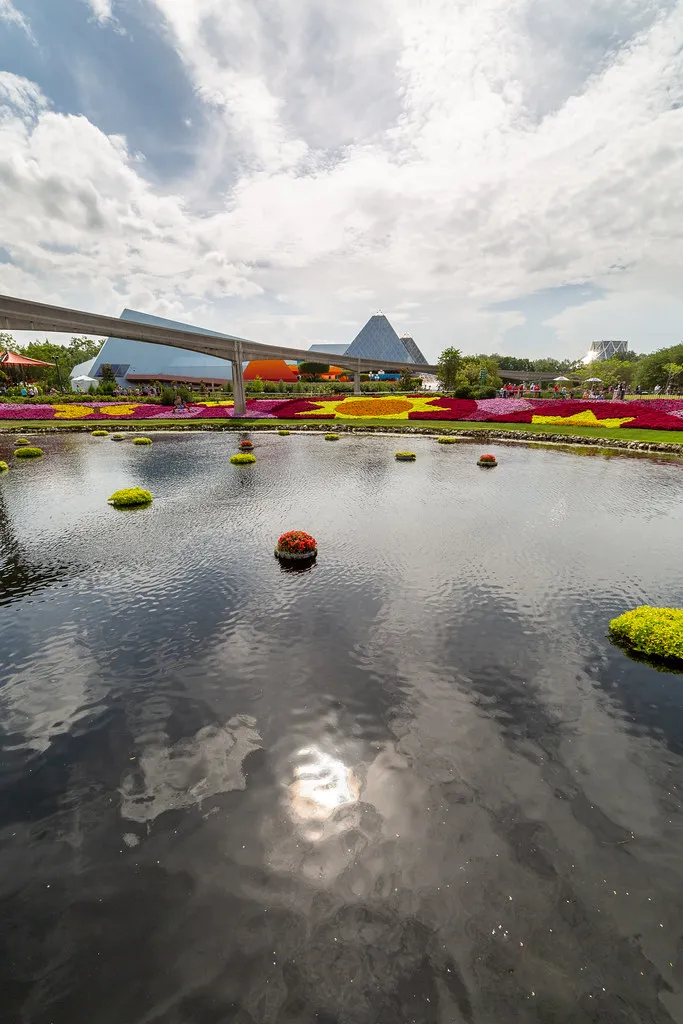
Many of Europe's best festivals happen entirely outdoors, so understanding the physical setting helps you plan your day. The Palio di Siena centers on the Piazza del Campo, a fan-shaped medieval square where spectators pack the central dirt track for hours before the race. Arriving before 14:00 for the July 2 race is essential if you want a standing spot inside the campo — the gates close when it reaches capacity, typically around 30,000 people.
Amsterdam's King's Day converts the entire canal ring into a floating party. The Prinsengracht and Brouwersgracht canals see the densest boat traffic, while Vondelpark hosts free concerts and a children's flea market that runs all day. For Bastille Day in Paris, the Trocadéro gardens directly opposite the Eiffel Tower offer the best firework sightlines, though the area fills up by 21:00 for a midnight show.
Edinburgh's Hogmanay New Year festival deserves mention for outdoor scope — its Torchlight Procession on December 30 moves from the city centre to Holyrood Park, with 30,000 torchbearers creating one of Europe's most dramatic winter spectacles. Tickets cost around £15 and sell out months in advance. For the full programme of outdoor events across the year, the best cultural festivals in europe guide covers a wider calendar beyond this top 12 list.
Museums, Art, and Cultural Context
While festivals offer a high-energy experience, local museums provide the necessary context to understand these traditions. In Dublin, the National Museum of Ireland explains the Celtic roots that precede the modern St. Patrick's Day parade. Similarly, the Museo dell'Opera del Duomo in Florence houses artifacts that illustrate the religious significance of Calcio Storico. We recommend visiting these institutions a day before the festival starts to avoid the largest crowds.
Art galleries often host special exhibitions during national festivals to showcase contemporary interpretations of heritage. In Barcelona, the MNAC often features Catalan art that highlights the history of the Sant Jordi legend. Many cities offer combined 'Culture Passes' that grant access to multiple museums at a discounted rate during festival weeks. Always check if a museum has shortened hours on the actual day of a national celebration.
Venice is the strongest example of a city where museum context transforms the festival experience. The Museo Correr on the north side of St. Mark's Square holds an entire section on the history of Venetian Carnival masking traditions dating to the 11th century. A visit there the morning before an afternoon of people-watching in costume shifts the experience from spectacle to genuine cultural encounter. Admission to Museo Correr is included with the Venezia Unica city pass, currently priced at around €29.90 for a 48-hour pass.
Family-Friendly and Budget-Friendly Options
Traveling with children during a major European festival requires choosing events with dedicated family zones. The Notting Hill Carnival and King's Day both offer specific areas with shorter parades and kid-friendly food stalls. We suggest starting your day early, as festival crowds tend to become more boisterous and adult-oriented after sunset. Public parks often host smaller, free satellite events that are much easier to navigate with a stroller.
Regarding what to skip, we recommend avoiding the generic 'Medieval Markets' that pop up in major tourist hubs. These often lack authentic historical ties and charge high prices for mass-produced goods and mediocre food. Instead, look for free community-run events in smaller neighborhoods where the atmosphere is more genuine and affordable. Packing your own water and snacks can save you significant money, as street vendor prices surge during these events.
The Cambridge Folk Festival (31 July – 3 August 2026, Cherry Hinton Hall) is one of the best-value ticketed family events in Europe, with a genuine 60-year heritage and a camping option that keeps accommodation costs low. The Braemar Highland Gathering in Scotland at around £15 entry is another strong pick — the setting is outdoors, the event runs in daylight, and it involves enough spectacle (caber toss, pipe bands, Highland dancing) to hold children's attention for a full afternoon.
Pro Tips for Festival Planning in 2026
Book accommodation at least three months ahead for any event in this list. During Oktoberfest, hotels within 2 km of the Theresienwiese sell out by May for September dates. During Venice Carnival, water-facing hotels on the Grand Canal charge four to five times their off-season rate. Budget-friendly alternatives include staying in a neighboring city and using rail — Augsburg to Munich is 35 minutes, Padua to Venice is 25 minutes, and both towns offer normal pricing during carnival weeks.
For transport within festival cities, buy a 24-hour or 48-hour transit card on arrival rather than paying per journey. Amsterdam's GVB 24-hour pass costs €9.50 and covers trams, buses, and metro — essential for King's Day when roads close. In Munich, the Oktoberfest Tageskarte (day pass) costs €16.80 for the full city network. Most festival cities also run extra night buses on the main event days, so check the local transit authority's schedule update published two weeks before the event.
Pack a front-facing money belt for crowded street events. Pickpockets work in dense parade crowds, particularly in high-traffic corridors like Dublin's O'Connell Street and Amsterdam's Leidseplein. Designate a physical meeting point with your group before you enter a packed area — mobile signal drops inside dense crowds. For fire festivals like Up Helly Aa, bring a windproof lighter and dress in layers: Shetland in January can drop below 3°C with strong winds off the North Sea.
How to Plan a Smooth Festival Day
The secret to a successful festival day is mastering the local public transportation system early in the morning. Many cities offer special 24-hour transit passes that are much cheaper than buying individual tickets during peak hours. We advise against using ride-sharing apps like Uber during festivals, as road closures often lead to massive delays. Walking is usually the fastest way to get around, so comfortable footwear is your most important piece of gear.
Safety is paramount in large crowds, so we suggest using a front-facing money belt for your valuables. Pickpockets often target distracted tourists during parades, particularly in high-traffic areas like Las Ramblas or Dam Square. Always designate a meeting point for your group in case you get separated in a place with poor cell service. Check the best cultural festivals in europe page for additional planning resources across the festival calendar.
Ready to Start Planning?
European festivals offer an unparalleled window into the heart of a culture, but they demand respect and preparation. By choosing the right event and booking your logistics months in advance, you can ensure a stress-free experience. We encourage you to embrace the local customs, from wearing orange in Amsterdam to cheering for a ward in Siena. The memories of these shared human celebrations will likely be the highlight of your entire European journey.
If you are ready to book, start by confirming the exact 2026 dates for your target event, as some festivals shift based on the liturgical or lunar calendar. Our final tip is to remain flexible, as the best festival moments often happen in the quiet side streets rather than the official programme. Use our how to experience kings day koningsdag 2026 guide as a model for the level of local detail you should research for any event you attend.
Frequently Asked Questions
What is the biggest cultural festival in Europe?
Oktoberfest in Munich is widely considered the largest cultural festival in Europe, attracting over six million visitors annually. It celebrates Bavarian heritage through traditional food, music, and beer across a massive 42-hectare site. Entry is free, but table reservations are recommended for groups.
What should I pack for a European music festival?
Pack comfortable waterproof shoes, a portable power bank, and a reusable water bottle to stay hydrated. Include a lightweight rain poncho and a small crossbody bag with a secure zipper to prevent theft in crowded areas. Always carry a physical copy of your emergency contact information.
Are European cultural festivals expensive to attend?
Many major festivals like King's Day or Bastille Day are free to the public for street viewing. However, costs for accommodation and transport often double during these periods. We recommend budgeting €50-€100 per day for food and local activities beyond the free events.
Visiting Europe for more than one festival? See our complete guide to festivals and events in Europe.
Attending the best cultural and national festivals in europe is a transformative experience that goes beyond standard sightseeing. These events allow you to participate in the living history of a nation while creating your own lasting memories. Whether you are dodging oranges in Italy or dancing in London, the energy of these festivals is truly contagious.
Explore More Cultural & National Festival Guides
Keep planning with our other in-depth festival guides across Europe.
- Bastille Day Guide Travel Guide
- Battle Of The Oranges Guide Travel Guide
- 12 Best Cultural Festivals in Europe
- Calcio Storico Guide Travel Guide
- Highland Games Guide Travel Guide
- How to Experience Bastille Day in Paris 2026
- How to Experience Battle of the Oranges
- How to Experience Calcio Storico in Florence 2026
- How To Experience Highland Games Travel Guide
- How to Experience Kings Day Koningsdag 2026 Guide
- How to Experience Notting Hill Carnival 2026
- How to Experience Palio di Siena
- How to Experience Sant Jordi Day in Barcelona 2026
- How to Experience St Patrick's Day in Dublin
- How To Experience Up Helly Aa Fire Festival Travel Guide
- 11 Best Things to Do for King's Day in Amsterdam
- Notting Hill Carnival Guide 2026
- Palio Di Siena Guide Travel Guide
- Sant Jordi Day Guide Travel Guide
- St Patrick's Day Guide
- Up Helly Aa Fire Festival Guide Travel Guide
Free guide: Europe's Festival Calendar
A month-by-month map of Europe's unmissable festivals — with the best dates to visit each and a local tip you won't find in the guidebooks.
You might also like


Continue reading
More guides you'll find useful


