Leipzig Christmas Market Guide: 10 Essential Highlights
Plan your Leipzig Christmas market trip with our guide to the 10 best highlights, including regional castles, local food tips, and neighborhood hidden gems.
On this page
Leipzig Christmas Market Guide: 10 Essential Highlights
The Leipzig Christmas market runs from late November through December 23, placing it among Germany's most storied Advent celebrations. Established in 1458, it predates most of the markets that now overshadow it in tourist rankings. What visitors consistently find here is something the bigger-name destinations in Munich and Nuremberg have lost: a genuinely local atmosphere where regional Saxon craft traditions and the city's musical heritage remain front and center.
The market fans out across several squares in the city center — Marktplatz, Naschmarkt, Augustusplatz, and Nikolaikirchhof — with over 250 stalls in total. Leipzig is often compared to the Dresden Christmas market for its deep-rooted Saxon heritage, though the two have distinct feels: Dresden leans grander and more touristy, while Leipzig feels earned. Temperatures settle between 0°C and 4°C through December, so plan for long outdoor evenings and dress accordingly.
This guide covers every zone of the main market, the best neighborhood alternatives, castle markets within day-trip distance, indoor cultural escapes, and the food finds that make Leipzig uniquely worth the detour.
Free guide: Europe's Festival Calendar
A month-by-month map of Europe's unmissable festivals — with the best dates to visit each and a local tip you won't find in the guidebooks.
Must-See Highlights of the Leipzig Christmas Market
The Marktplatz is the gravitational center of the market, anchored by a towering Saxon spruce and the Renaissance façade of the Old Town Hall. Traditional fanfares sound from the Town Hall balcony on select evenings, a custom that has defined the opening weeks of the Advent calendar for generations. The cobblestone square fills quickly after 17:00, so arriving before the dinner rush gives you space to take in the woodcarving demonstrations near the central stage.
The Naschmarkt, directly adjacent, carries a slightly different character — smaller stalls, more artisan craft sellers, and fewer food queues. Ore Mountain woodcarvings and hand-painted Erzgebirge ornaments dominate here; these are the same production traditions that have supplied European Christmas décor for over three centuries. Stalls near the Naschmarkt remain active until 21:00 most evenings, making it a reliable late stop.
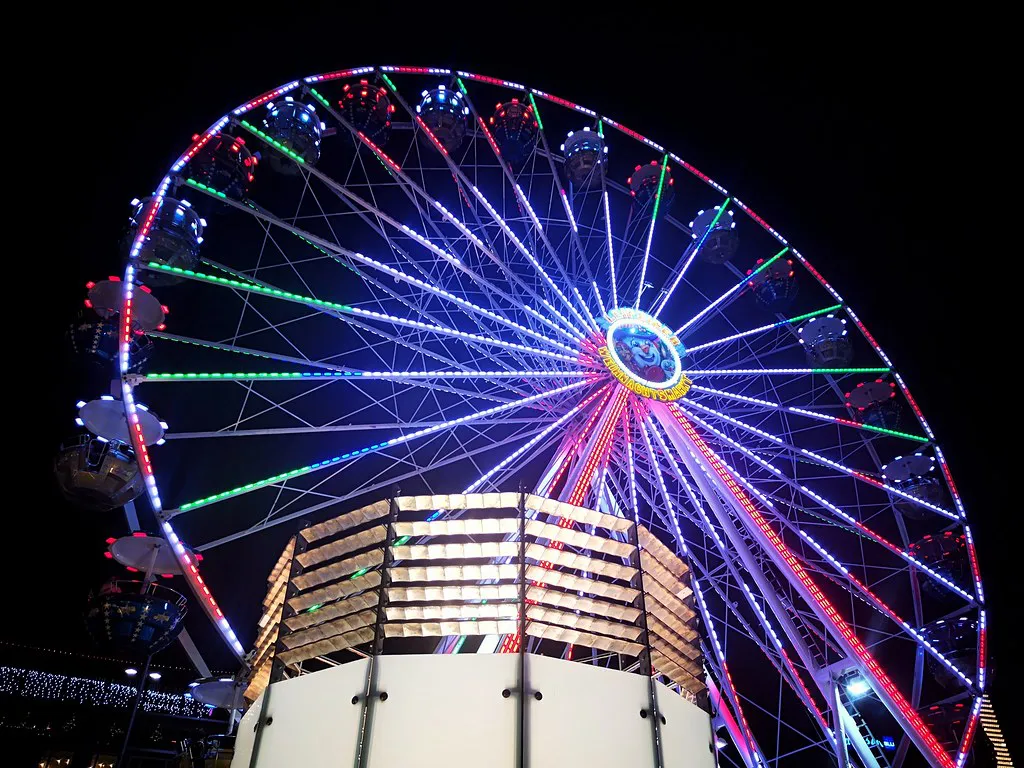
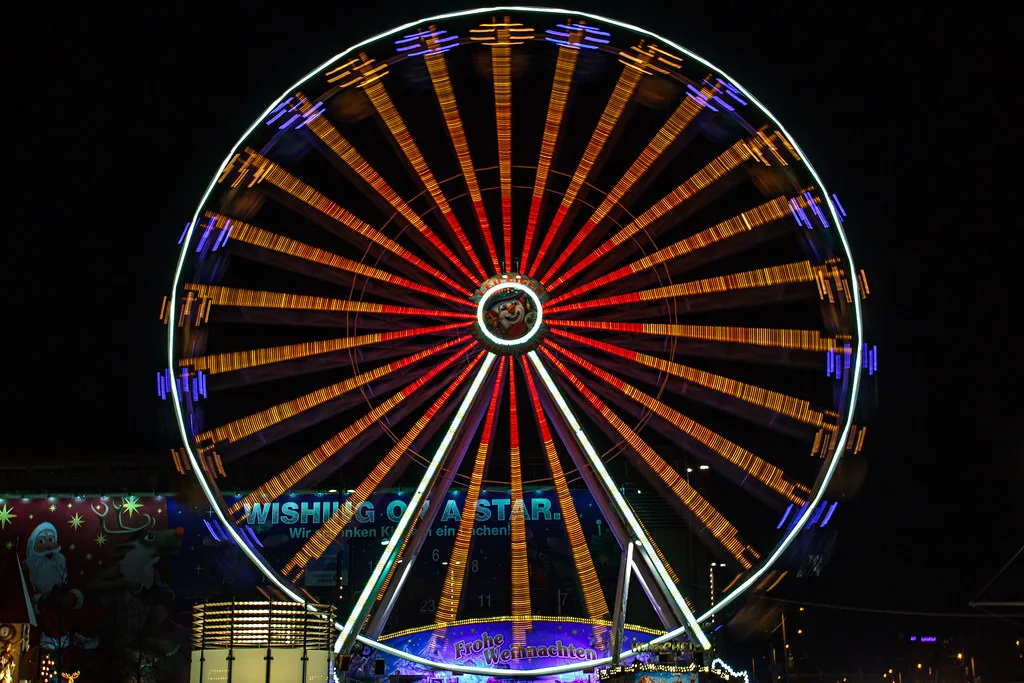
Augustusplatz hosts the market's most theatrical element: a large illuminated installation that transforms the square's open scale into something dramatic after dark. The Nikolaikirchhof, set against the Church of St. Nicholas, offers the quietest corner of the official central market. It is the place to stop for a Glühwein without being jostled, and the church itself — famous as a gathering point during the 1989 peaceful revolution — adds historical weight to even a casual visit.
Authentic Traditions and Food of the Leipzig Region
Kartoffelpuffer — fried potato pancakes served with cold applesauce — are the crowd-drawing standard. Lines at the best stalls run to 15 minutes during peak evenings, which is a fair indication of quality. The combination of the crisp exterior and the cool fruit sauce reads as quintessentially Saxon rather than generically German.
The food find that most visitors miss is Handbrot: bread stuffed with melted cheese and mushrooms, baked in a wood-burning oven on-site. One stall sign carries the term "Heurekaner," referring to a particular filling variant (cheese and ham is the alternative). It is harder to find at markets outside of Saxony, and several long-time visitors cite it as the best thing they have eaten at any European Christmas market. If you see a queue forming around a wood-burning stove, follow it.
Roasted almonds and spiced Glühwein fill the air across every zone; prices for a mug of Glühwein typically sit between €3.50 and €5.00, with a €2–3 deposit on the ceramic cup that you can redeem or keep as a souvenir. Regional craft traditions extend beyond food: hand-carved nutcrackers and incense smoker figurines from the Ore Mountains are produced using methods passed down through family workshops, not manufactured at scale. Buying directly from the stall attendant at Naschmarkt usually means buying from the maker.
Museums, Art, and Culture: Leipzig's Indoor Winter Escapes
Leipzig's identity as a city of music runs deeper than most visitors expect. Johann Sebastian Bach served as director of music at St. Thomas Church (Thomaskirche) from 1723 until his death in 1750, and the city has maintained his legacy with unusual seriousness. The St. Thomas Choir performs Advent motets on select Friday and Saturday evenings in December; tickets sell out months in advance and must be booked through the church's own website. These are not tourist performances — they are the same sacred concerts the choir has given for centuries.
The Bach Museum Leipzig on Thomaskirchhof provides a warm, detailed counterpart to the outdoor market experience. Permanent exhibitions trace Bach's working life, his manuscripts, and the musical culture of Baroque Leipzig. Combined with a look at the Thomaskirche interior next door, this makes a two-hour indoor programme that pairs well with an afternoon at the Naschmarkt stalls.
The Museum of Fine Arts (Museum der bildenden Künste) is a five-minute walk from the Marktplatz and runs free entry on the first Sunday of each month — useful for budget visitors. The Grassi Museum complex near Augustusplatz houses three separate collections under one roof, including applied arts and musical instruments. On bitter cold evenings, either complex gives you a genuine reason to warm up without retreating to a café.
Parks and Outdoor Spots for a Winter Stroll in Leipzig
Clara-Zetkin-Park, southwest of the city center, is Leipzig's largest green space and takes on a muted, frost-edged character in December that is genuinely peaceful after the stimulation of the market squares. The park borders the Karl Heine Canal, and a walk along the waterfront takes you toward the Plagwitz district — home to the Felsenkeller venue and the more alternative end of Leipzig's winter social scene. Allow 25–30 minutes on foot from the Marktplatz, or take tram line 14 toward Plagwitz.
The Karl-Liebknecht-Strasse (locally called "Karl") runs south from the city center and is worth a late-afternoon walk even without a specific destination. Independent bookshops, record stores, and bakeries line the street, and the stretch between Connewitzer Kreuz and the center is where you see the Leipzig that sits outside of the tourist circuit. Several small holiday pop-up events cluster here in December.
For something more structured, the Botanical Garden of the University of Leipzig is open year-round and maintains heated glasshouse sections during winter. Entry is low-cost and the contrast between the cold exterior and the tropical warmth of the glasshouses makes it a useful stopping point on a longer day out. It is a short walk from Augustusplatz along Linnéstrasse.
Local Favorites: Christmas Markets Away from the City Center
The Felsenkeller in the Plagwitz district runs its own Christmas market with a noticeably different atmosphere from the main squares. The venue is a former brewery, and the market inside has the compressed warmth of a beer hall combined with the aesthetics of a neighborhood gathering. Crowds here skew local, music runs louder, and the overall mood is more relaxed than the Marktplatz. It is the right choice if the central market feels overproduced.
The Vegan Christmas Market runs separately and showcases the contemporary side of Leipzig's food culture — plant-based versions of traditional German market food alongside independent food producers from the region. Connewitzer Kreuz hosts smaller community events anchored around local artisans and live music; these are announced via neighborhood venues and are worth checking closer to the season.
The Leipzig Water Christmas Market takes place on the city's canals and offers a perspective that the landlocked central market cannot. Stalls are accessed by a short boat ride, and the reflection of market lights on the water at dusk makes it one of the most photogenic events in the city's December calendar. Capacity is limited; book in advance.
Fairytale Magic: Christmas Time in Castles and Palaces
The region surrounding Leipzig holds several castle-based Christmas markets that make excellent day trips and provide a very different backdrop from the urban squares. Colditz Castle — known internationally for its WWII prisoner-of-war escape history — hosts a Fairytale Castle Christmas that transforms the courtyard into a small-scale market. The castle is approximately 50 km southeast of Leipzig and accessible by regional train to Colditz via Grimma. The combination of medieval architecture, limited-capacity market, and the castle's own history creates an atmosphere the central market cannot replicate.
Rochlitz Castle, roughly 60 km south of Leipzig, runs a Christmas market inside the castle walls on Advent weekends. Rochlitz is one of the oldest castle sites in Saxony and offers guided tours that run alongside the market — useful for visitors who want historical context with their Glühwein. Both Colditz and Rochlitz attract primarily regional visitors rather than international tourists, which keeps the atmosphere grounded.
Gohlis Castle in the northern suburbs of Leipzig itself hosts "Christmas scent and sparkle of lights," a smaller market event within walking distance of the city center. Schönefeld Palace runs a separate Christmas market at Schönefeld Palace on the eastern edge of the city. These two options extend your options without requiring a day-long excursion.
Exploring Advent and Christmas Markets in the Greater Region
Leipzig's rail connections make it a natural base for a broader Saxon Christmas market circuit. The Erfurt Christmas market is one hour west by direct train and ranks among the most architecturally striking markets in Germany, with the fish market square and the steps of St. Mary's Cathedral forming an extraordinary backdrop. If you're comparing the two: Erfurt is grander and more photographed; Leipzig is more local and more surprising on food.
The Wermsdorfer Gänsemarkt — a traditional goose market — takes place at Hubertusburg Palace in the Wermsdorf forest, roughly 45 km northeast of Leipzig. It centers on the Advent tradition of goose dinners rather than ornament shopping, and the palace setting gives it a distinctive character separate from any of the urban markets. Check eskildsen.de for current 2026 dates and booking for the goose dinner.
The German Christmas markets road trip route through Saxony — Leipzig, Meissen, Dresden — can be done in three to four days using regional rail. Leipzig works best as the starting point: it is the largest transport hub of the three and gives you the least-touristed experience at the beginning, before the more internationally-known destinations later in the circuit.
Family-Friendly and Budget-Friendly Festive Tips
The historical carousel at the Leipzig Christmas market is one of the standout attractions for families with children. It operates in the central market zone and is priced affordably relative to similar rides at larger German markets. The live nativity scene — featuring actual animals, as the market is known for — draws children and adults alike and is typically set up near the Marktplatz stage.
For families, the morning hours between 10:00 and 13:00 offer the most navigable conditions: stroller access across the cobblestones is manageable before the afternoon crowd builds, and queue times at food stalls are a fraction of the evening peak. The Nikolaikirchhof section tends to stay calmer throughout the day and is a useful retreat when the main square becomes crowded with weekend visitors.
Budget visitors should note that the Leipzig market is cheaper on average than markets in Munich or Cologne. Mid-week arrivals (Tuesday to Thursday) see hotel rates drop noticeably compared to Advent weekends. Cash remains the preferred payment method at most stalls, though a growing number now accept card — carry a mix of small EUR denominations to keep transactions fast. Free entry to the Museum of Fine Arts on the first Sunday of the month makes a useful cost-free warm-up option if your visit falls on that date.
How to Plan a Smooth Leipzig Christmas Market Itinerary
Leipzig Hauptbahnhof is one of the largest terminus stations in Europe and places you within a 10-minute walk of the Marktplatz. The station itself carries festive decorations and food stalls during Advent, making it a useful backup if the outdoor temperature drops sharply. Tram lines 4, 7, 9, and 15 service the city center from surrounding districts; a 24-hour ticket costs approximately €7.60 and covers all inner-city zones including the Plagwitz trams.
A practical one-day structure: arrive before noon and walk the Naschmarkt first while it is quietest, then the Marktplatz at lunchtime before queues peak. Use the mid-afternoon (14:00–16:00) for an indoor stop — Bach Museum or Museum of Fine Arts. Return to the market after 17:00 when the lights are on and the atmosphere is at its peak; this is also when the Nikolaikirchhof is best for a calm Glühwein. Stalls close between 21:00 and 22:00.
Accommodation books up quickly for the second and third Advent weekends (mid-December). Book at least six weeks ahead if your dates fall on a weekend. If you plan to attend a St. Thomas Choir concert, tickets must be booked separately and well in advance — the choir's website opens the December programme in September each year. For the best Christmas markets in Germany overview, Leipzig consistently ranks among the top five by authenticity even when it trails in overall visitor counts.
Frequently Asked Questions
Is Leipzig Christmas Market worth visiting?
Yes, it is highly recommended for its historical charm and diverse stalls. The market is less crowded than those in Munich or Nuremberg. It offers a truly authentic Saxon holiday experience for all ages.
What festive treat often fills the air at Leipzig Christmas Market?
The scent of Kartoffelpuffer and roasted almonds is everywhere. You will also smell traditional Saxon Glühwein spiced with cinnamon and cloves. These aromas are a signature part of the Leipzig experience.
Where is the largest German Christmas market?
While Nuremberg is often cited as the most famous, Leipzig is among the largest by stall count. It features over 250 wooden huts across several city squares. This makes it one of the most expansive markets in Germany.
The Leipzig Christmas market is a spectacular blend of medieval history and modern festive joy. From the music of Bach to the taste of local treats, it offers something for every traveler. Visiting between late November and December 23 ensures you see the city at its most vibrant.
Remember to dress warmly and bring cash for the most seamless experience at the stalls. For more travel inspiration, check out the latest updates on the Festivian blog. Leipzig awaits with its glowing lights and warm Saxon hospitality this winter season.
Free guide: Europe's Festival Calendar
A month-by-month map of Europe's unmissable festivals — with the best dates to visit each and a local tip you won't find in the guidebooks.
You might also like


Continue reading
More guides you'll find useful