
Where to Stay for Munich Christmas Market: 8 Best Areas & Tips
Discover where to stay for the Munich Christmas markets. Our guide covers the 8 best neighborhoods, top-rated hotels, and essential tips for a magical Bavarian.
On this page
Where to Stay for Munich Christmas Market: 8 Best Areas & Tips
Munich transforms into a winter wonderland when the holiday season arrives. Finding where to stay for Munich Christmas market trips requires planning for both comfort and proximity.
Most travelers prefer staying near Marienplatz to reach the main stalls within minutes. This guide helps you navigate the best neighborhoods, top hotel picks, and the markets worth your time in December 2026.
You will find various options ranging from luxury suites to cozy budget hostels. Each area offers a unique way to experience the festive spirit of the city.
Planning your Munich Christmas market visit early ensures you secure the best room rates. Let us explore the top districts for your holiday stay.
Free guide: Europe's Festival Calendar
A month-by-month map of Europe's unmissable festivals — with the best dates to visit each and a local tip you won't find in the guidebooks.
Altstadt-Lehel: Staying in the Heart of the Markets
Altstadt-Lehel serves as the historic center and the primary hub for festive activities. Staying here places you steps away from the iconic Marienplatz Christmas Market and the Glockenspiel performance at 11:00 and 12:00 noon daily in December.
You can enjoy the luxury of the Rosewood Munich for an upscale experience near the main attractions. Housed in the former Bavarian State Bank headquarters, it sits within five minutes' walk of the main market square. The Hotel Bayerischer Hof and the boutique Platzl Hotel are strong alternatives at a slightly lower price point, both inside the Old Town ring.
Expect higher prices in this district due to the extreme convenience and historic charm. Many hotels here offer views of the Frauenkirche or the town hall towers. Rooms sell out months in advance, so booking in October for December is not unusual.
Check the latest Munich Christmas market dates before booking your stay in this central hub. The main Christkindlmarkt typically runs from late November through December 24 each year.
Maxvorstadt: The Best Neighborhood for a Local Vibe
Maxvorstadt offers a refreshing contrast to the crowded tourist center of the Altstadt. This neighborhood is known as the museum district and features a strong student-driven atmosphere that keeps its cafes and wine bars lively through December evenings.
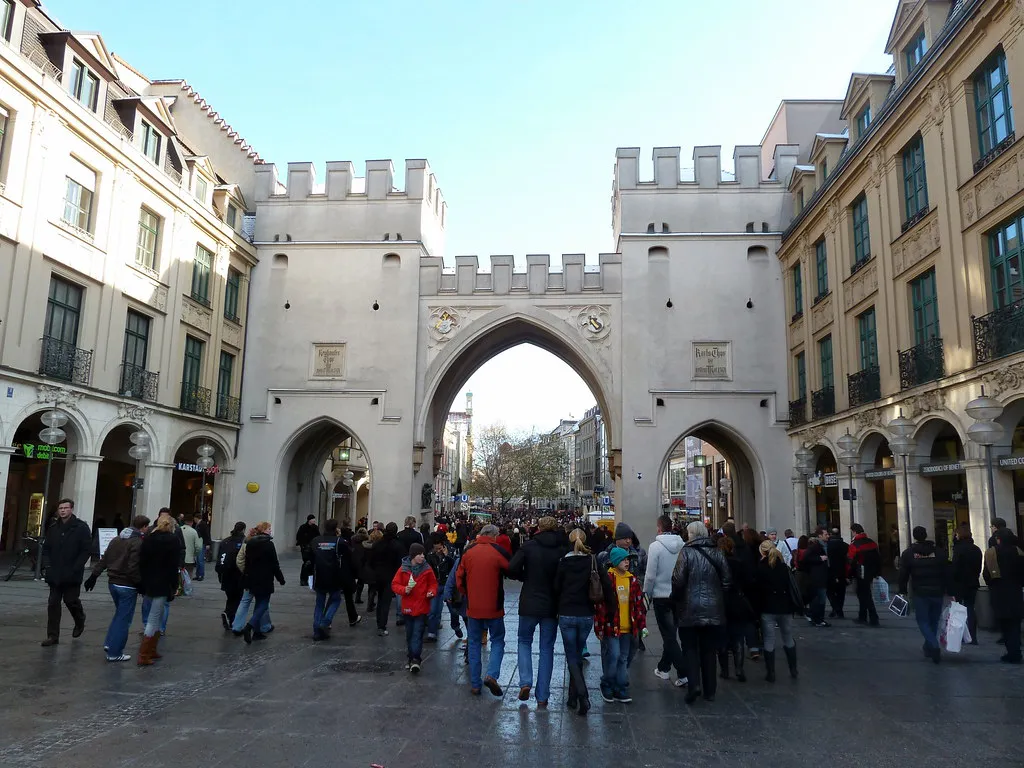
The choice between Altstadt and Maxvorstadt essentially comes down to one question: do you want to be inside the Christmas market experience or just near it? Altstadt means you step out of your hotel and you are already in the crowds. Maxvorstadt means a ten-minute U-Bahn ride on the U3 or U6 to Marienplatz, but you return each night to quieter streets, more local restaurants, and noticeably lower room rates.
The markets in this area feel more intimate and are often frequented by residents rather than large tour groups. It provides an authentic glimpse into daily life in Bavaria during December. Compare this area to other best Christmas markets in Germany to see how it fits your travel style.
Ludwigsvorstadt: Convenient Lodging Near the Central Station
Ludwigsvorstadt is the most practical choice for those arriving by train or bus. The area surrounds the Munich Hauptbahnhof and offers a wide variety of hotel chains and independent lodges at every price point.
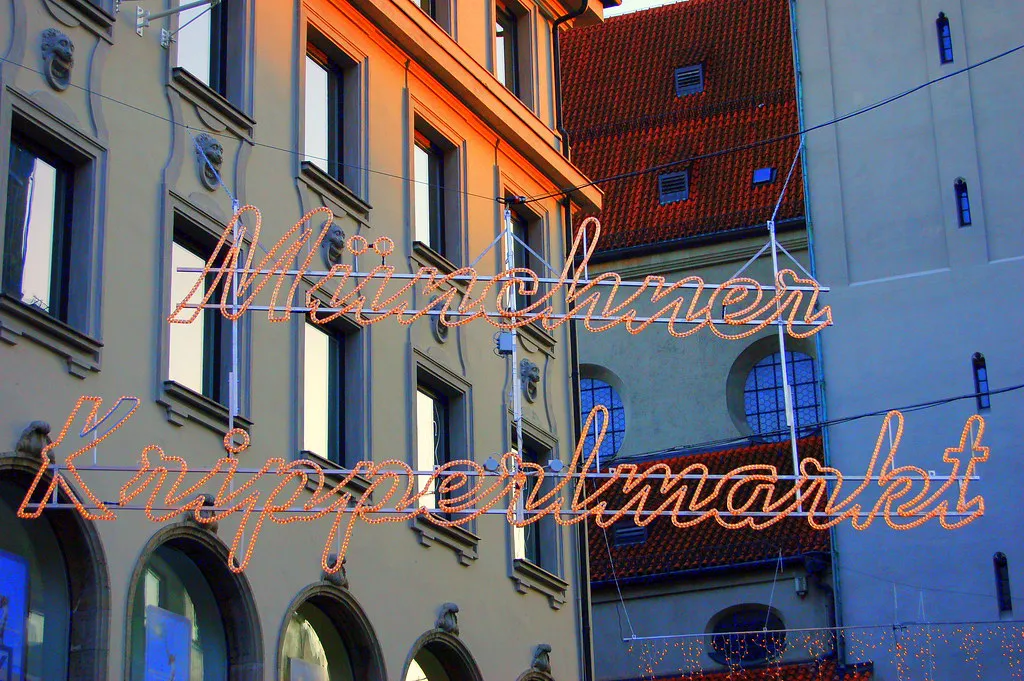
Staying here simplifies your arrival and departure logistics significantly. You can easily catch the S-Bahn directly to the Munich International Airport (MUC) from this location, and the same line connects you to Marienplatz in under ten minutes. The walk from the central station to Marienplatz along the pedestrian Kaufingerstrasse takes roughly fifteen minutes past smaller stalls and festive window displays.
This district is often 20 to 40 percent more affordable than the Altstadt while still within easy reach of the main festivities. It is an ideal base for budget-conscious travelers and families. Budget hostel options like Wombats City Hostel sit close to the station and offer solid value for those who plan to spend most daylight hours outside exploring.
Schwabing: A Festive and Bohemian Alternative
Schwabing was once the center of Munich's artistic movement and retains a bohemian flair today. It is located north of the city center and borders the beautiful English Garden, where the Eisbach River surfers ride year-round — even in December cold.
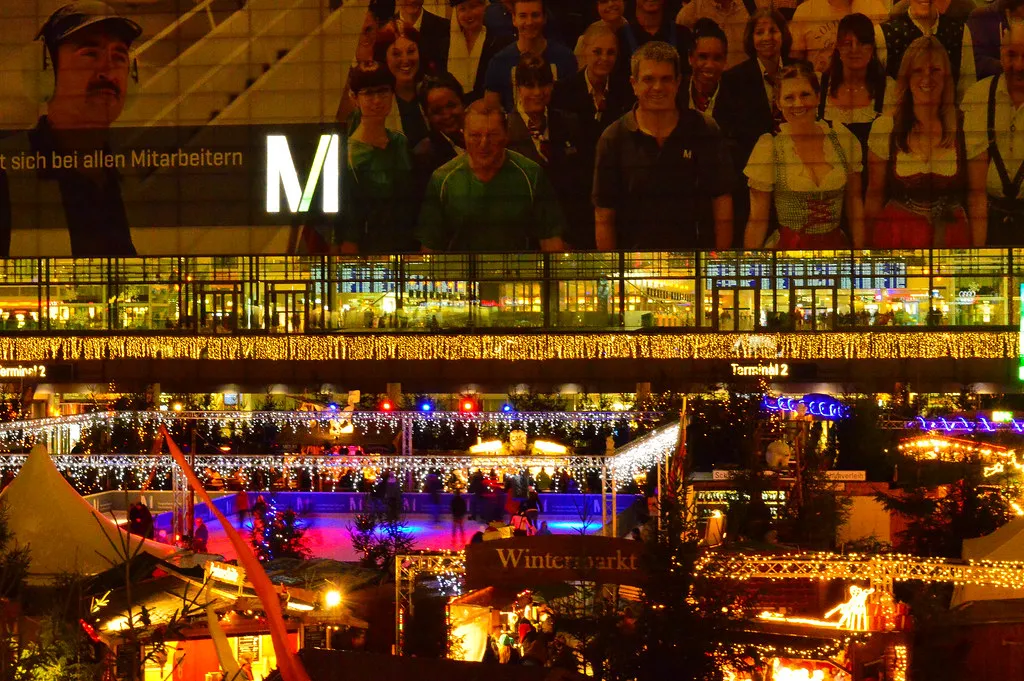
The Christmas market at Münchner Freiheit is famous for its unique handicrafts and artistic installations. It offers a different aesthetic compared to the more traditional markets in the city center, and the square feels genuinely festive without the mass-tourism crush of Marienplatz. Boutique hotels in Schwabing often feature modern designs and competitive rates compared to central Altstadt options.
You can enjoy long winter walks along the Eisbach before heading to a cozy local tavern for a warm Schweinshaxe and a dark Dunkles beer. The U3 and U6 lines provide frequent service to the heart of the city, making Schwabing a comfortable base for those who want space without sacrificing access. This area is similar in vibe to parts of the Berlin Christmas market districts that draw a younger, more local crowd.
Haidhausen and Sendling: Residential Charm and Tradition
Haidhausen is often called the French Quarter of Munich due to its charming squares and narrow streets. It offers a quieter alternative for those who want to escape the city center noise while still being just three U-Bahn stops from Marienplatz.
The market at Weißenburger Platz is particularly beautiful with its glowing lights and traditional atmosphere. It is a favorite among local families for its relaxed and friendly pace. Sendling features the historic Sendlinger Tor as a backdrop for its own market, giving visitors a sense of medieval Munich without the overwhelming crowds.
Travelers often use this area as a base before heading on a Nuremberg Christmas market day trip by train, since both tram and subway links connect efficiently to the main station. Both neighborhoods offer good value on accommodation and a genuine residential feel that larger tourist-zone hotels rarely provide.
Must-Visit Munich Christmas Markets in 2026
Munich runs more than ten separate Christmas markets simultaneously across the city. The Marienplatz Christkindlmarkt is the anchor — it fills the main square in front of the New Town Hall and typically opens the last week of November, running daily until 20:30 through December 24. The Glockenspiel figurines perform at 11:00 and 12:00 noon above the crowd, worth timing your visit around.
The Viktualienmarkt Christmas Market, a short walk south of Marienplatz, blends Munich's year-round farmers market with seasonal stalls. It opens earlier in the day and attracts more local shoppers, making it a calmer option for morning browsing before the Marienplatz crowds build. The Munich Residenz Courtyard market, set inside the former royal palace, has a smaller footprint but a historic atmosphere that feels noticeably different from the open-square markets.
The Medieval Christmas Market at Wittelsbacher Platz is the one most visitors miss. Located on Brienner Strasse, it recreates a 15th-century market with costumed traders, fire jugglers, mead instead of Glühwein, and hand-forged goods instead of mass-produced decorations. Stalls close earlier than the main markets — typically by 20:00 — so plan a visit in the late afternoon before heading to Marienplatz for the evening crowd. If you want one market that feels genuinely different from everything else in the city, this is it.
For those wanting to escape Marienplatz peak-hour congestion after 18:00 on weekends, the Chinese Tower market in the English Garden (Englischer Garten) is a reliable escape. It sits inside the park's beer garden area and draws a more local crowd. Access via U3 to Münchner Freiheit takes under fifteen minutes from the center.
Top Hotel Picks for Every Budget Near Marienplatz
Choosing the right hotel depends on your budget and how much time you plan to spend in your room. Proximity to the Old Town is the single most important factor in December, since short winter days (roughly 09:00–17:00) mean every extra minute walking counts.
The Rosewood Munich is the standout luxury option, housed in the former Bavarian State Bank building near Odeonsplatz. The Cortiina Hotel Munich is a well-regarded boutique pick in the central Altstadt — smaller, stylish, and consistently praised for its location a few streets from Marienplatz. Hotel Schlicker sits directly on the market square and suits families who prioritize walking distance over amenities. For mid-range travelers, the Hotel Maximilian offers clean, comfortable rooms near the Isar River and is around a twelve-minute walk to Marienplatz.
Budget travelers are best served by staying near the Hauptbahnhof in Ludwigsvorstadt rather than trying to find cheap options in the Altstadt itself. The Wombats City Hostel Munich near the central station has private rooms as well as dorms, solid reviews, and direct S-Bahn access to every major sight. Remember that breakfast is often included in German hotel rates, but verify this during booking — it can represent meaningful savings when multiple people are sharing a room.
Essential Dates and Timing for Munich Christmas Markets
The main markets in Munich typically open during the last week of November 2026. They usually run daily until the afternoon of Christmas Eve on December 24. Most stalls open around 10:00 and close by 20:30 or 21:00 depending on the individual market.
It is best to visit during weekday mornings to avoid the heaviest crowds. Weekend afternoons between 15:00 and 18:00 are peak hours at Marienplatz — the square becomes genuinely difficult to navigate. Dead Sunday, a German religious holiday on the last Sunday before Advent, closes several markets for one day, so factor this into your planning if you are visiting in mid-to-late November.
Daylight is limited in December from roughly 09:00 to 17:00. Plan your outdoor photography and sightseeing — including the climb at St. Peter's Church — for the early afternoon when light is at its best. The Glockenspiel performance at 11:00 and 12:00 noon is worth positioning yourself in Marienplatz early, as the square fills up quickly around those times.
What to Eat and Drink: Must-Try Bavarian Holiday Treats
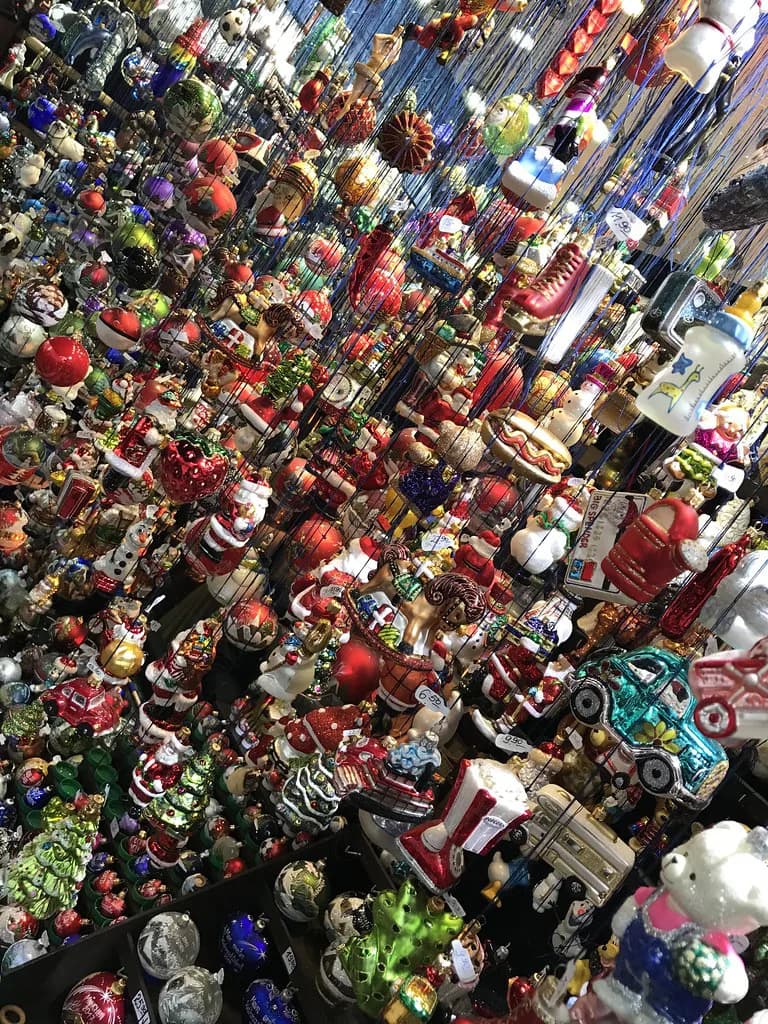
Drinking Glühwein is a core part of the Bavarian holiday experience. You will encounter the Pfand system at every market: when you buy your first mulled wine, you pay a deposit of around 8 Euros for the decorated ceramic mug. Return the mug at any stall to get your money back, or keep it as a souvenir. The mugs vary by market — the Marienplatz design changes yearly and has genuine collector value.
For those wanting something stronger, look for Feuerzangenbowle — mulled wine with a rum-soaked sugarloaf set alight and dripped into the pot. Not every stall offers it, but when you see the cauldron and the burning sugar, it is worth the queue. White mulled wine (weißer Glühwein) is a less-common variant that surprises most visitors with its lighter flavor.
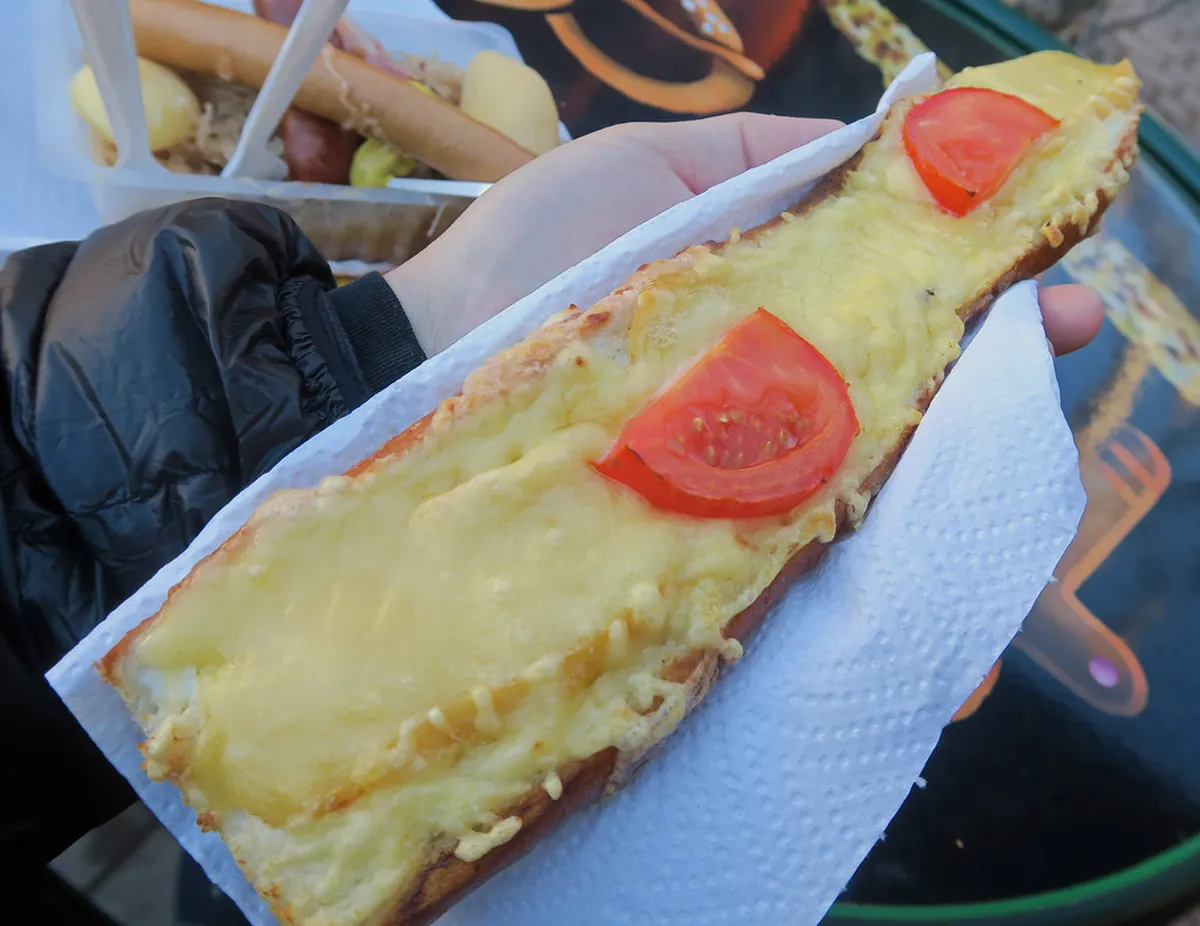
Sausages like Bratwurst in a Brötchen are essential snacks while browsing. If you find a stall selling Thüringer sausage, choose it — it is more seasoned than standard Bratwurst and closer to what Bavarians actually eat at home. Sweet treats like Lebkuchen and Reibekuchen (German potato pancakes served with apple compote) round out the market food experience. Roasted almonds are unavoidable — and that is no complaint. For a proper sit-down meal, Schneider Brauhaus near Marienplatz serves Weißwurst and Schweinshaxe in a historic beer hall setting with frequent live oompah music.
Practical Logistics: Cash, Transport, and Winter Packing
Carrying cash is vital when visiting the various market stalls across the city. Budget at least 200 Euros in cash for small purchases, church entry fees, and market food. Most hotels, large restaurants, and department stores accept card. However, market stalls, St. Peter's Church tower entry (5 EUR, cash only), the Frauenkirche elevator, and many small bakeries or butchers near the markets are cash-only. Using a bank ATM gives you the best exchange rate — avoid freestanding ATMs and exchange kiosks.
St. Peter's Church charges 5 EUR in cash to climb the 306 steps for the most iconic top-down photograph of the Marienplatz market. Go mid-morning on a weekday for the shortest queue. The Frauenkirche tower is also accessible via a 4-person elevator after 89 spiral steps, though it involves purchasing tickets at the gift shop inside.
Proper footwear is more important than a heavy coat when standing on cold cobblestones for hours. Waterproof boots with thermal insoles keep your feet functional through long market evenings. Temperatures regularly fall below freezing after dark, so thermal base layers matter more than an extra sweater on top. A compact daypack lets you carry your purchases and glühwein mugs without juggling shopping bags in the crowd.
Consider the daylight trade-offs if you plan Neuschwanstein Castle Winter Tours during your stay. The sun sets around 16:30, so morning departures before 08:30 are essential to see the castle exterior in natural light. The round trip from Munich takes a full day, which means sacrificing one afternoon at the markets — worth it for the snowy castle scenery, but plan accordingly.
Frequently Asked Questions
Which area is best for first-time visitors to Munich?
Altstadt-Lehel is the best area for first-time visitors because it is the historic heart of the city. You will be within walking distance of the main Christmas markets and major landmarks. For more tips on exploring the region, visit Festivian for expert travel advice.
How much does the mug deposit cost at the markets?
The mug deposit, known as Pfand, typically costs around 8 Euros at most Munich stalls. You pay this fee when you buy your drink and receive it back upon returning the mug. Many people choose to keep the mugs as inexpensive and festive souvenirs.
Is Munich public transport easy to use in winter?
Yes, Munich has an excellent public transport system that remains reliable during the winter months. The U-Bahn and S-Bahn trains connect all major neighborhoods and the airport efficiently. You can buy a day pass to save money on multiple trips across the city.
Visiting Munich for more than one festival? See our complete guide to festivals and events in Munich.
Choosing where to stay for Munich Christmas market trips depends on your personal travel priorities. Whether you prefer the luxury of the Altstadt or the local vibe of Maxvorstadt, Munich offers something special for every type of traveler in 2026.
Remember to pack warm boots and carry plenty of cash for the best experience at the stalls. Planning ahead for a German Christmas markets road trip can also add more magic to your holiday.
Enjoy the festive lights, the smell of roasted almonds, and the warm hospitality of Bavaria. Your winter trip to Munich will surely be a highlight of your holiday season.
Free guide: Europe's Festival Calendar
A month-by-month map of Europe's unmissable festivals — with the best dates to visit each and a local tip you won't find in the guidebooks.
You might also like
Continue reading
More guides you'll find useful


