11 Best Things to Do at the Lübeck Christmas Market (2026)
Plan your trip to the Lubeck christmas market with our guide to all 11 sites, 2026 dates, local marzipan tips, and Hanseatic history.
On this page
11 Best Things to Do at the Lübeck Christmas Market (2026)
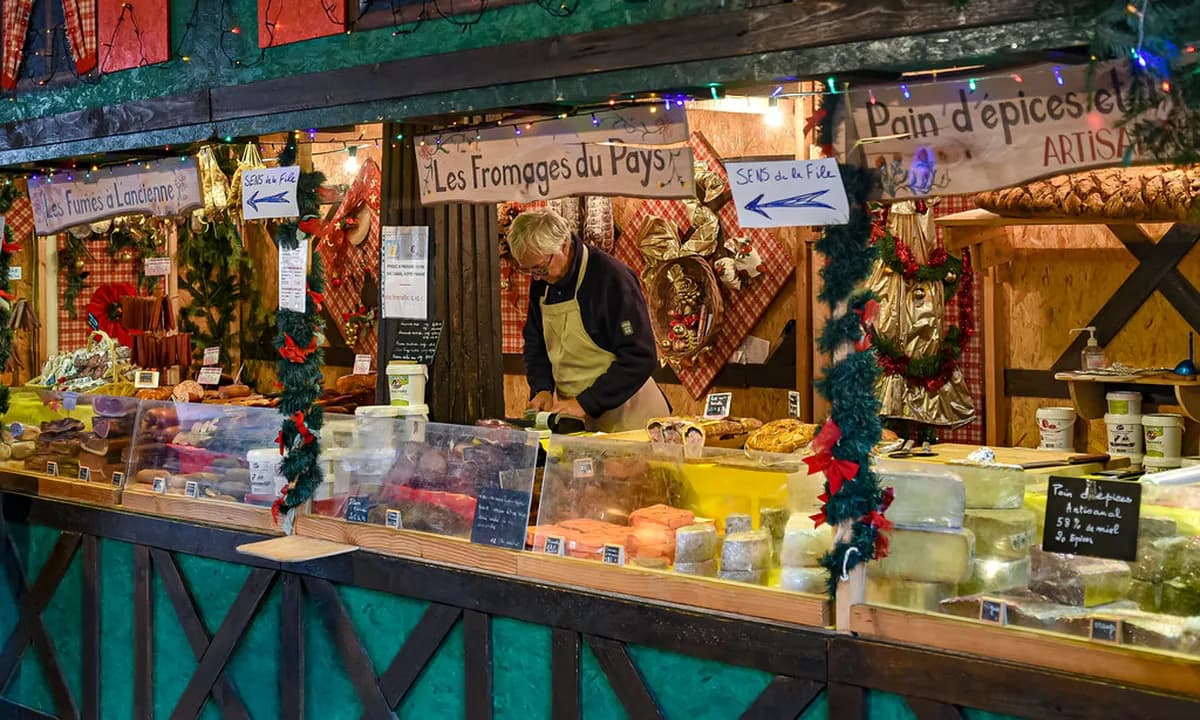
Lübeck is Germany's undisputed "Christmas City of the North," and for good reason. The city hosts 11 distinct market sites spread across a single walkable island — all within a UNESCO World Heritage Old Town framed by brick-gothic spires. For a guide to the best Christmas markets in Germany, Lübeck belongs near the top of any list.
Each market has its own theme and atmosphere, from the maritime docks near the salt warehouses to the medieval courtyard of St. Mary's Church. This guide covers all 11 markets, 2026 dates, a one-day itinerary, and the local food that makes Lübeck different from every other German market city. Last updated June 2026, reflecting current pricing and scheduling for the upcoming Advent season.
Whether you are planning a German Christmas markets road trip or a dedicated weekend visit, this city rewards the effort. According to records first noted in 1648, the Advent Lights tradition predates most modern markets in Germany. Prepare for an experience that blends 800 years of Hanseatic history with some of the most concentrated market variety in northern Europe.
Free guide: Europe's Festival Calendar
A month-by-month map of Europe's unmissable festivals — with the best dates to visit each and a local tip you won't find in the guidebooks.
Lübeck: The Christmas City of the North
Lübeck earned its "Christmas City of the North" title not through marketing but through sheer concentration of festive sites. The entire Old Town sits on a river island roughly 1.5 km from end to end, meaning you can walk between all 11 markets in a single afternoon. No other German city packs this many distinct market themes into one walkable area.
The city's UNESCO World Heritage status — granted for its brick-gothic architecture — creates a backdrop that no purpose-built event venue can replicate. The Holstentor city gate, the twin towers of St. Mary's Church, and the ornate gabled facades of the Rathaus all serve as natural stage sets for the market stalls. Every building in the Old Town dates from the medieval or early modern Hanseatic era, which gives the markets a genuine sense of historical weight.
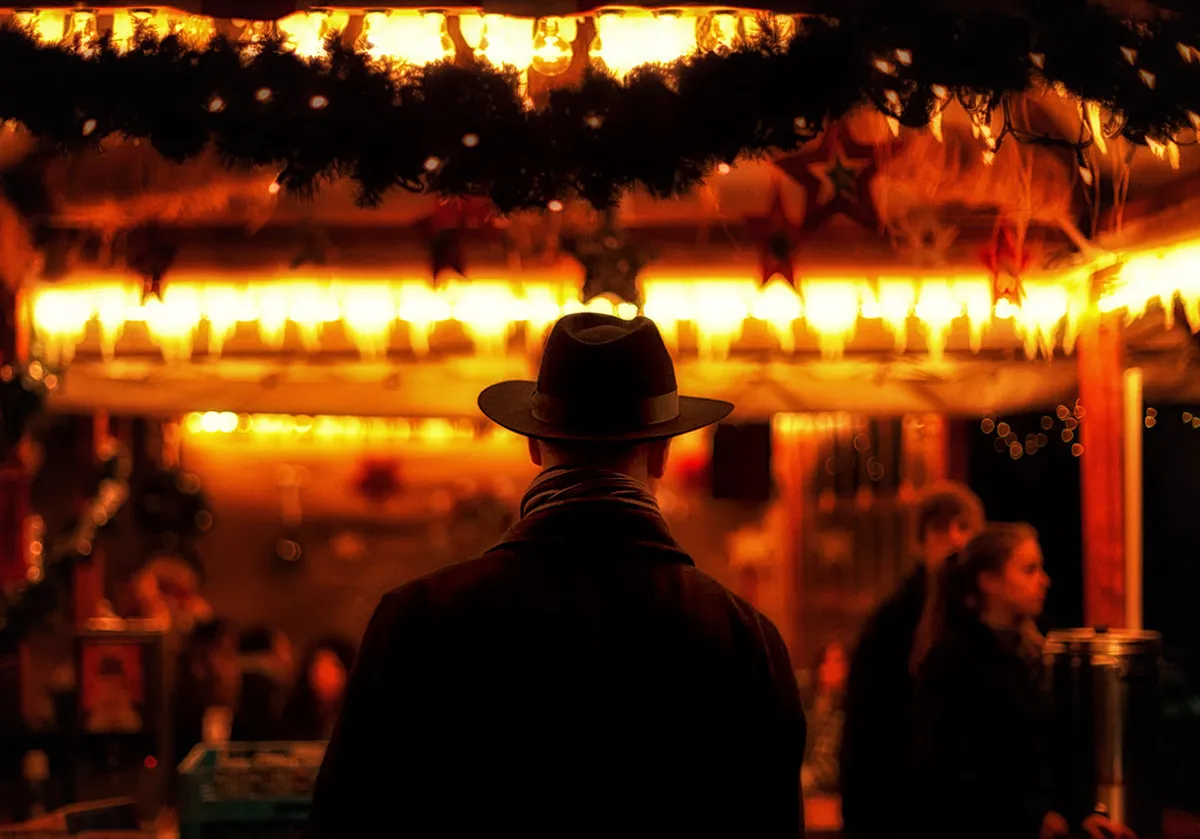
The formal season opens with the "Advent Lights" ceremony, typically held on the last Saturday of November. The city lights up the Kotka Pine Tree near the Holstentor — a gift from Lübeck's Finnish partner city — alongside scattered Wish Trees throughout the Old Town where visitors can pin written wishes. These touches are specific to Lübeck and not replicated at markets in Hamburg or Bremen.
2026 Event Dates and Opening Hours
The Lubeck christmas market season for 2026 opens on 23 November and runs through 30 December for most outdoor sites. The Advent Lights ceremony — the official start of the festive season — takes place on 27 November 2026. Most stalls at the main outdoor markets operate 11:00–21:00 daily, with slightly shorter hours on Sundays and Christmas Eve (24 December).
Several indoor and craft markets run for shorter windows inside the season. The Arts and Crafts Market at the Heiligen-Geist-Hospital typically operates for only about 10 days in late November and early December. The Craftspeople's Christmas Market (Lübsche Wiehnacht) at the harbor runs on just four specific days in late November and early December, making it the hardest to catch — check the Visit Lübeck Official Market Page for confirmed 2026 dates.
The St. Peter's Church Artisans Market also has a limited run, typically closing by 23 December while the larger outdoor markets remain open through 30 December. If you visit after 26 December, the Traditional Market at the Town Hall and the Maritime Market at Koberg usually remain open for a final "winter magic" phase. All markets are closed on 25 December.
The Maritime vs. Traditional Market: Which One First?
Most first-time visitors default to the Traditional Christmas Market at the Town Hall because it is the most photographed. That is the right call — the Rathaus backdrop with its dark brick arches is unmistakably Lübeck. Expect 150-plus stalls selling woodcarvings, hand-painted glass ornaments, and Glühwein from open huts. It is also the most crowded market on the island.
The Maritime Christmas Market at Koberg Square offers something fundamentally different. Located in the old seafarers' quarter, it uses fishing nets, old wooden barrels, and Hanseatic cargo imagery for its decor. The market leans more toward entertainment — a large Ferris wheel, carousels, candied apples, churros, and even Scandinavian-style salty licorice sold alongside the German staples. The Koberg market also tends to be less congested than the Rathausmarkt, especially on weekday mornings.
The two markets are a 5-minute walk apart via Breite Straße, so seeing both in sequence is easy. We suggest starting at the Rathausmarkt for coffee and context, walking to Koberg mid-morning before crowds build, then looping back to the Rathausmarkt in the evening when the torchlight makes it particularly atmospheric. The contrast between the two — civic grandeur vs. working-port grit — captures exactly why Lübeck has 11 markets instead of one.
All 11 Christmas Markets in Lübeck
Each of Lübeck's 11 market sites has a distinct theme and target audience. Here is a complete breakdown of what each one offers, where to find it, and who it suits best.
- Traditional Christmas Market (Rathausmarkt) — The main market at the Town Hall. Open 23 Nov – 30 Dec, 11:00–21:00. Over 150 stalls with woodcarvings, ornaments, Glühwein, and Bratwurst. Best for first-time visitors. Free entry.
- Historic Christmas Market (St. Mary's Churchyard) — Medieval-themed market with stallholders in period costume, open 25 Nov – 23 Dec. Handmade ironwork, leather goods, and hearty stews cooked over open flames. Visit after 17:00 for torchlight atmosphere.
- Fairytale Forest (Marienkirche) — Twenty animated Brothers Grimm scenes among real evergreen trees, at the foot of St. Mary's Church. Free entry. Ideal for families with young children; open daily late morning to early evening.
- Starlit Forest at Schrangen — A forest-themed seating area with Christmas trees, multiple food and drink vendors, and direct views of St. Mary's Church. No entry fee. Best in the evening when outdoor tables fill with locals sharing Glühwein.
- Maritime Christmas Market (Koberg Square) — Open 25 Nov – 29 Dec. Ferris wheel, carousels, smoked fish, Lübecker Rotspon wine, and a maritime-themed street fair. Free entry. Best in the evening when the rides light up.
- Pixy Wonderland / Secret Santa Village (St. Jacob's Churchyard) — Mini golf, a dome workshop for crafts, and small huts aimed at children. Playing mini golf requires a deposit. Visit during the day to avoid queues at the golf course.
- Arts and Crafts Market (Heiligen-Geist-Hospital) — Around 80 artists from across Europe inside the historic 13th-century hospital at Koberg 11. Entry: €4. Limited capacity means queues, especially on weekends. Walk in the same direction as other visitors — the layout flows one-way and exits are clear.
- St. Peter's Church Artisans Market — Baltic and German craftspeople inside the vaulted church at Petrikirchof 4. Entry: €3. Open approx. 26 Nov – 23 Dec, 11:00–19:00. Take the church elevator afterward for panoramic rooftop views of the market lights.
- Niederegger Marzipan Christmas Bazaar (Breite Str. 89) — The world-famous Niederegger cafe's upper floor becomes a marzipan-focused holiday shop with museum displays of life-sized marzipan sculptures. Free to enter the bazaar. Open standard retail hours (closes ~19:00). Boxes of marzipan: €8–€35.
- Harbor Glow (DrehBrückenplatz, Willy-Brandt-Allee) — Open 25 Nov – 29 Dec. A stage market with live music, decorated shipping containers converted into food outlets, and a relaxed restaurant vibe. Best for evening visits when concerts run.
- Craftspeople's Market Lübsche Wiehnacht (Schuppen 6, An der Untertrave 47A) — Only open 4 days total across late November and early December. About 35 exhibitors inside the harbor warehouse. Entry: €2. Requires advance planning; check confirmed 2026 dates with the official tourism site.
Most markets are within a 10-minute walk of each other. The Holstentor gate serves as the natural western anchor, while the DrehBrückenplatz harbor market sits at the southern tip of the island. Walking the full loop takes about 3–4 hours at a relaxed pace.
Lübeck's Christmas Markets in One Day
If you have a single day, start at Niederegger on Breite Straße for a marzipan breakfast — the cafe opens early and sets the right tone before the outdoor markets fill up. From there, walk directly to the St. Peter's Church Artisans Market and arrive at 11:00 when it opens to beat the queue. The church also gives you the best elevated view of the day if you take the tower elevator.
By midday, cross to the Traditional Christmas Market at the Rathausmarkt. Browse stalls and pick up lunch from the Glühwein and Bratwurst huts. From the Rathausmarkt, the Fairytale Forest at St. Mary's and the Historic Market at the churchyard are immediately adjacent — walk through both without backtracking. If you have children, the Starlit Forest at Schrangen is one block south and has seating for a break.
In the early afternoon, head north to the Heiligen-Geist-Hospital for the Arts and Crafts Market. Arrive before 14:00 on weekdays to avoid the longest queues. Immediately next door, Koberg Square hosts the Maritime Market — pair these two back-to-back. By late afternoon, walk south to the Secret Santa Village at St. Jacob's Churchyard, then finish the evening at the Harbor Glow at DrehBrückenplatz, which runs live music from around 18:00. That sequence covers 9 of the 11 markets in a single loop without any doubling back.
Weekday vs. Weekend: When to Visit for Fewer Crowds
Lübeck's Old Town island is not large, and the markets get seriously congested on Saturday afternoons and Sunday evenings. The Rathausmarkt in particular can become difficult to navigate by 15:00 on weekends, with crowds making it hard to reach stalls. The Heiligen-Geist-Hospital market operates a one-way flow system, but the queue outside can stretch 30–45 minutes on Saturday mornings.
Weekday visits — Tuesday through Thursday — offer a meaningfully different experience. The markets open at 11:00 and remain manageable until early evening. The key advantage is that you can browse stalls without being jostled, actually examine what each craftsperson is selling, and get Glühwein from the first vendor you choose rather than the least crowded one. The Fairytale Forest is almost peaceful on a Wednesday morning with children at school.
A practical middle ground: arrive Friday morning, do the indoor markets (St. Peter's, Niederegger, Heiligen-Geist-Hospital) while they are quietest, then tackle the outdoor markets on Saturday evening when the atmosphere peaks and the Ferris wheel is fully lit. If you visit only on a weekend, aim for the outdoor markets before noon and leave the main Rathausmarkt square for late Saturday night after 20:00, when crowds thin slightly as visitors head to restaurants. The Obertrave riverbank is always the least congested outdoor option regardless of day.
Local Flavors: Marzipan and Hanseatic Specialties
Lübeck marzipan is not the same product you find in supermarkets. The city has produced it since at least the 15th century, and local law requires Lübecker Marzipan to contain a higher proportion of almonds to sugar than standard marzipan. Niederegger at Breite Straße 89 is the gold standard — their Christmas bazaar on the upper floor stocks hundreds of seasonal shapes, and three artisans on staff create life-sized marzipan sculptures by hand. A standard gift box runs €8–€15; luxury assortments reach €35. Smaller confectioners like Mest on Hüxstraße offer a slightly less polished but equally authentic alternative at lower prices.
Beyond sweets, the maritime character of the markets introduces northern specialties not found in Bavarian or Rhineland markets. The Maritime Market at Koberg sells smoked fish and hot Lübecker Rotspon — a French red wine historically imported via the Trave river and aged in Lübeck cellars, giving it a distinctive earthier finish than standard Glühwein. Look also for Labskaus, a sailor's dish of corned beef, potatoes, and beetroot, at the harbor-side food stalls.
For quick snacks, Mutzen are the local specialty: small teardrop-shaped pieces of fried dough dusted with powdered sugar, sold hot in paper bags for around €4–5 a portion. At the Schrangen forest market, sit down for a plate of waffles topped with hot sour cherries and cream — a combination more common in northern Germany than in the south. The Koberg market is also surprisingly good for Scandinavian-influenced sweets including salty licorice, reflecting Lübeck's historic Baltic trade connections.
The Hanseatic League: Why Lübeck's Markets Are Different
Lübeck was once the most powerful city in the Hanseatic League, a medieval trading network that controlled Baltic commerce from the 13th to the 17th centuries. At its peak, Lübeck negotiated trade treaties on behalf of hundreds of cities and controlled the flow of salt, grain, furs, and amber across northern Europe. The city's status as "Queen of the Hanse" explains the architectural wealth that now serves as the market backdrop — only a city that once rivaled Venice could have afforded buildings on this scale.
That Hanseatic past shows up directly in the markets. The Maritime Market at Koberg occupies the same square where Hanseatic merchants once traded Baltic goods from wooden wharves. The salt warehouses still visible along the Trave river stored the Lüneburg salt that made Lübeck's fortune before synthetic refrigeration made them obsolete. The European Hansemuseum at the northern tip of the island — walkable from all 11 markets — provides the full context if you want to understand why Lübeck feels like a more substantial city than its current size suggests.
The Lübecker Rotspon wine sold at the markets is a direct inheritance of Hanseatic trade: French wines shipped north, aged in Lübeck cellars, and sold onward to Baltic ports. Drinking it at the Maritime Market is about as close as you can get to tasting the actual commodity that funded the city's medieval golden age. The Hanseatic League History (Hanse.org) documents these trade routes in detail for visitors who want the full picture before arriving.
Planning Your Visit: Transport, Hotels, and Practical Tips
Getting to Lübeck from Hamburg takes about 45 minutes on the RE8 regional train, which runs every 30 minutes from Hamburg Hauptbahnhof. The Lübeck Hauptbahnhof is a 10-minute walk west of the Holstentor gate, which marks the entrance to the Old Town island. No car is needed or advisable — parking near the island is limited and expensive during the market season, and all 11 markets are on foot within the island boundary.
For accommodation, staying inside the Old Town island puts you within a 5-minute walk of every market. The area is small enough that almost any hotel within the island boundary qualifies — look for options near the Rathausmarkt or on Beckergrube for the best access. Booking 3–4 months in advance is advisable for the Advent weekends, particularly the first and last weekends of the season. If you are combining Lübeck with the Hamburg Christmas market, Hamburg is the better base for transport logistics, but Lübeck's compact scale rewards an overnight stay.
Practical notes for the visit: bring cash for smaller food stalls and markets with entry fees, as card acceptance is inconsistent among individual vendors. Wear flat-soled shoes with grip — medieval cobblestones become slippery in frost and rain. Expect a Pfand (deposit) of €2–€4 on Glühwein mugs, which you recover when you return the mug at any stall. Most mugs are Lübeck-branded keepsakes that visitors choose to keep, which is factored into the pricing.
Frequently Asked Questions
When do the Lübeck Christmas markets open in 2026?
The markets are scheduled to open on November 23, 2026. Most locations run daily until December 30, though some craft markets have shorter dates. Always check the official tourism site for specific indoor market schedules.
Does Lübeck have a Christmas market?
Yes, Lübeck hosts 11 different Christmas markets across its historic Old Town island. These range from traditional and maritime themes to fairytale forests and artisan craft halls. It is often called the 'Christmas City of the North' for this reason.
What is the most Christmassy town in Germany?
Lübeck is frequently cited as one of the most festive towns due to its UNESCO World Heritage architecture. The city's 11 distinct markets and long-standing marzipan traditions create a unique atmosphere. It offers a more historic feel than larger cities like Berlin or Munich.
Lübeck earns its reputation as a premier holiday destination through the sheer variety of its 11 markets and the weight of its Hanseatic architecture. From the maritime docks to the vaulted interior of St. Peter's Church, the city offers a distinct festive layer for every type of traveler. The combination of marzipan, Rotspon wine, and medieval stonework is genuinely unlike anything else in Germany.
For more travel inspiration and planning tools, visit the Festivian blog for expert advice. Plan your visit early, arrive on a weekday if possible, and build your schedule around the indoor craft markets first before the outdoor crowds build. The brick-gothic spires glowing against the winter sky make it worth every effort.
Free guide: Europe's Festival Calendar
A month-by-month map of Europe's unmissable festivals — with the best dates to visit each and a local tip you won't find in the guidebooks.
You might also like


Continue reading
More guides you'll find useful