German Christmas Markets Road Trip: 10-Day Bavaria Itinerary
Plan the ultimate German Christmas markets road trip with this 10-day Bavaria itinerary. Includes car rental tips, must-eat foods, and local secrets.
On this page
10-Day German Christmas Markets Road Trip: The Ultimate Guide
Last updated March 2026. A German christmas markets road trip is a dream for many holiday enthusiasts. We designed this guide for both first-timers and repeat visitors seeking a festive escape. Bavaria offers the most traditional and concentrated market experiences in the country.
Driving through snow-dusted villages provides a flexibility that trains simply cannot match. You can explore tiny hamlets and grand cities at your own pace. This itinerary focuses on the southern region to minimize long hours behind the wheel. We recommend focusing on quality over quantity for the best holiday spirit.
Free guide: Europe's Festival Calendar
A month-by-month map of Europe's unmissable festivals — with the best dates to visit each and a local tip you won't find in the guidebooks.
Why Plan a German Christmas Markets Road Trip?
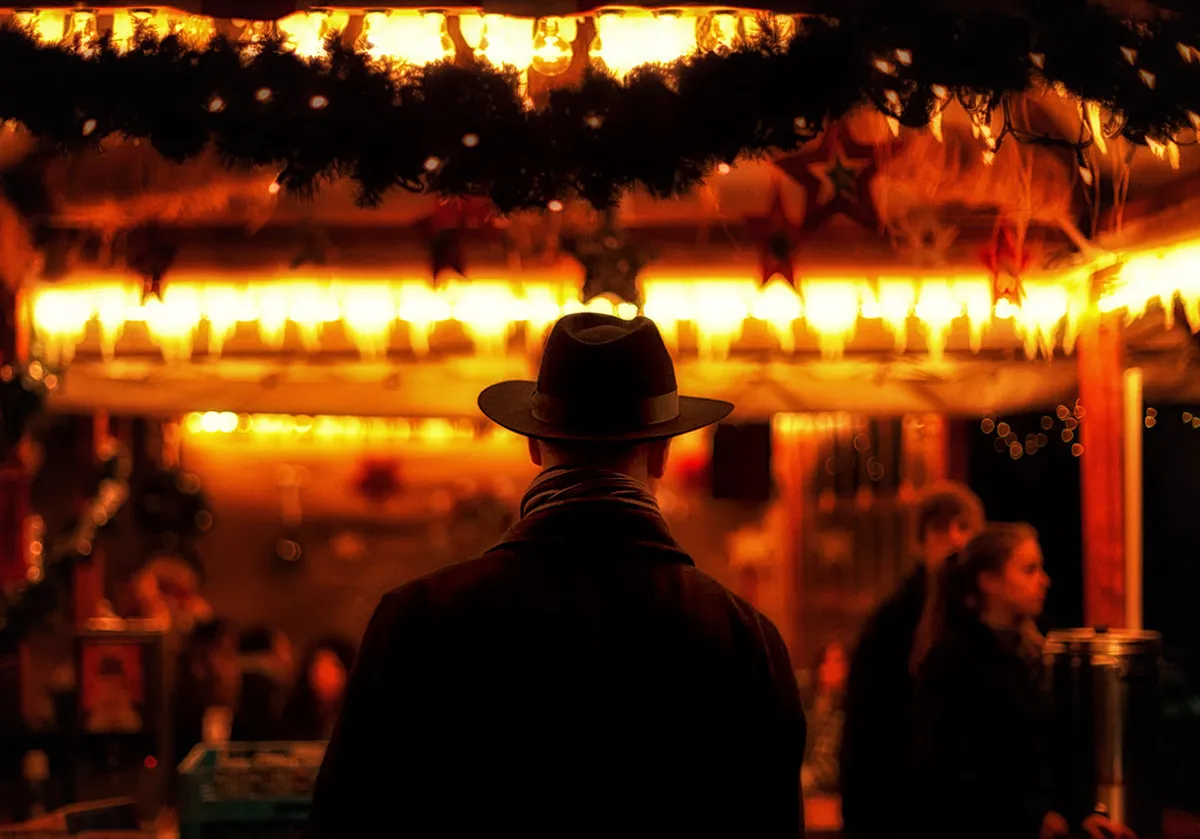
German markets are far more than just shopping stalls for tourists. They serve as vital social hubs for locals during the cold winter months. You will find an adult-oriented atmosphere focused on eating, drinking, and socialising — not unlike a neighbourhood pub that spills onto a beautiful medieval square. This differs significantly from the commercialised versions found in North America.
The air smells of roasted almonds and spiced wine in every square. Friends gather around tall tables to share stories and stay warm. The community aspect is what makes these trips genuinely special, and it is something you feel within minutes of arriving. It is cultural immersion that goes far beyond simple holiday sightseeing.
Bavaria specifically makes for the best road trip region because the major stops — Munich, Nuremberg, Rothenburg, Würzburg, Bamberg — sit within a compact triangle. You spend your time at markets, not motorways. That matters enormously when December weather can slow you down.
The Best Time of Year to Visit (Timing Is Everything)
Most German Christmas markets open in the last week of November and run until 23 or 24 December. The first full week of December is the sweet spot: everything is open, crowds are manageable, and the novelty of the season is still fresh. The second and third weekends in December draw the largest numbers, and major markets like Nuremberg's Christkindlesmarkt can feel uncomfortably packed on Saturday afternoons.
Plan your visits to big-city markets on weekdays if possible. Most German markets run shorter hours Monday to Thursday — typically 10:00 to 21:00 — and stay open until 22:00 on Fridays and Saturdays. Arriving at 16:00 on a Tuesday means thinner crowds and the same magical atmosphere once the lights come on after dark. Save your weekend days for smaller towns like Rothenburg or Bamberg, where even peak Saturday crowds feel human-sized.
Markets are undeniably most atmospheric after dark. The stalls glow warmly, the cathedral facades are lit, and the Glühwein tastes better in the cold. Build each day around a late afternoon arrival at your next market town rather than rushing in at noon. Most stalls will close by 21:00, so plan your dinners early and return for a final cup of wine before shutting time.
Regional Strategy: Why Focusing on One Area Wins
It is tempting to build an itinerary that hops from Munich to Cologne to Berlin to Strasbourg. Do not do this. A scattered route means you spend entire days in transit and arrive exhausted at each market. You also lose the sense of accumulated atmosphere that builds when you stay within one region.
Bavaria and Franconia together form the strongest single-region road trip in Germany. The Romantic Road corridor — a 350 km route from Würzburg south to Füssen — passes through Rothenburg ob der Tauber, Dinkelsbühl, and Augsburg, all within easy reach of each other. Limiting your route to this zone and adding Munich plus Bamberg as anchors keeps individual drives under 90 minutes and gives you full evenings at each market.
The Black Forest is a legitimate alternative base if you prefer a quieter, more rural experience. Germany's largest nature park covers roughly 160 km north to south and 50 km east to west. Freiburg is the main market town here, with several smaller village markets within day-trip distance. But for a first road trip, Bavaria wins on density of famous stops.
Logistics: Car Rental, Rail Pass, and Road Tips
A car gives you the freedom to visit rural markets that rail simply cannot reach. You can stop at a roadside farmstall selling Stollen or detour to a village with a single-street market that no guidebook lists. The flexibility is real. However, driving in Germany in December requires preparation: winter tyres are legally mandatory when ice or snow is present, and most rental companies include them on winter-season bookings — confirm this in writing before you pick up the car.
Expect to pay between €15 and €30 per day for parking in city centres. Medieval old towns like Rothenburg and Bamberg restrict traffic inside the walls; park in the designated lots outside the gates and walk in. Book parking-friendly hotels: good ones in old-town centres reserve underground spaces for guests. If you are arriving from the UK, Eurotunnel crossings start around £30 and give you a dedicated car on the continent from day one.
The German Rail Pass (Deutsche Bahn) is the right call if your itinerary sticks to the major cities and you have no interest in smaller villages. Trains between Frankfurt, Würzburg, Nuremberg, and Munich are fast and reliable. The journey from Würzburg to Nuremberg by ICE takes about 1 hour; Nuremberg to Munich is roughly 1 hour 10 minutes. The catch: some classic stops like Rothenburg have no direct rail link from Nuremberg — the circuitous route through Würzburg adds 3.5 hours of travel time each way. A car solves that immediately.
Our recommendation: rent a car for a Bavaria-focused itinerary. Use trains only if your route is a straight urban corridor. If you are planning a wider European loop through France or Switzerland, a car remains the better option for flexibility across borders.
10-Day Bavaria Itinerary At a Glance
This summary helps you visualise the flow of your 10-day journey. Each day highlights a specific theme to keep the experience fresh. We suggest using this as a baseline for your personal planning. Check the best christmas markets in Germany for more inspiration.
- Day 1: Munich arrival & lights
- Morning: Airport arrival and check-in
- Afternoon: Marienplatz market exploration
- Evening: Welcome dinner at Hofbräuhaus
- Day 2: Munich art & rooftops
- Morning: Residenz palace tour
- Afternoon: English Garden walk
- Evening: Tollwood winter festival
- Day 3: Salzburg alpine magic
- Morning: Drive to Salzburg, Austria
- Afternoon: Hohensalzburg Fortress visit
- Evening: Return drive to Munich
- Day 4: Regensburg royal courtyard
- Morning: Drive to Regensburg
- Afternoon: Thurn und Taxis market
- Evening: Old Town riverside walk
- Day 5: Nuremberg classic traditions
- Morning: Drive to Nuremberg
- Afternoon: Main Christkindlesmarkt tour
- Evening: Children's market treats
- Day 6: Nuremberg castle views
- Morning: Imperial Castle exploration
- Afternoon: Gingerbread shopping spree
- Evening: Night watchman walking tour
- Day 7: Rothenburg medieval fairy-tale
- Morning: Drive to Rothenburg
- Afternoon: German Christmas Museum
- Evening: Medieval wall walk
- Day 8: Würzburg baroque elegance
- Morning: Drive to Würzburg
- Afternoon: Würzburg Residenz tour
- Evening: Old Main Bridge wine
- Day 9: Bamberg beer & bridges
- Morning: Drive to Bamberg
- Afternoon: Smoked beer tasting
- Evening: Cathedral square market
- Day 10: Munich final farewell
- Morning: Return drive to Munich
- Afternoon: Last-minute souvenir shopping
- Evening: Departure from Munich Airport
The Ultimate 10-Day Bavaria Itinerary
Our 10-day route balances famous city markets with quaint medieval towns. We recommend staying in central locations to maximise your evening market time. You will spend an average of 90 minutes driving between each major stop. This pace allows for leisurely mornings and festive, unhurried evenings.
In Munich, we suggest the Hotel Präsident Munich for its proximity to the station. For a more luxury stay, consider the Westin Grand Munich Hotel. Each city has its own unique flavour and regional food specialties. Keep a flexible schedule to account for potential winter weather delays.
- Day 1: Munich arrival & lights
- Morning: 10:00 – 12:00 Arrival at Munich Airport
- Afternoon: Marienplatz market exploration
- Evening: 18:00 dinner at Hofbräuhaus
- Logistics: Take the S8 train into the city centre
- Optional: Visit the Sendlinger Tor market
- Day 2: Munich art & rooftops
- Morning: 09:30 Munich Residenz visit
- Afternoon: St. Peter's Church tower climb
- Evening: Tollwood Winter Festival
- Logistics: Use the U-Bahn system throughout
- Optional: Ice skating at Karlsplatz
- Day 3: Salzburg alpine magic
- Morning: 08:30 drive to Salzburg (90 min)
- Afternoon: Fortress and Old Town markets
- Evening: 19:00 return to Munich
- Logistics: Buy an Austrian motorway vignette (€10) at the border
- Optional: Hellbrunn Advent Magic market
- Day 4: Regensburg royal courtyard
- Morning: 09:00 drive to Regensburg (90 min)
- Afternoon: Thurn und Taxis Christmas market
- Evening: Stay at Hotel Central Regensburg City Centre
- Logistics: Park at Dachauplatz garage (€10/day)
- Optional: Spitalgarten market across the stone bridge
- Day 5: Nuremberg classic traditions
- Morning: 10:00 drive to Nuremberg (60 min)
- Afternoon: Explore the main Nuremberg christmas market
- Evening: 18:00 Children's Market visit
- Logistics: Stay at Congress Hotel Mercure Nürnberg
- Optional: Medieval Craftsmen's Courtyard
- Day 6: Nuremberg castle views
- Morning: 09:00 Imperial Castle tour (€8 adult)
- Afternoon: German National Museum
- Evening: Night Watchman walking tour (book 10 days ahead)
- Logistics: Walk the city walls between stops
- Optional: Documentation Center museum
- Day 7: Rothenburg medieval fairy-tale
- Morning: 09:30 drive to Rothenburg ob der Tauber (60 min)
- Afternoon: German Christmas Museum visit
- Evening: Reiterlesmarkt in the main square
- Logistics: Park at P4 lot outside the town walls; the old town is pedestrian-only
- Optional: Käthe Wohlfahrt flagship store
- Day 8: Würzburg baroque elegance
- Morning: 10:00 drive to Würzburg (60 min via A7)
- Afternoon: Würzburg Residenz palace tour (UNESCO, €10)
- Evening: Glühwein on the Alte Mainbrücke
- Logistics: Use the A7 motorway south to north
- Optional: Marienberg Fortress hike opposite the river
- Day 9: Bamberg beer & bridges
- Morning: 09:00 drive to Bamberg (60 min)
- Afternoon: Old Town Hall photos and market stalls
- Evening: Rauchbier (smoked beer) at Schlenkerla
- Logistics: Walkable UNESCO city centre; park at the riverside P+R
- Optional: Geyerswörth Castle panorama view
- Day 10: Munich final farewell
- Morning: 09:00 return drive to Munich (2 hours)
- Afternoon: Viktualienmarkt food shopping
- Evening: 18:00 airport departure
- Logistics: Return rental car at Terminal 2 at least 3 hours before departure
- Optional: Munich Airport also has a small Christmas market in December
Must-Visit Stop: Nuremberg and the Christkindlesmarkt
The Nuremberg Christkindlesmarkt is the single most iconic market in Germany. Dating back to 1628, it fills the Hauptmarkt square with around 180 stalls selling handmade ornaments, Lebkuchen gingerbread, and the city's famous finger-sized Rostbratwurst sausages. The market opens each year with a ceremony on the Friday before the first Sunday of Advent, performed by the golden-robed Christkind figure from the balcony of the Frauenkirche. Check Nuremberg christmas market dates before booking your trip, as the precise opening day shifts annually.
The crowds here are genuine. On peak evenings the main square slows to a shuffle. We recommend arriving before 16:00 on a weekday to browse properly, then returning after 18:00 for the full atmosphere. Combine the main Christkindlesmarkt with the adjacent Children's Market (Kinderweihnacht) and the Medieval Craftsmen's Courtyard nearby. Pick up a free paper map of the "Christmas City" at the tourist office — Nuremberg publishes a new one each year with all stall locations marked.
Must-Visit Stop: Rothenburg ob der Tauber and the Romantic Road
Rothenburg is the most perfectly preserved medieval town in Germany, and in December it looks almost exactly as it did six centuries ago. The Reiterlesmarkt fills the Marktplatz with around 30 stalls — small by comparison with Nuremberg, but the setting is unmatched. The town sits along the Romantic Road, a 350 km touring route from Würzburg to the Alps, making it a natural overnight stop between those two cities.
The German Christmas Museum (Deutsches Weihnachtsmuseum) is worth at least 90 minutes. It traces the history of Christmas decorations from the 19th century through to the present, with an enormous permanent collection. The Käthe Wohlfahrt flagship store next door is the largest Christmas shop in the world — every room is open year-round. If you see something unusual that catches your eye, buy it immediately. The next stall in the next town almost certainly will not stock it.
Must-Visit Stop: Munich's Vibrant Market Scene
Munich runs multiple markets simultaneously and each has a different character. The main Christkindlmarkt at Marienplatz is the central landmark market, dominated by the great Christmas tree in front of the Neues Rathaus. The Tollwood Winter Festival in Olympiapark runs separately and draws a more alternative, artisan crowd with live music stages and global street food. The Schwabing market and the medieval-themed Mittelaltermarkt offer further variety within easy U-Bahn reach.
Give Munich two full days. The city is large and the attractions beyond the markets — the Residenz palace, Deutsches Museum, English Garden — justify the time. Most hotels near Marienplatz do not include parking; budget €20 to €30 per night for a nearby garage. The S-Bahn from Munich Airport (S1 or S8) runs every 20 minutes and costs €13 single; taking the car into the city centre on arrival day adds unnecessary stress.
What to Eat: Local Delicacies by Town
Each stop on this itinerary has its own edible identity. Eating your way through the differences is half the point of doing this as a road trip rather than a single-city stay.
- Nuremberg: Drei im Weggla — three small Rostbratwurst in a bread roll, €3–5. Nuremberg Lebkuchen spiced gingerbread rounds in red and green tins are the must-buy gift (Lebkuchen Schmidt is the reliable benchmark brand).
- Munich: Weisswurst (white veal sausage, eaten before noon by tradition) with sweet mustard, €8–12. Obatzda cheese spread on a pretzel at any market stall.
- Rothenburg: Schneeballen (snowballs) — fried pastry dough dusted in sugar or dipped in chocolate. Touristy but surprisingly good from the right baker.
- Würzburg: Franconian wine from local Weingüter — the Silvaner white variety is the regional signature. Try a glass on the Alte Mainbrücke bridge with the castle lit up behind you.
- Bamberg: Rauchbier (smoked beer) at Schlenkerla on Dominikanerstraße. The flavour is assertively smoky; order a Märzen for the easiest entry point.
Glühwein is the standard drink at every market, typically €4–6 per cup. Every market uses its own ceramic or glass mug, and each vendor charges a Pfand (deposit) of €3–5 on top of the wine price. Return the mug to the same vendor with its token to get the deposit back. Keep a few of the more distinctive ones — Nuremberg's Angel mug and Rothenburg's pewter-look cup are genuinely good souvenirs and cost you nothing if you were going to buy the wine anyway.
Packing Essentials: Dressing for the German Winter
Temperatures in Bavaria in December average 0–5°C by day and drop to -3°C or below at night. Markets are entirely outdoors. You will be standing still for long stretches while eating and drinking, which makes cold far more noticeable than during walking tours. Dressing in layers is essential, with a windproof outer layer over a thermal base.
- Footwear: Waterproof boots with grip soles. Cobblestones in Rothenburg and Bamberg become slippery in light frost. Comfort matters — you will walk 12,000–18,000 steps on a typical market day.
- Gloves and hat: Non-negotiable. Handling a hot Glühwein cup in thin gloves is unpleasant; a pair you can easily slip off at food stalls works well.
- Bags: Bring a sturdy tote or small backpack specifically for gifts and market purchases. Paper bags from stalls are not built to last a week in a car boot.
- Cash: Keep at least €50 in small denominations at all times. Many traditional vendors, particularly in smaller towns, do not accept cards. ATMs in medieval centres can have queues on peak evenings.
Travel insurance is genuinely worth buying for a December Europe trip. Weather delays, cancelled trains, and the occasional minor medical issue (a GP visit or urgent pharmacy run) are more likely in winter than in July. An emergency visit to a Munich hospital starts at around €300 even for straightforward cases — the cost of cover is usually less than one night's accommodation.
Accommodation Guide: Best Hotels for Road Trippers
Booking accommodation for a December Bavaria road trip requires more lead time than almost any other European trip. The most popular hotels in Munich and Nuremberg fill by late September for peak December weekends. We recommend booking at least four months in advance if your dates include any weekend nights.
The single most important factor for road trippers is parking. Medieval city centres — Rothenburg, Bamberg, Regensburg — restrict car access inside the walls. Book hotels that either include free parking or have a confirmed garage arrangement nearby. Always contact the hotel directly to confirm the parking situation before your arrival day; assumptions here lead to 30-minute cold searches for a space on a Sunday evening.
- Munich: Hotel Präsident Munich (near the station, walking distance to Marienplatz); Westin Grand Munich for a splurge. Budget: €120–200/night in December.
- Nuremberg: Congress Hotel Mercure Nürnberg (near the old town). Budget: €100–160/night.
- Regensburg: Hotel Central Regensburg City Centre (10 min walk to the Thurn und Taxis market). Budget: €90–130/night.
- Rothenburg / Würzburg / Bamberg: Smaller towns have fewer options and rooms sell out faster proportionally. Book these first when building your itinerary.
The Thurn und Taxis market in Regensburg requires advance tickets — aim to book at least 14 days before your visit. Nuremberg's Night Watchman tour typically books out 10 days ahead. The Munich Residenz is best reserved at least a week before your visit. Timed entry tickets for major palaces eliminate the main source of queuing in winter.
Lessons Learned: Avoiding Common Travel Mistakes
One major mistake is assuming every stall will accept credit cards. Many traditional vendors in smaller towns only take cash. We suggest keeping at least €50 in small bills at all times. This avoids the frustration of finding an ATM in the cold.
Parking in medieval centres like Rothenburg ob der Tauber is very difficult. Always park in the designated lots outside the city walls. Most markets close by 21:00 daily. Plan your dinners early to avoid missing the best food stalls.
Do not try to see too many cities in too few days. Five cities in five nights sounds efficient but means you never settle into a town's rhythm. Two nights in Nuremberg and two in Munich are minimums — both cities reward staying a full second day. When you see something unusual at a market stall, buy it on the spot. You will almost certainly not find it at the next town. The German phrase you will hear most often: "Ausverkauft" — sold out.
Finally, plan around the market opening calendar, not just the dates. Markets that open on the last weekend of November are not all open by that Wednesday. Check individual market websites in 2026, as dates shift slightly each year depending on when Advent falls.
Frequently Asked Questions
Is a car necessary for a German Christmas market trip?
A car is not strictly necessary but offers much more flexibility for rural towns. Trains are excellent for major cities like Munich and Nuremberg. However, driving allows you to visit small-town markets that are harder to reach by rail.
How much does a 10-day road trip cost?
Expect to spend between €150 and €250 per day for two people. This includes mid-range hotels, car rental, fuel, and market food. Parking fees and museum entries will add another €20 to €40 to your daily total.
When do German Christmas markets usually open?
Most markets open during the last week of November. They typically run until December 23rd or 24th. Some larger cities like Munich have markets that continue until the end of the year, but always check specific dates.
A german christmas markets road trip through Bavaria is a magical experience. By following this 10-day plan, you see the best of the region. We hope this guide helps you navigate the logistics with ease. The memories of spiced wine and snowy streets will last a lifetime.
Remember to stay flexible and embrace the local holiday traditions. Bavaria is waiting to welcome you with its unique festive charm. Safe travels as you explore the most beautiful markets in Europe.
Free guide: Europe's Festival Calendar
A month-by-month map of Europe's unmissable festivals — with the best dates to visit each and a local tip you won't find in the guidebooks.
You might also like


Continue reading
More guides you'll find useful