10 Essential Tips for the Dresden Christmas Market
Plan your trip to the Dresden Christmas Market with confirmed 2026 dates, top market locations like Striezelmarkt, and must-try food tips.
On this page
10 Essential Tips for the Dresden Christmas Market
Last updated May 2026. The 2026 edition of the Dresden Christmas Market is expected to run from late November to 24 December 2026 (the 2025 edition ran 26 November to 24 December 2025); always confirm the exact opening date on the official Dresden tourism site before booking. Most stalls open daily from 10:00 to 21:00, and Christmas Eve closes early at 14:00. This period offers the full festive atmosphere before the heavy peak crowds arrive, and all major markets are fully operational throughout.
Dresden transforms into a winter wonderland as the Elbe river mist meets the festive lights. The city hosts one of the most historic holiday events in all of Europe, with roots stretching back to 1434. Travelers flock here to experience the original Striezelmarkt and a web of more than ten distinct markets spread across the baroque city center and the hipster Neustadt quarter. Planning ahead is vital to secure the best hotels near Altmarkt.
Most visitors focus on the central Altmarkt, but the real joy of Dresden lies in moving between markets. Each location has a distinct vibe ranging from medieval craft guilds to international street food. This guide covers the 2026 dates, the full market map, must-try food, winter activities beyond the stalls, and practical tips for visiting without the crowds.
Free guide: Europe's Festival Calendar
A month-by-month map of Europe's unmissable festivals — with the best dates to visit each and a local tip you won't find in the guidebooks.
Essential Practical Info (Dates, Times, and Locations)
The main Dresden Christmas markets for 2026 are expected to open in late November and run daily until 24 December (the 2025 edition opened on 26 November); check the official tourism page below for the confirmed 2026 opening date. Standard opening hours are 10:00–21:00 across most sites. Christmas Eve closes at 14:00 so families can spend the afternoon at home. The Medieval Market in the Stallhof and the Augustusmarkt in Neustadt continue into early January for visitors arriving after Christmas.
The Altmarkt square serves as the primary hub for the Striezelmarkt, Dresden's anchor market. From there you can walk to the Neumarkt (Frauenkirche), Münzgasse, and the Taschenbergpalais romantic market in under ten minutes. Cross the Augustus Bridge to reach the Augustusmarkt on the Neustadt side. Check the Dresden Official Tourism - Christmas Markets page for any date changes specific to individual markets.
Public transport is the most efficient way to navigate the city. Dresden's tram network connects the Altstadt with Neustadt and all major market squares. Avoid driving into the historic center during December as parking is severely limited and pedestrian zones expand during the season. A day tram pass costs around €7 and covers all zones within the city.
| Market | Location | Closes | Standout Feature |
|---|---|---|---|
| Striezelmarkt | Altmarkt | 24 Dec (14:00) | 14-metre Christmas pyramid |
| Medieval Market | Stallhof / Residenzschloss | Early January | Period costumes, fire-heated hot tubs |
| Frauenkirche Market | Neumarkt / Münzgasse | 24 Dec | Guild craft stalls, daily Santa at 16:00 |
| Augustusmarkt | Neustadt | Early January | International food, Ferris wheel |
| Prager Strasse Winterlichter | Prager Strasse | 24 Dec | 15-metre Christmas tree, carousel |
| Elbhangfest | Loschwitz (suburb) | Mid-Dec | Half-timbered houses, local calm |
A Brief History of Dresden's Christmas Markets
Dresden's Christmas market started as a 1-day event in Altmarkt in 1434. It was originally a place for citizens to buy meat for Christmas dinner. The name Striezelmarkt comes from "Striezel," the local name for Stollen cake — a heavy, spiced fruit bread that has been baked in Saxony since the 15th century. This event is widely considered the oldest Christmas market in Germany.

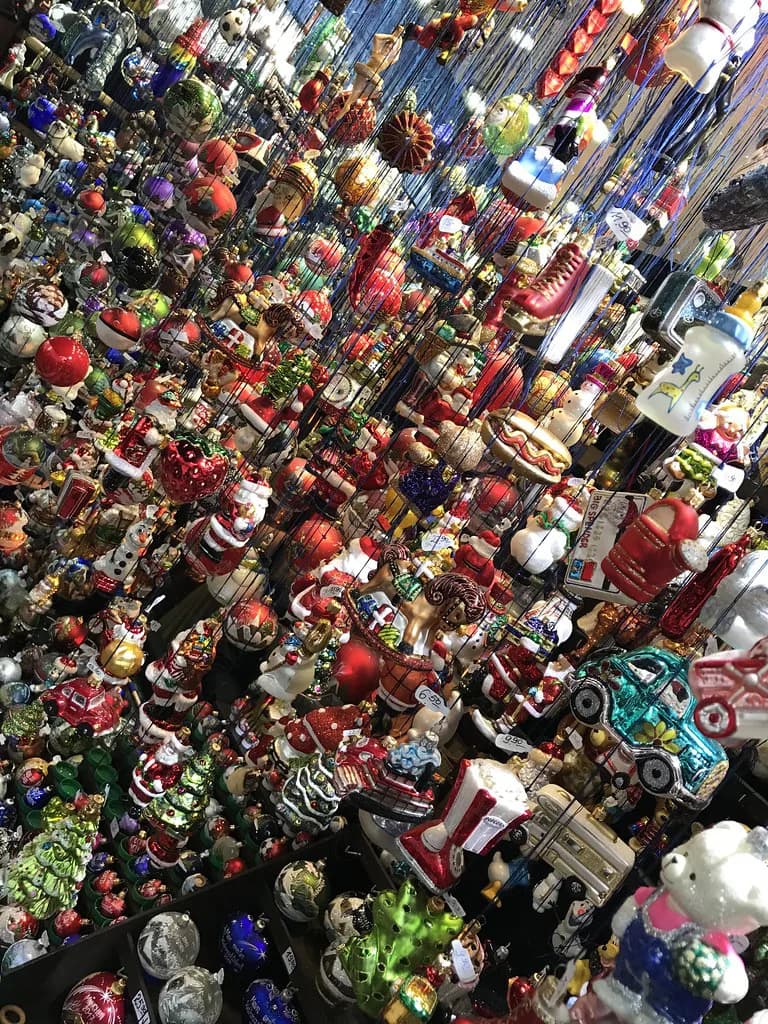
Over the centuries the market expanded to include crafts and toys. Wooden ornaments and nutcrackers from the nearby Ore Mountains (Erzgebirge) became a staple in the 1800s and remain the most sought-after souvenirs today. The market survived numerous wars and the post-war East German era intact. The Christmas pyramid at the center of the Altmarkt — 14 metres tall and in the Guinness Book of World Records since 1999 — has become the visual symbol of Dresden's entire festive season.
The 1434 founding date predates many other famous markets, including the Nuremberg Christmas market. Today over a million visitors arrive each year, and the Stollen has its own official protection: only certain Dresden bakeries are licensed to bake and sell the Dresdner Christstollen under the official Golden Seal of the Stollen Association.
Must-See Dresden Christmas Market Attractions
The Striezelmarkt is the obvious starting point — over 240 stalls fill Altmarkt, anchored by the record-breaking Christmas pyramid. Beyond the pyramid you will find the world's biggest Christmas arch, which depicts the city's mining traditions and Saxon folklore. Organic, vegetarian, and vegan food options are available alongside the traditional stalls, making it more inclusive than it once was.

The Medieval Market in the Stallhof courtyard of the Residenzschloss is the most atmospheric alternative. Artisans wear period-accurate costumes, wooden fire-heated hot tubs are available to use, and illuminations are projected onto the palace walls each evening. This market stays open into early January, which makes it the best option for anyone arriving after Christmas. Find details on the Medieval Market Info website.
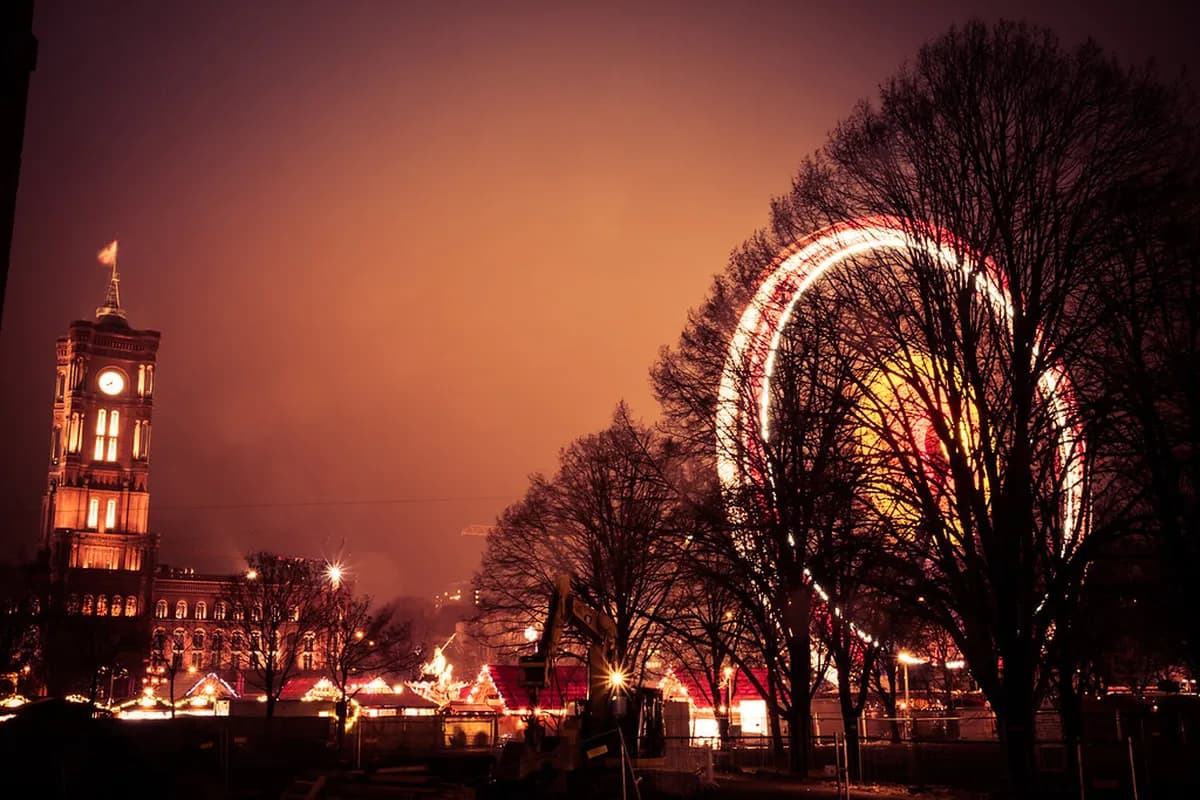
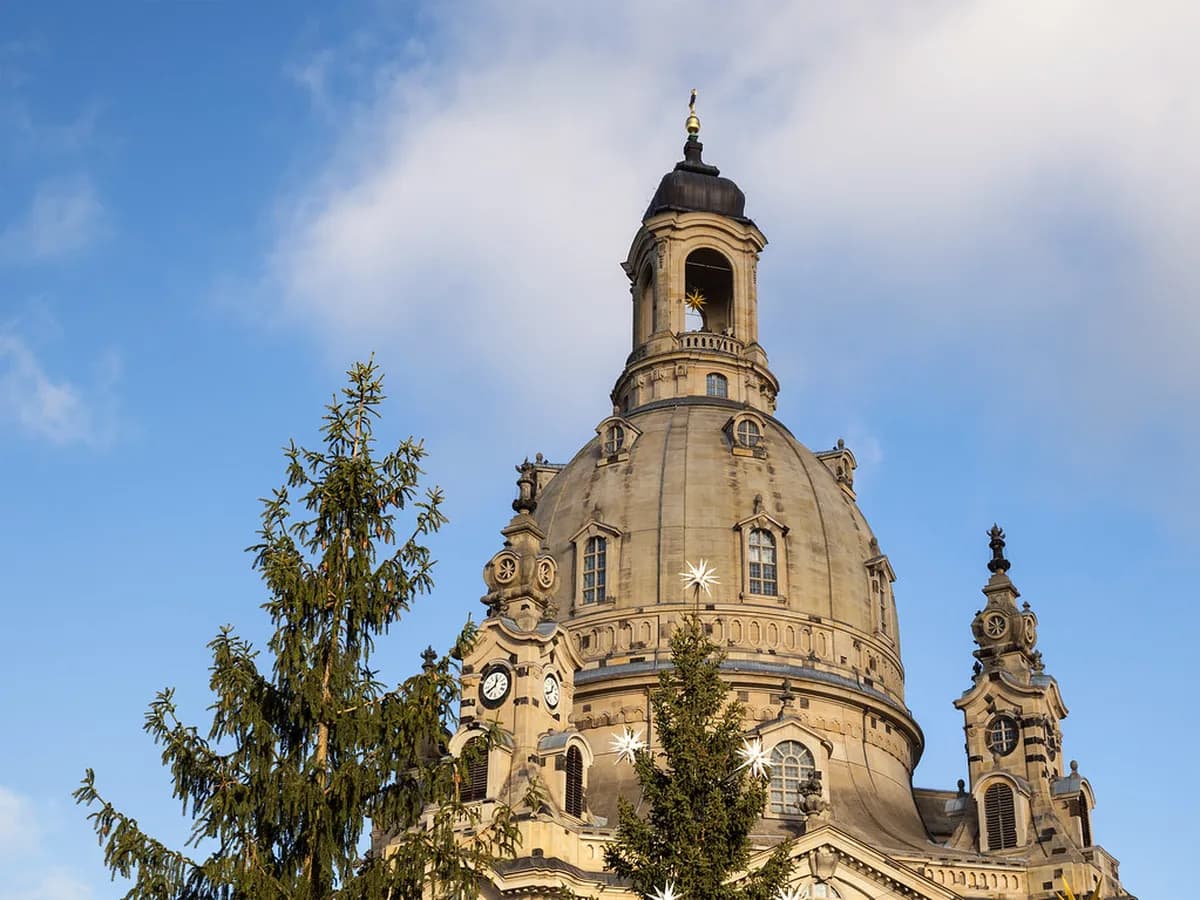
The Frauenkirche Market on Neumarkt and Münzgasse offers a more refined atmosphere: guild craftspeople from watchmakers to bell founders sell handmade goods in front of one of Europe's most iconic domed churches. The Augustusmarkt across the Augustus Bridge in Neustadt provides the sharpest contrast — an international food market with a historic Ferris wheel, a merry-go-round, and specialties from Denmark, Sweden, Finland, and Italy. Dresden offers a more varied experience than the Berlin Christmas market, precisely because of this range across the river.
Traditional, Medieval, or Hipster: Choosing Your Market Style
Dresden's markets break naturally into three categories, and understanding the difference helps you spend your limited hours well. Traditional markets — the Striezelmarkt, Frauenkirche Market, and Neumarkt — are best for Erzgebirge wooden crafts, Dresdner Stollen, and deep Saxon atmosphere. These attract the densest crowds on Advent weekends but also offer the most photogenic settings.

Medieval markets (the Stallhof and the Stallhof Advent Festival) suit visitors who want immersive history. Guild jugglers, open fire cooking, and wooden hot tubs make these feel genuinely different from the standard Christmas market circuit. The Romantic Market at the Taschenbergpalais corner sits between the two extremes — small, uncrowded, and intimate compared to the Altmarkt.
For something entirely different, the Neustadt district on the east bank of the Elbe delivers the city's alternative side. The Neustädter Gelichter market on Alaustrasse has only been running for a few years but already draws a loyal local crowd. It sells unusual handmade jewelry, vegan food, and locally grown Christmas trees. There's also a Schwipsbogen — Neustadt's own version of the traditional Saxon Christmas arch — which makes for a more subversive souvenir than the mass-market nutcrackers in Altmarkt. If you are combining Dresden with a wider best Christmas markets in Germany itinerary, this district gives you a perspective that no other city on that list provides.
List of Events: Stollenfest and Beyond
The Stollenfest is the highlight of the season for most local residents. A giant Stollen — typically weighing several tons — is paraded through the Altmarkt on a horse-drawn wagon, then ceremonially sliced and sold to the public, with proceeds going to charity. This event takes place on the Saturday before the second Advent and draws thousands of spectators. Arriving early for a spot near the parade route is essential.
Santa Claus makes a daily visit to the Frauenkirche Market at 16:00, bearing gifts for children. This is listed by competitors as one of the most popular family draws in the city and consistently sells out the surrounding stalls from 15:30 onward. Plan a 15-minute buffer before the visit if you are bringing young children.
Beyond the markets, the Dresden Christmas Circus runs through December, and the Moscow Cathedral Choir performs Russian Orthodox Christmas singing at venues near the Altstadt. The Christmas Garden event on the Elbe riverbank includes a guided city tour on foot across both the Altstadt and Neustadt sides, finishing at the Blaues Wunder (Blue Wonder) bridge in Loschwitz. See the full programme at the Dresden Event Calendar.
Museums, Art, and Culture During the Holiday Season
When temperatures drop well below freezing, the Zwinger palace complex offers one of the best indoor retreats in Saxony. The Old Masters Picture Gallery inside the Zwinger holds Raphael's Sistine Madonna and dozens of other European masterworks. Admission is around €14 for adults. The complex's inner courtyard is illuminated during December evenings and makes a worthwhile detour between market visits.
The Semperoper, Dresden's neoclassical opera house on Theaterplatz, runs a packed December programme of ballet and opera. Tickets sell out months in advance for the most popular productions, but standing room and last-minute returns are sometimes available at the box office from 18:00 on the day. Even if you cannot get tickets, the illuminated exterior is one of the most photographed buildings in the city at night.
The Dresden Royal Palace (Residenzschloss) opens its Green Vault — one of Europe's richest treasure chambers — through the Christmas period. Book timed-entry slots at least two weeks ahead as capacity is limited. Combining a morning at the Green Vault with an afternoon at the adjacent Medieval Market in the Stallhof is one of the most efficient ways to use a single day in the Altstadt.
Family-Friendly and Budget Tips
Families with young children should plan visits for weekday afternoons rather than weekend evenings. The crowds thin considerably between 13:00 and 15:00 on Tuesdays through Thursdays, stall queues are shorter, and the daily Santa visit at 16:00 is more accessible. Many stalls sell smaller €2–€3 portions specifically aimed at children — look for the Märchenwelt (fairy-tale adventure world) section inside the Striezelmarkt for activities pitched at under-10s.
Budget travelers will find Dresden one of the more affordable Christmas market cities in Germany. Glühwein runs €3–€4 per mug (plus a €2–€3 deposit you recover by returning the ceramic). Most food stalls price savory snacks between €3 and €6. The Pfand system on mugs can double as a souvenir strategy — keep a mug from a market you love. Each market produces its own annual design, so returning visitors often collect them across years.
The Elbhangfest market in the Loschwitz suburb is the most child-friendly option outside the center. Half-timbered houses, a quieter crowd, and a genuine village feel make it ideal for families who find the Altmarkt overwhelming. Tram line 6 connects the city center to Loschwitz in about 20 minutes. The Dresden Christmas market dates page covers any schedule differences for outlying markets.
How to Plan a Smooth Day: Crowd Mitigation and Logistics
The single most effective crowd tip is to visit on weekdays. The Striezelmarkt on an Advent Saturday can draw tens of thousands of visitors and make the food stalls nearly impossible to reach. A Tuesday or Wednesday in early December gives you the same atmosphere with a fraction of the congestion. Hotel prices also reflect this: Friday and Saturday nights near the Altmarkt can cost double what the same room costs mid-week.
A practical day sequence works as follows: arrive at the Striezelmarkt by 10:30 before the lunch rush, then walk to the Medieval Market in the Stallhof by midday. After lunch, cross to the Frauenkirche Market and position near the Santa visit at 16:00. End the day in Neustadt at the Augustusmarkt for dinner from the international stalls, which stay lively until 21:00. This covers four distinct markets in one loop without backtracking.
Booking accommodation inside the Altstadt — ideally within walking distance of Altmarkt — removes the logistics of late-night trams. For visitors on a first trip, this is the most stress-free setup. Those staying in Neustadt should note that the bridge crossings on peak evenings can become slow with foot traffic, especially after the Stollenfest parade. Layering the itinerary so you cross the river before 17:00 avoids the worst of it.
At the Food Stalls: Must-Try Dresden Delicacies
Dresden Stollen is the crown jewel of the local holiday food scene. Authentic versions must carry the official Golden Seal of the Stollen Association — this confirms the cake was made by licensed Dresden bakeries using traditional Saxon recipes with no artificial preservatives. You can buy small slices (around €2–€3) or a full loaf to take home. Mass-produced supermarket versions sold at other German markets do not carry the seal. If it does not say "Dresdner Christstollen" with the protected designation, it is not the original.
Rahmklecks is a savory Dresden specialty: a freshly cooked bread roll topped with ham, cheese, and sour cream, sometimes with chives. Fladenbrot is a Turkish flat bread sandwich with cream cheese, pickled chillies, sun-dried tomatoes, and olives — one of the most popular non-German options at the stalls. Baked apples served in edible bowls are found at the Münzgasse stalls and make a simple, warming snack. Krappelchen — diamond-shaped deep-fried doughnuts coated in icing sugar — are the local Saxon name for what the rest of Germany calls Schmalzkuchen, and they are ubiquitous at the Striezelmarkt.
Glühwein is served in collectible ceramic mugs with a unique design each year. Pay the €2–€3 Pfand deposit upfront and recover it by returning the mug, or keep it as a souvenir. Try the white Glühwein for a lighter alternative to the red, or the hot cider (Apfelwein) for something non-grape. Hungarian Langos (deep-fried garlic flatbread with cheese) and Dutch Poffertjes (mini pancakes with butter and icing sugar or Nutella) round out the international food options at the Augustusmarkt.
Frequently Asked Questions
Is Dresden Christmas market worth it?
Dresden is absolutely worth it for history lovers and foodies. It offers the oldest market in Germany and a unique medieval atmosphere. The variety of ten different markets ensures there is something for every traveler.
What is the oldest Christmas market in Germany?
The Striezelmarkt in Dresden is widely recognized as the oldest. It dates back to a royal decree in 1434. This long history makes it a primary destination for traditional holiday celebrations.
Which Christmas market is better, Nuremberg or Dresden?
Both markets offer incredible experiences with different focuses. Dresden is older and features the massive Stollenfest. Nuremberg is famous for its gingerbread and central gold-clad Christkind figure.
Related: festivals and events in Dresden. See also: Dresden Music Festival.
The Dresden Christmas Market is a bucket-list destination for any winter traveler. Its mix of deep history, diverse market styles, and outstanding food culture is genuinely unmatched on the German Christmas circuit. By targeting weekdays, moving between the Altstadt and Neustadt, and budgeting time for the Stollenfest, the Medieval Market, and a mug of hot cider, you will cover the best of what the city offers. Explore more holiday tips on the Festivian blog today.
Whether you are there for the official Stollen, the medieval crafts, or the alternative Neustadt scene, Dresden delivers. The lights of the Altmarkt will stay with you long after you leave. Safe travels through the heart of Saxony this winter.
Free guide: Europe's Festival Calendar
A month-by-month map of Europe's unmissable festivals — with the best dates to visit each and a local tip you won't find in the guidebooks.
You might also like


Continue reading
More guides you'll find useful