Festivals And Events In Barcelona Travel Guide
Barcelona's festival calendar for 2026: free La Merce in September, Primavera Sound in late May, Sant Joan beach bonfires June 23, plus dates and prices.
On this page
Festivals And Events In Barcelona
Last updated April 2026. Late spring (May to early June) and early fall (September to October) are the sweet spots for Barcelona festivals. These months offer comfortable temperatures and a packed cultural calendar without the extreme summer heat. Visitors can enjoy major street parties and international music lineups during these ideal shoulder months.
Barcelona is a city that thrives on public celebration and artistic expression. Typical weather patterns range from mild winters to humid, sunny summers that draw millions of visitors. Planning around specific festivals and events in Europe by city helps you avoid peak crowds. This guide provides the concrete details needed to navigate the city's most famous gatherings.
Understanding the local rhythm is essential for any traveler visiting Catalonia. Many events are deeply rooted in local traditions, while others are modern, world-class spectacles. You will find everything from massive electronic dance floors to quiet, candlelit medieval courtyards. Prepare for a city that stays awake late and celebrates with unmatched energy.
Free guide: Europe's Festival Calendar
A month-by-month map of Europe's unmissable festivals — with the best dates to visit each and a local tip you won't find in the guidebooks.
Must-See Festivals Attractions
La Mercè is the largest street festival in the city and takes place every September around the 24th. This event features human towers called Castellers and the famous fire-run known as Correfoc. Most activities are free, but the crowds can be overwhelming in the narrow streets of the Gothic Quarter. It is a spectacular way to see Catalan culture in its most vibrant form.
Primavera Sound is one of the most respected music festivals in the world, held in late May at the Parc del Fòrum. The festival attracts huge names in indie, rock, and electronic music annually and has launched careers — Rosalía played here in 2015 before breaking globally. Similar to festivals and events in Madrid, tickets sell out months in advance, so booking in early autumn for the following May is standard practice.
Sónar, held in mid-June, is Barcelona's oldest electronic music festival and splits into three experiences: Sónar de Día for daytime showcases, Sónar de Noche for the biggest headliners, and Sónar+D for digital arts. The Cruïlla Music Festival runs from 8 to 11 July 2026 at the Parc del Fòrum. It focuses on quality over scale and draws a deliberately eclectic lineup spanning reggae, jazz, and indie pop. Sant Jordi on April 23rd transforms the city into a massive open-air book and flower market, blending romance with literary tradition in a way unique to Catalonia.
Barcelona Events by Month: 2026 Calendar
January opens with Els Tres Tombs on January 17th, a horse-drawn carriage procession blessing animals in the Sant Antoni neighbourhood. The Three Kings Parade on January 5th and 6th is one of the most emotionally charged events of the year, with floats moving through the city centre and sweets thrown to children in the streets. February brings the Barcelona Carnival (12–18 February 2026), with costumed processions and a closing "burial of the sardine" ceremony.
March includes the Barcelona International Comics Fair and the Modernist Fair at the end of the month. April is dominated by Sant Jordi on the 23rd, plus the Barcelona Beer Festival running 24 April to 3 May 2026 — over 400 craft brews in a single venue. May delivers Primavera Sound (late May to early June), the Modernist Fair of Barcelona (29–31 May 2026), and the start of open-air concerts across the city's parks through Music in the Parks.
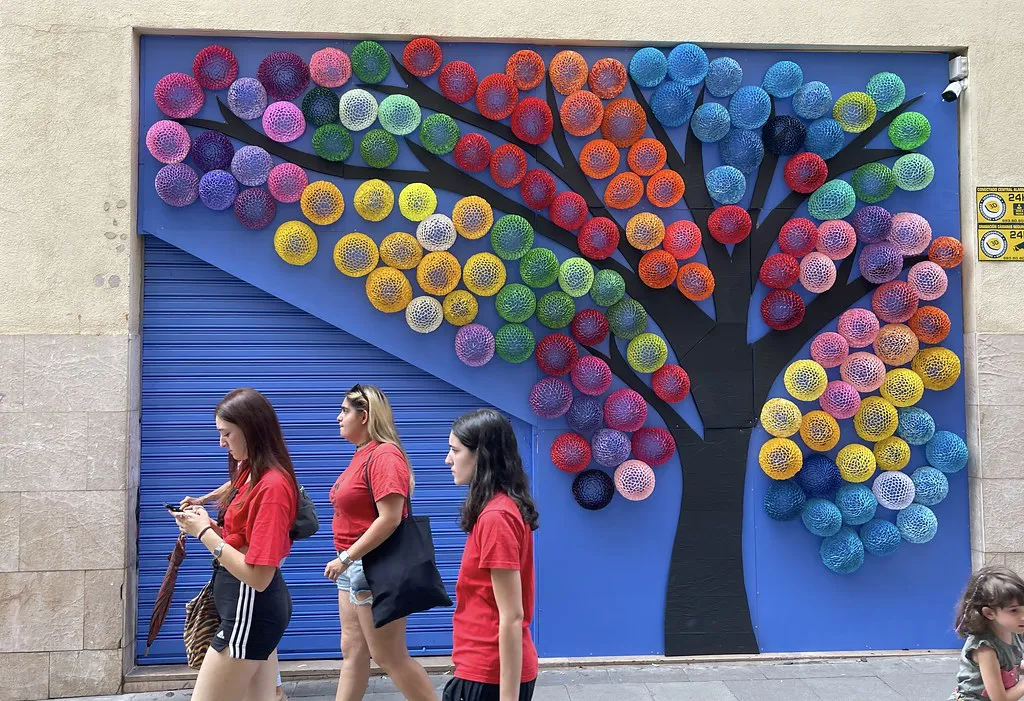
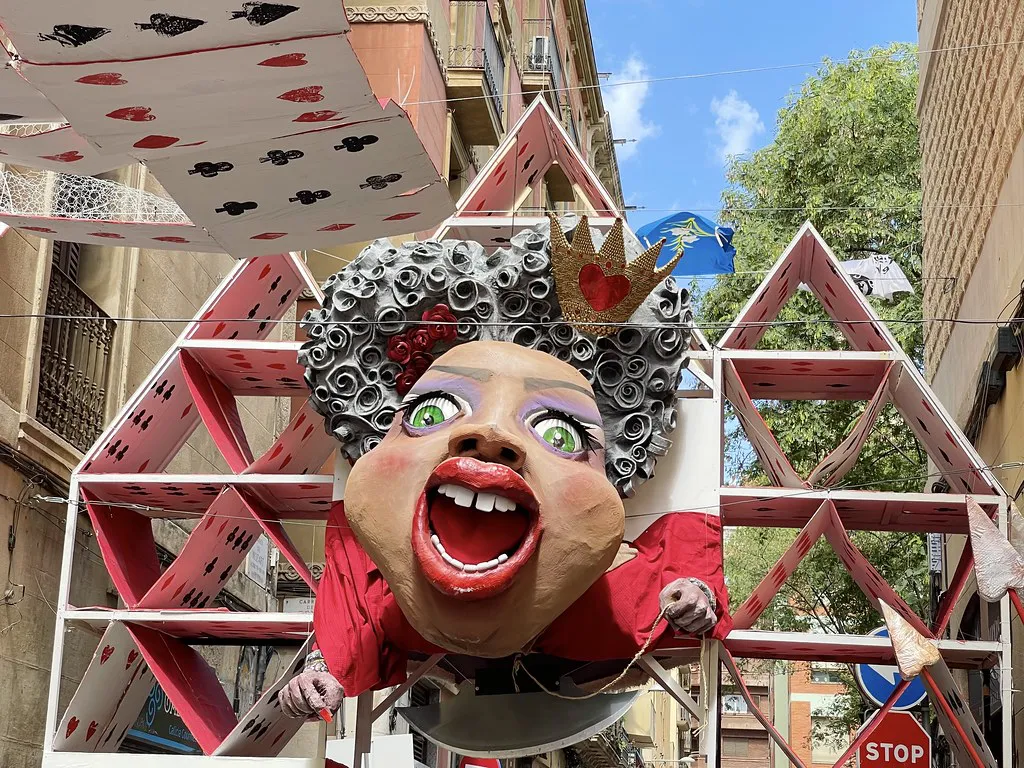
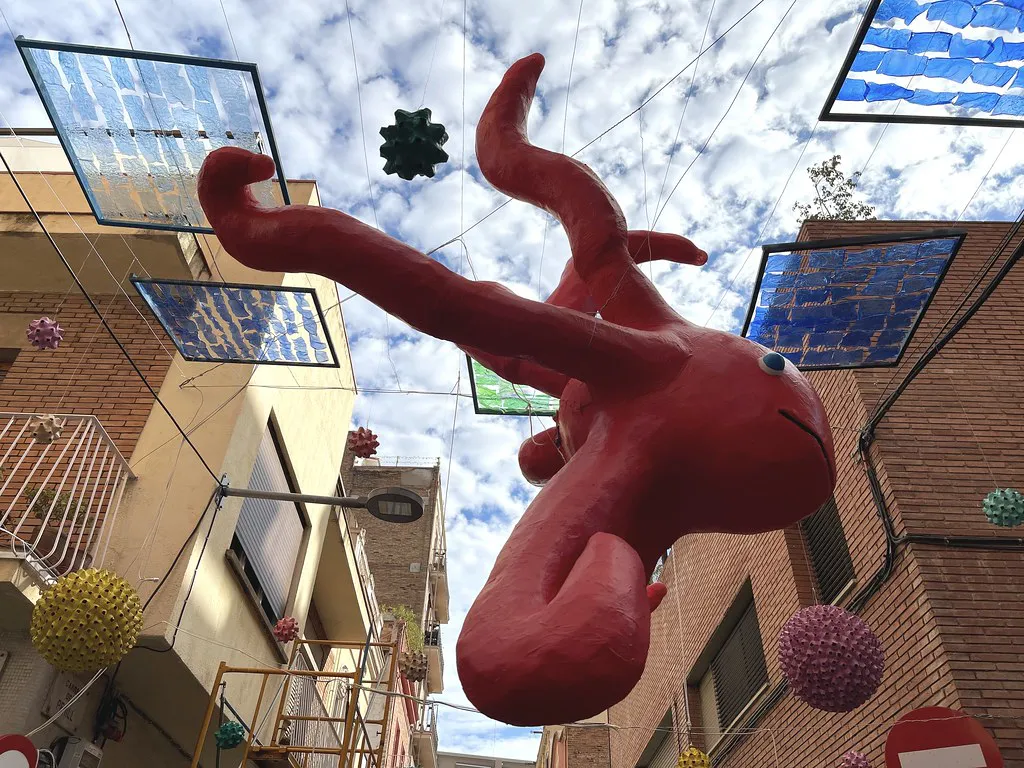
June brings Sónar (4–7 June 2026) and the Grec Festival of theatre and performing arts, which runs from 29 June to 31 July 2026 in the open-air amphitheatre on Montjuïc. June 23rd and 24th mark Sant Joan — the night of bonfires and fireworks across every beach and rooftop that Barcelonans celebrate as their most festive night of the year. August is the month of the Gràcia Neighbourhood Festival (Festa Major de Gràcia, 1–9 August 2026), when residents compete to decorate their streets with elaborate hand-made installations. September delivers La Mercè and the 48H Open House Barcelona (8–18 October 2026), with December anchored by the Llums de Sant Pau Christmas Garden light show.
| Month | Key Event | Cost | Venue |
|---|---|---|---|
| January | Els Tres Tombs | Free | Sant Antoni |
| February | Barcelona Carnival | Free | City-wide |
| April | Sant Jordi | Free | Las Ramblas + city |
| May–June | Primavera Sound | Paid (tickets vary) | Parc del Fòrum |
| June | Sónar | Paid (day/night passes) | Fira de Barcelona |
| July | Cruïlla Festival | Paid (8–11 July 2026) | Parc del Fòrum |
| August | Gràcia Neighbourhood Festival | Free | Gràcia |
| September | La Mercè | Free | City-wide |
| October | 48H Open House | Free | City-wide |
| December | Llums de Sant Pau | Paid | Sant Pau Recinte Modernista |
Activities and Temporary Exhibitions of Interest in Barcelona
Art lovers should look for temporary shows that often coincide with major city holidays. Tickets to visit Steve McCurry's Icons exhibition at Palau Martorell cost €9 (concession) or €16 (standard) and require about 1 hour 30 minutes to view properly. It showcases some of the most iconic photography from across the globe in a central Eixample venue. Checking for these exhibitions is also a practical way to escape the midday summer sun during peak heat weeks in July and August.
The World of Banksy at Espai Trafalgar is another popular temporary exhibition, featuring over 100 works by the elusive street artist in an immersive format. The Luminiscence Santa Maria del Pi combines 360° video-mapping and live music at the Basilica of Santa Maria del Pi in the Gothic Quarter. Both exhibitions typically run for extended seasons, making them viable options during almost any month of the year.
Special cultural events like 48H Open House Barcelona (8–18 October 2026) allow access to private buildings that are never otherwise open to the public. This event is a favourite for architecture enthusiasts and typically draws long lines for the most famous Modernista structures — arriving before 10:00 is strongly advised. The Grec Festival from 29 June to 31 July 2026 brings international theatre, dance, and circus acts to the open-air Teatre Grec amphitheatre on Montjuïc Hill.
Museums, Art, and Culture in Barcelona Festivals
Barcelona's museum network integrates directly with the festival calendar. The Museu Nacional d'Art de Catalunya (MNAC) on Montjuïc hosts late-night openings during the European Night of Museums in May. Most municipal museums, including the Museu Picasso in El Born, offer free entry on the first Sunday of every month — a fact that competitors rarely flag but which saves €14 per person. Many temporary exhibitions at the CCCB (Centre de Cultura Contemporània de Barcelona) also align with Sónar, running tech-art shows during festival week.
The Barcelona Comic Fair (Saló del Còmic) typically runs in April or May and is the largest comics event in the Spanish-speaking world. The Barcelona International Record Fair brings vinyl collectors and music historians together and is a natural companion event for Primavera Sound weekend. Both events are heavily attended by locals rather than tourists, giving them an authentic atmosphere that large-scale music festivals sometimes lack.
Dau Barcelona, the city's board gaming festival (organised by Barcelona City Council), is a free event held at the Santa Monica arts centre on Las Ramblas. It draws tens of thousands of participants each autumn and is one of the few major cultural events that is entirely free and family-accessible. The Manga Barcelona fair is a counterpart for anime and Japanese pop culture fans and typically takes place in late autumn.
Parks, Gardens, and Outdoor Spots in Barcelona Festivals
The Parc del Fòrum in the Diagonal Mar district is the primary outdoor venue for large-scale music events, hosting both Primavera Sound and Cruïlla every year. Its exposed position on the waterfront means it channels sea breezes in summer but can be windy — bring a light layer for night sets even in July. The Forum beach directly adjacent offers a calmer wind-down area between sets and is a practical detail that printed festival maps often omit.
The Jardins de Pedralbes Festival takes place in the palace gardens of Pedralbes in the upper city and is worth attention for its intimate atmosphere. Renowned artists perform on a stage set against Gothic cloisters, with capacity capped to keep the experience manageable. The open-air cinema on Barcelona's beach (Cinemaclubcocktail series) runs through summer on the Barceloneta sands, with screenings starting around 21:30 when the light fades.
Montjuïc is the city's principal outdoor cultural hill, housing the Grec amphitheatre, the Fundació Joan Miró, and the Pavillon Mies van der Rohe. During summer, the Music in the Parks series brings free or low-cost concerts to parks across all ten districts of the city — sessions run from late June through August on most Friday and Saturday evenings. Barcelona Brunch Electronik (Sunday afternoon outdoor electronic music) takes place across different city parks and is an increasingly popular alternative to the larger ticketed festivals.
Family-Friendly and Budget-Friendly Options in Barcelona Festivals
La Mercè in September is the best all-round free festival for families. The Castellers (human towers) and Gegants (giant puppet processions) are genuinely spectacular for children and adults alike, and require no advance planning beyond showing up. The Gràcia Neighbourhood Festival in August is similarly free and family-focused: street competitions with hand-made decorations reward slow walking and exploring with children rather than rushing between stages.
Dau Barcelona at the Santa Monica arts centre is free and hands-on, with tables of playable games set up across multiple floors. It runs for an entire weekend and requires no ticket or reservation — just a metro card to get there. The Sant Jordi book market on April 23rd costs nothing to browse and the atmosphere of roses and books spilling across every street in the Eixample is one of the most photogenic events in the city's calendar.
Budget-conscious travelers should look at free museum first-Sunday entries and the Music in the Parks series to fill their evenings at no cost. The Sónar festival offers single-day tickets (Sónar de Día only) which are significantly cheaper than full weekend passes and work well for families with older children who want one high-intensity experience. Avoid the Festival Extreme Barcelona or Circuit Festival if traveling with young children — both are adult-oriented events targeting a specific nightlife demographic.
The Most Important and Major Events in Barcelona
The Alma Festival provides a series of high-quality concerts in a boutique setting, often held at the Poble Espanyol, offering a more intimate vibe than stadium shows. The Cruïlla Music Festival (8–11 July 2026, Parc del Fòrum) is another major highlight for locals and focuses on a friendly, sustainable atmosphere with a deliberately diverse genre mix. The Barcelona Beer Festival in spring features hundreds of local and international brews and has grown significantly, reflecting the city's booming craft scene.
Circuit Festival in August is the world's largest international LGBTQ+ event, attracting tens of thousands of visitors for parties and beach activities. The city becomes extremely busy during this period, especially around the Eixample neighborhood — booking accommodation several months ahead is essential if your trip coincides. Gay Pride Barcelona typically falls in late June and includes a beach party and a large Passeig de Gràcia parade.
The Automobile Barcelona motor show (October, Fira de Barcelona) draws a professional crowd but is open to the public and covers electric vehicle launches alongside classic car exhibitions. For record collectors, the Barcelona International Record Fair at the Fira de Barcelona is the city's most specialist annual event — combining vinyl with live DJ sets and a deeply local crowd that is rarely covered in mainstream travel guides.
How to Plan a Smooth Festivals Attractions Day
Public transport is the most efficient way to get around during major festivals. The metro often runs all night during La Mercè and other big celebrations. Avoid driving in the city centre as many streets are blocked for parades. Purchase a T-Usual or T-Casual card to save money on multiple trips.
Restaurants near festival hubs fill up quickly, so book tables in advance. Many locals eat dinner late, usually starting around 21:00–22:00. If you want to eat earlier, you will find it much easier to get a seat. Check the festivals and events in Seville for a comparison of Spanish celebration styles.
Always keep a digital copy of your festival tickets on your phone. Data networks can become congested in large crowds at the Parc del Fòrum. Downloading tickets for offline use prevents stress at the entrance gates. Arriving at least an hour before your top-priority act is always a smart move. Travelers from North America should notify their banks before arriving in Spain: using local ATMs is the cheapest way to get Euros, and most large festival venues are now entirely cashless. Direct flights from US hubs are most frequent during summer; allowing two days before the main festival date helps manage jet lag before late-night events.
Season Comparison for Barcelona Events
Spring (May to early June) and early fall (September to October) are the sweet spots for combined comfort and cultural density. Summer brings intense humidity and heat reaching 28–30°C / 82–86°F, which drives many events to the beach but also raises accommodation prices sharply during major festivals like Primavera Sound. Winter is much quieter, with temperatures around 10–15°C / 50–59°F, making it ideal for museum exhibitions and the spectacular January Three Kings Parade.
| Season | Weather | Crowds | Prices | Key Events |
|---|---|---|---|---|
| Spring (mid-Mar to May) | 14–20°C / 57–68°F | Moderate | Mid-range | Sant Jordi, Beer Festival |
| Summer (June to August) | 25–30°C / 77–86°F | Very High | Expensive | Sónar, Cruïlla, Gràcia Festival |
| Fall (Sept to Nov) | 18–25°C / 64–77°F | High | High | La Mercè, 48H Open House |
| Winter (Dec to mid-Mar) | 10–15°C / 50–59°F | Low | Budget | Three Kings, Llums de Sant Pau |
Crowd levels peak in July and August when international tourists flood the Gothic Quarter. Prices for accommodation often double during major events like Primavera Sound or Formula 1 weekend. Low season travelers will find shorter queues and more affordable hotel rates across the city. Beach chiringuitos typically close from late October until April, and Tibidabo Amusement Park operates on a limited schedule in January and February.
Frequently Asked Questions
What is the most popular festival in Barcelona?
La Mercè is the most popular festival, held every September. It features free concerts, giant parades, and traditional Catalan events across the city. Millions of people attend the street celebrations annually.
What festivals are on in Barcelona during the summer?
Summer features major music events like Primavera Sound and Sónar. You can also enjoy the Gràcia Neighbourhood Festival in August. These events offer a mix of international music and local street decorations.
Is Barcelona expensive during festival season?
Prices for hotels and flights rise significantly during major festivals. Booking six months in advance can help you find better deals. Budget travelers should consider visiting during smaller local events in the winter.
Festivals in Barcelona by Type
Plan a trip around any of Barcelona's major festivals and seasonal events:
- Sant Jordi Day Guide Travel Guide — Cultural festival
- Barcelona Pride Guide Travel Guide — Pride
- Essential Primavera Sound Tips for First Timers — Music festival
- Essential Things to Know About La Merce Dates — Fiesta
Barcelona offers a world-class festival experience that combines ancient tradition with modern spectacle. By choosing the right season and planning ahead, you can avoid the worst of the crowds. Remember to stay hydrated and keep your belongings secure during the busy street parties. Whether you come for the music or the culture, the city will not disappoint.
Explore the diverse neighborhoods to find smaller, local events that offer a unique perspective. The energy of a Catalan celebration is something every traveler should experience once. Pack your bags and get ready for an unforgettable trip to this Mediterranean gem.
Free guide: Europe's Festival Calendar
A month-by-month map of Europe's unmissable festivals — with the best dates to visit each and a local tip you won't find in the guidebooks.
You might also like

Continue reading
More guides you'll find useful