Where To Stay For Berlin Christmas Market: 9 Best Areas & Tips
Discover where to stay for the Berlin Christmas markets. Our guide covers the 9 best neighborhoods, top-rated hotels, and must-visit markets for 2026/2027.
On this page
Where To Stay For Berlin Christmas Market: 9 Best Areas & Tips
Last updated June 2026. For the best experience, visit from mid-November to late December when the city glows with festive lights. Berlin hosts over 80 unique markets, making the choice of accommodation vital for your itinerary. This guide identifies the top districts for easy access to glühwein and festive stalls.
The city experiences a sharp winter chill during the market season. Expect temperatures to hover between -1°C and 5°C during the peak weeks. A biting wind often blows off the Spree river, making warm layers absolutely essential for evening walks. Many travelers also plan a German Christmas markets road trip to see nearby regional highlights.
Choosing the right neighborhood depends on your preference for tradition or modern urban life. Mitte offers proximity to the grandest displays, while Prenzlauer Berg provides a quieter, local atmosphere. Each district has its own distinct character and market specialty. Booking your hotel at least three months in advance ensures the best rates and locations.
Free guide: Europe's Festival Calendar
A month-by-month map of Europe's unmissable festivals — with the best dates to visit each and a local tip you won't find in the guidebooks.
Best Neighborhoods to Stay in Berlin for Christmas Markets
Mitte is the most popular choice for first-time visitors seeking central convenience. Staying here puts you within walking distance of the Berlin Christmas market at Alexanderplatz, the Red City Hall, and the Humboldt Forum. Luxury seekers should look near Unter den Linden, where high-end hotels sit steps from the main landmarks. Budget travelers can find modern hostels near Hauptbahnhof, with direct S-Bahn lines reaching every major market in under 15 minutes.
Prenzlauer Berg attracts those looking for a cozy, residential feel during the holidays. This area is home to the Kulturbrauerei Lucia Market, famous for its Nordic Scandinavian theme, seven Swedish log stoves, and warming room with a sauna oven. The neighborhood is well-connected via the U2 line, and the quieter pre-war streets feel genuinely local compared to the bustle of Mitte. Boutique hotels here offer better rates than the central district.
Charlottenburg provides a more traditional and upscale West Berlin experience. The Christmas Market at Charlottenburg Palace is directly on your doorstep, with the Baroque palace facade lit in changing colors after dark. Staying near the Kurfürstendamm (U7 or U15 to Adenauerplatz) allows excellent holiday shopping between market visits. This district runs quieter and more refined than the eastern center.
- Mitte: Hotel Adlon Kempinski (luxury), Motel One Berlin-Alexanderplatz (budget)
- Prenzlauer Berg: Hotel Oderberger (boutique)
- Charlottenburg: Hotel am Steinplatz (traditional)
Top 5 Berlin Christmas Markets to Visit
The Christmas Market on Gendarmenmarkt is widely considered the most beautiful. It occupies one of Europe's finest baroque squares, framed by the German Cathedral, French Cathedral, and Konzerthaus. Be aware that entry costs approximately €2; it's worth every cent for the gourmet food stalls and live choir performances from the main stage. Visit on weekday evenings to avoid the worst of the weekend crush.
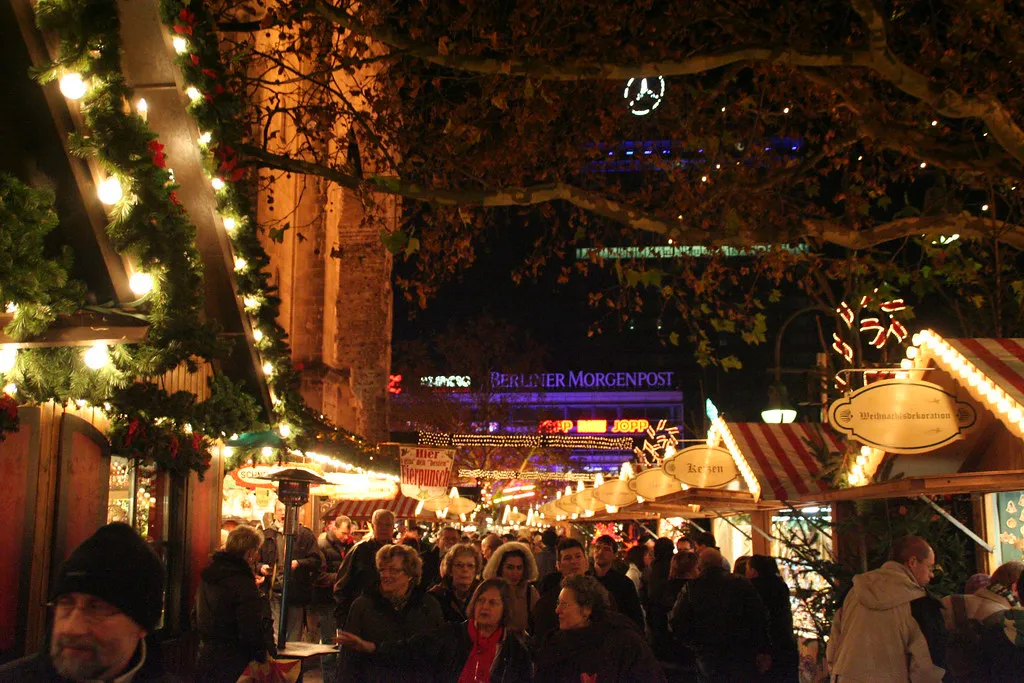
Families consistently prefer the Christmas market at the Red City Hall near Alexanderplatz. A large circular ice rink wraps around the Neptune Fountain; skate rentals run approximately €5 per session. A giant Ferris wheel with enclosed cabins offers panoramic views of the illuminated city center. Children love the petting zoo and pony rides tucked alongside the craft stalls.
The Alexanderplatz Christmas market acts as a transit hub for visitors crossing between the eastern markets. It features a large walk-in Christmas pyramid decorated with traditional hand-carved figures and a Ferris wheel of its own. Most stalls here accept card payments — useful if you run low on cash after an evening at Gendarmenmarkt. The adjacent Alexa shopping mall provides a warm refuge if the weather turns bitter.
The Christmas Market at Charlottenburg Palace brings the most romantic atmosphere in the western half of the city. The palace facade is illuminated in shifting colors after sunset, and the market includes a winter open-air restaurant, free nostalgia carousels, and a petting zoo. It typically opens in mid-November, earlier than several eastern markets, making it a strong choice for a late-November visit.
For a completely different setting, the Christmas Market at the Humboldt Forum (Berlin Palace) splits across the forecourt and the inner courtyard of the reconstructed Hohenzollern palace. Fire pits and standing heaters make lingering comfortable on the coldest evenings. The Berlin Cathedral and Museum Island form the backdrop across the Spree, and the inner courtyard stalls focus on handmade crafts rather than mass-market gifts.
Christmas Garden Berlin and Botanical Highlights
Christmas Garden Berlin takes place inside the Botanical Garden in Dahlem, south-west of the city center. The event transforms over 40 hectares of greenhouses and park pathways into an illuminated winter walk, with large-scale light installations woven through century-old trees and the famous tropical glasshouse. It typically runs from mid-November through early January, making it one of the longest-running festive events in the city.
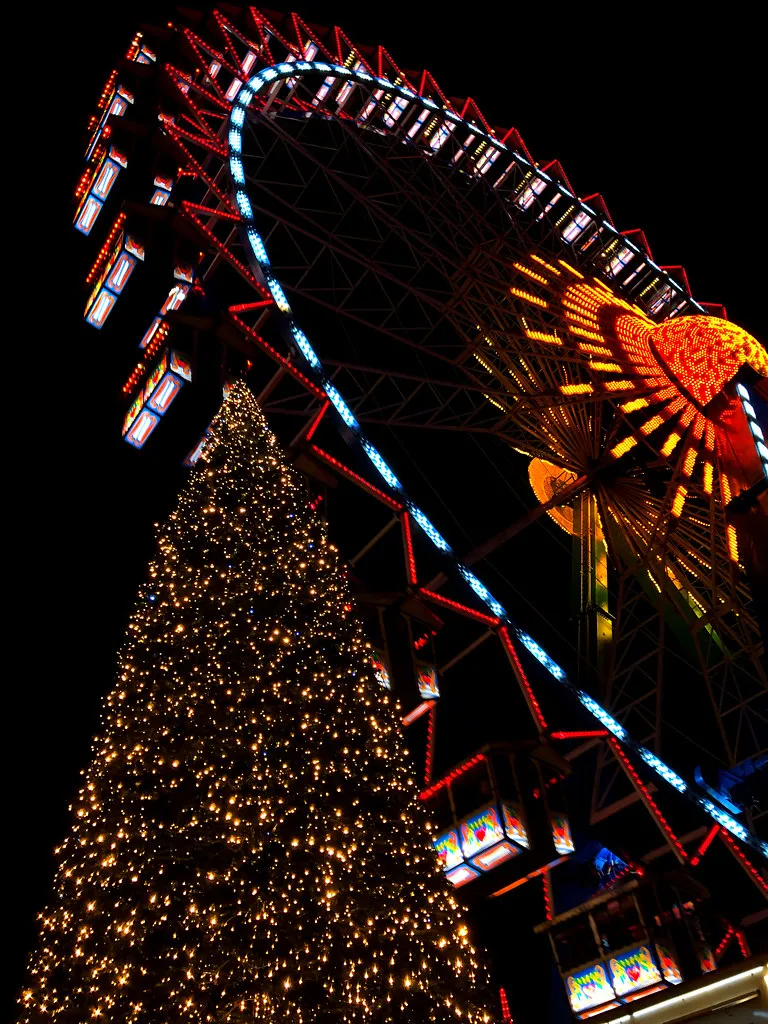
Entry tickets cost approximately €17 for adults and €9 for children (advance booking recommended, as weekend slots sell out). The route takes roughly 60–90 minutes to complete at a leisurely pace. Unlike the open-air markets, Christmas Garden is almost entirely outdoors but more sheltered from the wind, and the warm glasshouse sections offer a welcome break. Take the U3 line to Dahlem-Dorf station; the garden entrance is a five-minute walk.
This event is the differentiator that often gets overlooked in standard Berlin Christmas guides. It suits visitors who want a break from crowds and mulled wine stalls, and it pairs well with a daytime visit to the nearby Domäne Dahlem open-air farm museum, which hosts its own small Advent Market on selected December weekends with organic food and craft workshops for families.
LGBTQIA Winterdays and Alternative Market Scenes
Schöneberg hosts the LGBTQIA Winterdays at Nollendorfplatz, typically running from mid-November onward — earlier than most traditional markets. The event offers a diverse stage program, inclusive stall holders, and the animated street scene Schöneberg has maintained since the 1970s. Staying in or near Schöneberg (U1/U3/U4 to Nollendorfplatz) gives you easy access to this market alongside the Kurfürstendamm Christmas markets a short U-Bahn ride west.
The Historischer Weihnachtsmarkt at the RAW Compound in Friedrichshain delivers a medieval theme on the footprint of a former railway repair yard. Blacksmiths, woodcarvers, and fire performers work alongside the stalls; mead is served in tankards and meat is grilled on open fires. Entry typically costs a few euros on weekends and is often free on weekdays. This market draws a younger crowd looking for something beyond the polished glow of the central squares.
The Heissa Holzmarkt Winter Festival takes the alternative further, setting up along the Spree riverbank with an emphasis on local artists, sustainability, and a low-key electronic music soundtrack. Organic food stalls offer a modern take on market fare. It runs on selected weekends through December and is never as crowded as the city-center markets, making it a good option for spontaneous visits.
Winter Market Schlossplatz at the Humboldt Forum
The Humboldt Forum market deserves separate attention beyond its mention in the top-five list because its schedule often extends past Christmas Day into late December, when the majority of Berlin's other markets close on December 23rd or 24th. This makes it the best fallback for visitors arriving in the last week of December or planning a post-Christmas city break. Opening hours typically run until 22:00, later than most competitors.
The market divides into two distinct zones. The Schlossplatz forecourt faces the Berlin Cathedral and accommodates the main food and drink stalls with fire pits and heated seating areas. The inner courtyard focuses on handmade crafts: glasswork, leather goods, regional ceramics, and handmade wooden ornaments. Entry to the building and both zones is free, though the craft workshops inside the Humboldt Forum museum spaces charge the standard museum admission.
For accommodation, staying in Mitte gives you a 10-minute walk to this market via the Spree promenade. Evening visits starting after 17:00 catch the full light display on the palace facade and the illuminated bridge crossings over the Spree. Public transport options include the U2 to Hausvogteiplatz or tram M1/M4 to Hackescher Markt.
Winterwelt at Potsdamer Platz: Berlin's Earliest Market
One detail that almost no Berlin Christmas guide mentions: the Winterwelt at Potsdamer Platz often opens in early November, weeks before the rest of the city's market season begins. If you are traveling in the first two weeks of November and want Christmas market atmosphere without the December crowds, Potsdamer Platz is your only realistic option among the major sites. The market includes a large outdoor ice rink, a toboggan run, and the usual glühwein and bratwurst stalls.
The location also makes it an easy add-on for visitors staying in the Tiergarten area or near Checkpoint Charlie. S1/S2/S25 trains stop at Potsdamer Platz station, and the market is literally above the platform exits. The ice rink at Potsdamer Platz is one of the largest in the city; skate rental runs approximately €4–5 per session. It's a particularly strong choice for families who want outdoor winter activities without queueing alongside the larger December crowds at Alexanderplatz.
Essential Budget and Practical Planning Tips
Carry cash. The advice sounds tired, but it genuinely matters in Berlin: many market vendors, independent stalls, and smaller cafes remain cash-only in 2026. A working budget of €50–100 per evening covers mulled wine, food, and a small gift purchase comfortably. Withdraw euros from a Geldautomat (ATM) inside a bank branch rather than standalone street machines to avoid conversion fees.
Expect to pay approximately €5 for a Glühwein (served in a deposit mug — return it for €2–3 back), €5 for a bratwurst or currywurst, and €3–5 for roasted almonds. Gendarmenmarkt charges a €2 entry fee; all other major markets on this list are free to enter. Ice skate rental at the Red City Hall market costs approximately €5; the Potsdamer Platz rink runs €4–5. Budget roughly €15–25 per person for a full evening including food and drink.
Book accommodation three months out for peak December dates. Rates during the second and third weeks of December are significantly higher than late November. Midweek stays (Tuesday–Thursday arrivals) typically run 15–25% cheaper than Friday or Saturday check-ins. The official market season for 2026 begins around November 23rd (after Totensonntag) and most markets close December 23rd or 24th; check individual market pages on berlin.de for exact dates, as they shift year to year.
Must-Try Food and Drink at the Markets
Glühwein is the backbone of any Berlin market evening. The classic version is red wine mulled with cinnamon, cloves, and orange peel; Weißer Glühwein (white mulled wine) is milder and worth trying if red wine isn't your preference. Some stalls also serve Feuerzangenbowle — a rum-soaked sugar cone set alight over a wine bowl — usually at the larger markets like Gendarmenmarkt and the Humboldt Forum.
- Bratwurst with mustard and a bread roll — the market staple, roughly €4–5
- Currywurst with fries (Pommes) — the Berlin street food classic, €5–6
- Schmalzkuchen — small, deep-fried dough puffs dusted with powdered sugar, €3–4
- Reibekuchen (potato pancakes) served with apple sauce — €4–5, found mainly at family-oriented markets
- Gebrannte Mandeln (roasted almonds with cinnamon sugar) — €3–5 per bag
- Stollen — a dense Christmas fruit bread sold in slices or whole loaves; look for it at the craft-focused markets
Eating well at Berlin's markets does not require a budget blow-out. The RAW Compound and Holzmarkt festivals offer the most adventurous food options, with artisan traders and organic ingredients priced similarly to the mainstream stalls. At Charlottenburg Palace, the winter open-air restaurant is a sit-down option for a warmer, slower meal after browsing the craft stalls. Most markets operate stalls until 21:00–22:00, so a late dinner at the market is entirely viable before public transport quiets down after midnight.
Frequently Asked Questions
What area of Berlin are the Christmas markets?
Christmas markets are located throughout Berlin, but the highest concentration is in Mitte. You will find major markets at Alexanderplatz, Gendarmenmarkt, and the Red City Hall. Other popular spots include Charlottenburg Palace and Prenzlauer Berg.
What is the best part of Berlin to stay in as a tourist?
Mitte is the best part of Berlin for most tourists. It offers central access to major landmarks and the best public transport links. Staying here allows you to visit multiple markets without long commute times.
Is Berlin a good city for Christmas markets?
Berlin is excellent for Christmas markets because it offers over 80 different options. The city provides a mix of traditional, medieval, and alternative markets. This variety ensures there is something for every type of traveler.
Visiting Berlin for more than one festival? See our complete guide to festivals and events in Berlin.
Berlin offers a diverse and magical winter experience for every visitor. Choosing to stay in Mitte or Prenzlauer Berg ensures you are never far from the festivities. Remember to carry cash and dress in warm layers to enjoy the outdoor atmosphere. Plan your trip for early December to experience the city at its most vibrant.
Free guide: Europe's Festival Calendar
A month-by-month map of Europe's unmissable festivals — with the best dates to visit each and a local tip you won't find in the guidebooks.
You might also like


Continue reading
More guides you'll find useful