
17 Best Flower Fields and Expert Travel Tips for Europe (2026)
Discover the best flower fields in Europe, from Dutch tulips to Provence lavender. Includes timing tips, hidden gems like Parc Bagatelle, and planning advice.
On this page
17 Best Flower Fields and Expert Travel Tips for Europe
Our editors have reviewed the continent's most spectacular blooms to help you plan a perfect 2026 spring journey. Last updated June 2026, this guide highlights iconic landmarks and secluded wild meadows across seventeen distinct regions. Finding the right timing is essential, as many of these vibrant displays peak for only two short weeks.
While many travelers flock to famous Dutch parks, we recommend considering free alternatives like the Poldertuin in Anna Paulowna. Early season visitors can also witness crocuses emerging from the snow in the Swiss Alps as early as March. This list balances world-famous festivals with quiet, rural landscapes that offer better photography opportunities without the crowds.
Free guide: Europe's Festival Calendar
A month-by-month map of Europe's unmissable festivals — with the best dates to visit each and a local tip you won't find in the guidebooks.
Month-by-Month Bloom Calendar for Europe
Timing is the single most critical decision in floral travel. Arrive a week too early or too late and the best fields will already look brown and harvested. Using the calendar below as a baseline for 2026 will help you match your travel window to the right destination rather than the other way around.
- January–February: Almond blossoms in Mallorca, Spain. The island turns white and soft pink; best displays are in the central and southwestern interior.
- March: Crocuses emerge from melting snow in the Swiss Alps, particularly around Seewis and Appenzell. Daffodil fields near Lisse in the Netherlands also open this month.
- April: Tulips reach peak bloom in the Dutch Bollenstreek region, typically around mid-April. Istanbul's Emirgan Park fills with 30 million free tulips. Gorse blazes yellow along the Irish Atlantic coast. Cherry blossoms peak at Bispebjerg Cemetery in Copenhagen.
- May: Wild red poppies carpet the Val d'Orcia hills in Tuscany. Rhododendrons flower in Sallandse Heuvelrug in the Netherlands. Monet's garden in Giverny reaches its wisteria and tulip peak.
- June–early July: Lavender reaches peak bloom across the Plateau de Valensole and around Sault in Provence. Parc Bagatelle in Paris enters rose season with over 10,000 bushes. Sunflower fields open near Carmona in Andalusia.
- July: Alpine wildflowers blanket the high meadows of Alpe di Siusi in the South Tyrol. Giverny's dahlias are at their summer peak.
- August: Heather turns the Scottish Highlands deep purple, with the Cairngorms National Park offering the most dramatic views. Dahlia fields in the Netherlands (Fam Flower Farm, Anna Paulowna) open by appointment.
Note that climate variability in 2026 can shift these windows by one to two weeks in either direction. We recommend checking regional tourism social media accounts in the ten days before you travel for current field conditions.
Must-See Flower Fields Across Europe
The following destinations represent the diverse horticultural heritage found across Europe from the Mediterranean to the Arctic Circle. We have categorized these into three thematic clusters: iconic landmarks, hidden gems, and wild nature experiences. Each entry includes current pricing and seasonal patterns to ensure your itinerary remains accurate for the upcoming year.
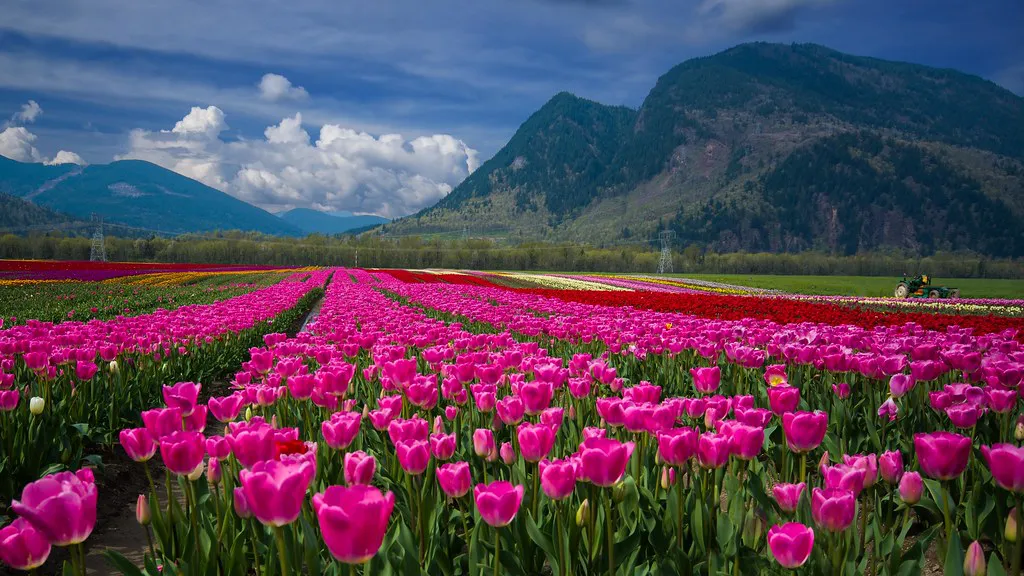
Iconic landmarks like Keukenhof offer organized displays, while wild spots like the Irish coast provide a rugged, natural aesthetic. For those visiting the Netherlands, understanding Keukenhof tickets and how to visit is the first step in a successful trip. We also suggest exploring tulip fields in the Netherlands beyond Keukenhof for a more agricultural perspective.
- Keukenhof Gardens Near Lisse Netherlands
- This world-famous park showcases approximately seven million spring bulbs planted annually across expansive themed gardens.
- Adult tickets typically cost €20, and the gates are open daily from 08:00 to 19:30 during spring.
- Located in the Bollenstreek region, the park is best reached via the Keukenhof Express bus from Schiphol Airport.
- We suggest arriving at opening time to photograph the famous windmill without hundreds of other tourists in frame.
- Istanbul Tulip Festival in Turkey
- Over 30 million tulips are planted across the city, including a massive flower carpet in the historic Sultanahmet district.
- Most displays in public parks like Emirgan are free to enter and peak throughout the month of April.
- The steep hills of Emirgan Park offer a stunning backdrop of the Bosphorus behind the colorful floral arrangements.
- The tulip is historically Turkish in origin — cultivated in Central Asia for 3,000 years before reaching the Netherlands via Ottoman trade routes.
- Akureyri Botanical Gardens in Northern Iceland
- This high-latitude garden features thousands of plant species that thrive in the unique subarctic climate of Northern Iceland.
- Entry is free for all visitors, and the grounds are open from 09:00 to 22:00 during summer.
- While it requires a long journey from Reykjavik, the lush greenery offers a sharp contrast to the volcanic landscape.
- Look for the rare Arctic poppies that bloom brilliantly during the long daylight hours of the midnight sun.
- The Carpet of Flowers in Brussels Belgium
- Every two years, volunteers assemble a massive tapestry made of nearly a million begonias in the Grand Place.
- Viewing the carpet from the square is free, though balcony tickets for higher views cost around €7 per person.
- This event only takes place in mid-August for a single weekend, so hotel bookings must be made months ahead.
- The evening light shows transform the floral patterns into a glowing masterpiece against the gothic town hall architecture.
- RHS Chelsea Flower Show in London UK
- This prestigious event features cutting-edge garden design and rare floral displays from the world's top horticulturalists.
- Tickets are expensive, often exceeding £80, and must be purchased in advance via the RHS website.
- The show takes place in late May at the Royal Hospital Chelsea grounds in central London.
- We recommend attending on the final day when many exhibitors sell off their display plants at a discount.
- Lavender Fields of Provence in France
- The Plateau de Valensole provides the quintessential image of endless purple rows stretching toward the distant mountains.
- Visiting the fields is free, but we recommend checking lavender fields in Provence bloom times for late June to early July.
- Renting a car is essential for reaching the most picturesque spots near the village of Sault or Valensole.
- Stop at a local distillery to learn how the flowers are processed into essential oils and honey.
- Wild Poppies in the Val d'Orcia Italy
- Bright red poppies carpet the rolling green hills of Tuscany during the transition from spring to early summer.
- These wild fields are free to view from the roadside, particularly along the scenic route between Pienza and San Quirico d'Orcia.
- Peak bloom usually occurs in May, depending on the amount of rainfall during the preceding winter months.
- Park only in designated areas to avoid damaging the delicate wheat crops that often grow alongside the poppies.
- Cherry Blossoms at Bispebjerg Cemetery Copenhagen
- A stunning tunnel of pink cherry blossoms draws thousands of visitors to this peaceful cemetery in the Danish capital.
- Access is free, and the trees typically reach their peak bloom during the last two weeks of April.
- Take the M3 metro line to Skjolds Plads for a short walk to the main floral avenue.
- Respect the quiet nature of the site by keeping noise levels low while capturing your photos under the petals.
- Monet's Garden in Giverny France
- The famous water lily pond and Clos Normand garden served as the primary inspiration for Claude Monet's impressionist paintings.
- Adult entry costs approximately €11, and the house and gardens are open daily from April through early November.
- The site is located about 75 kilometers from Paris and is easily accessible by train via the Vernon station.
- We suggest visiting in June to see the iconic wisteria draping over the Japanese bridge in full bloom.
- Parc Bagatelle Rose Garden in Paris
- This secluded park in the Bois de Boulogne houses one of the oldest and most beautiful rose gardens in France.
- Entry costs roughly €2.50 during the peak season, which runs from April to October each year.
- The rose garden is most spectacular in June when over 10,000 rose bushes fill the air with perfume.
- Look for the resident peacocks that often wander through the formal flower beds and historic garden structures.
- Paleis Het Loo Baroque Gardens Netherlands
- The perfectly symmetrical gardens of this former royal palace reflect the grand Baroque style of the 17th century.
- Tickets for the palace and gardens cost around €19 per adult, with varying hours depending on the season.
- Located in Apeldoorn, the site is a comfortable day trip from Amsterdam by train and local bus.
- The upper terrace provides the best vantage point for appreciating the intricate boxwood parterres and grand fountains.
- Wild Gorse Bushes on the Irish Coast
- Rugged yellow gorse bushes provide a vibrant contrast against the deep blue Atlantic Ocean along the Wild Atlantic Way.
- This wild experience is entirely free and can be found along hiking trails from Donegal down to Cork.
- The bushes bloom twice a year, but the most prolific display occurs between March and May.
- Be careful when getting close for photos as the stems are covered in very sharp, needle-like spines.
- Poldertuin in Anna Paulowna Netherlands
- Often called 'Little Keukenhof,' this charming garden offers a dense display of spring bulbs without the massive crowds.
- Entry to this local gem is completely free, making it an excellent budget alternative for tulip lovers.
- The garden is located in the north of Holland and is best visited by car or local train.
- Visit during the 'Bloemendagen' event in late April to see intricate flower mosaics created by local residents.
- Crocuses in the Swiss Alps
- Millions of white and purple crocuses emerge from the melting snow in high-altitude meadows like those in Seewis.
- Accessing the hiking trails is free, though you may need to pay for a cable car to reach the peaks.
- The bloom usually starts in early March at lower elevations and moves upward as the spring progresses.
- Check local mountain webcams before your hike to ensure the snow has receded enough to reveal the flowers.
- Sunflower Fields in Andalusia Spain
- Massive agricultural fields near Carmona turn a brilliant gold as sunflowers follow the intense Spanish sun.
- These working farms are free to view from the road, with the best displays found in late May and June.
- The region is very hot, so we recommend exploring sunflower fields in Andalusia during the early morning.
- Drive the route between Seville and Cordoba to find the largest concentrations of these towering yellow blooms.
- Almond Blossoms in Mallorca Spain
- The island of Mallorca is covered in a delicate 'snow' of white and pink almond blossoms every winter.
- This natural phenomenon is free to enjoy and typically occurs between late January and mid-February.
- Central and southwestern parts of the island offer the densest groves of almond trees for photography.
- Try the local almond cake, known as Gató de Almendra, which is a seasonal specialty during the bloom.
- Heather in the Scottish Highlands UK
- The rugged hills of the Highlands turn a deep shade of purple as wild heather blooms across the moorlands.
- This wild landscape is free to explore, with spectacular views found in the Cairngorms National Park, particularly the drive between Ballater and Grantown-on-Spey.
- Peak season for the purple hills is usually August, making it a perfect late-summer destination.
- Wear sturdy waterproof boots as the moorland can be quite boggy even during the drier summer months.
Two Underrated Flower Destinations Every Visitor Overlooks
Two flower experiences that rarely appear on mainstream European itineraries are genuinely worth planning a trip around. Both are free, visually extraordinary, and far less crowded than the destinations that dominate most lists.
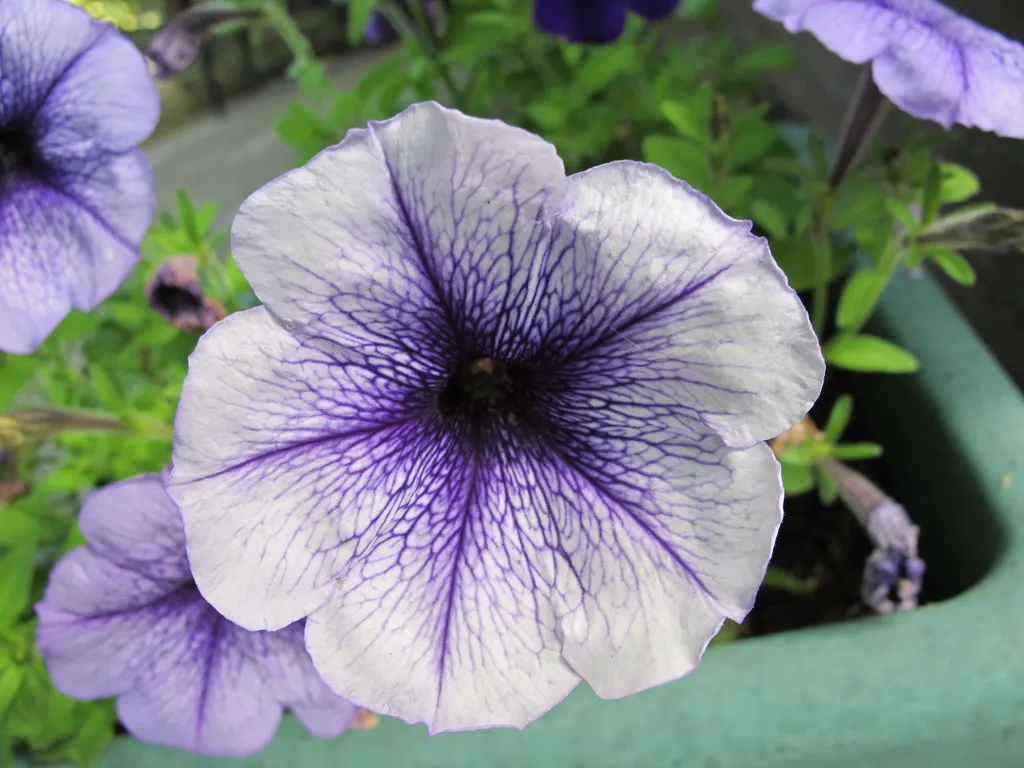
Alpe di Siusi (Seiser Alm in German) in South Tyrol, Italy, is the largest high-altitude alpine meadow in Europe. By early July each year, the plateau sits under a thick carpet of wildflowers — buttercups, clover, gentian, and alpine roses — with the Dolomite peaks rising sharply behind them. Access is by cable car from Ortisei or Siusi (return approximately €25 in 2026), and visitors can hike freely across the meadows. The spectacle is substantially more diverse than a single-species field like lavender or tulips; the density of color at 2,000 metres feels almost surreal. Budget at least half a day and bring proper hiking footwear.
Normandy's rapeseed fields are entirely overlooked on English-language travel lists despite being among the most vivid displays in Western Europe. Between mid-April and mid-May, the rolling farmland around Giverny, the Seine Valley, and the Côte Fleurie turns solid bright yellow for miles in every direction. These fields cost nothing to see from roadside pull-offs, and the combination of bright yellow crops against grey Norman church towers is exceptional for photography. If you are already making the journey from Paris to Monet's garden in Giverny, simply leave an hour earlier and drive the D5 through the countryside rather than taking the direct autoroute.
Museums, Art, and Culture in Flower
European art history is inextricably linked to the continent's diverse flora and formal garden traditions. Claude Monet's estate in Giverny remains the most famous example of a garden designed specifically to be painted. Walking through his Clos Normand garden allows visitors to see the exact color palettes used in his late masterpieces.
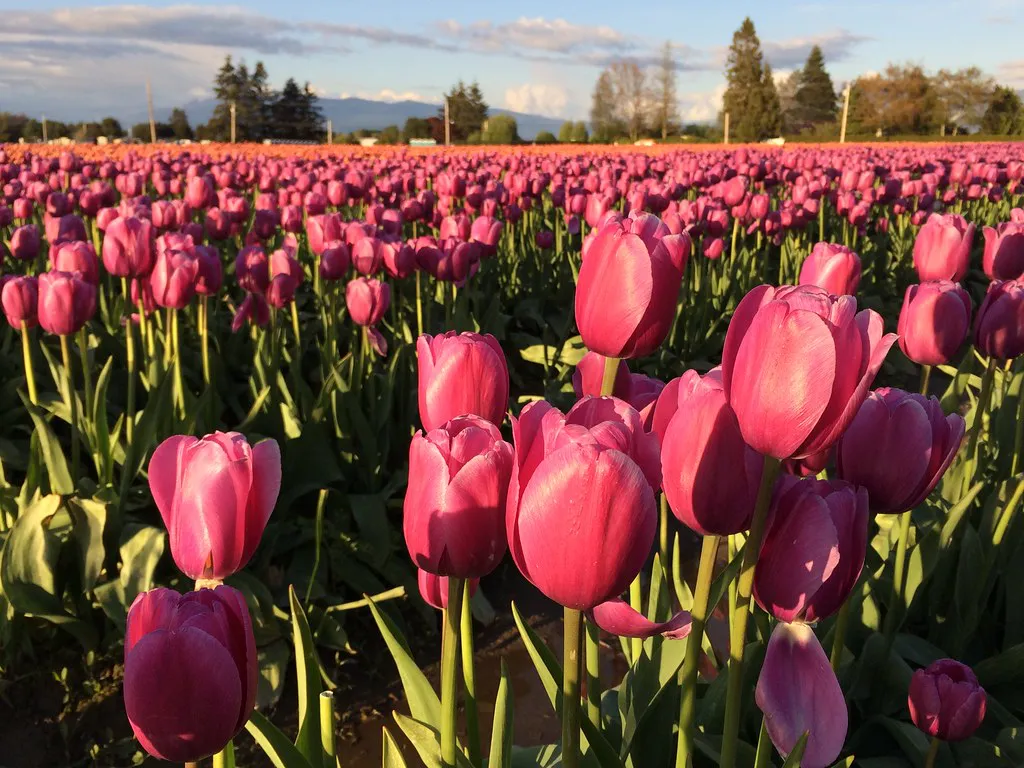
Beyond Giverny, the Dutch Golden Age produced a wealth of botanical art that celebrated the 'tulip mania' of the 1600s. Museums in Haarlem and Amsterdam often display these intricate still-life paintings alongside historical bulb catalogs. These cultural institutions provide context for why flowers remain such a significant part of Dutch national identity today.
In the Netherlands, the Baroque style at Paleis Het Loo demonstrates how gardens were used to signal power and wealth. The strict geometry and expensive exotic plants were intended to impress visiting royalty and foreign dignitaries. Today, these gardens serve as living museums that preserve centuries-old horticultural techniques and rare plant varieties.
Parks, Gardens, and Outdoor Spots in Flower
Urban parks offer an accessible way to enjoy seasonal blooms without leaving the convenience of the city. Copenhagen and Stockholm are particularly famous for their cherry blossom displays in public squares and historic cemeteries. Check our guide to cherry blossom in Stockholm for the best viewing spots near Kungsträdgården.
Wildflower meadows in the Swiss Alps or the Scottish Highlands offer a more rugged and unpredictable experience. These areas are vital for local biodiversity and provide essential habitats for pollinators like bees and butterflies. Photographers often prefer these wild spots because they offer a more natural aesthetic than manicured botanical gardens.
The distinction between curated gardens and agricultural fields is important for planning your photography and transport. Agricultural fields, like the lavender rows in Provence, are working farms and require respect for the farmers' property. Botanical gardens usually offer more facilities like cafes and paved paths, making them easier for those with limited mobility.
Family-Friendly and Budget-Friendly Options in Flower
Traveling to see flowers does not have to be expensive if you prioritize public parks and wild meadows. The Poldertuin in Anna Paulowna is a fantastic example of a world-class display that costs absolutely nothing to enter. Families can enjoy a picnic among the tulips here without the high ticket prices found at larger commercial attractions.
Parisian parks like Parc Bagatelle or the Jardin des Plantes offer beautiful rose and peony collections for a nominal fee. These spots are perfect for families with children who need space to run around while parents enjoy the scenery. Many of these parks also feature playgrounds and educational exhibits about local plant life and ecology.
To save money on transport, consider using regional rail passes or renting bicycles to reach rural flower fields. In the Netherlands, biking between Lisse and Hillegom allows you to see miles of tulip fields for free. This approach is often more rewarding than sitting on a crowded tour bus for several hours.
How to Plan a Smooth Flower Attractions Day
Successful floral travel depends heavily on monitoring local weather and bloom reports in the weeks leading up to your trip. We recommend following local tourism boards on social media for real-time updates on color changes in the fields. A late frost or an early heatwave can shift the peak bloom by ten days in either direction.
Regarding logistics, always book your accommodation and transport well in advance for major events like the Chelsea Flower Show. Prices for hotels in Provence or near Keukenhof skyrocket during the peak weeks of lavender and tulip seasons. Consider staying in smaller nearby towns to find better value and a more authentic local experience.
One mistake many first-time floral travelers make is planning a single fixed date without a backup option. If you build two possible travel windows around a destination's typical peak, you double your chances of catching the bloom at its best. We suggest skipping the overpriced souvenir shops located directly inside major floral attractions — local markets in nearby villages often sell the same bulbs or floral products for a fraction of the price.
Frequently Asked Questions
Which country has the best flower fields?
The Netherlands is widely considered the best country for flower fields due to its iconic tulip industry. However, France offers spectacular lavender in Provence, and Italy is famous for its wild poppy meadows in Tuscany.
When is the best time to see tulips in the Netherlands?
The peak time for Dutch tulips is usually from mid-April to early May. This window offers the best balance of open blooms and vibrant colors before the farmers begin harvesting the flowers.
Where can I see lavender in Europe besides France?
Excellent lavender fields exist in the English Cotswolds and on the island of Hvar in Croatia. These locations offer beautiful purple landscapes and fragrant air with fewer crowds than the famous French plateaus.
Visiting Europe for more than one festival? See our complete guide to festivals and events in Europe.
Europe's floral landscapes offer a diverse range of experiences for every type of traveler and budget. Whether you prefer the formal elegance of a royal garden or the wild beauty of a mountain meadow, timing is your most important tool. Plan your 2026 journey with flexibility to ensure you catch these spectacular natural displays at their absolute peak.
Remember to respect the local environment and agricultural land while capturing your holiday photographs. By choosing a mix of famous landmarks and hidden gems, you can enjoy the best of Europe's horticultural heritage. We hope this guide helps you discover the most vibrant corners of the continent during your next spring or summer adventure.
Free guide: Europe's Festival Calendar
A month-by-month map of Europe's unmissable festivals — with the best dates to visit each and a local tip you won't find in the guidebooks.
You might also like



Continue reading
More guides you'll find useful


