Cádiz Carnival Guide: 10 Essential Tips for 2026
Plan your trip with our 2026 Cádiz Carnival guide. Discover the best chirigotas, parade dates, gastronomic events, and local tips for Spain's biggest street party.
On this page
Cádiz Carnival Guide: 10 Essential Tips for 2026
The Cádiz Carnival stands out as one of the most vibrant and witty street parties in all of Europe. While other cities focus on glamour or masks, this Spanish coastal gem prioritizes sharp humor and satirical songs. Locals spend months preparing elaborate costumes and lyrics that poke fun at current events and famous politicians. Visitors will find the atmosphere incredibly welcoming and filled with infectious laughter throughout the historic narrow streets.
Planning a visit requires some local knowledge to navigate the crowded plazas and find the best performances. This guide provides everything you need to know for the upcoming festivities in the beautiful province of Andalusia. You will discover the secret spots where the funniest groups perform and learn about the delicious traditional food events. Prepare yourself for a unique cultural experience that combines music, satire, and the warm spirit of the Gaditano people.
Free guide: Europe's Festival Calendar
A month-by-month map of Europe's unmissable festivals — with the best dates to visit each and a local tip you won't find in the guidebooks.
What Makes the Cádiz Carnival Unique?
The essence of this festival lies in its clever use of irony and social commentary through music. Unlike the elegant best carnivals in Europe, Cádiz focuses on the power of the word. Groups compete to write the most hilarious lyrics that reflect the local and national news of the past year. This tradition creates a deep connection between the performers and the audience who often sing along.
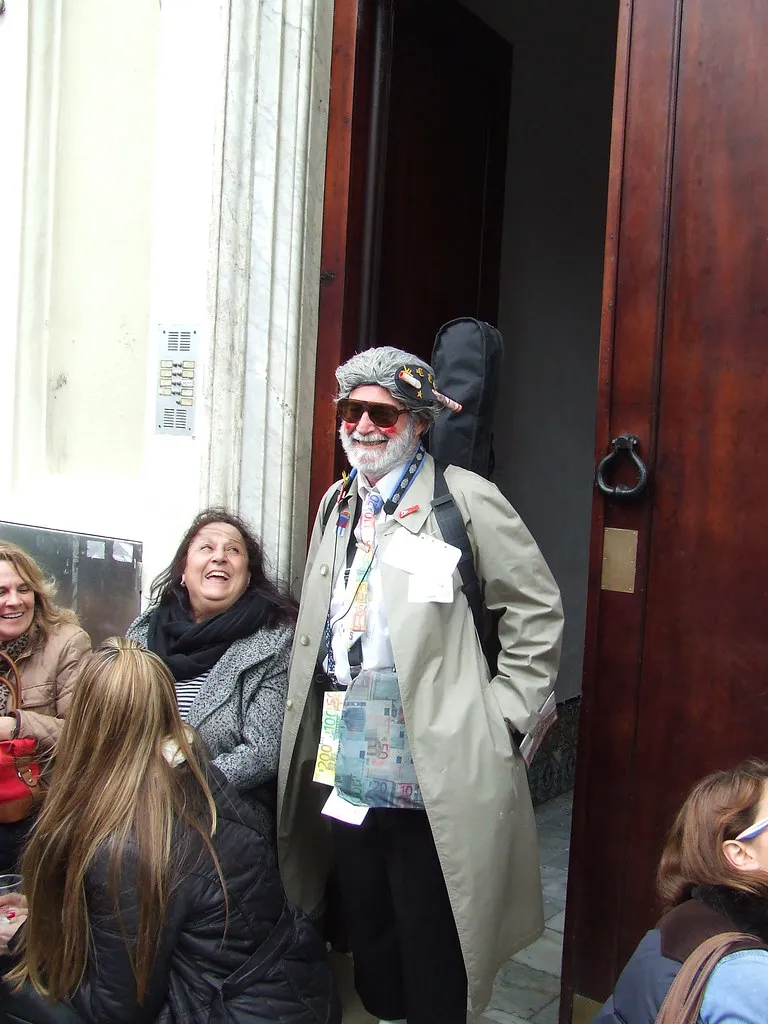
The entire city transforms into a massive stage where anyone can participate in the fun. You do not need an expensive ticket to enjoy the majority of the festivities happening in the public squares. Creativity shines through the costume — known locally as the "tipo" — that every group wears to represent a specific character or theme. It is this grassroots energy that makes the celebration feel authentic and different from more commercialized events.
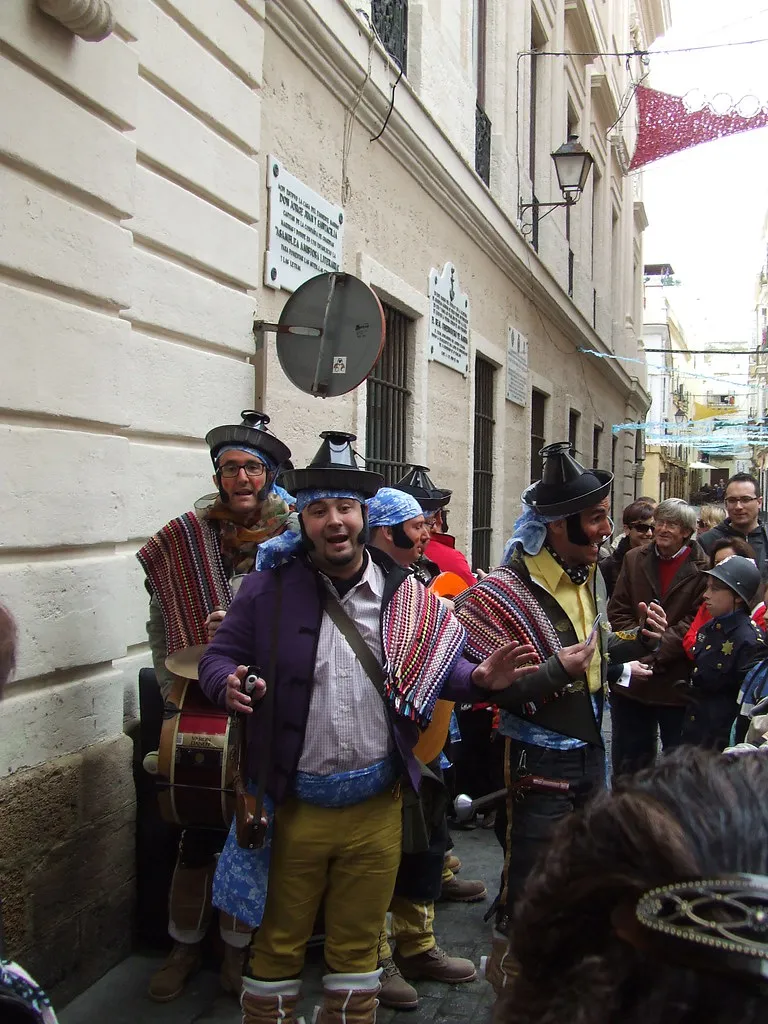
In 2010, the Cádiz Carnival was recognized as one of the ten treasures of Spain's Intangible Cultural Heritage. The humor is often self-deprecating and focuses on the daily struggles and joys of local residents. Street performers use simple instruments like the kazoo and guitar to accompany their complex vocal harmonies. This balance of musical talent and sharp wit ensures that every corner of the city feels alive with spirit.
Key Dates and Schedule for the Cádiz Carnival
The official dates for the main event run from 27 February through 9 March, with the Opening Speech kicking off eleven days of non-stop celebration. You should check the Cadiz carnival dates page to ensure you do not miss the biggest weekend events. Most of the major street activities occur during the first weekend when the city is at its most crowded. The final Sunday traditionally features a fireworks display marking the end of the official programme.
Pre-carnival gastronomic events start much earlier in January, building excitement for the main competition. These early gatherings are a great chance to hear groups practise their songs in a more relaxed setting. Mid-week events during the carnival proper are often less crowded and provide a better opportunity to catch specific performers. Planning your arrival for the first Thursday lets you witness the lighting of the carnival decorations and the illumination of the old town.
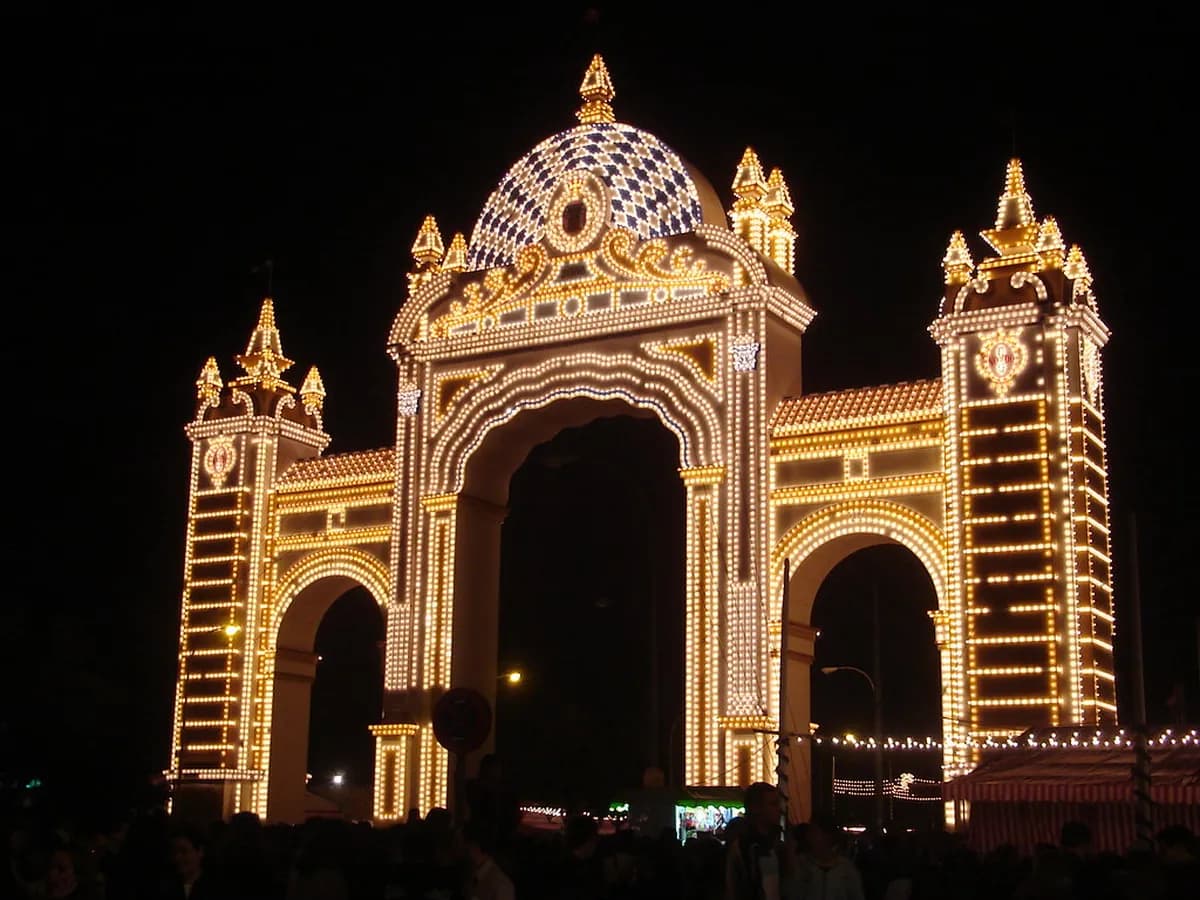
The streets of the historic centre become brightly lit with thousands of colourful bulbs and festive banners from that first Thursday onward. Many locals prefer the second weekend, which feels more intimate and focuses on neighbourhood traditions rather than the big-ticket headline parades. Always keep a flexible schedule because street performances can happen spontaneously at any hour of the day or night. Booking accommodation four to six months ahead is strongly recommended for any part of the eleven-day window.
The COAC: Official Competition at Gran Teatro Falla
The Official Competition of Carnival Groups, known as COAC, is the most prestigious event of the entire festival. Performers compete in categories such as chirigotas, comparsas, coros, and romanceros inside the stunning Gran Teatro Falla. You can find performance schedules on the Official COAC Event Page. Tickets for the grand final are notoriously difficult to obtain and often sell out within minutes of release.
The competition runs for several weeks leading up to the carnival itself and is broadcast on television across Andalusia. Each group must present original music and lyrics that have never been performed in public before. The atmosphere inside the theatre is electric as fans cheer for their favourite groups with passionate chants and call-and-response. Watching the preliminary rounds is a far more accessible way to experience the talent of these dedicated musical ensembles without fighting for a final-night seat.
The Gran Teatro Falla is a masterpiece of Neo-Mudéjar architecture located near La Caleta beach, with its red-brick facade and horseshoe arches providing a beautiful backdrop for the satirical performances. Even if you cannot get tickets, the area around the theatre is always buzzing with fans and media crews. Many groups will perform their songs for the crowds waiting outside after finishing their official set — often with even more energy than they showed on stage.
Major Parades: The Grand Magna and Humor Processions
The Grand Magna Parade takes place on the first Sunday and serves as the primary visual spectacle of the week. Enormous floats carry the winners of the COAC competition through the main avenues of the city. Families line the streets early in the afternoon to secure a good view of the colourful procession. The coastal setting along the Avenida del Puerto makes this one of the more photogenic carnival parades anywhere in Europe.
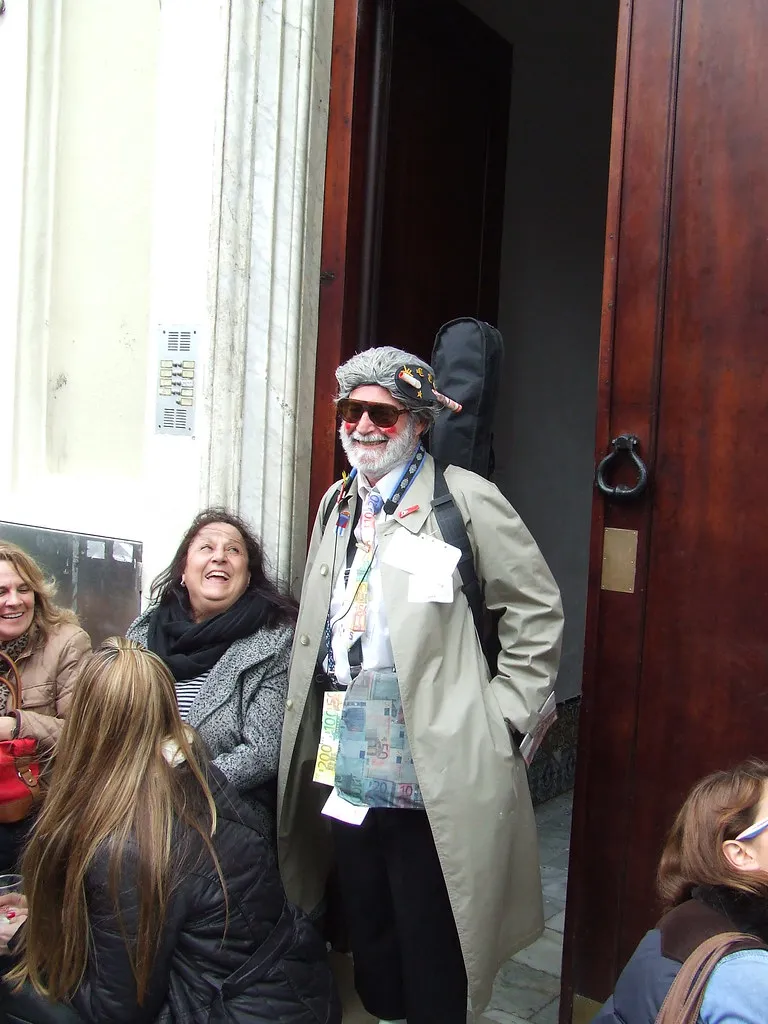
The Humor Parade occurs on the second Sunday and focuses squarely on the funny side of the festival. Participants dress in hilarious costumes and often perform short skits as they walk through the historic centre. This parade is generally more chaotic and interactive than the formal Grand Magna event — groups stop regularly to engage the crowd. It represents the true spirit of the city where everyone is encouraged to join the laughter rather than just watch.
Be prepared for large crowds and limited movement once the floats begin to pass through the main gates. Wearing comfortable shoes is essential as you will likely be standing or walking for several hours. Many people bring small folding stools to wait for the floats at their chosen spot. The parade routes follow the Avenida del Puerto and move toward the newer parts of the city, so positioning yourself near the start gives you the best view before the crowds thin.
Street Entertainment: Chirigotas, Carousels, and Romanceros
The "illegal" chirigotas — known as callejeras — are the unofficial groups that perform exclusively in the city streets. These groups do not participate in the official theatre competition and often carry the most biting, topical humour of the entire carnival. You can find them in the backstreets of the Barrio de la Viña or near the central market, usually performing after 20:00 when the plazas fill up. Their performances are free to watch and represent the most authentic version of local carnival culture.
Chorus carousels feature large groups of singers performing on flatbed trucks as they move through the plazas. The Plaza del Mercado is the best place to catch these impressive vocal displays on the carnival Sundays, and the Pópulo neighbourhood and Plaza de San Antonio are equally rewarding. The sound of dozens of voices harmonising together creates a powerful and moving experience. It is common for the crowd to offer drinks or snacks to the performers as they pass.
Romanceros are solo performers or duos who tell funny stories using large illustrated boards to show the plot. They use a rhyming style unique to Cádiz that often involves complex puns and rapid-fire local references. Finding a romancero settled in a quiet alleyway is a highlight for many visitors looking for traditional storytelling. These performers rely on charisma and quick wit to hold the audience without any musical instruments at all.
Gastronomic Traditions: Erizada, Ostionada, and Beyond
Food is an essential part of the pre-carnival atmosphere, with four major public tastings held in January and February. These "ada" events celebrate the seafood that defines this Atlantic coastline and are entirely free to attend. Arriving thirty minutes before the listed start time is strongly recommended, as the food regularly runs out before the music stops. Each event is hosted by a different neighbourhood association, so the vibe shifts from one to the next.
- The Erizada (sea urchin tasting) takes place on 26 January at 12:30 in the Barrio de la Viña. Details at the Erizada Official Info page.
- The Ostionada (oyster gathering) takes place on 2 February at 13:00 in the Plaza de San Antonio, served with traditional local wines.
- The Mejillonada (mussel tasting) takes place on 9 February at 13:00 at the Peña La Perla de Cádiz.
- The Gambada (shrimp celebration) takes place on 23 February at 13:00 at the Peña La Perla de Cádiz.
Beyond the free tastings, the city's tapas bars run special carnival menus throughout the eleven days. The Barrio de la Viña in particular is lined with traditional taverns where you can eat retinto beef skewers, fried fish cones (pescaíto frito), and roscos de carnaval pastries. Check the Andalucia Tourism Carnival page for the full calendar of gastronomic events each year.
Best Neighborhoods for the Authentic Street Party
The Barrio de la Viña is the spiritual heart of the carnival and the origin of the most famous performing groups. Its narrow streets and traditional bars create an intimate setting for the street chirigotas, who tend to plant themselves here from around 21:00 and perform until the early hours. This area becomes intensely crowded on weekends, so visiting on a weekday afternoon gives a better sense of the neighbourhood itself. You will find the most authentic Gaditano atmosphere among the residents who have lived and breathed this carnival for generations.
Plaza de San Antonio serves as the main hub for large concerts and official ceremonies. It has a more open, party-focused vibe that attracts a younger crowd late into the night, with enough space to host major stages while still feeling connected to the old centre. The Pópulo neighbourhood nearby offers a calmer parallel — perfect for catching chorus carousels on flatbed trucks without the full crush of the larger squares. If you want to cover the most ground, start in Viña in the early evening and move toward San Antonio by midnight.
Plaza del Mercado offers a more family-friendly environment where choral carousels are the main draw. It is a good place to sit and enjoy the music without the intense pressure of the smaller back streets. The surrounding architecture provides a stunning backdrop for the colourful costumes and decorations. This area is also known for its excellent tapas bars that offer a quieter escape between performances.
Essential Carnival Vocabulary for First-Timers
Understanding the different types of musical groups will help you appreciate the variety of performances on offer. Each category has specific rules regarding the number of members and the instruments they are allowed to use. Learning a few local terms also makes it easier to follow the jokes and satirical lyrics. Locals genuinely appreciate visitors who take an interest in the technical details of their beloved tradition.
A "chirigota" is typically a group of twelve people focused on humour, using a kazoo (pito) for melody alongside guitar. The "comparsa" is more serious and poetic, with fourteen members known for high-quality vocal arrangements that deal with social issues. A "coro" can have up to 45 singers accompanied by lutes and guitars, producing the grandest sound of any group on the street. The "romancero" stands apart from all three — a solo or duo act that narrates comic stories using illustrated boards, with no instruments at all.
The "tipo" refers to the elaborate costume that defines the theme of the group for the entire year. Every detail of the outfit is carefully designed to match the lyrics and character of the performance. A strong tipo often earns a group extra points at the official COAC competition. Locals take enormous pride in the craftsmanship and creative vision that goes into building these costumes over the preceding months.
Logistics: Where to Stay and How to Get Around
Finding accommodation in the Old Town puts you at the centre of the action at all times. Be prepared for significant noise throughout the night, however, as the street parties continue until dawn and the walls in this historic quarter are thin. Booking four to six months in advance is necessary if you want a central boutique hotel or guesthouse. The same early-booking rule applies to the Nice carnival and most major European festival destinations.
The New Town near Playa de la Victoria offers a quieter alternative with modern hotels and better transport links. You can reach the historic centre using the frequent bus service or a pleasant walk along the seafront promenade. Staying here provides a good balance between festive access and a decent night's sleep — particularly useful if you are travelling with children or have early morning flights. The decision comes down to priorities: Old Town for full immersion, New Town for rest and practicality.
Public transport is the best way to get around once the carnival begins, as many streets in the old town are closed to private cars. The Cercanías train connects Cádiz to nearby towns including Jerez and El Puerto de Santa María for day trips before or after the festival. Walking remains the most practical way to explore the narrow alleys where the best street groups perform, so comfortable shoes are non-negotiable. Use a navigation app because the winding streets of the Barrio de la Viña can be genuinely disorienting after dark.
What to Pack for Cádiz Carnival
A costume is not compulsory, but wearing one transforms how the city treats you. Even a simple funny hat, a colourful wig, or a single eye mask signals that you are entering the spirit of the celebration rather than just observing it. Groups will invite you into their circle, offer you a sip from their bottle, and perform directly at you rather than past you. If you want to go further, picking a "tipo" theme and sticking to it for the full weekend is exactly what seasoned visitors do.
Beyond the costume, the practical essentials are worth planning carefully. The streets are cobbled and uneven, so flat-soled shoes that can handle eight to ten hours of standing are the single most important item in the bag. A lightweight refillable water bottle saves money and keeps you going between the free wine at the ada events and the late-night bar crawls. Earplugs for sleeping in the Old Town, a small crossbody bag for keeping hands free, and a portable phone charger round out the survival kit that most first-timers wish they had brought.
One detail that no tourist board mentions: the carnival air carries confetti from noon onward and by midnight it coats every surface including hair and eyes. Carrying a small travel pack of wet wipes is genuinely useful, especially before sitting down for a meal. Layers are also wise — February in Cádiz averages around 16°C in the afternoon but drops to 9°C after midnight when the Atlantic wind picks up along the waterfront.
Carnaval de los Jartibles: The Week the Locals Keep Going
The official eleven-day programme ends on the second Sunday, but Cádiz does not stop there. The week that follows is known as the "Carnaval de los Jartibles" — a term that translates roughly as "carnival of those who never tire." This unofficial extension carries no organised schedule: groups reconvene in the same bars and plazas of the Barrio de la Viña, performing the songs they refined over the previous fortnight to smaller and increasingly loyal audiences.
No competitor guide covers this continuation week in any detail, yet for many regulars it is the best time to visit. The main tourist wave has left the city, accommodation prices drop, and the performers are visibly looser and more experimental. You might catch a chirigota trying out new verses that were too risky for the official competition, or a comparsa delivering an emotional finale set for whoever stayed around to hear it. The atmosphere shifts from spectacle to something closer to a private extended party that the whole city is quietly invited to.
If your dates are flexible, scheduling your departure for the Wednesday or Thursday after the official close gives you the Jartibles bonus at a fraction of the peak-week cost and crowd pressure. It is the detail that separates a good Cádiz carnival trip from an exceptional one.
Frequently Asked Questions
What should I wear to the Cádiz Carnival?
Most people wear a full costume or 'tipo' to blend in with the festive atmosphere. If you do not have a costume, a funny hat or colorful wig is enough to join the fun. Comfortable walking shoes are essential for navigating the crowded streets all day. For more tips, see our Cadiz carnival dates guide.
How long does the Cádiz Carnival last?
The official festival lasts for 11 days, starting on a Thursday and ending on the second Sunday. However, pre-carnival food events begin several weeks earlier in January. The first weekend is usually the busiest and most intense part of the celebration. Many locals continue the party into the following week for 'Carnaval de los Jartibles'.
What is the difference between a chirigota and a comparsa?
A chirigota focuses on humor and satire with a focus on making the audience laugh. A comparsa is more poetic and serious, often dealing with social issues and using more complex musical harmonies. Both groups are central to the official competition at the Gran Teatro Falla. You will see both types performing throughout the streets of the city.
Related in Cadiz: Essential Facts About Carnival of Cadiz Dates and Planning.
The Cádiz Carnival is a bucket-list experience for anyone who loves music, humor, and authentic culture. By following this guide, you can navigate the festivities like a local and find the best performances across the city's plazas and backstreets. Remember to embrace the chaos and join in the laughter that fills the air of this ancient city. Plan your trip early to secure the best accommodation and experience everything this festival has to offer.
Free guide: Europe's Festival Calendar
A month-by-month map of Europe's unmissable festivals — with the best dates to visit each and a local tip you won't find in the guidebooks.
You might also like


Continue reading
More guides you'll find useful