Venice Carnival Dates Travel Guide
Venice Carnival 2026 runs 31 Jan to 17 Feb with the Olympus theme; see 2027 dates, ball prices from 590 euros, and when San Marco hotels sell out.
On this page
Venice Carnival Dates
Venice transforms into a living stage every February as thousands of masked visitors fill its canals and squares. Understanding the Venice Carnival dates is the first step toward planning your trip — the festival is tied to the lunar calendar, so the window shifts every year. This guide covers official dates for 2026 and 2027, the must-see events, what to wear, where to stay, and how to move around the city during one of Europe's most celebrated festivals.
Early preparation is essential. Hotels in San Marco and Dorsoduro sell out six months or more before the opening weekend. Read on for a full schedule breakdown and practical decisions that make the difference between a frustrating crowd and an unforgettable experience.
Free guide: Europe's Festival Calendar
A month-by-month map of Europe's unmissable festivals — with the best dates to visit each and a local tip you won't find in the guidebooks.
What Is the Venice Carnival?
The Venice Carnival, known locally as Carnevale di Venezia, is an annual festival celebrated for its elaborate masks, historical costumes, and citywide festivities. It dates back to the 11th century, when masks allowed people from different social classes to mix freely before the austerity of Lent began. Over the centuries it became one of the most famous festivals in the world, drawing visitors from across Europe and beyond.
Each year the carnival has an official theme that shapes the costume competitions, official ceremonies, and private ball decorations. The 2026 edition carries the theme "Olympus – At the origins of the game," an homage to the Olympic spirit tied to the Milano Cortina 2026 Winter Olympics being held in Italy that same season. This gives the 2026 edition a particularly distinct atmosphere, with Greek and Olympian visual motifs appearing across costumes and stage designs in Piazza San Marco.
The festival is anchored by both free public events and ticketed private balls. Public events fill the calli, canals, and squares at no cost. The ticketed masked balls and galas take place inside historic palaces and hotels, often requiring period costumes and advance booking months ahead.
Venice Carnival 2026 Dates and Schedule
The Venice Carnival 2026 runs from 31 January to 17 February. The celebrations are structured in phases, with events increasing in scale and crowds as the days progress.
- Pre-Carnival (31 January – 6 February): lighter crowds, ceremonial events, easier movement around the city. The Water Parade on the Cannaregio Canal takes place on Sunday 1 February at 11:00.
- Main Carnival (7 – 17 February): daily parades, costume contests, and large public gatherings. La Festa delle Marie procession on the canals opens this phase on 7 February at 15:00.
- Big Floats Parades run across the mainland districts: Pellestrina on 12 February at 15:00, Lido di Venezia on 13 February at 17:00, Marghera on 14 February at 15:00, Mestre on 16 February at 15:30.
- The Most Beautiful Mask Contest Final takes place on Shrove Tuesday 17 February at 16:00 in Piazza San Marco.
Fat Thursday (Giovedì Grasso, 12 February) and Shrove Tuesday (Martedì Grasso, 17 February) are generally the most spectacular days. If you want fewer crowds, the early morning or late afternoon on any weekday between 8 and 11 February offers costume sightings with manageable foot traffic.
Venice Carnival 2027 Dates
The Venice Carnival 2027 is scheduled to run from 6 to 16 February 2027. As always, the final day falls on Shrove Tuesday, the eve of Ash Wednesday. Booking for 2027 should begin in late summer 2026 at the latest — central hotels consistently fill a full season in advance.
The most important events in 2027 will again cluster around the final weekend and Shrove Tuesday. The Flight of the Angel from the bell tower of St. Mark's opens the main period, and the grand mask competition closes it. Check the official Venice Carnival Website for the confirmed programme once it is published.
For those comparing years, 2027 offers a slightly earlier window than 2026, which is useful if February travel prices are a concern. Midweek days in 2027 will still attract significant crowds but are calmer than the opening or closing weekends.
Must-See Events at Venice Carnival
The Flight of the Angel (Volo dell'Angelo) is the single most iconic moment of the carnival. A performer descends on a wire from the bell tower of Piazza San Marco to the square below, watched by thousands of costumed spectators. It marks the official opening of the main Carnival period and is a short event — arrive at least 90 minutes early to secure a position near the stage.
The Festa delle Marie is the oldest ceremonial tradition still observed during the carnival. Twelve women in historical Venetian costume are escorted in a procession along the canals, re-enacting a medieval legend. The water procession on 7 February at 15:00 is a quieter alternative to St. Mark's Square and offers excellent photo conditions from the canal banks.
The Arsenale Water Show and the canal water parades bring decorated boats and costumed gondoliers through the heart of the city. The Grand Opening Floating Parade on the first full weekend draws the biggest audience of the pre-Carnival phase. Free street performances — musicians, acrobats, masked actors — run throughout the day across the city's squares and are some of the most memorable moments of any visit. Check a venice carnival guide for specific neighborhood event times.
Venice Fancy Balls Tickets and Open-Air Public Events
The public events of the carnival are free, but the city applies access controls around St. Mark's Square during peak days. Plan to arrive at least an hour before any major public event and move to your destination early. Crowds on Shrove Tuesday in particular make last-minute positioning very difficult.
Ticketed private events — the masked balls and gala evenings — are the other half of the carnival experience. These take place in historic palaces and hotel ballrooms along the Grand Canal. Tickets typically cover dinner, live music, costumed performances, and an after-dinner party. Prices range from around €590 per person for events like the Carnival Extravaganza at the Ridotto of the Hotel Monaco, to over €1,200 per person for exclusive evening events such as the Venetian Reflections theme party at Palazzo Labia.
The Minuetto Venice Ball runs across four dates in February (8th, 12th, 15th, and 16th) at the Ridotto of the Hotel Monaco and starts from €750 per person. The Carnival Party Masked Ball on 31 January opens the season from €620 per person. All of these events sell out months in advance — booking in October or November for the following February is not unusual. Wearing a full period costume is mandatory, and costumes can be rented from specialist houses in Venice, with rentals ranging from €280 to €800 depending on detail and quality.
What to Wear to Venice Carnival
Masks are the most visible way to participate in the carnival, and they are worn throughout the city during the celebrations. Many visitors choose decorative masks purchased from local artisan shops, paired with regular clothing or a simple cape. Authentic papier-mâché masks from Venice's craft workshops are more comfortable to wear for long periods than plastic alternatives, and they make a meaningful souvenir. You can find venice carnival masks where to buy in many local artisan shops across the city.
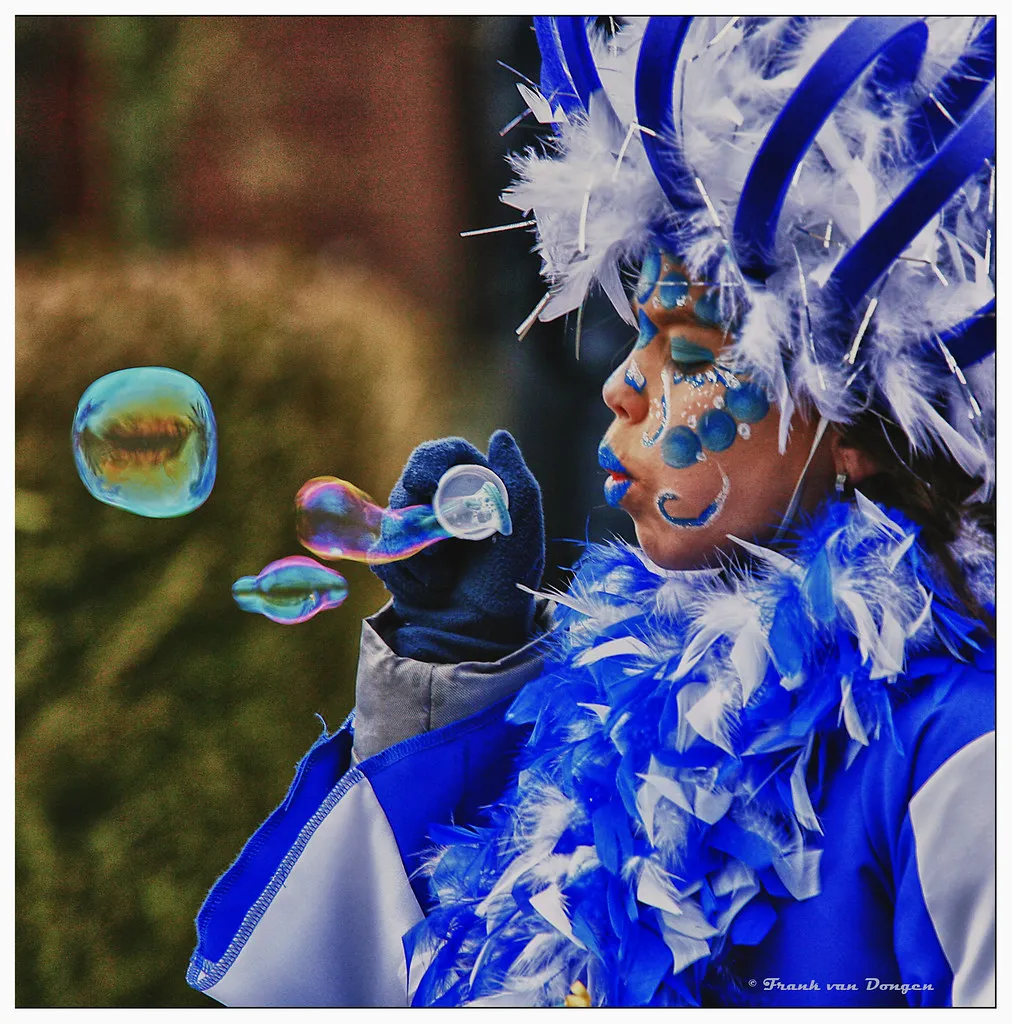
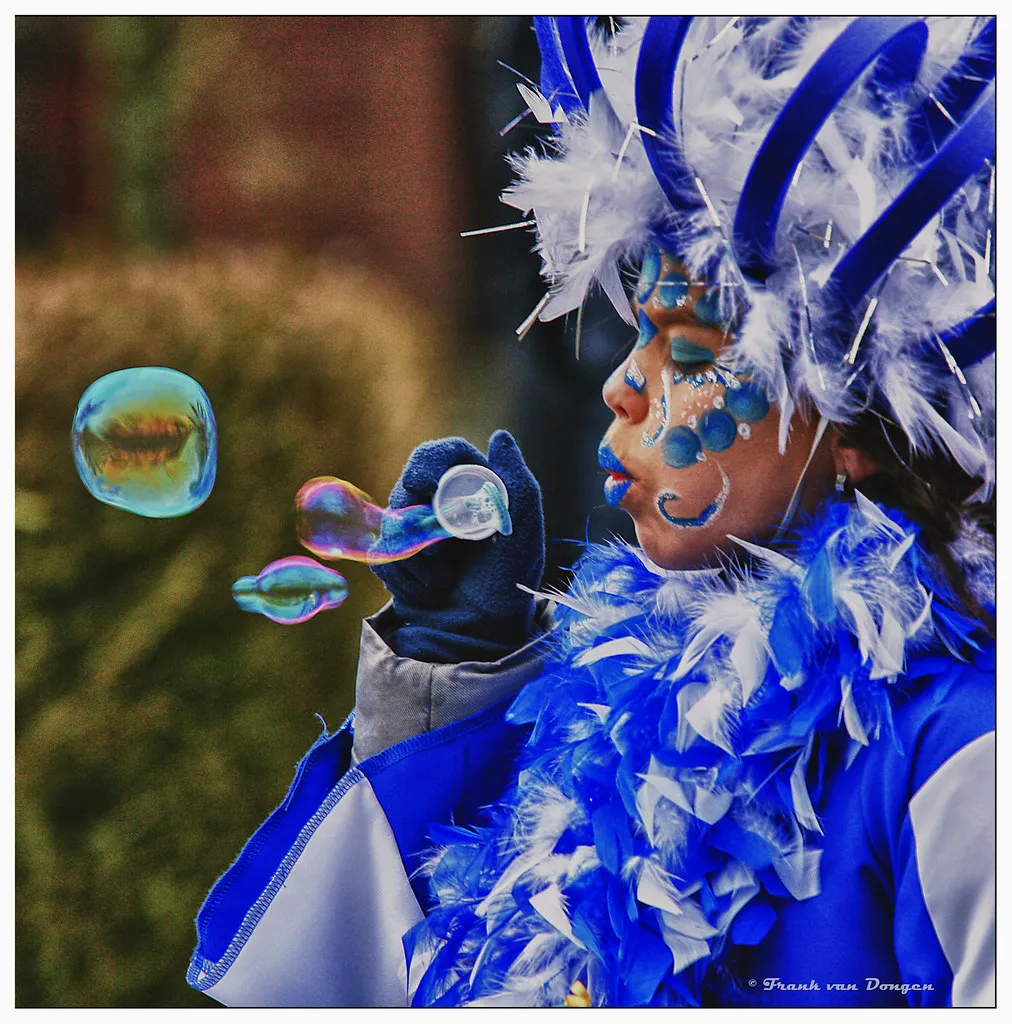
Classic mask types from the Venetian tradition include the bauta, the moretta, and the gnaga. The tabarro — a full-length cloak — is often worn alongside these masks, recreating the disguise that historically allowed Venetians to move through the city anonymously and across social classes. Wearing any of these, even a simple version, changes how locals and other visitors interact with you during the celebrations.
Full period costumes are typically rented from specialized costume houses. These vary widely in style, detail, and price, with rentals typically ranging from €280 to €800. Period costume is mandatory for official masked balls and most private gala events, and compulsory dress codes are enforced at the door. If you are attending a masquerade ball, book your costume at the same time as your ticket — popular costume styles are reserved well in advance, and arriving in Venice expecting to rent on short notice significantly limits your options. Visiting the venice carnival with kids is achievable even without full costumes — simple masks and capes from market stalls are enough for children to feel part of the celebrations.
Where to Stay During Venice Carnival
Your neighborhood choice shapes the entire experience. San Marco and Rialto put you closest to the main events and parade routes but carry the highest prices and the heaviest overnight noise — expect to pay €250 to €500 or more per night at Carnival peak. Dorsoduro offers a balance: lively enough to feel the energy, slightly less congested, with good food and bar options and nightly rates typically between €180 and €350.
Cannaregio is a practical mid-range option. It has a more residential atmosphere, good evening dining, and easy vaporetto access. Prices typically run €150 to €300. Castello and Giudecca are the quietest central options, suited to travelers who want space and calmer evenings, with rates around €140 to €280. All of these book out many months before the carnival period.
Mestre on the mainland is the budget alternative, with hotel rates running €80 to €180. Fast trains and buses connect Mestre to Venice in under 15 minutes. This is a reasonable option for longer stays where you are not attending evening balls, but it adds commute time during peak Carnival hours when transport is busiest.
How to Get Around Venice During Carnival
Venice has no cars. During the Carnival, walking is usually the fastest way to move through the historic center. Street signs point toward key areas including San Marco and Rialto, and the city is navigable on foot once you have a rough mental map of the sestieri. For neighborhoods further apart, the vaporetto waterbus is the main public transport option. A multi-day vaporetto pass is the most cost-effective choice for the Carnival period — individual ticket prices add up quickly. Purchasing a pass in advance saves time and money on public transport.
Expect crowded boats, especially during late afternoon and evening when events are finishing. Avoid the most popular lines such as Line 1 and Line 2 on the Grand Canal during peak midday hours. Traghetti — gondola ferries that cross the Grand Canal at set points — are a cheap and fast alternative for short crossings, typically costing just €2. Standard gondola rides during Carnival see high demand; expect to pay official rates and queue. Decorated carnival gondolas in the water parades are a spectacle to watch, not rides to book during the event itself.
Tide (acqua alta) is a real concern in winter Venice. Check the tide forecast the night before using the City of Venice's official tide centre app and plan routes accordingly. Some streets in San Marco flood in the mornings — raised walkways (passerelle) are installed during high water periods, but they add significant journey time.
Practical Tips for Visiting Venice Carnival
Book hotels as early as possible — six months or more before the Carnival dates is a realistic minimum for central neighborhoods. Budget travelers should consider Mestre or a stay split between the pre-Carnival period (late January, lighter crowds) and one final weekend day.
The 'cicchetti' culture at local bacari — Venetian wine bars — is the best way to eat well and cheaply during the festival. Small snacks typically cost €2 to €5 per piece, and a glass of local Veneto wine (ombre) runs around €1 to €2. Supermarkets in Venice are useful for water and quick meal staples and significantly cheaper than tourist-facing restaurants near St. Mark's.
Dress for cold and damp winter weather. February in Venice is typically 2–8°C with frequent rain and occasional fog. Waterproof shoes are essential, as walking between events can mean long distances over wet stone. Layers work better than a single heavy coat when moving between heated indoor balls and cold outdoor streets. Secure valuables carefully in crowded areas — St. Mark's Square and busy vaporetti are common spots for pickpocketing during peak Carnival days.
If you want to balance the venice carnival masquerade balls with quieter time in the city, plan events for the afternoons and book any ball for one evening only during your stay. The residential neighborhoods of Sant'Elena and Giardini della Biennale offer genuine breathing room — wide footpaths, waterfront views, and a pace that makes the contrast with the main Carnival energy very clear. Deciding venice carnival is it worth it depends partly on whether you go in with a structured plan rather than hoping to improvise around the crowds.
Frequently Asked Questions
What are the best days for Venice Carnival?
The best days are usually the final weekend and Shrove Tuesday. These dates feature the most impressive parades and the grandest costumes. However, if you want to avoid the biggest crowds, consider visiting during the middle of the week. Learn more in our best carnivals in europe guide.
What date is the Venice Carnival in 2026?
In 2026, the Venice Carnival is expected to run from February 7 to February 17. These dates follow the lunar cycle leading up to Lent. It is wise to book your flights and hotels at least six months before these dates to ensure availability.
How long does the Carnival of Venice last?
The official festival typically lasts for 11 days, ending on Shrove Tuesday. Some years may include pre-opening events that extend the festivities to two full weeks. The most intense celebrations occur during the final ten days of the scheduled program.
Visiting Venice for more than one festival? See our complete guide to festivals and events in Venice.
Planning around the Venice Carnival dates ensures you experience the city at its most vibrant. Whether you attend a luxury ball or enjoy free street shows, the atmosphere is genuinely unlike any other festival in Europe. Book transport, accommodation, and any ticketed events well in advance — the earlier you plan, the better your options.
Venice rewards visitors who slow down and explore beyond the main squares. Take the time to find the quieter canal performances and the residential neighborhoods away from the crush. Your journey into the world of masks and gondolas will be a highlight of your travels.
Free guide: Europe's Festival Calendar
A month-by-month map of Europe's unmissable festivals — with the best dates to visit each and a local tip you won't find in the guidebooks.
You might also like

Continue reading
More guides you'll find useful