Viareggio Carnival Guide Travel Guide
Viareggio Carnival on the Tuscan coast: six parades across five weekends, 20-meter satirical floats, tickets from 22 euros, plus train and Rioni night-party tips.
On this page
Viareggio Carnival Guide
The Viareggio Carnival is a massive celebration that takes over the Tuscan coastline every February. It features giant paper-mache floats that can reach heights of over twenty meters. Many travelers consider this event one of the best carnivals in Europe for its creativity. This guide provides everything you need to navigate the crowds and enjoy the spectacle.
See also: Viareggio Carnival Dates and Seasonal Travel Guide.
Viareggio sits on the Versilia coast and offers a unique mix of beach culture and artistic tradition. The city transforms into a vibrant stage where political satire meets incredible craftsmanship. Planning ahead is essential because the town fills up quickly during the parade weekends. You will find helpful tips here for tickets, transport, accommodation, and local secrets.
Free guide: Europe's Festival Calendar
A month-by-month map of Europe's unmissable festivals — with the best dates to visit each and a local tip you won't find in the guidebooks.
Viareggio Carnival Italy
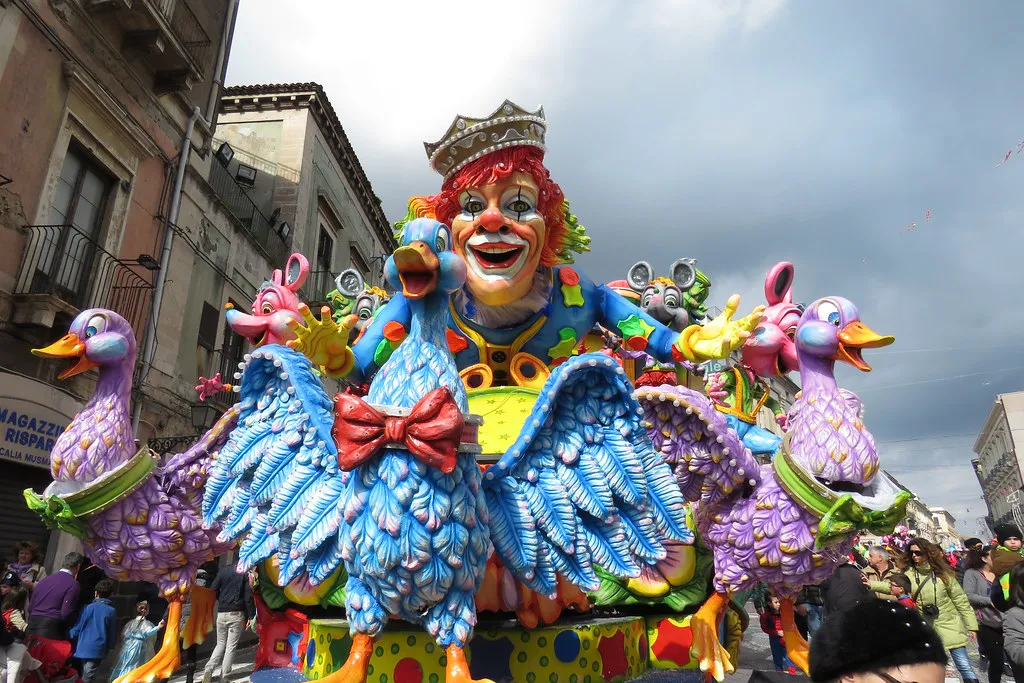
The Viareggio Carnival in Italy is famous for its massive, allegorical floats made of paper-mache. Each year, master builders create works of art that satirize global politics and pop culture. The floats are so large that they often require dozens of people to operate the moving parts. This event is widely ranked among the most beautiful carnivals in Europe due to its scale.
The tradition began in the late nineteenth century when young bourgeois locals organized a parade of flower-adorned carriages along the old Via Regia. Locals wearing colored masks seized the occasion to protest a rise in taxes — and that spirit of dissent through satire has never left the festival. The official mascot, Burlamacco, was designed in 1930 by futurist painter Umberto Bonetti. His red and white checkered suit blends elements from Harlequin, Pierrot, and Rugantino and has become the symbol of the city itself.
Music and choreography play a vital role in the experience as the floats move. Each float has its own soundtrack and a troupe of dancers in elaborate costumes. The energy is infectious and encourages the crowd to dance along in the streets. It is a sensory experience that combines visual art with high-energy performance.
Viareggio Carnival 2027 Edition — The Program
The 2026 edition drew tens of thousands of visitors across six parades, and the 2027 schedule follows the same format. The carnival runs across five weekends, typically from the second half of January through the first week of March, depending on when Lent falls. All parades take place along the Viali a Mare, the main avenues running beside the seafront.
The confirmed parade dates for 2027 are as follows. The opening ceremony and first float parade is on Saturday 30 January at 16:00, followed by fireworks. The second parade falls on Fat Thursday, 4 February, at 17:00. The third parade is on Sunday 7 February at 15:00. Mardi Gras, Tuesday 9 February, hosts the fourth parade at 15:00. The fifth parade is Sunday 15 February at 15:00. The sixth and final parade is Saturday 21 February at 16:00, closing with the award ceremony for the best float and a grand fireworks finale.
The afternoon parades at 15:00 are well suited to families with young children because the mild February light makes the floats easier to see and the energy is calmer. The evening parades are a different experience entirely — the floats illuminate their internal lights as darkness falls, giving them an atmospheric glow that many visitors find more dramatic. If you can only attend one parade, the final one on 21 February delivers the complete package: competition results, a superior selection of floats, and the fireworks display over the sea.
For the most current schedule and any additions, check the Fondazione Carnevale official site before booking travel.
Tickets and How to Reach Viareggio
Buying your tickets in advance is the best way to ensure a smooth entry. Adult tickets start from €22.00, while children up to 14 pay about €16.50. Children under 1.20 meters tall can enter the parade area for free. Online tickets through the Vivatickets platform are slightly more expensive than those purchased at the gate, but they let you skip the queue at both the ticket office and the entrance gates.
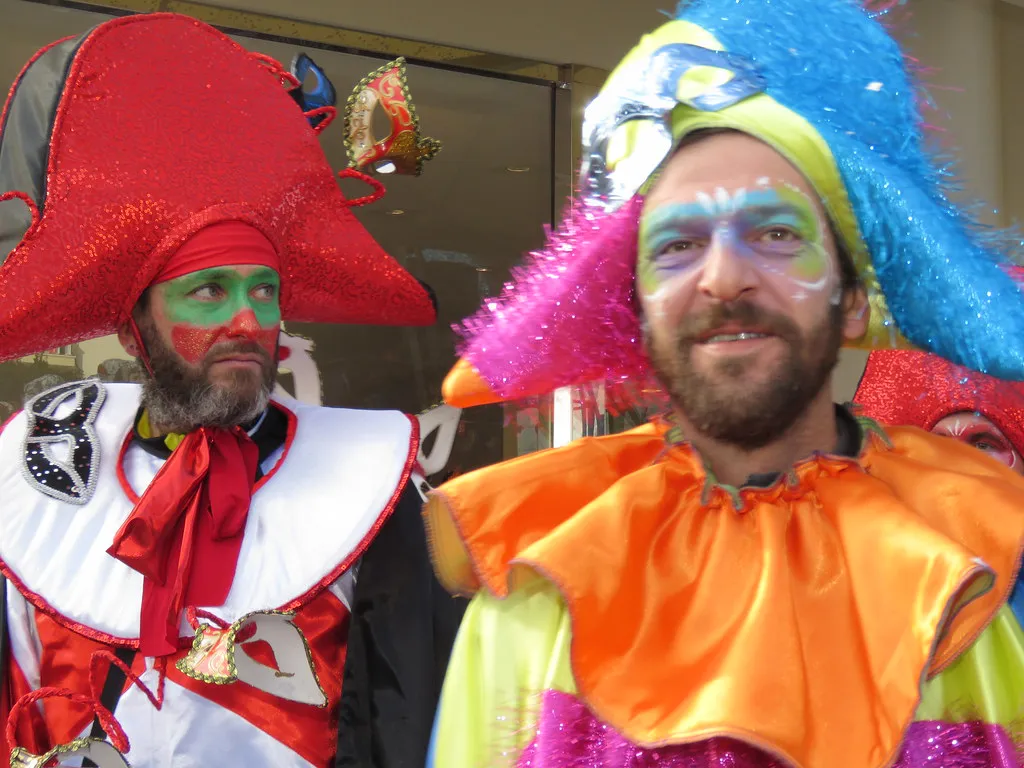
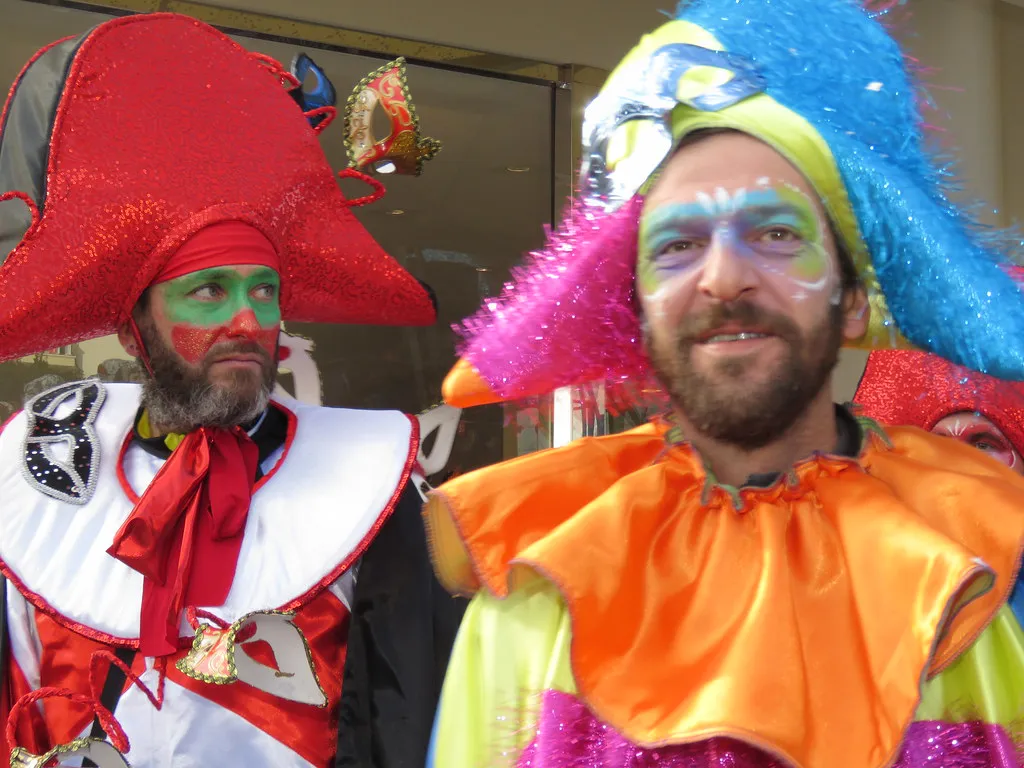
One practical warning for international visitors: the Vivatickets platform requires an Italian mobile number to complete the SMS verification step. Some visitors with non-Italian SIMs have been unable to finalise their purchase online. If this happens, do not worry — you can buy tickets in person at the main entrance in Piazza Mazzini on the day. In past editions the parade has not sold out, so purchasing on arrival is a genuine fallback. If you do buy in person, use the queue time to spot the elaborate costumes worn by fellow attendees.
The train is by far the best way to get to Viareggio on parade days. Direct trains run from Florence, Pisa, Lucca, La Spezia, and Cinque Terre. The station is only a 10–15 minute walk from the seaside promenade and the entrance. Driving is strongly discouraged by the official event organisation itself because parking in the town is extremely limited on parade days. An overflow paid car park at Piazzale Papa Paolo VI exists but fills quickly — if driving is your only option, arrive well before 14:00.
If the parade starts at 17:00, aim to be in Viareggio by around 16:30. For the last train back to Florence, check departures around 22:10 — the final fireworks typically conclude by 20:30 and the 21:10 or 22:10 trains are the most practical options for a day trip.
Viewing Strategy: Standing Tickets Beat Seated Ones
The Viareggio parade circuit is designed for movement, not for static watching. The main route stretches along Viale Regina Margherita toward Piazza Mazzini, and the experience of walking alongside the floats as they progress is entirely different from standing in one spot. Local advice is consistent: choose the standard posto in piedi (standing) ticket and walk freely along the promenade rather than occupying a fixed seat.
One alternative viewing spot worth knowing about is Via Coppino near Piazza Shelley. This side street offers a less crowded vantage point where the floats pass at closer range and there is more space to interact with the performers. It is useful for photographers or anyone travelling with a stroller who wants to avoid the densest sections of the main crowd.
The parade route is wide, flat, and generally stroller-friendly, though the crowd density increases significantly in the ninety minutes before and after the start time. Arriving at the venue 30 minutes before start gives adequate time for position scouting without the full pre-parade crush. If you want to stay for the fireworks after the final parade, factor in an extra hour and a half beyond the two-to-three hour parade duration itself.
Italy's Most Exuberant Celebrations Through a Local's Eyes
Locals know that the real magic happens during the Rioni, or neighborhood street parties. After 23:00, the quiet residential streets turn into frenzied parties for teens and adults of any age. Alcohol flows copiously and local music bands play without stopping until the early morning. These block parties offer a more authentic experience than the main commercial parades along the promenade.
Food is a major part of the local carnival tradition in Viareggio. Street trucks and stalls sell cotton candy, fried donuts, and cream-filled pastries throughout the carnival season. For a more substantial meal, traditional dishes like cacciucco — a hearty coastal fish stew — reflect the city's strong maritime heritage. Eating at a small neighborhood trattoria is often a better experience than the stalls directly on the promenade, which attract the highest prices and longest queues.
The night atmosphere is completely different from the sunny afternoon parades. Colored lights illuminate the floats, giving them a more dramatic and sometimes eerie appearance. Locals often wear simple masks or full costumes to join the neighborhood celebrations. If you want to compare styles, look at a venice carnival guide to see how Viareggio's political satire and large-scale floats contrast with Venice's emphasis on elegance and traditional masked costumes.
The Cittadella del Carnevale and What to See in Viareggio
The Cittadella del Carnevale is the working heart of the festival and one of the most interesting places to visit outside parade hours. Built in 2001 on the northern edge of town, the complex contains sixteen large hangars where float artists work throughout the year. You can watch the construction process in person during the weeks leading up to the carnival. The vast square named after Burlamacco at the centre of the complex is free to enter.
Within the Cittadella you will also find the Carnival Museum, which documents the history of Viareggio's tradition from its 1873 origins through to the present day. Educational paper-mache workshops are available for visitors who want a hands-on experience with the core craft. A bistro cafeteria operates on site. Entry to the museum and workshops requires a separate ticket from the parade admission.
The seaside promenade itself, La Passeggiata, is also worth exploring outside of parade days. It is lined with Art Nouveau and modernist buildings from the early twentieth century, including the Villa Argentina with its ceramic facade and garden. During non-parade weekends of the carnival season — and particularly in the week before the opening — the promenade fills with street performers, live music, and market stalls that give a taste of the atmosphere without the peak-weekend crowds.
If you have a non-parade day in Viareggio, a short ten-minute train ride to Pietrasanta is worth making. This small marble-sculpting town has an attractive main square, the Duomo, and numerous small art galleries. It is significantly quieter than Viareggio during carnival season and makes a good half-day contrast to the beach-city energy.
Where to Stay in Viareggio During Carnival
Staying at least one night in Viareggio during the carnival is worth considering. It allows you to attend a parade, experience the Rioni street parties that follow, and stroll the beach the morning after without the rush of catching an evening train. Hotels along the promenade face the parade route directly, which is a genuine advantage on parade days.
At the top of the market, the Principe di Piemonte is the area's most prominent five-star option, with a Michelin-starred restaurant and a rooftop infinity pool. The Hotel Plaza e de Russie, a Relais and Chateaux property, also faces the seafront promenade directly. For a mid-range option, Hotel La Pace is a three-star property overlooking the waterfront where a sea-view room gives a terrace view of the passing floats — a practical advantage if you are travelling with young children who tire quickly in a crowd. Other promenade hotels mentioned by locals for parade-adjacent positions include Eden, Bella Pace, Riviera, Pardini, and President.
Booking accommodation in advance is essential. Viareggio becomes one of the most-visited towns in Tuscany during each parade weekend and rooms sell out weeks beforehand. If the budget is tight or the town is fully booked, nearby Pietrasanta is ten minutes by train and offers cheaper accommodation with easy rail access to the parade days. This approach works well for visitors attending multiple parades across different weekends.
Family-Friendly and Budget-Friendly Options in Viareggio
Viareggio is a genuinely family-friendly carnival destination. The promenade is wide, flat, and pushchair-accessible, though the crowd density on peak parade days requires some navigation. The afternoon parades at 15:00 are the most practical choice for families with young children — the daylight makes everything easier to see and the temperature is at its mildest before the sun goes down. February in Tuscany is cool rather than cold, so a warm jacket and layers are sufficient.
Budget travelers can save meaningfully by staying in nearby Pietrasanta or Lucca and commuting by train on parade days. Packing your own snacks and a refillable water bottle also avoids the higher prices at the carnival stalls on the promenade. Public benches and open areas along the parade route provide free resting spots. The Cittadella square is free to enter and gives a feel for the carnival environment even without buying a museum ticket.
How to Plan a Smooth Viareggio Day
Arrive in Viareggio by 16:30 for a 17:00 parade start. This window gives enough time to collect tickets at Piazza Mazzini, find your starting position, and clear any secondary security checks. The best vantage points along the central section of the route fill up fast in the final forty-five minutes before start.
Wear comfortable, flat shoes because you will be standing and walking for two to three hours on the promenade's hard surface. Layers are important — the promenade can feel cold once the sun drops and the sea breeze picks up, especially at the February evening parades. A small backpack is useful for carrying your tickets, water, and a jacket. Keep valuables in a front-facing bag or money belt in the densest sections of the crowd.
Check the train schedule for your journey home before you arrive, not on the night itself. The trains to Florence and Pisa fill quickly after the parade ends. The 21:10 train is the preferred option if you want to watch the awards ceremony, and the 22:10 train covers those who stay for the full fireworks. Both trains run from Viareggio station, which is a fifteen-minute walk from the promenade.
Frequently Asked Questions
What makes Viareggio Carnival unique?
The Viareggio Carnival is unique for its massive paper-mache floats and sharp political satire. Unlike the elegant masks of Venice, Viareggio focuses on giant moving sculptures and high-energy street parties called Rioni. It is one of the best carnivals in Europe for fans of modern art and social commentary.
How much does it cost to attend Carnevale Viareggio?
Adult tickets generally cost around €22.00, while reduced tickets for children are approximately €16.50. Children under 1.20 meters tall can enter for free. You should check the official site for the most current pricing before your 2026 or 2027 trip.
Is it worth it to go to Viareggio?
Yes, it is absolutely worth visiting for the incredible craftsmanship and vibrant atmosphere. The event offers a mix of family-friendly afternoon parades and energetic night parties for adults. It provides a unique look into Italian culture and artistic tradition that you cannot find elsewhere.
The Viareggio Carnival is an unforgettable experience that blends art, humor, and tradition. Whether you watch the giant floats or join a Rioni party, the energy is unmatched. Using this Viareggio carnival guide will help you navigate the crowds with ease. Prepare for a colorful journey that showcases the very best of Italian creativity.
Make sure to book your transport and tickets early to avoid any last-minute stress. The memories of the massive paper-mache sculptures will stay with you for years. Enjoy the music, the food, and the coastal beauty of this historic Tuscan city. Viareggio awaits with one of the most spectacular shows on the planet.
Free guide: Europe's Festival Calendar
A month-by-month map of Europe's unmissable festivals — with the best dates to visit each and a local tip you won't find in the guidebooks.
You might also like



Continue reading
More guides you'll find useful