Patras Carnival Guide Travel Guide
Greece's biggest carnival: the final Sunday parade at 14:00 draws 100,000+ to Patras, then the king burns at 21:00. Book 3 months ahead and claim your spot by 11:00.
On this page
Patras Carnival Guide
The city of Patras hosts the largest and most vibrant carnival celebration in all of Greece every year. This massive event draws hundreds of thousands of visitors who come to witness spectacular parades, satirical floats, and street parties that run around the clock. Our Patras carnival guide helps you navigate the crowded streets and find the best local experiences. As one of the best carnivals in Europe, it offers a unique blend of ancient Dionysian tradition and modern party energy.
Free guide: Europe's Festival Calendar
A month-by-month map of Europe's unmissable festivals — with the best dates to visit each and a local tip you won't find in the guidebooks.
Understanding Apokries: Greece's Carnival Season
Apokries is the Greek carnival season, lasting roughly three weeks before Orthodox Lent begins. The word comes from the Greek for "away from meat," reflecting the tradition of feasting before the fasting period. From Xanthi in the north to Patras in the Peloponnese, each city expresses Apokries through masquerades, satirical parades, and local customs that stretch back centuries.
Patras is the undisputed capital of Apokries in Greece. The program typically kicks off in mid-January with an opening ceremony and runs daily until the grand parade on the final Sunday before Clean Monday. Check www.carnivalpatras.gr for the official schedule each year, as events span across the entire city. The season includes major concerts, shadow theater performances, children's events, and dozens of themed parties — well over a month of continuous programming.
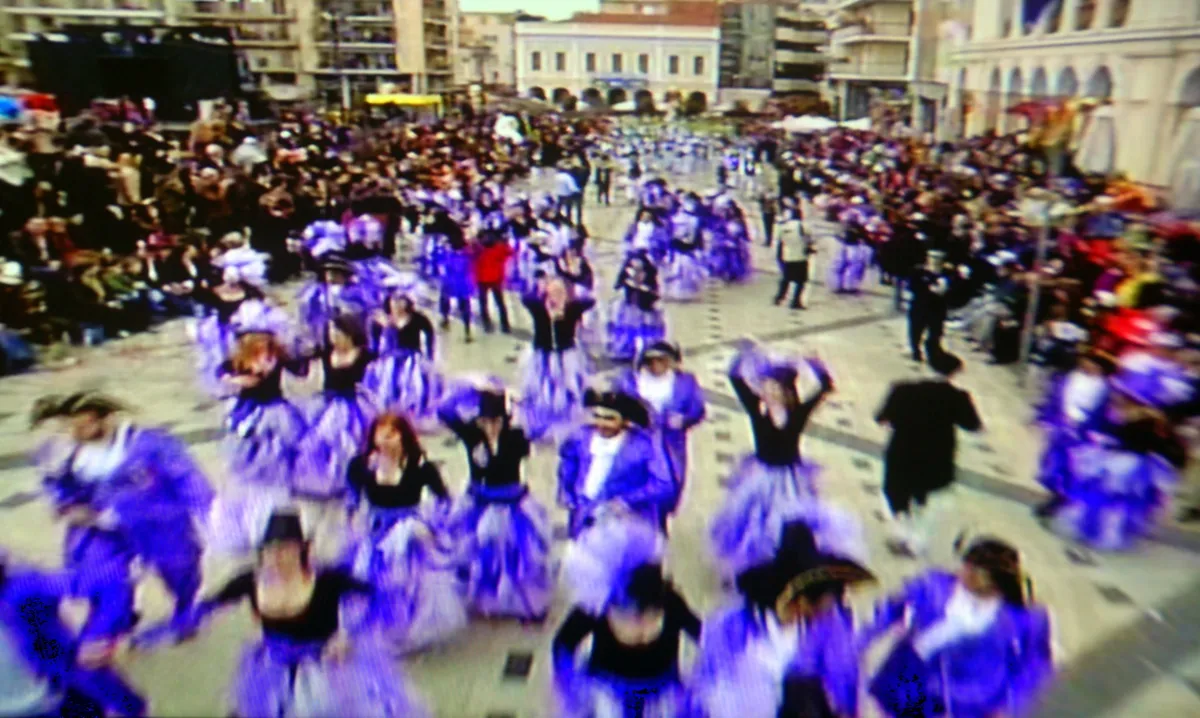
The grand parade takes place on the last Sunday at 14:00, followed by the symbolic burning of the carnival king at 21:00 on the pier of Agios Nikolaos. These two events are the emotional peak of the entire season and draw the largest crowds. Arrive in Patras by Friday at the latest if you want to experience the full build-up to Sunday.
Planning Ahead: Accommodation and Logistics
Accommodation is the most important thing to sort before anything else. Hotels in Patras fill completely months before the final carnival weekend, and prices rise sharply as the dates approach. You have two options: a room in the city center puts you in the middle of the action with no need for a car, but it is significantly more expensive and parking near the center becomes nearly impossible on peak days.
The second option is to stay in nearby mountain or coastal towns and travel in by bus or train. This keeps costs lower and gives you a quieter base, though the last trains and buses fill fast on parade night. Check the Patras carnival dates and book at least three months ahead for the final weekend if you want central accommodation at a reasonable rate.
The grand parade route runs through the main streets of the city, so plan your spot early. Georgiou A' Square is the hub of events and the site of the main concert stage — Goran Bregović has performed there in recent years on the Friday before the parade. Arriving at the square by 12:00 on Sunday gives you a strong viewing position before the 14:00 start.
The Key Streets and Where to Find the Party
The main action in Patras takes place on three central streets: Riga Feraiou, Gerokostopoulou, and Heroon Polytechniou, as well as the narrow alleys of the coastal area near the waterfront. These pedestrian-friendly zones fill with costumed revelers from midday onward during the final weekend. The classic drink you will see everywhere is mavrodafni, a sweet fortified wine from the Achaia region — picking up a bottle from a local shop and joining the street flow is the authentic Patras move.
The revelry in Patras genuinely lasts 24 hours during peak days. Bars along these streets organize their own themed events, but most of the best parties are impromptu and spread by word of mouth. Walk the streets with your ears open — midday street parties with DJs, souvlaki stands, and tsipouro shots appear and dissolve throughout the day. The after-party circuit begins well after midnight and continues until dawn.
If you want more structure, look for the White Dance and the Red Dance — two invitation-only formal events that are among the most prestigious of the season. The White Dance requires all-white attire; the Red Dance, held the night before the parade, sees the city dressed entirely in red. Tickets or invitations to these events are not publicly sold — locals obtain them through networks and carnival associations. As a visitor, your best route is to ask at your hotel or contact local travel agencies weeks in advance.
Don't Miss the Bourboulia
The Bourboulia is a uniquely Patras tradition with no equivalent anywhere else in Greece. These are afternoon dances where women wear long black robes and black masks — the domino costume — while men dress in formal attire. The anonymity is the point: women choose their dance partners from behind their masks, creating an atmosphere of mystery and flirtation that echoes the masquerade traditions dating back to the 1870s.
The event is tied directly to the Apollon Municipal Theatre on Georgiou Square, built by Ernst Ziller around 1872, where the original Bourboulia were held. Today's events may move between venues, but the tradition remains alive as one of the oldest continuous carnival customs in the city. It provides a complete contrast to the loud street parties — elegant, theatrical, and rooted in local social history.
The Bourboulia events are ticketed and tend to sell out. Check the official carnival program at carnivalpatras.gr for exact dates and venues for the current year. If you can attend even one session, it gives you a window into the refined side of the Patras carnival that most international visitors miss entirely.
Smoky Thursday (Tsiknopempti) in Patras
Tsiknopempti, or Smoky Thursday, falls two weeks before Clean Monday and marks the last great meat-eating day of the Apokries season. In Patras, the city transforms as locals set up barbecues on every street corner and the air fills with the smell of grilling pork and lamb. It is one of the most spontaneous and joyful days of the entire carnival — outdoor parties erupt everywhere, and strangers share food freely.
This is a day where the street-level energy often exceeds even the grand parade in terms of sheer warmth and community feeling. The best way to experience it is to wander the central streets without a fixed plan and follow the smoke. Street vendors serve souvlaki for under €3, and the impromptu parties need no ticket. It is the day the city belongs entirely to its residents, and visitors who arrive early enough to join a neighborhood gathering are welcomed immediately.
Where to Eat During the Carnival
With hours of walking and dancing, you will need to eat well. Street food is excellent and affordable — the go-to options are souvlaki from Cheiropoieto Souvlakopoleio at Riga Feraiou 139, pizza from Mama Pizza at Gerokostopoulou 30A, and sandwiches from Riga at Agiou Andrea 17. These places are well-known to locals and keep feeding the carnival crowds long into the night.
For a proper sit-down meal, Argo at Iroon Polytechniou 78 is a family-run seafood restaurant with 20 years of experience. The lobster pasta, octopus, and fresh fried potatoes are the standouts. Salumeria at Pantanassis 27 is a Mediterranean aperitivo bar with bolder, more contemporary dishes — octopus carpaccio with lemon oil and dry-aged beef steak are worth the price. For traditional Greek comfort food served since 1935, Labyrinth at Poukevil 44 (known locally as Antypa's Taverna) dishes up stuffed cabbage rolls, goat with ladolemono sauce, and cheese pies with anthotyro cheese.
Most restaurants near the parade route stay busy until very late during carnival weekend. Eating before 13:00 or after 20:00 is the easiest way to avoid long waits for a table. Budget roughly €15–25 per person for a full meal at a mid-range restaurant, plus drinks.
Where to Drink: The Best Bars in Patras
Terminale, on the Pantanassis pedestrian street, is designed to look like a New York subway station and serves coffee from morning to cocktails until late. It books well-known DJs throughout the carnival season and runs Greek rock music every Sunday. Bocas at Riga Feraiou 39 is a wine cellar focused on Greek labels — a good stop if you want to try local wines beyond mavrodafni.
Lotos at Sissini 2 runs an extensive cocktail list and organizes its own carnival events during the peak weekend. Notos at Patreos 80 is Patras' established jazz bar with live music nights throughout the season. For a livelier atmosphere, Trelli Rodia at Karaiskaki 156 is warm and Parisian in feel, while Sofita at Ermou 17 is more industrial and modern — the kind of place the younger carnival crowd gravitates toward after midnight.
Tessera at Patreos 69A rounds out the list as a classic cocktail bar with vintage decor and a good food menu. The bars along Riga Feraiou and the coastal alleys do not close during carnival weekend — pace yourself across the evening rather than staying in one place, as the energy in each venue shifts throughout the night.
Family-Friendly Carnival Options and Budget Tips
Families will find plenty of joy in the Children's Carnival, which features its own dedicated parade and events. Thousands of young children dress up in creative costumes to march through the streets safely. The atmosphere is lighter and more focused on play than the late-night adult parties. Check the Patras carnival dates to ensure you catch the specific kids' parade, which typically takes place the weekend before the grand finale.
Budget travelers can enjoy the festivities without spending much money on tickets or entry fees. The grand parade and most street performances are completely free to watch from the sidewalk. You can buy affordable snacks like souvlaki or corn on the cob from street vendors for €2–4. Finding a spot along Riga Feraiou or Georgiou Square early on Sunday morning ensures a great view of the floats without paying anything.
The one cost that catches visitors off guard is drinks at bars during peak days, which can be 30–40% higher than normal due to demand. Buying a bottle of mavrodafni from a local mini-market and drinking it on the street is completely accepted practice during Apokries and costs a fraction of the bar price. Most of the genuine carnival experience costs nothing — the energy is entirely on the streets.
Historic Landmarks to See Between Events
The Saint Andrew Church stands as the largest Orthodox church in Greece and a major landmark visitors should not miss during their stay. Its impressive domes and intricate interiors offer a quiet moment away from the loud carnival music. Many travelers enjoy walking through the Upper Town to see the old houses and narrow streets that predate the modern city entirely.
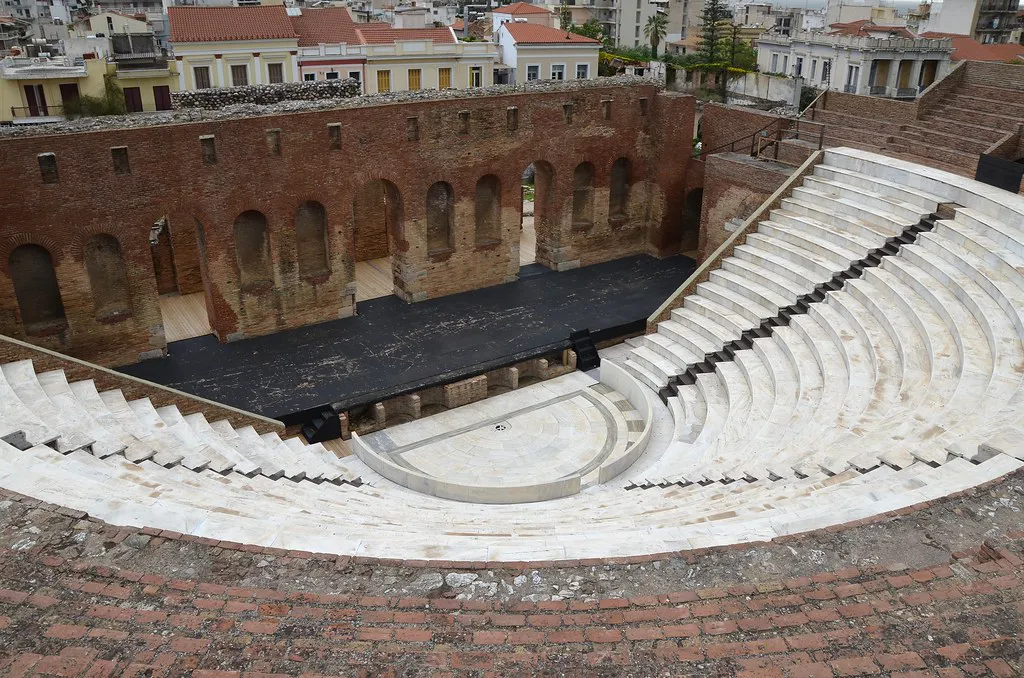
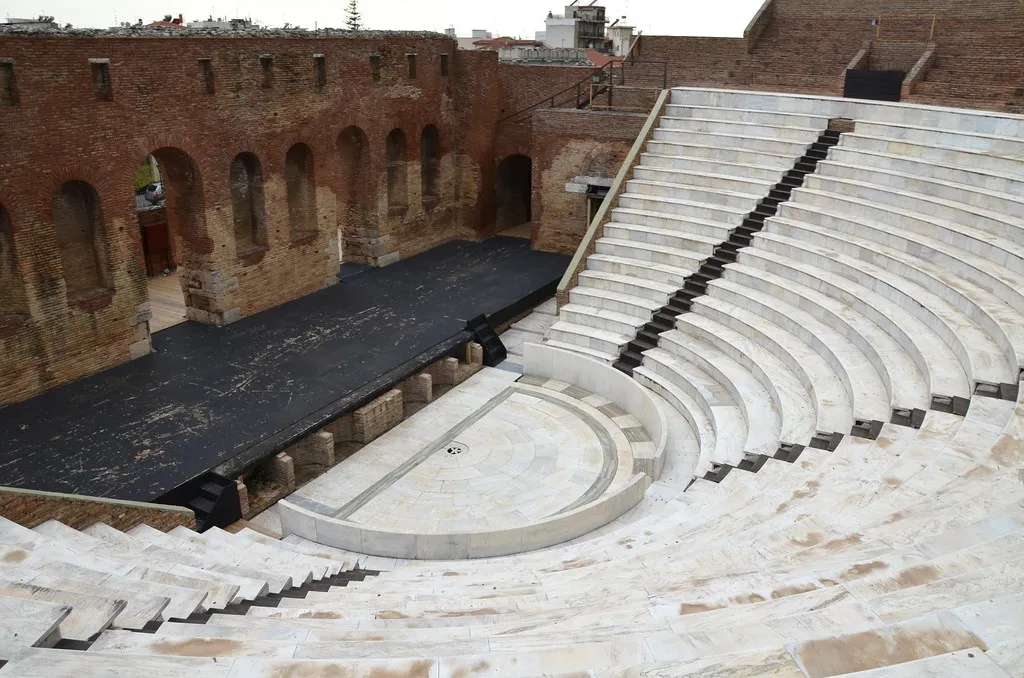
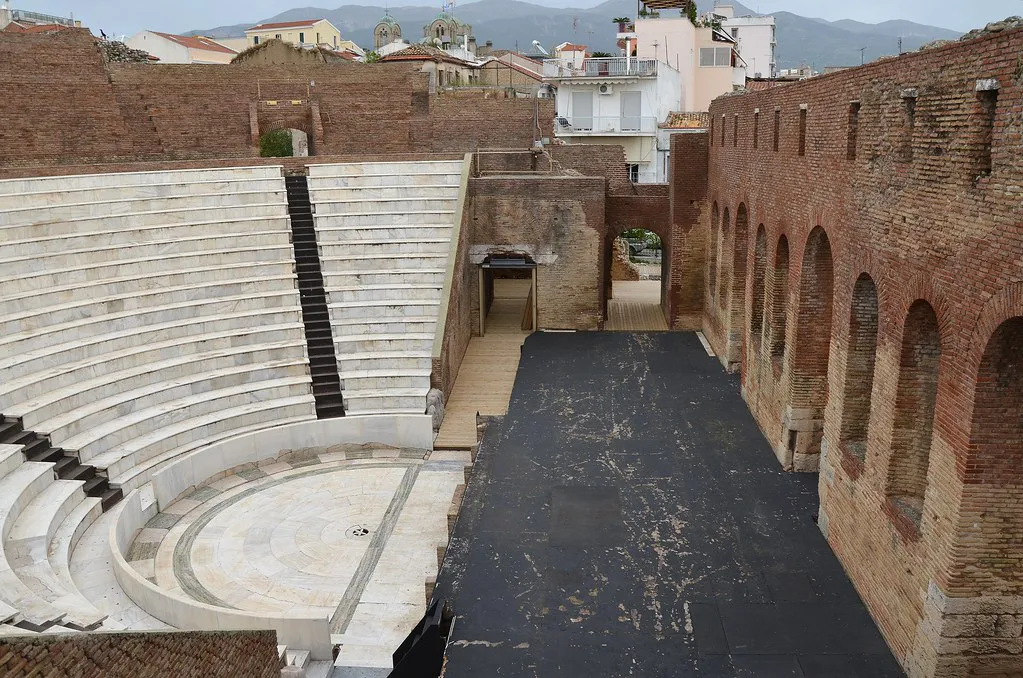
The Medieval Castle of Patras provides the best panoramic views of the city and the sea. Climbing up to the fortifications lets you see the scale of the carnival crowds from above on parade day — an unusual and rewarding perspective. This site is free to enter and serves as a perfect spot for photography. The Roman Odeon nearby still hosts performances and remains a living reminder of the ancient roots of the area. The Archaeological Museum of Patras at the northern entrance of the city houses Mycenaean and Roman collections under its distinctive metallic dome — a good morning activity before the afternoon parade begins.
How to Approach the Carnival as a First-Time Visitor
Plan for the most beautiful carnivals in Europe and you will likely put Patras near the top. The scale here is unlike most European carnivals — the final Sunday parade can draw over 100,000 people in a city of 200,000 residents. Wear comfortable shoes, dress in a costume if you want to blend in (locals will absolutely expect it), and carry only what you need in a front-facing bag.
The one mistake first-time visitors consistently make is underestimating how far in advance they need to book accommodation and how early they need to claim their street position on parade day. Arriving at Georgiou Square after 13:00 on the final Sunday means standing three or four rows back from the float route. A spot claimed by 11:00 puts you at the railing. Bring water, sunscreen, and a light snack — the parade can last three hours before the floats pass your position.
The carnival workshops where the giant satirical floats are built are scattered around the city and are occasionally open for visits in the weeks before the parade. These visits show you the months of work behind each float — some take six or eight months to construct — and provide a very different angle on what the parade actually represents. Ask at the tourist information office or check Nice carnival guide comparisons to understand how Patras' float-building tradition stands apart from other European festivals.
Frequently Asked Questions
When is the best time to visit for the Patras carnival?
The best time to visit is during the final weekend of the carnival season. This is when the grand parade and the closing ceremony take place. You should arrive by Friday to experience the full energy of the street parties. Check the Viareggio carnival guide for other timing ideas.
Is the Patras carnival safe for children?
Yes, the carnival is generally safe for children, especially during the dedicated Children's Carnival events. These daytime parades are designed for families and have a very friendly atmosphere. However, the late-night street parties in the city center can get very crowded and loud. It is best to stay in the quieter areas during the evening hours.
How much does it cost to attend the carnival in Patras?
Attending the street parades and public events is completely free for everyone. You only need to pay for your own food, drinks, and any private ball tickets you wish to buy. Accommodation is the largest expense, as prices rise significantly during the festival. Booking early is the best way to save money on your trip.
The Patras carnival guide highlights why this Greek city is a premier destination for festival lovers. From the historic Bourboulia dances to the wild energy of the grand parade and the spontaneous feasting of Smoky Thursday, there is something for every traveler. Make sure to plan your logistics early and claim your spot on the parade route ahead of time. Experience the largest carnival in Greece and create memories that will last a lifetime.
Free guide: Europe's Festival Calendar
A month-by-month map of Europe's unmissable festivals — with the best dates to visit each and a local tip you won't find in the guidebooks.
You might also like


Continue reading
More guides you'll find useful