
Venice Carnival Is It Worth It Travel Guide
Is Venice Carnival worth it in 2026? Masquerade balls run 300 to 2,500 euros, peak mid-February crowds are brutal, so visit Tuesday to Thursday.
On this page
Venice Carnival Is It Worth It
Yes, but only if you enjoy high-energy crowds and theatrical atmosphere. The best alternative for a more relaxed vibe is the Viareggio Carnival. Last updated June 2026. This guide explores whether the high costs match the magical atmosphere.
Part of our Best Carnivals In Europe series.
Venice transforms into a living 18th-century stage during the two weeks before Lent. Costumed locals and tourists fill the narrow calli with elaborate silk and lace. While the visuals are stunning, the logistical hurdles can be significant for many. Knowing the specific costs and crowd patterns is essential for a good trip.
Free guide: Europe's Festival Calendar
A month-by-month map of Europe's unmissable festivals — with the best dates to visit each and a local tip you won't find in the guidebooks.
Is the Venice Carnival Worth It?
The value of the Venice Carnival depends heavily on your tolerance for dense crowds. Most visitors find the 11 am Flight of the Angel crowd in San Marco overwhelming. Arriving by 9 am is necessary to secure a decent viewing spot. The visual payoff of hundreds of masks against Gothic architecture is truly unique.
Yes, the Carnival is worth it — but only for those who book early and embrace the chaos. It is best for photographers, history buffs, and luxury travelers seeking exclusive gala events. Skip it if you dislike being shoulder-to-shoulder with thousands of people in narrow alleys. The Nice Carnival offers better weather and more organized parade seating as an alternative.
- Pros — why the spectacle is unmatched:
- Incredible photo opportunities at every corner
- Access to historic palaces for private balls
- Unique 18th-century atmosphere throughout the city
- Free public performances in Saint Mark's Square
- Museums stay open until 22:00 nightly during Carnival
- Cons — the challenges of visiting:
- Extreme overcrowding in the San Marco district
- High seasonal prices for hotels and dining
- Difficult navigation with strollers or wheelchairs
- Many restaurants require reservations weeks in advance
- Frequent winter rain and high tide (acqua alta) risks
Carnival in Venice: The Event
The Venice Carnival (Carnevale di Venezia) is one of the oldest festivals in the world, with origins traced back to as early as 1094. It started as a celebration of Venice's victories and grew into a city-wide festival tied to the Catholic calendar. The event runs for approximately two weeks before Lent, ending on Shrove Tuesday (Martedì Grasso). Although rooted in religion, it has evolved into a purely cultural and historical spectacle that draws visitors from every continent.
The festival officially opens with La Festa Veneziana sull'acqua, a water parade on the Canal Grande during the pre-carnival week. This opening procession sets the theatrical tone for everything that follows. The city organizes a daily Costume Parade on Piazza San Marco throughout the event. Public events are free to attend; the private masquerade balls require tickets booked well in advance.
The most important public moments on the Carnival calendar include the Feste delle Marie procession (from San Pietro di Castello to Piazza San Marco), the Water Show in the Arsenale (running every day from the first Friday of Carnival), and the climactic final-day contest of the most beautiful mask on Piazza San Marco. The Flight of the Angel and Flight of the Eagle — the crowd-drawing aerial stunts — have been cancelled in recent years due to renovation works; check the official program before assuming they will run in 2026 or 2027.
What Happens During a Venetian Masquerade Ball?
Formal masquerade balls are the heart of the luxury experience in Venice. All the main balls follow a near-identical structure: aperitivos and welcome drinks, a seated multi-course dinner with entertainment (magicians, acrobats, opera, and live music reflecting the Renaissance period), followed by an after-party with a DJ or period minuet dancing. Guests are seated at tables of eight to ten. Period costumes are mandatory at dinner; most organizers allow black tie with a mask at the after-party. Formal balls start around 20:00; after-party guests arrive around 23:00 when the dining room transitions to the dancefloor.
Ticket prices for a Venetian Masquerade Ball vary wildly by venue. After-party entry starts around €300 per person. The Ball of Dreams and the Grand Ball Carnival in Love at Palazzo Ca'Zen ai Frari average around €700. Back-row seats in the main salon of the most exclusive events — such as the Doge's Ball on the last Saturday of Carnival — start at €2,500. For a more affordable and logistically easier option, the Glass Slippers Ball on the Friday of the final weekend takes place at a converted cathedral on the island of Murano, just 15 minutes by waterbus.
Renting a costume adds another layer of cost to your evening plans. Expect to pay between €400 and €800 for a high-quality historical outfit. If you book with Sogno Veneziano Atelier, you will receive an order number; exchange this number in person at their studio near San Marco to collect your entrance ticket. Their collection requires an appointment for fitting, so contact them several months before the festival.
- Typical ball inclusions:
- Multi-course Venetian gala dinner
- Welcome cocktails and prosecco
- Historical dance performances and entertainment acts
- Live orchestral music and opera
- Late-night DJ sets or minuet dancing for after-parties
What Do Venetian Masks Symbolize?
The history of Venetian masks dates back to the 13th century. These disguises allowed citizens to bypass strict social hierarchies and laws. A masked person played a role — and crucially, could not be arrested. The Bauta mask, with its protruding chin, even allowed users to eat and drink easily, which made it the practical choice for gambling dens and secret encounters. From the mid-17th century, masks became a symbol of social freedom: they let wearers date across class lines, cross-dress, and behave in ways forbidden in ordinary Venetian life.
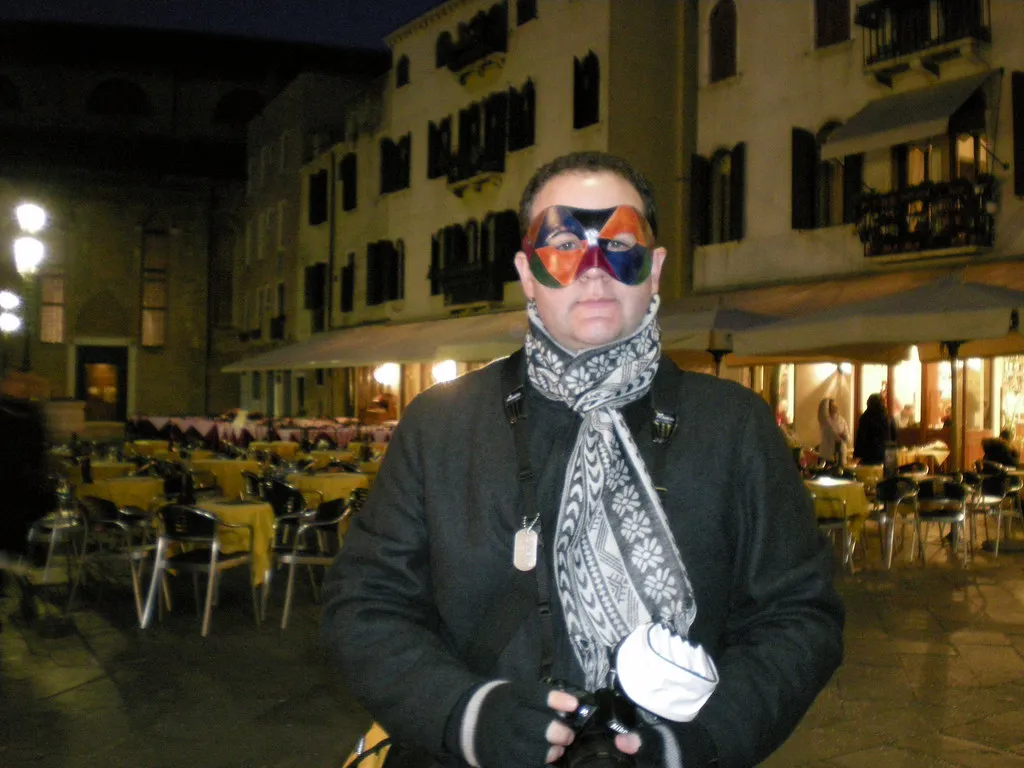
Authentic masks are made of papier-mâché rather than cheap plastic or ceramic. A handmade mask from a local artisan usually costs between €50 and €300. Avoid the €10 stalls near the train station if you want a real souvenir. If you rent a costume, note that a mask is never included for hygienic reasons — budget separately. Check the best places to buy masks for artisanal workshop recommendations.
- Common mask types:
- Bauta: the classic white full-face mask with protruding chin
- Medico della Peste: the long-beaked plague doctor
- Colombina: a decorated half-mask traditionally for women
- Arlecchino: the colorful, mischievous joker mask
- Moretta: an oval black velvet lady's mask
- Gagna: historically worn by cross-dressing men
What to Wear: Costume and Dress Code
The standards for Venetian Carnival costumes are high. Walking around in a generic costume — a nurse, a farmer, a superhero — will make you feel out of place. Most participants dress in Renaissance or Baroque style, or creative fantasy and cosplay interpretations. Handmade costumes from local ateliers are the benchmark; some elaborate pieces take months of work and must be reserved several months in advance. If you want to rent, contact ateliers by autumn for the following February.
For the masquerade balls, dress codes are strict: historical costume with a full mask is required for dinner. Most organizers permit black tie or formal gala dress with a mask for the after-party portion. If you are not attending a ball, there is no obligation to dress up at all. Many visitors simply wear a Venetian tricorn hat or a single mask. A thoughtful mask is always better than an underdressed costume.
When to Visit: The Crowd Calendar
The busiest times are always the two weekends during the festival period. Saturdays and Sundays see a massive influx of day-trippers from mainland Italy. Vaporettos become extremely crowded, and walking through San Marco is slow. Plan your visit for Tuesday through Thursday to find shorter restaurant queues.
February is the primary month for Carnival, though dates shift annually. For 2026, the peak festivities occur in the middle of the month. The opening water parade in Cannaregio is a must-see for a local vibe. Check the official dates before booking your flights.
- Crowd density by period:
- Opening Weekend: Very High (parades and photo crowds)
- Mid-Week (Mon–Wed): Moderate (best for sightseeing)
- Fat Thursday (Giovedì Grasso): High (major events)
- Final Weekend: Extreme (maximum attendance)
- Shrove Tuesday: Very High (closing ceremonies)
Accessibility and Practical Considerations
Venice is one of the least accessible cities in Europe. Uneven stone streets, hundreds of steep canal bridges, and unpredictable dead-end routes make wheelchair and stroller navigation genuinely difficult. Rialto Bridge is one of the most significant obstacles. There is no practical way to guarantee a wheelchair-friendly route through the historic centre without encountering at least some steep bridge crossings.
The best strategy for visitors with reduced mobility is to rely on the vaporetto (waterbus) network as much as possible, or to hire a water taxi for point-to-point transfers. A handful of hotels near vaporetto stops advertise accessible rooms; contact them directly to confirm the exact access conditions before booking. The Glass Slippers Ball on Murano is worth considering as a ball alternative: the island is reachable in 15 minutes by waterbus, the converted cathedral venue is flat, and ticket prices are more accessible than the main Palazzo events.
The Carnival is not ideal for families with pushchairs. Narrow calli fill to the point where progress is measured in metres per minute on peak days. Those travelling with young children should target mid-week mornings in Cannaregio or Dorsoduro rather than San Marco, where crowd control is tightest.
Day Trip vs. Stay Overnight
Staying overnight is the only way to truly enjoy the Carnival atmosphere. Day-trippers often miss the quiet, misty mornings when costumed characters pose alone on empty bridges. The city feels completely different after the last trains depart for the mainland. Early mornings before 09:00 offer the best photography conditions and the fewest crowds.
Commuting from Mestre or Padua during Carnival can be exhausting. Trains are frequently packed, and vaporetto lines can take over an hour in peak periods. A hotel in the historic centre allows for costume changes and mid-day rests. Reserve your hotel room at least six months in advance; San Marco fills first and commands the highest premiums. Quieter and more affordable alternatives include the east side of Castello, Dorsoduro, and the island of Giudecca — all within 15–20 minutes of the main event spaces by foot or waterbus.
- Overnight stay benefits:
- Early morning photography without crowds
- Late-night access to palace balls and after-parties
- Ability to rest during peak afternoon congestion or rain
- Easier costume management and storage
- Authentic evening atmosphere in local wine bars (cicchetti and prosecco)
Frequently Asked Questions
How crowded is Venice during Carnival?
Venice is extremely crowded, especially on weekends and during major events like the Flight of the Angel. Expect shoulder-to-shoulder conditions in the San Marco district. Mid-week visits offer a much more manageable experience for sightseeing.
What is the entry price of a Venetian Masquerade Ball?
Tickets typically range from €300 for after-parties to over €5,000 for VIP salon seating. Average dinner-and-dance packages cost around €700. These prices usually do not include the mandatory costume rental.
Is Carnival in Venice a religious event?
Yes, it is traditionally a Catholic festival held before the fasting period of Lent. It concludes on Shrove Tuesday, known as Martedì Grasso. Today, it is celebrated more as a cultural and historical spectacle.
Visiting Venice for more than one festival? See our complete guide to festivals and events in Venice.
The Venice Carnival is a bucket-list experience that requires careful logistics and a healthy budget. While the crowds are intense, the sight of the city in full masquerade is unforgettable. Focus on mid-week visits and book your palace events well in advance. Check our complete Venice Carnival guide for more detailed planning tips.
Free guide: Europe's Festival Calendar
A month-by-month map of Europe's unmissable festivals — with the best dates to visit each and a local tip you won't find in the guidebooks.
You might also like


Continue reading
More guides you'll find useful


