10 Most Beautiful Carnivals in Europe (2026)
Discover the 10 most beautiful carnivals in Europe for 2026. Get expert tips on Venice, Nice, and Cologne for a magical winter festival experience.
On this page
10 Most Beautiful Carnivals in Europe (2026)
Our editors have navigated the confetti-strewn plazas and historic canals of the continent for over a decade. Last updated April 2026, this guide highlights the most visually stunning celebrations across Europe this year. We focus on authentic traditions that transform entire cities into living theaters of art and history.
Europe's carnival season offers a unique glimpse into local heritage before the quiet of Lent begins. From the silent masks of Italy to the citrus sculptures of France, these events define winter travel. Planning for these best carnivals in Europe requires early action and local insight.
Free guide: Europe's Festival Calendar
A month-by-month map of Europe's unmissable festivals — with the best dates to visit each and a local tip you won't find in the guidebooks.
Is a European Carnival Trip Worth It?
Traveling during the carnival season provides a sensory experience that standard sightseeing simply cannot match. The streets erupt in color and music, offering a deep dive into centuries-old folklore and community spirit. We believe the cultural depth justifies the higher accommodation prices found in major hub cities.
Visitors should prepare for significant crowds and a faster pace of life in festival zones. Popular events like the Venice Carnival guide destinations often require restaurant reservations weeks in advance. Managing expectations about personal space is essential for enjoying the rowdy street parades and performances.
Winter weather in Europe can be unpredictable, ranging from sunny Mediterranean afternoons to biting Rhine winds. Layered clothing and waterproof footwear are mandatory for anyone planning to stand outside for hours. The festive energy usually keeps spirits high even when the temperatures drop near freezing.
10 Most Beautiful Carnivals in Europe (2026)
The following selections represent the pinnacle of European artistry and traditional revelry for the upcoming season. We have chosen these locations based on their visual impact, historical significance, and overall visitor accessibility. Each destination offers a distinct flavor of celebration that reflects its unique regional identity.
Many of these festivals date back to the Middle Ages or the Renaissance era. According to en.Wikipedia.org, these traditions often merge pagan spring rites with Christian calendars. This blend creates a diverse atmosphere where ancient myths meet modern artistic expression.
Prices for tickets and events vary wildly depending on the city and the level of luxury. We recommend checking official tourism boards for the most current schedule of free street events. Most major parades occur in the two weeks leading up to Shrove Tuesday each year.
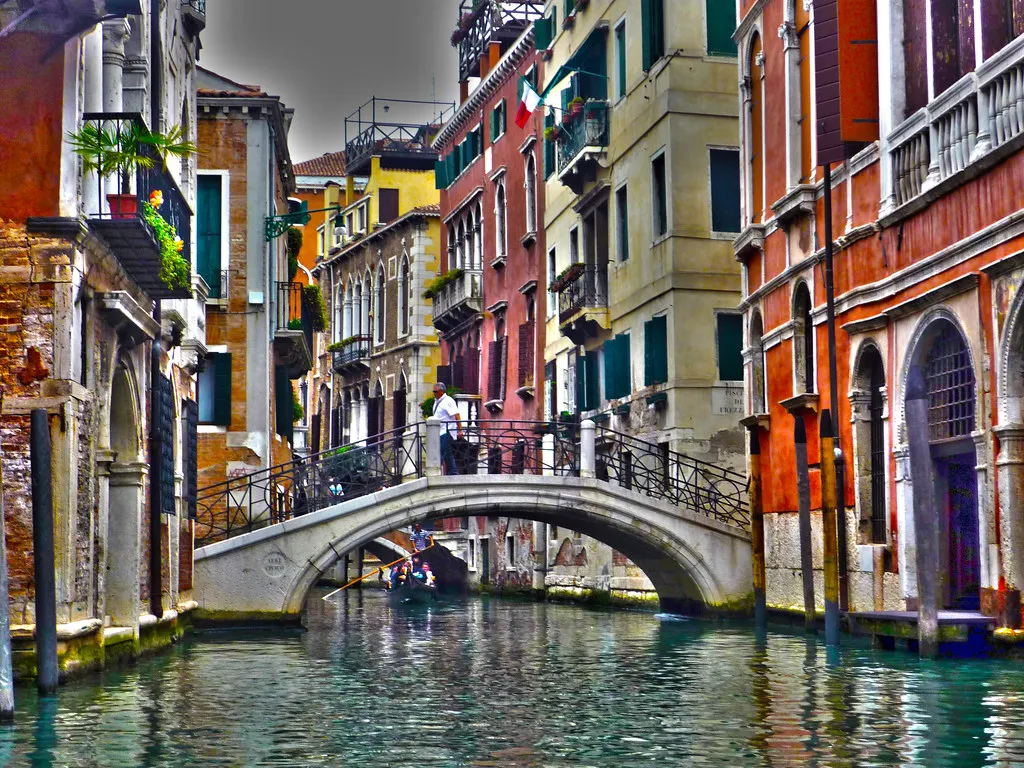
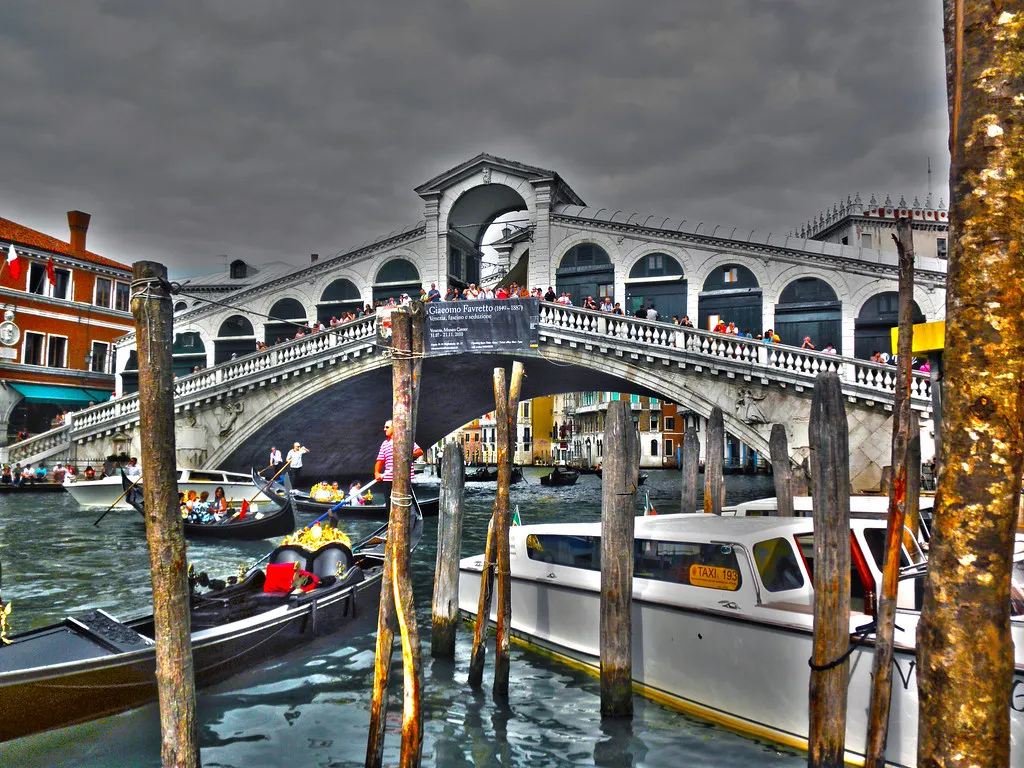
- The Carnival of Venice in Italy
- This iconic celebration features stunning 18th-century costumes and handcrafted masks throughout the historic city center.
- Street performances are free, but grand masquerade balls typically cost between €400 and €800 per person.
- Most events run from 10am to midnight daily in the weeks leading up to Ash Wednesday.
- We recommend exploring the Cannaregio district for the water parade to avoid the heaviest San Marco crowds.
- Nice Carnival on the French Riviera
- The Nice Carnival guide highlights massive floats and the famous Flower Battle parades along the coast.
- Reserved seating for parades costs roughly €26, while standing areas in Zone B are about €5 to €10.
- Parades typically occur on Tuesday, Friday, and Sunday afternoons or evenings throughout the two-week festival period.
- Wear a full costume to potentially gain free entry to the standing areas during certain parade sessions.
- Santa Cruz de Tenerife Carnival in Spain
- Known as the second most popular carnival globally, this event features high-energy samba music and glittering queen galas.
- Most street parties are free to join, though gala tickets range from €15 to €40 and sell out fast.
- The main events happen outdoors and often continue until the early morning hours under the warm island sun.
- Book your ferry or flights from mainland Spain at least four months early to secure reasonable prices.
- The Cologne Carnival in Germany
- This massive street festival officially begins on November 11th but peaks during the Crazy Days in February.
- Access to the city streets is free, though entrance to indoor brewery parties usually costs €20 to €35.
- The Rose Monday parade is the highlight, starting around 10am and lasting for several hours across the city.
- Learn a few local carnival songs in the Kölsch dialect to truly bond with the friendly local revelers.
- Basel Fasnacht in Switzerland
- Switzerland's largest carnival starts with the Morgestraich, a dark parade of lanterns through the city at 4am.
- The event is free to watch, but visitors are encouraged to buy a carnival badge for €10 to €100.
- Festivities run for exactly 72 hours, starting the Monday after Ash Wednesday with strict timing and traditions.
- Respect the local rule of not wearing costumes if you are just a spectator during the lantern parade.
- The Carnival of Binche in Belgium
- Recognized by UNESCO, this festival features the mysterious Gilles characters who throw oranges at the gathered crowds.
- Watching the parades is free, but the town gets extremely crowded and reaches capacity by early afternoon.
- The main activities occur from Shrove Sunday to Shrove Tuesday, following a very specific and ancient ritual.
- Avoid wearing fancy clothing as the flying oranges can be messy during the final day of the celebration.
- Viareggio Carnival on the Tuscan Coast
- This Italian festival is famous for its massive allegorical floats that often feature satirical political figures.
- Individual parade tickets cost approximately €22 per adult, with discounts available for children and larger groups.
- Parades usually take place on several Sundays throughout February along the city's scenic seaside promenade.
- Arrive at least two hours before the parade starts to find a good viewing spot along the barriers.
- Cádiz Carnival in Southern Spain
- This event is defined by its clever musical groups called chirigotas that perform satirical songs in the streets.
- The street performances are entirely free, making it one of the most budget-friendly major carnivals in Europe.
- Celebrations last for ten days, with the most intense energy found on the first Saturday and Sunday nights.
- We suggest staying in nearby Jerez and taking the train to Cádiz to avoid overpriced local festival hotels.
- Ivrea Historic Carnival in Italy
- This unique festival features the famous Battle of the Oranges, where teams pelt each other with citrus fruit.
- Spectators must pay a small entry fee of around €15 to enter the town center on battle days.
- The battles take place in the afternoons from Sunday to Tuesday, following a morning of historical parades.
- Wear a red hat to signal that you are a non-combatant and should not be targeted with oranges.
- Fête du Citron in Menton France
- This citrus-themed festival features incredible sculptures made entirely of lemons and oranges in the Biovès Gardens.
- Combined tickets for the gardens and the Golden Fruit Parade cost roughly €25 to €30 per person.
- The gardens are open daily from 10am to 6pm, while parades occur on specific Sunday afternoons and evenings.
- Visit the gardens during the evening 'Gardens of Light' sessions for a magical view of the glowing sculptures.
Las Fallas and Other Fire Festivals Worth Knowing
Las Fallas in Valencia, held each year from 15 to 19 March 2026, is one of Europe's most spectacular and least talked-about carnival-adjacent festivals. The streets fill with ninots — enormous papier-mâché sculptures, some standing five stories tall — that satirize politicians, celebrities, and everyday life with biting wit. On the final night of La Cremà, nearly all of them are set alight simultaneously in a city-wide bonfire that generates so much heat you can feel it a block away.
The festival is free to attend at street level, which makes it one of the best-value major events in Europe. Daytime processions of falleras in traditional silk gowns and fallers in period dress parade through the barrios, while the Mascleta firecracker display at 14:00 in Plaza del Ayuntamiento is compulsory viewing. Book accommodation in Valencia at least three months out; the city fills entirely by the 17th and prices rise sharply.
Kurentovanje in Ptuj, Slovenia runs in late February — in 2026 it peaks around 22 February — and is one of the oldest carnival traditions in Central Europe. The Kurent, a fearsome figure covered in sheepskin and bells, parades through the streets to drive away winter spirits. This is an almost completely untouristy experience compared to Venice or Cologne: crowds are manageable, hotels are affordable, and the atmosphere feels genuinely communal rather than staged for visitors.
European Carnival Calendar 2026: When Each Festival Falls
Carnival dates shift each year because they track back from Ash Wednesday, which in 2026 falls on 18 February. This means Shrove Tuesday, the climax of most carnivals, lands on 17 February 2026. Venice Carnival runs 31 January to 17 February; Nice Carnival runs 14 February to 1 March (it extends past Lent into the Lemon Festival period). Cologne's Crazy Days begin on Weiberfastnacht, 12 February, and end on Ash Wednesday. Basel Fasnacht starts the Monday after Ash Wednesday — 23 February 2026 — and runs for precisely 72 hours until 26 February.
Santa Cruz de Tenerife builds momentum through late January and early February, with the Queen Gala typically in the first week and the main parades on the final weekend before Shrove Tuesday. Cádiz runs parallel — roughly 6 to 15 February 2026 — with the opening parade on a Friday night. Ivrea's Battle of the Oranges takes place over the final Sunday, Monday, and Tuesday before Ash Wednesday: 15, 16, and 17 February 2026. Las Fallas, by contrast, is a spring festival on fixed dates: 15–19 March every year, making it an easy standalone trip.
If you want to combine two festivals in one trip, the geography works in your favor. Venice and Ivrea are 90 minutes apart by train, so you can split days between them during the same week. Nice and Menton sit 30 minutes apart on the same rail line, and the Fête du Citron in Menton overlaps with the Nice Carnival period. Basel, Cologne, and Düsseldorf form a loose Rhine triangle reachable within a few hours of each other.
Which European Carnival Suits Your Travel Style
For first-timers who want maximum visual impact with minimal planning, Nice is the easiest entry point. Reserved seating is inexpensive, English is widely spoken along the Riviera, and the Flower Battle on the Promenade des Anglais is genuinely unlike anything else in Europe. Families with young children consistently find it the most manageable of the major carnivals because the daytime programme is substantial and the venue layout predictable.
Travelers who prioritize authenticity over spectacle should look at Cádiz or Kurentovanje in Ptuj. Cádiz is almost entirely free, operates on a late Spanish schedule — the best chirigotas performances begin after 22:00 — and draws very few non-Spanish tourists outside the opening weekend. Ptuj in Slovenia requires more logistical effort to reach from Western Europe, but it rewards you with a living folklore tradition that has not been packaged for export. Accommodation costs in both cities are a fraction of Venice or Tenerife.
Those willing to spend for a once-in-a-lifetime experience should target Venice for the costume balls or Santa Cruz de Tenerife for the sheer scale of the street parties. Venice's Carnevale is the most photographed carnival on Earth for good reason, but the free parts — wandering the calli at dusk with masked figures emerging from every sotoportego — are as memorable as anything you could pay for. Tenerife delivers a heat and energy that no mainland carnival matches in February, with samba rhythms continuing until dawn across the entire city centre.
What to Skip: Overrated Festival Experiences
While the allure of a private masquerade ball in Venice is strong, we often find them overpriced for the value. Many of these events cost hundreds of euros but offer mediocre catering and very crowded dance floors. The real magic of the Venice Carnival is it worth it debate lies in the free street theater.
We also suggest skipping the main grandstands in cities like Cologne if you are on a tight budget. Standing with the locals along the side streets often provides a more authentic and energetic experience than a plastic chair. You will save money and have more freedom to move between different musical performances and food stalls.
Avoid buying cheap, mass-produced masks from street stalls that are clearly imported rather than locally made. These items lack the artistry of genuine pieces and often fall apart before the festival even ends. Support local artisans by visiting workshops like those found in our Venice Carnival masks guide.
Planning Your 2026 Carnival Logistics
Successful carnival trips require booking your accommodation at least six to nine months in advance. Prices in cities like Venice or Santa Cruz de Tenerife can triple during the peak festival weekends. We recommend looking for apartments slightly outside the historic centers to find better rates and more space.
Public transportation often operates on modified schedules or faces significant delays due to parade route closures. Check the local transit authority websites for 'Carnival Specials' which might include extra late-night trains or buses. Walking is usually the fastest way to get around, so choose a central base if your budget allows.
According to Ricksteves.com, understanding the specific 'rites of spring' for each region enriches the visit. Respecting local customs, such as when it is appropriate to throw confetti, helps maintain a positive atmosphere. Always carry some small change in local currency for street food and public restroom access fees.
Frequently Asked Questions
Where is the best carnival in Europe for families?
The Nice Carnival in France is excellent for families due to its organized seating and daytime parades. The Flower Battle is particularly popular with children. Most events are well-policed and easy to navigate with strollers.
Which countries have the most traditional carnivals?
Italy, Spain, and Belgium hold some of the most traditional events. The Carnival of Binche in Belgium and Basel Fasnacht in Switzerland are famous for their strict historical rituals. These festivals prioritize heritage over modern commercialism.
Is it necessary to wear a costume to a European carnival?
Costumes are not mandatory for spectators but highly encouraged to enhance the experience. In cities like Cologne and Venice, dressing up helps you blend in with the locals. Some events even offer free entry to costumed visitors.
Visiting Europe for more than one festival? See our complete guide to festivals and events in Europe.
Attending the most beautiful carnivals in Europe is a bucket-list experience that rewards the well-prepared traveler. Whether you choose the elegance of Venice or the citrus chaos of Menton, the memories will last a lifetime. We encourage you to embrace the local traditions and join the festivities with an open mind.
Start your planning early to secure the best views and the most convenient stays for 2026. The effort of navigating the crowds is a small price for witnessing these spectacular displays of human creativity.
Free guide: Europe's Festival Calendar
A month-by-month map of Europe's unmissable festivals — with the best dates to visit each and a local tip you won't find in the guidebooks.
You might also like


Continue reading
More guides you'll find useful