Maastricht Carnival Guide Travel Guide
Maastricht Carnival 2026 runs Feb 15-17, opening with the 15:11 key transfer. Catch the Boonte Storrem parade, alaaf greetings, and a EUR 5 day wristband.
On this page
Maastricht Carnival Guide
Maastricht transforms into a vibrant sea of color and music during its legendary annual festival. This Maastricht carnival guide helps you navigate the crowded streets and join the local traditions easily. Visitors from across the globe gather here to experience the unique spirit of the southern Netherlands. Prepare for three days of non-stop dancing, singing, and community joy in the city heart.
The celebration is deeply rooted in local culture and offers a different vibe than other festivals. You will find that the city embraces a sense of organized chaos that feels both welcoming and wild. Understanding the local customs ensures you get the most out of your visit to this historic town. Let us explore the best ways to enjoy this spectacular event in 2026.
Free guide: Europe's Festival Calendar
A month-by-month map of Europe's unmissable festivals — with the best dates to visit each and a local tip you won't find in the guidebooks.
When Does Maastricht Carnival Take Place in 2026?
In 2026, the official Maastricht Carnival (Vastelaovend) runs from Sunday 15 February to Tuesday 17 February. The wider festive period, however, starts much earlier. The Saturday before — 14 February — is when the city explodes into life with the symbolic key transfer at 15:11, when the mayor hands over control of the city to the Prince of Carnival. Check the Maastricht carnival dates for a full breakdown of events by day.
The main Sunday parade, known as the Boonte Störrem, takes place on 15 February at around 13:30, moving through the city centre including Vrijthof and Markt. It is organised by the city carnival association De Tempeleers and features themed floats, marching bands, and carnival groups. Many locals consider this the emotional centrepiece of the entire event.
The carnival season technically opens months earlier. On 11 November (11/11), celebrations begin at 11:11 to honour the number of fools. This date marks the symbolic start of preparation, and local associations announce their themes and princes from this point forward. If you are near Maastricht in November, it is worth attending — the energy is raw and deeply local.
Carnival Traditions Unique to Maastricht
The Vrijthof Square and the Markt serve as the beating hearts of the festivities. Huge stages host local artists while thousands of people in elaborate costumes dance together. The Zaate Herremeniekes — traditional brass bands — wander from bar to bar, bringing spontaneous bursts of music to every corner they visit. Following one of these bands through the old streets is one of the most authentic ways to experience the city's carnival spirit.
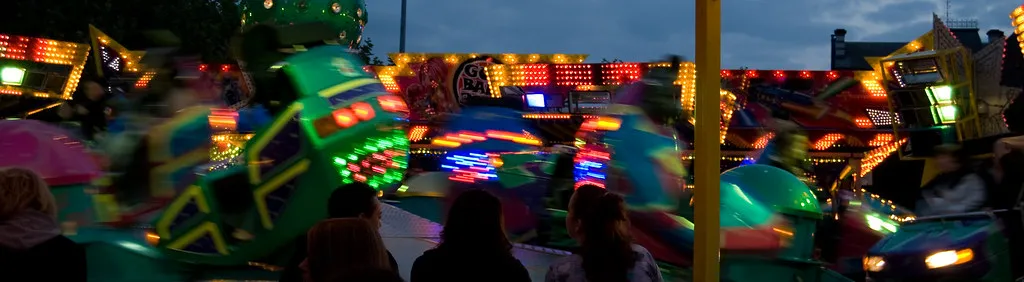
The costume culture in Maastricht is distinctly local. Residents go for a fully equipped "pekske" — a complete, themed outfit often with a coordinated group or performance element. This is not the generic fancy dress you see at other European festivals. The city has a reputation for being well-dressed even during its wildest days, and the creativity on display in every street is remarkable.
The Mooswief is another tradition worth understanding. This figure — a market woman made of papier-mâché — presides over the celebrations and is ceremonially burned at the end of Tuesday's festivities, marking the close of carnival and the beginning of Lent. Watching the Mooswief burning on Tuesday evening gives the entire three days a sense of ritual closure that many visitors find unexpectedly moving.
Carnaval, Vastenavond, or Vastelaovend?
Different regions in the Netherlands use different names for this colorful spring festival. In the local Limburgish dialect, the event is most commonly called Vastelaovend. This term literally translates to 'fast evening,' referring to the night before fasting begins. Using the local name is a great way to show respect for the regional culture.
While 'Carnaval' is the general Dutch word, 'Vastelaovend' carries a deeper local meaning. It represents the specific traditions, music, and spirit found only in the south. You will hear this word used in almost every local song and official speech. Understanding these terms helps you follow the local media and event schedules more easily.
Maastricht is considered one of the cultural centres where these traditions are most vibrant. The city takes great care to preserve the linguistic and artistic heritage of the event. Compared to the Cologne carnival guide, the Maastricht version feels more community-focused and street-led. Every neighbourhood has its own slightly different way of celebrating the Vastelaovend spirit.
A Brief History of Carnival
The origins of the feast date back centuries as a final celebration before Lent. It was traditionally a time to consume all the remaining rich foods and drinks before the period of fasting. Over time, it evolved from a religious observance into a massive cultural event. Maastricht has maintained these traditions with a fierce sense of local pride and identity.
The number 11 plays a vital role in the history and timing of the festivities. Historically, 11 was the number of fools, making it perfect for a festival that inverts everyday social norms. The season officially opens on the 11th day of the 11th month, and most major ceremonies are timed to include the number in some way — including the key transfer at 15:11. This numerological thread runs through every layer of the event.
The Prince of Carnival is chosen each year in secret by De Tempeleers, Maastricht's main carnival association. Being chosen as the Prince is a high honour for any local resident. The Prince is proclaimed and unmasked publicly at the Market Square, and from that moment leads the city through three days of joy. This tradition keeps the historical roots of the festival alive in the modern era.
Is Carnival a Holiday in the Netherlands?
Carnival is not an official national holiday across the entire country of the Netherlands. However, in the southern provinces — Limburg and North Brabant — daily life almost completely stops for the week. Schools are closed for the spring break, and many local businesses shut their doors or operate with reduced hours. If you need any official services, plan around this in advance.
The Municipal Service Desk (GemeenteLoket) in Maastricht closes early at 15:00 on 13 February 2026, the Friday before the main weekend. This reflects how deeply the city shifts its focus toward the upcoming celebrations. While the northern Netherlands continues largely as normal, the south is in full festive mode. This regional divide is one of the most telling cultural contrasts in the country.
Public transport typically runs on modified schedules to accommodate the festive crowds. Many roads in the city centre close to cars so parade floats and revellers can move freely. Trains to Maastricht are usually very busy on the main days — expect standing-room-only on Friday and Saturday evenings. The Maastricht Bereikbaar website publishes updated travel information each year, and checking it before you travel will save you significant time.
Bars, Cafés, and Practical Access During Carnival
Hospitality venues across Maastricht follow fixed closing times during the festival. Bars and cafés close at 03:00 from Saturday through Monday. On Tuesday, closings shift earlier to 02:00. Knowing these times helps you plan your evenings and avoid being stranded in a queue when last orders are called.
Some enclosed party areas and dedicated carnival zones charge a small entry fee. Access costs €1 per visit, or €5 for a day wristband that covers unlimited entry throughout that day. The reusable cup system runs alongside this: a deposit of €1 gets you a cup that you can refill and reuse across all participating venues. Both schemes are designed to reduce waste and keep the streets cleaner during what is one of the most crowded events in the southern Netherlands.
The Jekerquartier neighbourhood — with its narrow historic lanes and water mills — hosts smaller, more intimate café celebrations throughout the three days. This area is a better option if you find the scale of Vrijthof overwhelming. Many locals gravitate here for a more traditional and less commercial atmosphere. It is also more accessible for those with mobility considerations, as the crowds are thinner and the streets are navigable.
Costumes and the Alaaf Greeting
Dressing up is not optional in Maastricht — it is expected. The local standard is a coordinated group costume or "pekske," often with a narrative or satirical theme. There are no strict dress-code rules, but turning up in regular clothes marks you immediately as an outsider. More colour is always better than less, and the crowd rewards creativity and commitment.
The alaaf greeting is the single word you will hear most often during the festival. It is shouted in bars, along parade routes, and between strangers in the street as a universal sign of festive solidarity. The greeting is typically accompanied by a raised hand or a gesture to the temple. Learning it before you arrive — and shouting it back with conviction — is the fastest way to connect with locals.
If you want to compare the Maastricht experience to other European celebrations, the best carnivals in europe page puts the event in a broader context. What makes Vastelaovend stand apart is its street-level, community-driven character. There are no paid grandstands. The spectacle happens around you, not in front of you.
Delicacies During Carnival
The Nonnevot is a traditional fried pastry that is essential to the local experience. It is shaped like a knot and coated in sugar, making it a perfect sweet snack for long days on your feet. You will find these in almost every bakery across the city during the festival. Eating a Nonnevot is a rite of passage for anyone following this carnival guide.
Zoervleis is a famous local stew made with beef and a sweet-and-sour sauce. It is traditionally served with thick-cut fries and is very filling for cold February days. Many local pubs serve generous portions to keep the revellers energised for the evening ahead. This dish is a staple of Limburgish cuisine and a must-try for food lovers visiting the region.
Local beers and spirits also play a major role in the social side of the party. Brand beer, brewed in the nearby Limburg town of Wijlre, is the regional choice and is served in most cafés throughout the festival. Drinking is done socially and often accompanied by the singing of carnival songs that everyone in the bar already knows. Always stay hydrated between drinks to pace yourself across three full days of celebration.
How to Plan Your Maastricht Carnival Visit
Booking accommodation several months in advance is essential for this period. Hotels in the city centre fill up quickly and prices rise sharply as the dates approach. If the city centre is fully booked, consider staying in a nearby town with a direct train connection, such as Liège or Aachen. Early booking gives you a comfortable base to return to after a long night.
For families, the Sunday parade on 15 February at 13:30 is the best starting point. Children enjoy the floats and the candy thrown from passing groups, and the daytime atmosphere is well-managed. The evenings in the city centre grow loud and very crowded, which can be difficult for toddlers. The children's parade events earlier in the weekend are a gentler introduction to the whole spectacle.
Check the policy rules for carnaval in Maastricht on overheid.nl before you travel — the regulations cover everything from noise limits to road closures and public behaviour. The city enforces these rules actively during the festival. Understanding them in advance prevents any awkward surprises during what should be a relaxed and celebratory trip. The Nice carnival guide offers a useful comparison if you are deciding between European carnival destinations for 2026.
Frequently Asked Questions
What is the 'alaaf' greeting during Carnival?
The alaaf greeting is a traditional salute used throughout the festival. It is often accompanied by a hand gesture to the temple. You will hear it shouted during parades and in bars to show festive spirit and community connection.
When does the Maastricht Carnival take place in 2026?
In 2026, the main festivities occur from February 15th to February 17th. The key transfer happens on Saturday, and the main parade is on Sunday. Many locals also begin celebrating with smaller events on the Friday evening before the official start.
How family-friendly is the Maastricht Carnival?
The event is very family-friendly, especially during the daytime parades and the dedicated children's events. The Sunday parade is a favorite for kids who enjoy the costumes and candy. However, the evenings in the city center can become very crowded and loud for toddlers.
What are the main activities during the Carnival?
Main activities include watching the grand parade, listening to brass bands, and dancing in the squares. Many people also visit local cafés for traditional music and food. The symbolic key transfer and the burning of the 'Mooswief' are also critical cultural highlights.
Related in Maastricht: Maastricht Christmas Market Guide 2026-2027.
The Maastricht carnival offers an unforgettable blend of history, humor, and high energy. By following this guide, you can navigate the city like a seasoned local expert. Whether you come for the music or the costumes, the spirit of the city will captivate you. If you enjoy this, you might also like the Nice carnival guide for a different European flavor.
Plan your trip early to ensure you get the best experience in this historic Dutch city. Remember to respect the local traditions and join in the fun with an open heart. The memories of the colorful streets and friendly faces will stay with you forever. We hope this guide helps you have a fantastic and smooth celebration in 2026.
Free guide: Europe's Festival Calendar
A month-by-month map of Europe's unmissable festivals — with the best dates to visit each and a local tip you won't find in the guidebooks.
You might also like

Continue reading
More guides you'll find useful