
Venice Carnival Guide Travel Guide
Venice Carnival 2027 runs late January to mid-February. Catch the noon Flight of the Angel and free Piazza San Marco costume contests, skip the 500-2,000 euro balls.
On this page
Venice Carnival Guide
Venice transforms into a magical stage during its famous annual celebration which draws hundreds of thousands of visitors every February. This venice carnival guide helps you navigate the crowded streets and vibrant events of the floating city. You will find everything from grand masquerade balls to local street food tips in this complete overview. Prepare for an unforgettable experience while you explore the best things to do during this winter festival.
Part of our Best Carnivals In Europe series.
The city of canals offers a unique atmosphere where history and mystery blend together under colorful masks. Planning your trip requires careful timing to ensure you see the most iconic parades and ceremonies. We cover the essential logistics so you can focus on the beauty of the costumes and the music.
Free guide: Europe's Festival Calendar
A month-by-month map of Europe's unmissable festivals — with the best dates to visit each and a local tip you won't find in the guidebooks.
History of the Carnevale di Venezia
The Carnival of Venice dates back to 1094, when Doge Vitale Falier first mentioned "carnevale" in a document describing public amusements. In 1162, the Republic of Venice commemorated a military victory by slaughtering a bull and twelve pigs in Piazza San Marco around Shrove Tuesday — a celebration that grew larger every year. The Senate eventually declared the day before Lent a public holiday, and the festivities expanded to fill the weeks leading up to it with jugglers, dancers, musicians, eating, and drinking.
La Serenissima — the name Venetians gave their republic — was the pleasure playground of Europe. Carnival allowed Venetians and visitors alike to indulge without restraint, with masks and costumes hiding social class and identity. This tradition carried on until the fall of the Republic of Venice in 1798, when the Austrians banned the celebration entirely. Carnival was even outlawed again under fascist rule in the 1930s.
It was not until 1979 that modern Venetians revived Carnevale di Venezia, recognizing its potential to draw visitors and celebrate the city's heritage. The 10-day format was born, recreating the lavish parties, masks, and spectacles of the wealthy Venetian merchants of the past. Today it is one of the largest and most photographed festivals in Europe, attracting visitors from every continent.
Must-See Events at Venice Carnival
One common misconception is that attending Carnival in Venice must be expensive. Many of the most memorable events are completely free, from the costume parades at Piazza San Marco to special video projections and guided museum tours held only during this period. The free daily costume contests in the square let anyone participate — just download the entry form from the official Carnevale di Venezia website.
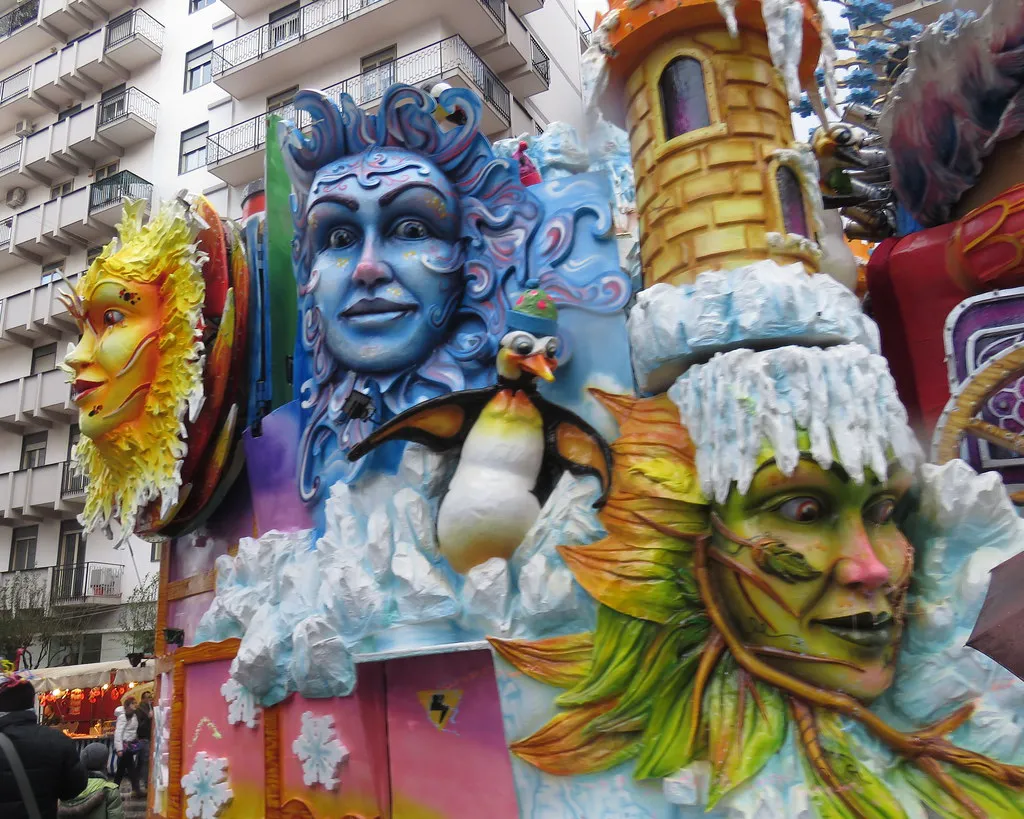
The Flight of the Angel — Il Volo dell'Angelo — is the event that officially opens the 10 days of Carnival. A woman dressed in period costume descends along a zip line from the bell tower at St. Mark's Square, paying homage to the Doge in a tradition dating to the 16th century. You need to be in St. Mark's Square no later than 10:00 to witness the event, which takes place at 12:00 noon on the first Sunday of Carnival. Crowd control fills the square quickly. Check the official dates and schedule each year before you go, as specific events can be cancelled or rescheduled.
The Festa delle Marie is another ceremony not to miss. A procession of 12 young Venetian women in historical costume leaves from San Pietro di Castello at 14:30 and winds through Via Garibaldi to Piazza San Marco, where a beauty contest crowns the Maria dell'Anno. The winner of this pageant earns the honor of riding the zip line during the Flight of the Angel the following year. Carnival closes with the Svolo del Leon — the "Flight of the Lion" — in which a flag bearing Venice's winged lion symbol is flown to the top of the bell tower, marking the official end of festivities.
In the evenings, the Venice Carnival Pub Crawl offers a costumed alternative to the expensive masked balls. The giro d'ombra (literally "a turn around the shadow") is an old Venetian tradition of moving from bacaro to bacaro enjoying cicchetti and small glasses of wine. This social circuit is a fraction of the price of the official balls and a genuinely local way to spend a Carnival night. There are also special Vivaldi concerts held in sumptuously decorated venues during the Carnival period — the I Musici Veneziani Carnival Concert in the Salone Capitolare lasts about 90 minutes and gives a strong sense of 18th-century Venice without the ball ticket price tag.
Venetian Masks and Carnival Costumes
Masks are what make Venice Carnival unlike any other festival in the world. The tradition of wearing them began in the 5th century as a way to hide social class — when everyone was masked, no one could tell a nobleman from a merchant. Venetian masks were first officially regulated in 1268, with craftspeople called mascareri operating under their own code of rules from as early as 1436. They are still made from papier-mache, decorated with gems, feathers, fabric, and ribbons. Popular styles include the medico della peste (the beaked plague doctor mask) and the moretta, a black velvet half-mask worn by women.
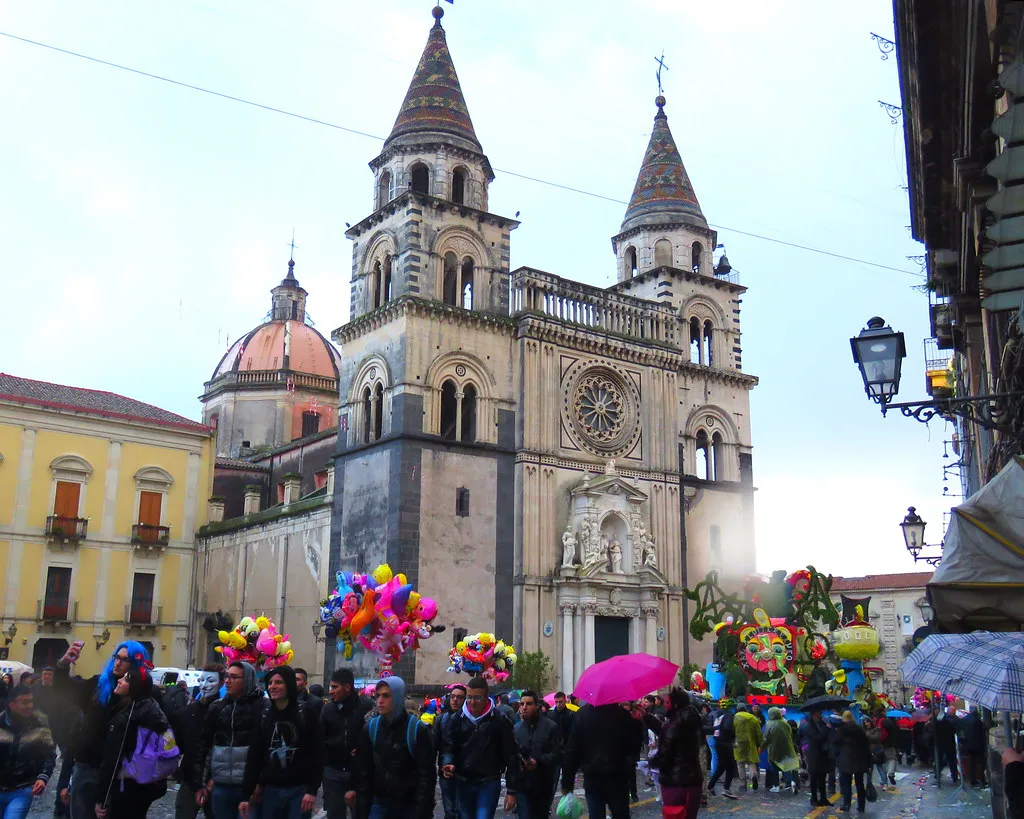
For authentic, handmade masks you need to seek out the artisan workshops rather than the souvenir carts. Ca Del Sol in Venice is one well-known option for both masks and full costume rentals. Ca' Macana and Benor Maschere Venezia both make their masks in-workshop, and you can watch the process. Mondonovo Maschere in Dorsoduro is famous for producing masks for film productions including Eyes Wide Shut. Mask-making workshops are also available where you mix the materials and paint your own mask to take home. The tourist-shop masks from street carts are inexpensive but are not made in Venice.
You do not need to spend a fortune on a costume. A solid period outfit can cost less than €200 when you source the dress or cape separately and buy the mask from a Venetian artisan. If you prefer to rent, Ca' del Sol and similar shops start rentals around €200 per day for men's costumes and €350 per day for women's — those prices do not include wigs, masks, or accessories, so factor those in. Even a simple mask from a good workshop, paired with dark clothing, puts you firmly in the spirit. You can also find face painters just outside Venice Santa Lucia train station for a quick transformation. Learn more about where to buy masks before you go.
Traditional Venetian Carnival Food
Carnival food is as much a part of the tradition as the masks. Frittelle — fried dough fritters similar to donuts — appear in every pastry shop from just after Epiphany (6 January) until Carnival ends, then vanish. In the days of La Serenissima they were declared a national dessert, and could only be made by authorized fritoler craftsmen who passed the title from father to son. Today you will find them plain, dusted with powdered sugar, or filled with rum cream, chocolate cream, or Nutella. Galani are the other essential Carnival sweet: thin, fried dough strips sprinkled heavily with sugar, known as chiacchiere in Milan and frappe in Rome.
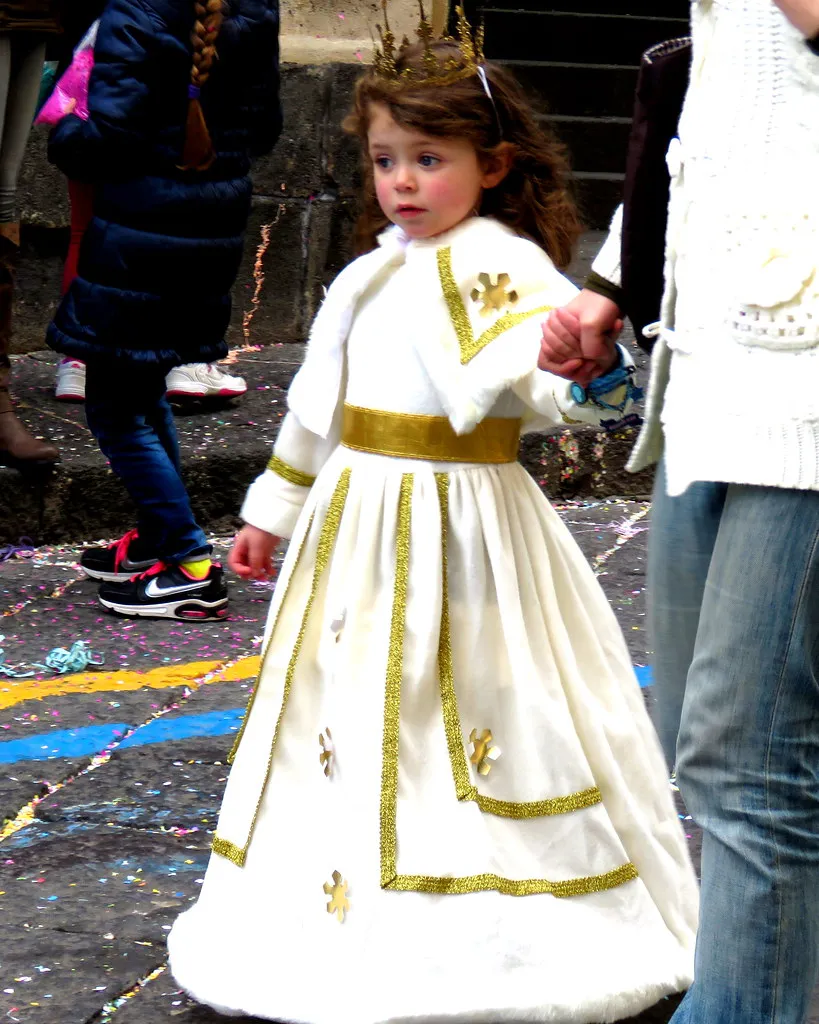
For savory eating, the best meals in Venice are not in tourist restaurants near the Grand Canal. Bacari — tiny Venetian bars — serve cicchetti (pronounced "chee-KET-eeh"), small individual dishes eaten standing up with a glass of wine. Cicchetti typically cost €1 to €2 a piece, and a plate full with a glass of wine comes in under €10. Osteria al Squero in Dorsoduro is a local favorite directly across from Venice's oldest functioning gondola workshop, with swordfish cicchetti at €1–€2 each. All'Arco near the Rialto is family-run and still a longtime neighborhood staple, with cicchetti from €1.50–€2.50 per piece. Alla Vedova in Cannaregio is famous for meatballs sold individually at the bar — they make a limited number daily and when they are gone, they are gone. Pasta dishes at sit-down restaurants start around €10–€12, with main courses from €11 to €18 at the better local spots.
For drinks, two are distinctly Venetian. The Aperol spritz originated in Venice, where Austrian occupiers mixed wine with fizzy water and locals later refined it with Select, a bitter aperitif liqueur made in the city. The Bellini was invented in 1948 by Giuseppe Cipriani at Harry's Bar — a mix of white peach and prosecco — and named after the Venetian painter Giovanni Bellini. Both are available everywhere during Carnival and cost €3–€6 at a bacaro versus €12–€20 at a canal-facing terrace.
Planning Your Trip to Venice During Carnival
Hotels fill more than a year in advance for peak Carnival weekends. The first and last weekends of the 10-day festival are the busiest. If you book mid-week, you will find noticeably smaller crowds and lower prices. Neighborhoods like Cannaregio and Castello fill up last and offer quieter streets a short walk from the main events. Expect accommodation rates to be significantly higher than standard February pricing — budget at least €150–€250 per night for a mid-range option near the center.
Getting from the airport into Venice: the cheapest option is the local ACTV bus line 5 for €1.50, which goes to Piazzale Roma. The airport shuttle bus from the terminal to Piazzale Roma costs €10 and is slightly more convenient. The water bus through Alilaguna also costs €10 and drops you closer to central neighborhoods. Water taxis from the airport are comfortable but start at €100–€150 depending on your destination. Once in the city, the ACTV vaporetto water bus network covers all the main routes — a 24-hour pass costs €25 in 2026.
Carry a physical map because narrow calles (alleys) can disrupt GPS accuracy. Wear flat, waterproof shoes — Venice floods during acqua alta events, which are more common in winter. Small denomination coins are useful for public restrooms, which typically charge €1.50 at the busiest locations. Book any paid events — masked balls, workshops, concerts — well in advance through the official Carnevale di Venezia website, as they sell out months ahead.
Venice Carnival 2027 Dates
Venice Carnival always runs for the two weeks leading up to Lent, ending on Shrove Tuesday (Martedi Grasso). The 2027 Venice Carnival is expected to run from late January through mid-February 2027, with the exact opening date depending on the liturgical calendar. The final Tuesday of the festival is always the biggest day for public celebrations and street events — this is when crowds in Piazza San Marco reach their peak. For the confirmed 2027 programme and event listings, check the official city website at veneziaunica.it as dates are typically published several months in advance.
Mid-week days within the Carnival period are substantially less crowded than the weekends. If you are traveling with children or want better access for photography, arriving on a Tuesday or Wednesday gives you the costumes and atmosphere with a fraction of the weekend crowd pressure. The Venezia Unica city pass is worth considering — it bundles entrance to major museums like the Doge's Palace and Correr with multi-day vaporetto passes, and allows you to skip the ticket queues at the door.
Solo Adventures vs. Group Trips
Solo travelers have a significant advantage at Venice Carnival: you can move fast, change plans on the spot, and slip into a bacaro without waiting for a group consensus. Mask-making workshops are easy to join alone and provide a natural way to meet other travelers. Many people find it easy to connect with others while staying at popular accommodations in the city, particularly smaller guesthouses in residential neighborhoods where hosts give genuine local advice. Safety is generally high in Venice but remain aware of pickpockets in the most crowded sections of Piazza San Marco.
Group trips offer a different set of advantages. A guided tour can secure access to exclusive masquerade balls that are difficult to book independently, and a local guide handles the logistical pressure of navigating the crowds and programme changes. Tour operators sometimes hold allocations for the best-positioned viewing areas during the Flight of the Angel. If the masked balls or private palace events are a priority, a group booking through a specialist operator is often the most reliable path.
City Passes, Museums, and Getting Around
The Venezia Unica city pass is the most flexible tool for managing costs across the 10 days of Carnival. You can customize it to include multi-day vaporetto passes, museum entry to the Doge's Palace, Correr Museum, and the Ca' Rezzonico, plus reduced-price access to other cultural sites. Buying in advance online avoids the queues at the Piazzale Roma or Santa Lucia train station booths, which can run 30–45 minutes on peak days.
Gondola rides during Carnival operate at fixed published rates: approximately €80–€100 for a standard 30-minute daytime ride through the smaller canals. Prices are higher after 19:00. Always confirm the route and price with the gondolier before boarding. If you want the Grand Canal view without the gondola cost, the traghetto — a standing ferry gondola crossing the Grand Canal — costs €2 per person and gives you the same water-level perspective for a few minutes. Museum opening hours are typically extended on peak Carnival weekends; confirm on-site schedules close to your travel date.
Frequently Asked Questions
When is the best time to see the costumes?
The best time to see costumes is during the weekends in St. Mark's Square. You should arrive before 10 am to see the participants before the largest crowds arrive. Many people also gather at the square during sunset for beautiful photos. For more tips, check out what to wear during the festival.
How much do masquerade ball tickets cost?
Tickets for official masquerade balls are quite expensive and can range from 500 to 2,000 Euro per person. These events usually include a formal dinner, live music, and professional entertainment. You must also rent or bring a period-accurate costume to attend most of these exclusive parties.
Is Venice Carnival suitable for children?
Yes, children will love the colorful costumes and the festive atmosphere of the street performances. Many squares host puppet shows and small parades specifically designed for younger audiences. It is best to stay in the quieter neighborhoods like Castello to avoid the heaviest crowds with a stroller.
Visiting Venice for more than one festival? See our complete guide to festivals and events in Venice.
The Venice Carnival is a once-in-a-lifetime experience that every traveler should see at least once. Using this venice carnival guide will help you manage your budget and see the best attractions. From the historic masks to the delicious street food, there is something for everyone to enjoy. Start planning your trip today to ensure you get the best deals on hotels and event tickets.
Free guide: Europe's Festival Calendar
A month-by-month map of Europe's unmissable festivals — with the best dates to visit each and a local tip you won't find in the guidebooks.
You might also like


Continue reading
More guides you'll find useful


