Cologne Carnival Guide: Karneval 2026
Plan your Cologne Carnival visit with our 2026 guide: key dates, Rose Monday tips, Geisterzug details, neighbourhood parades, and where to stay.
On this page
Cologne Carnival Guide
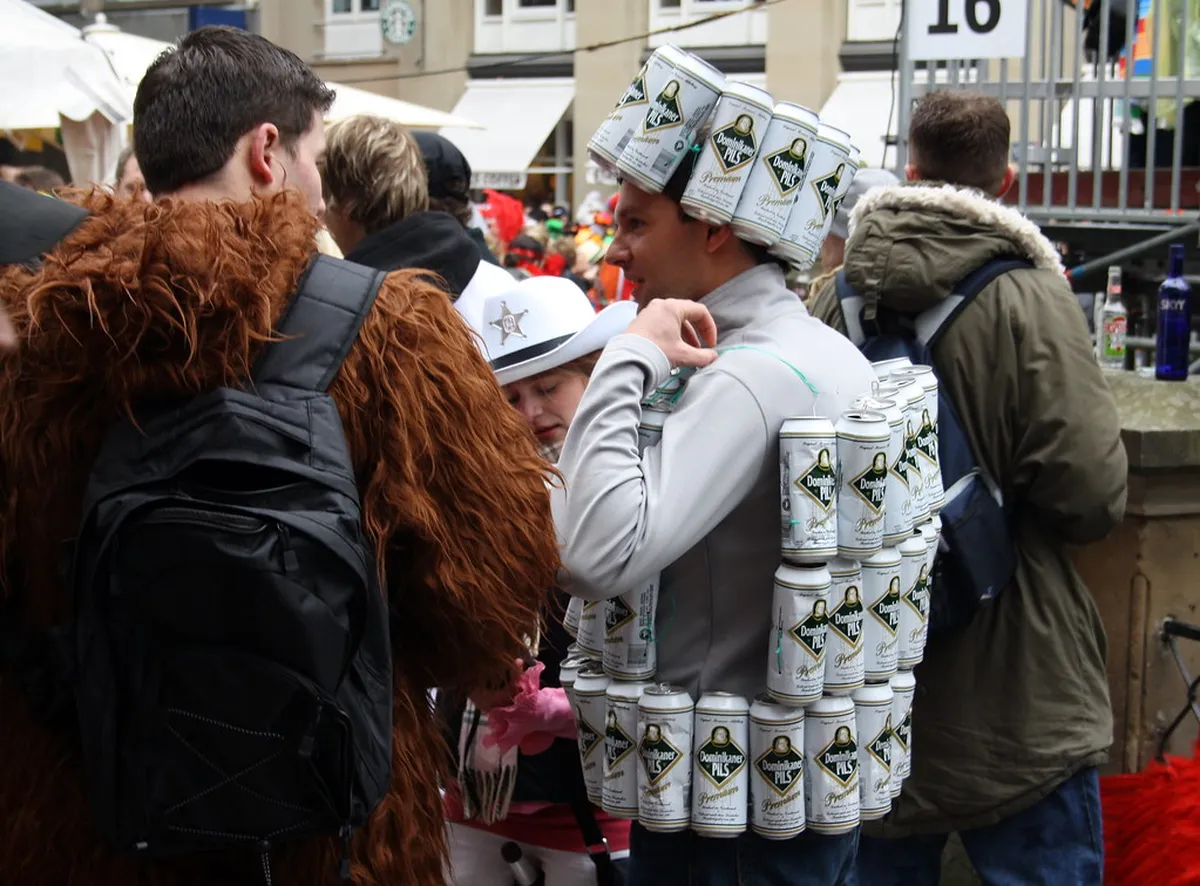
The Cologne Carnival, known locally as the Kölner Karneval, is one of the most celebrated street festivals in Europe. Every February, the city transforms into a week-long open-air party drawing well over a million visitors from across the continent. From the thundering Rose Monday parade to quiet neighbourhood processions, this standout European carnival has something for every kind of traveller. This guide covers everything you need to plan a memorable trip to Cologne for Karneval 2026.
Free guide: Europe's Festival Calendar
A month-by-month map of Europe's unmissable festivals — with the best dates to visit each and a local tip you won't find in the guidebooks.
What Is the Cologne Carnival?
The Cologne Carnival is a pre-Lent celebration with roots stretching back to Roman spring festivals honouring Dionysus and Saturn. Over centuries, those wine-fuelled gatherings fused with Christian tradition, and Lent gave revellers a reason to feast and celebrate before forty days of fasting. The name Carnival itself comes from the Latin carne vale, meaning goodbye to meat. In 1823, a formal committee turned Cologne's chaotic pre-Lent traditions into the structured but still wonderfully unhinged celebration we see today.
Locals call this period the Fifth Season, and the label captures just how seriously Cologne takes its Karneval identity. During the Crazy Days, businesses close, schools go on holiday, and Prince Carnival symbolically takes over the city's administration from the mayor. The 2026 season motto is ALAAF — Mer dun et för Kölle, meaning Alaaf, we do it for Cologne. Two key figures lead the festivities: the Dreigestirn (Triumvirate) — the Prince, the Peasant, and the Virgin — represent the city throughout the season.
One important greeting to master before arriving: say Kölle Alaaf! and never Helau. Helau belongs to rival carnival cities like Düsseldorf and Mainz, and using it in Cologne is a quick way to earn a groan from the locals. Think of Alaaf as the local password that instantly signals you are here in good spirit.
Cologne Carnival 2026 Dates and Key Days
The carnival season technically opens on November 11 at 11:11 AM, but the Straßenkarneval (Street Carnival) is the main draw for visitors. The Crazy Days run from Weiberfastnacht on February 12 through Ash Wednesday on February 18, 2026. Each day carries its own character, so the day you arrive will shape your experience significantly.
Weiberfastnacht (Thursday, February 12) is the electric opening day of the street carnival. At 11:11 AM, the mayor hands the symbolic keys of the city to the Dreigestirn at Alter Markt. A beloved tradition sees women cutting men's neckties off as a playful assertion of female power, a custom born from a washerwomen's protest in 1824. Parties fill the Altstadt from early morning until well past midnight.
Carnival Saturday (February 14) features the Funkenbiwak at Neumarkt from 10:30 AM. Organized by the Kölsche Funke rut-wieß vun 1823 e.V., the oldest carnival association in the city, this event offers traditional music, a pea soup feast, and limitless Kölsch for those who buy a Funkenstangen glass. Saturday evening brings a large party at the tent near Südstadion for those who want a ticketed indoor option.
Tulip Sunday (February 15) hosts the Schull- un Veedelszöch, a school and neighbourhood parade with over 8,000 participants watched by a quarter-million spectators. Rose Monday (February 16) is the centrepiece of the entire week, and Violet Tuesday (February 17) winds things down with large neighbourhood parades and the dramatic Nubbelverbrennung at midnight. On Ash Wednesday, costumes go back in their closets and Cologne returns quietly to normal.
The Rosenmontagszug: Rose Monday Parade Tips
The Rosenmontagszug is Germany's largest carnival parade and the undisputed highlight of Karneval week. It departs from Chlodwigplatz at 10:00 AM and winds through 8.5 kilometres of central Cologne streets before finishing near Gregorius-Maurus-Straße. The full procession lasts around 3.5 hours and draws more than one million spectators along the route. During that time, roughly 300 tonnes of sweets and 300,000 flower bouquets — called Strüßjer — are hurled into the crowd.
For the best free viewing, position yourself in Südstadt near the starting area, around Neumarkt mid-route, or near the Cathedral at the end. Grandstand tickets sell out months in advance through the official Cologne Tourism Karneval site, so book early if you want a reserved seat. Arrive at least 90 minutes before the 10:00 AM start to claim a decent spot along the free sections of the route.
Two crowd calls are worth knowing before you line the route. Shout Kamelle! to signal you want sweets, and Strüsje! for flowers — both are hurled generously by float riders throughout the parade. A pro tip borrowed from seasoned Karneval-goers: hold an open umbrella facing upward to catch Kamelle without losing them in the crowd.
Geisterzug and the Veedelszüge Parades
Not everyone wants the mainstream Rosenmontagszug experience, and Cologne delivers excellent alternatives. The Geisterzug (Ghost Parade) runs on the evening of Saturday, February 7, 2026 — a full week before the official Crazy Days begin. Born as a protest response to the Rose Monday parade being cancelled during the 1991 Gulf War, the Geisterzug has grown into a beloved political and artistic tradition celebrating its 35th anniversary in 2026. The 2026 route passes through Cologne-Nippes, starting at Johannes-Giesberts-Park in Clouth-Quartier.
The rules here differ sharply from other Cologne parades: no Kamelle, no vehicles, no electric music. Only drums and samba groups accompany the procession, and anyone can join without registering. Costumes lean toward ghost, vampire, and zombie themes rather than the colourful clown-and-superhero look of the main parade. An entry fee of €5 applies for the 35th-anniversary after-party at Odonien following the march.
The Veedelszüge are neighbourhood parades spread across Tuesday (February 17) and are the best way to experience local carnival away from the main crowds. The Südstadt Veedelszoch departs from Wormser Straße at 13:00, while the Nippes and Weidenpesch parade leaves Rennbahnstraße at the same hour — and draws up to 200,000 spectators on its own. The Maastricht Carnival offers a useful comparison: its neighbourhood spirit is similar, but the Veedelszüge operate on a much larger scale. For families or travellers who find Rose Monday overwhelming, a Tuesday neighbourhood parade is the smarter, quieter choice.
Cologne Carnival Lingo You Should Know
Knowing a handful of Kölsch dialect words will make you feel far less like an outsider. The most essential term is Alaaf — the greeting and cheer unique to Cologne that you will hear hundreds of times per day. Respond to Kölle Alaaf! with the same phrase and you will immediately earn a grin from the locals. Never say Helau: that belongs to Düsseldorf and Mainz, and using it in Cologne earns an audible groan.
Kamelle — shout this at float riders to receive thrown sweets and chocolates. Strüsje is the call for flower bouquets (over 300,000 Strüßjer are distributed on Rose Monday alone). Hold an open umbrella facing upward and you will catch far more Kamelle than your neighbours. Bützje is the tradition of giving a light kiss on the cheek to a stranger during carnival — always based on mutual consent, but very much alive on the streets.
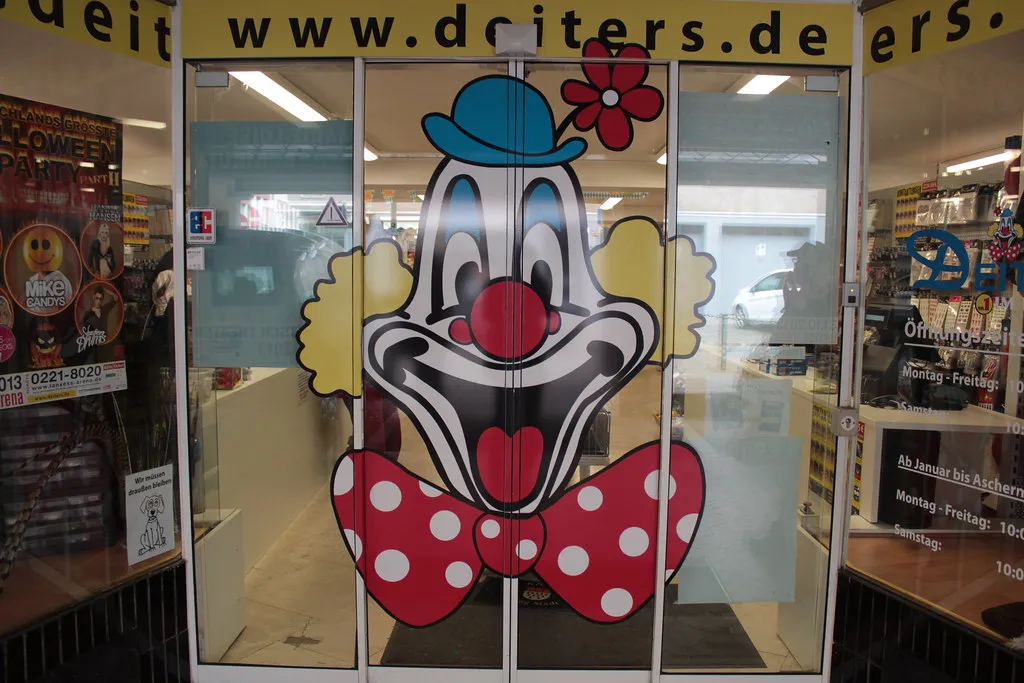
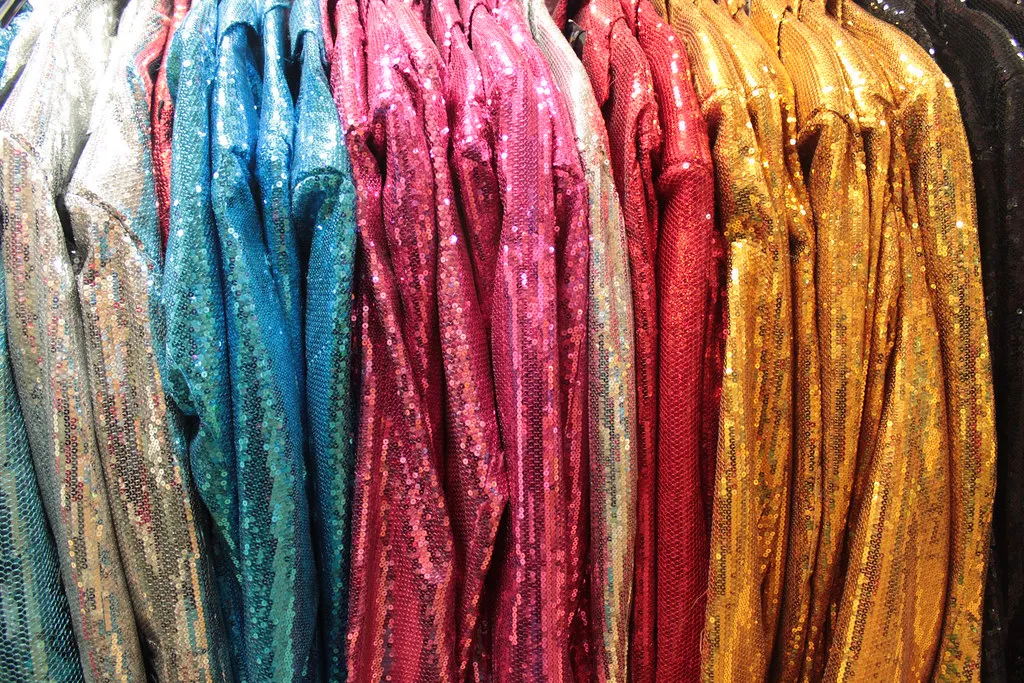
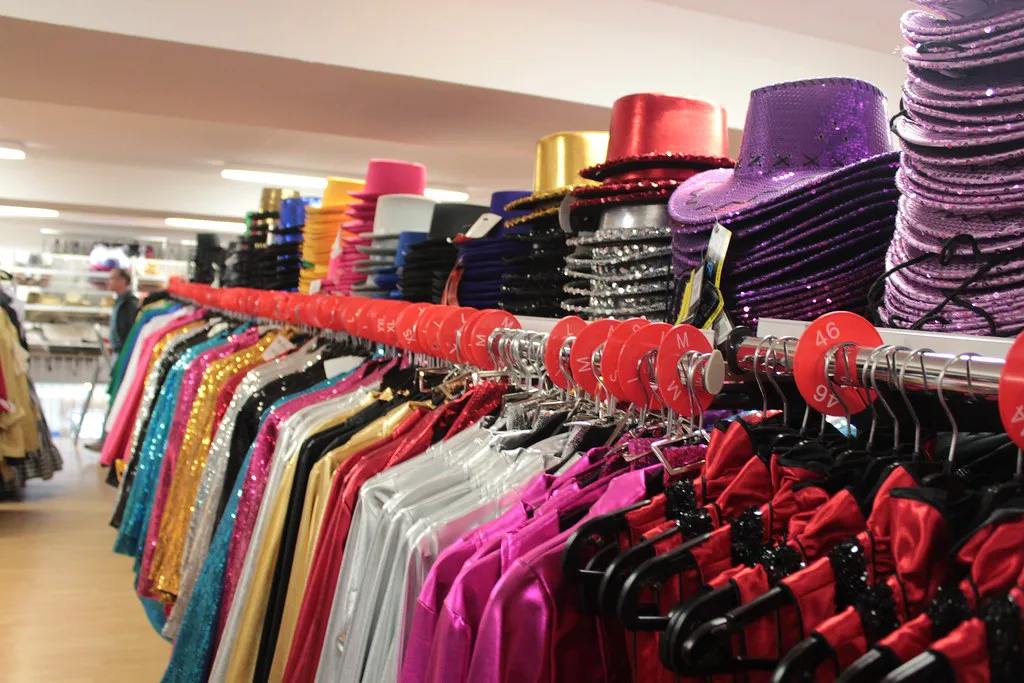
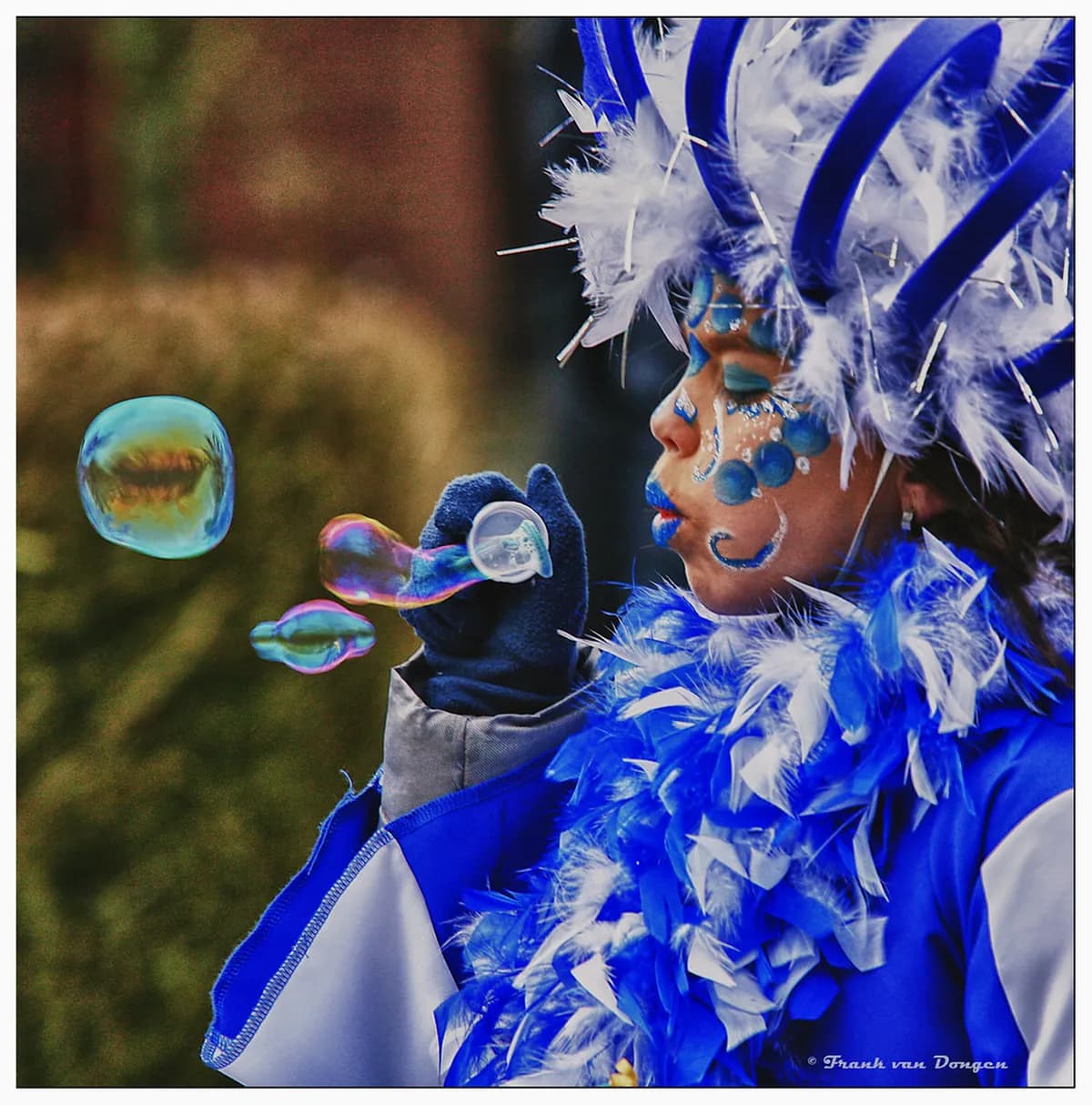
Jecken are the costumed carnival-goers — locals and visitors who dress up for the Crazy Days. Costumes are not mandatory, but they are the overwhelming norm. Clowns, bees, pirates, and group-themed outfits are classics. Köbe is the traditional Cologne beer server who keeps your Kölsch glass topped up in any traditional pub. Kölsch itself is served in small 200ml glasses called Stangen. One practical note: many street stalls require you to pay a small Pfand (deposit) for a plastic Kölsch cup, refundable when you return it — budget roughly €2–3 per cup deposit on top of the drink price.
Where to Party at the Kölner Karneval
The simplest rule: walk into the heart of the Altstadt and the party finds you. The energy concentrates around a handful of streets and squares that become outdoor dance floors from early morning until well past midnight on every Crazy Day. You do not need tickets or a plan — just pick a direction from the Cathedral and follow the noise.
Fischmarkt is one of the most atmospheric squares in Cologne at any time of year, and during Karneval it becomes one of the best free party spots in the city. There are bar stands, food stalls selling Frikadelle and fries, and, crucially, clean paid toilets — a rarity during the Crazy Days. Früh am Dom and the square in front of it host a daytime street party with multiple bar setups and a covered performance space in the nearby Stollwerckpassage. The atmosphere here is more relaxed than the main strip, making it a good starting point before diving deeper into the Altstadt.
Salzgasse is the most concentrated party street in the Old Town — a narrow pedestrianised alley lined with bars and clubs. Most venues on this strip charge a €5 cover fee during Karneval and fill quickly, so arrive before 20:00 if you want entry without a long queue. Mauthgasse is another reliable strip where restaurants become party venues after dark, with plenty spilling onto the pavement. It gets rowdier than Salzgasse, which suits some travellers well and others less so.
If you prefer something more local and less crowded, look for neighbourhood pubs near your hotel. The energy in these smaller bars can be just as high, and the crowd is noticeably friendlier to strangers. Ticketed Sitzungen (hall shows) are a deeper dive into carnival culture: the Lachende Kölnarena at the LANXESS Arena runs for 15 nights in January and February, featuring legendary Kölsch bands including Bläck Fööss, Höhner, Brings, and Kasalla. You can bring your own food and drinks, and shows run for more than six hours.
Where to Stay in Cologne During Karneval
Hotel prices in Cologne can double or triple during Karneval week, and rooms in central areas often sell out months in advance. Book as early as possible — ideally six months or more before the February dates — to secure reasonable rates. Check the official Cologne tourism carnival page for a full overview of what each area offers during the festival.
The Altstadt (Old Town) puts you closest to the parade route and the major party zones. The trade-off is significant: the entire area becomes a street party from early morning to well past midnight, so expect very little sleep. Luxury options here include the Dorint Hotel am Heumarkt and the Hilton Cologne, both within walking distance of the main action.
The Belgian Quarter sits about a 15–20 minute walk from the Old Town and offers a better balance of access and quiet. It has its own restaurants and bars, and neighbourhood pubs here often host their own low-key Karneval gatherings that are friendlier for first-timers. Budget travellers can also look at the Cádiz Carnival guide for comparison — but for Cologne, hostels like a&o Köln Dom (100 metres from the Cathedral) offer reliable affordable beds near the centre.
A 20-minute walk from the Old Town is a perfectly workable distance on foot during Karneval. On Rose Monday, the Rosenmontagszug route closes many streets and tram lines anyway, so walking is often faster than any public transport. Public transport runs 24 hours during Crazy Days, but walking from a slightly peripheral hotel is usually the more reliable option.
Getting to Cologne and Getting Around During Karneval
Cologne Bonn Airport (CGN) sits 15 kilometres from the city centre. The S-Bahn S13 and S19 lines run every 10–20 minutes and reach Cologne Hauptbahnhof in roughly 15 minutes; a single ticket costs around €3. Regional Express trains (RE6) make the same trip in 11 minutes. Taxis from the airport to the city centre cost €25–45 depending on traffic.
Public transport runs 24 hours during the Crazy Days, which helps with late-night returns. However, on Rose Monday the Rosenmontagszug closes large sections of the city centre to tram and bus traffic, so walking is usually faster than any public transport between 09:00 and 14:00 on February 16. Driving into the centre on Rose Monday is not practical: the parade route blocks access and parking near the Altstadt is effectively unavailable. The Cologne Card covers public transport and offers discounts at museums — useful if you want to visit sites outside the Crazy Days.
One security detail many first-timers miss: there is a glass ban in the city centre during carnival. All drinks must be carried in plastic or tin containers. Glass bottles and cups will be confiscated at entry points. Most bars and street stalls serve automatically in plastic, but be careful if you bring drinks from a supermarket — which is entirely accepted and a Cologne tradition.
Practical Tips for Cologne Carnival
Cologne in February can be cold, wet, and windy. Dress in layers under your costume, and wear a waterproof base layer or bring a compact raincoat you can fold into a bag. Comfortable, waterproof shoes are non-negotiable — you will be on your feet for six to eight hours during parade days. Heels and thin-soled trainers are a common first-timer mistake.
Budget roughly €20–40 per day for food and drink in the street. Official venues and covered stalls charge a premium; supermarkets are the budget-conscious alternative, and bringing your own drinks to the street is a perfectly normal thing to do in Cologne. For the Rosenmontagszug, arrive at least 90 minutes before the 10:00 AM start to secure a decent free viewing spot. Grandstand seats sell out months in advance through the Festkomitee Kölner Karneval — check early if you want a reserved position at Heumarkt or near the Cathedral.
The Friday Sternmarsch on February 13 is an underrated option for families and those who find the main parade overwhelming. Neighbourhood associations walk from four starting points — Heumarkt, Bollwerk, Laurenzplatz, and Eisenmarkt — converging at Alter Markt from 18:00 with a stage programme and the Dreigestirn in attendance. It has the carnival atmosphere without the one-million-person crowd of Rose Monday. The wider European carnival calendar fills up fast too — check dates early if you plan to combine Cologne with another carnival city in the same season.
Frequently Asked Questions
When does the Cologne Carnival take place in 2026?
The Cologne Carnival Crazy Days run from February 12 to February 18, 2026. The season technically opens on November 11 at 11:11 AM each year, but the main street festival — Weiberfastnacht through Ash Wednesday — is what most visitors come for. See exact 2026 Carnival dates.
Do I need a costume for the Cologne Carnival?
Costumes are not mandatory, but they are the overwhelming norm during the Crazy Days. Coming without one is perfectly accepted, though you may feel out of place. Classic choices include clowns, pirates, bees, and superheroes. Groups often design coordinated matching outfits for added fun.
What is the Rose Monday parade route in Cologne?
The Rosenmontagszug departs from Chlodwigplatz at 10:00 AM on February 16, 2026, and travels an 8.5-kilometre route through central Cologne, finishing near Gregorius-Maurus-Straße. The parade lasts around 3.5 hours. Free viewing spots along Südstadt, Neumarkt, and near the Dom offer good sightlines without needing tickets.
Is the Cologne Carnival family-friendly?
Parts of Karneval work well for families. The Tulip Sunday Schull- un Veedelszöch parade on February 15 features school groups and neighbourhood associations in a lively but calmer atmosphere. The Friday Sternmarsch is also considered family-friendly. The Altstadt nightlife and bar scene on Thursday, Saturday, and Monday nights is best suited for adults.
What should I shout to get sweets and flowers at the parade?
At the Rose Monday parade, shout Kamelle! to receive thrown sweets and chocolates, and Strüsje! for flower bouquets. Float riders distribute more than 300 tonnes of candy and 300,000 bouquets during the procession. Holding an open umbrella upward is a local trick for catching more Kamelle from above.
Visiting Cologne for more than one festival? See our complete guide to festivals and events in Cologne.
The Cologne Carnival is a genuinely one-of-a-kind experience that rewards visitors who plan ahead and arrive curious about local traditions. From the massive spectacle of the Rosenmontagszug to the political edge of the Geisterzug and the intimate energy of the Veedelszüge, Karneval offers multiple layers beyond the obvious street-party image. Book your accommodation early, learn a few words of Kölsch dialect, pick a costume, and remember: Kölle Alaaf!
If you are comparing carnival destinations before committing, our guides on the Nice Carnival and the Binche Carnival offer useful contrasts in scale and style. For more European festival inspiration, explore our full festival travel blog for city-by-city guides across the continent.
Free guide: Europe's Festival Calendar
A month-by-month map of Europe's unmissable festivals — with the best dates to visit each and a local tip you won't find in the guidebooks.
You might also like


Continue reading
More guides you'll find useful


