
Semana Santa In Seville Guide Travel Guide
Seville's Semana Santa runs 29 March to 5 April 2026, peaking with La Madruga's midnight-to-noon marches. Dates, free street spots and El Llamador app tips.
On this page
Semana Santa In Seville Guide
Seville transforms into a stage of deep devotion and vibrant tradition during the annual Holy Week celebrations. This semana santa in seville guide helps you navigate the crowded streets and find the most moving moments. Thousands of people gather to watch massive wooden floats carry religious statues through the historic center.
See also: Is Semana Santa in Seville Worth It? (6 Things to Know).
See also: Semana Santa in Seville Dates.
Part of our Best Easter and Holy Week Celebrations in Europe series.
The air fills with the heavy scent of incense and orange blossoms as the city honors its heritage. You will see hooded penitents marching in silence alongside grand musical bands playing mournful marches. It is a sensory experience that combines centuries of history with modern local passion.
Planning your visit for 2026 requires early preparation to handle the massive influx of international visitors. Easter Week in Seville runs from 29 March to 5 April 2026. This guide covers everything from the best processions to the traditional foods you must try, and what to do once the floats go home for the night.
Free guide: Europe's Festival Calendar
A month-by-month map of Europe's unmissable festivals — with the best dates to visit each and a local tip you won't find in the guidebooks.
Holy Week Seville: What Semana Santa Actually Is
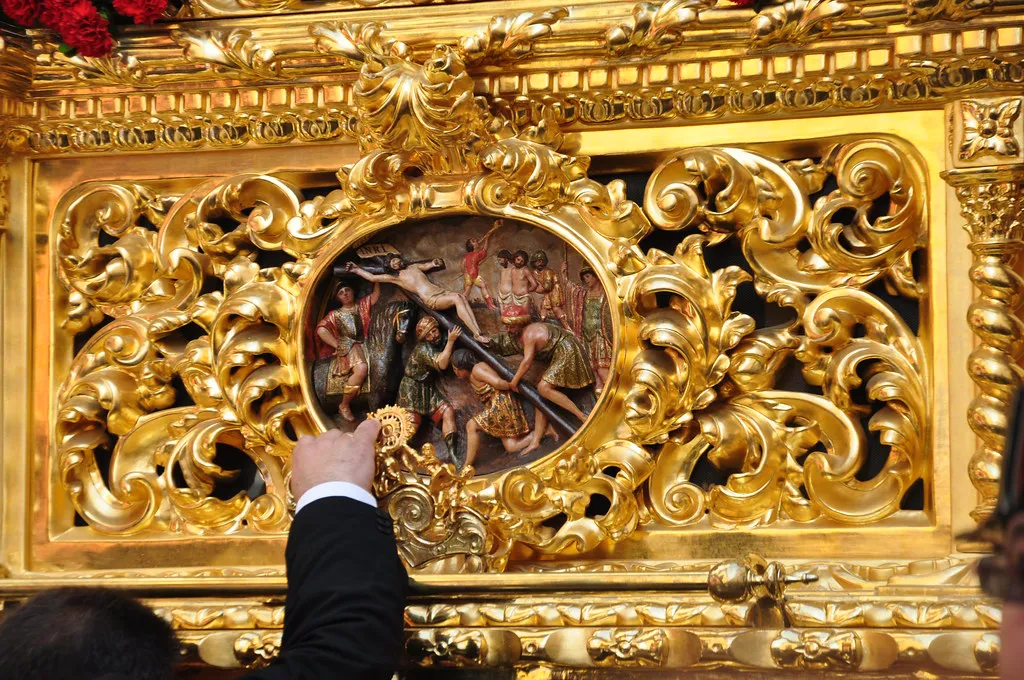
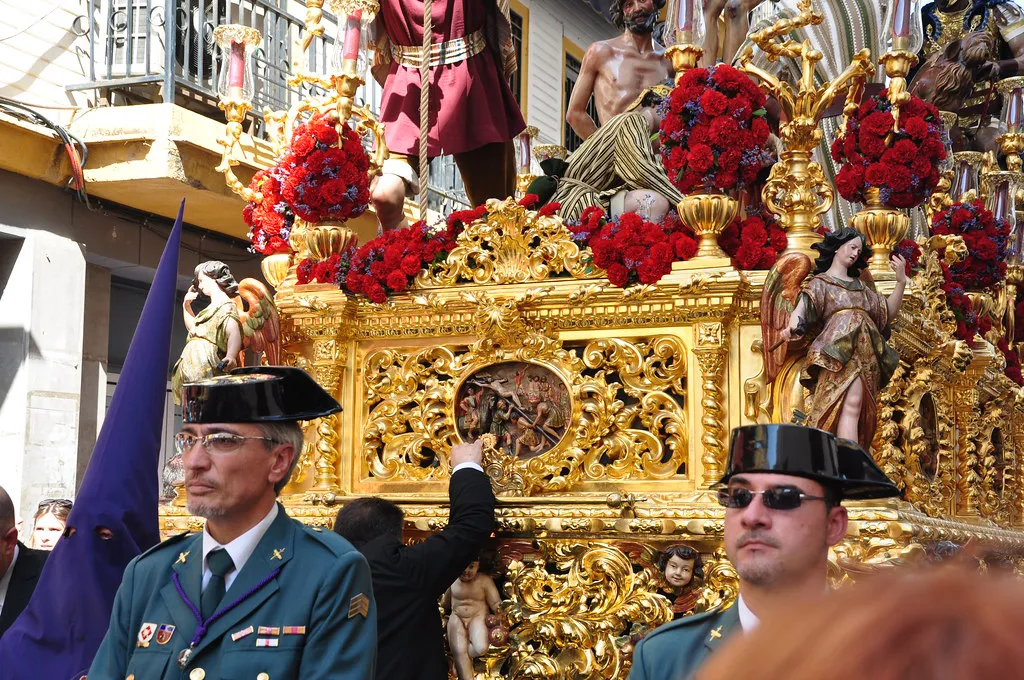
Holy Week in Seville is more than a religious event. It is an annual celebration declared a Festival of International Tourist Interest that draws over a million visitors. More than sixty brotherhoods carry floats through the city from Palm Sunday to Easter Sunday, and those floats are authentic works of Andalusian Baroque art that weigh several tons each.
The focal point of every procession is the paso, a float carrying richly decorated statues of Jesus Christ or the Virgin Mary. Brass bands provide an austere soundtrack of shrill trumpets and drums. From the balconies above, local singers perform saetas, emotionally charged tributes to the Virgin that often reduce the crowd to silence and tears.
For the people of Seville, this is the most electric week of the year. Families pass down their membership in brotherhoods across many generations. You will see children dressed in tiny robes marching alongside their grandparents, which tells you everything about how central this tradition is to the city's identity.
If you enjoy these traditions, you might also want to explore easter in italy traditions and where to go for a comparison. Seville focuses on massive procession floats, while other European cities mark the holiday in very different ways. Understanding these contrasts deepens your appreciation for what makes Seville's Holy Week truly singular.
Guide to processions in Seville: the ones you can't miss
There is no single must-see procession, but some names are essential for every visitor. La Macarena, Esperanza de Triana, El Gran Poder, and El Cachorro are the most venerated images in the city. Their processions draw tens of thousands of people to every street corner they pass.
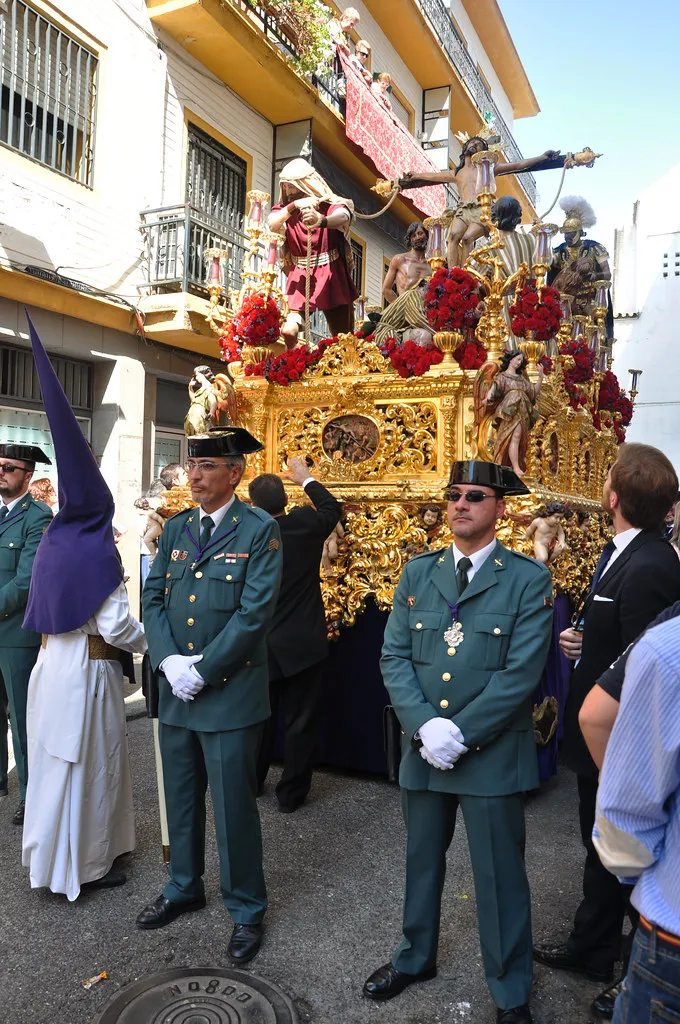
Palm Sunday features La Borriquita, a favorite for families because it includes many children and celebrates the entry of Jesus into Jerusalem with bright colors and a joyful atmosphere. It is an ideal introduction to the week if you are traveling with young kids. The atmosphere is festive rather than solemn, which makes it accessible for first-time visitors.
The Madrugá is the peak of the entire week. It falls between Maundy Thursday night and Good Friday morning, between 2 and 3 April 2026. Six of the most important brotherhoods, including El Silencio, El Gran Poder, and La Macarena, march starting at midnight and continue until noon. The city does not sleep. Thousands fill the narrow alleys and the emotion is unlike anything else in Europe.
Good Friday carries a much more somber tone as the city remembers the passion and death of Christ. Floats are often darker in color and the music is slower and more mournful. Easter Sunday concludes with the El Resucitado procession celebrating the resurrection, bringing a lighter and happier atmosphere to close the week. For a very different spectacle, consider reading about the scoppio del carro florence easter event in Italy.
The Costaleros: the Hidden Effort Under Every Float
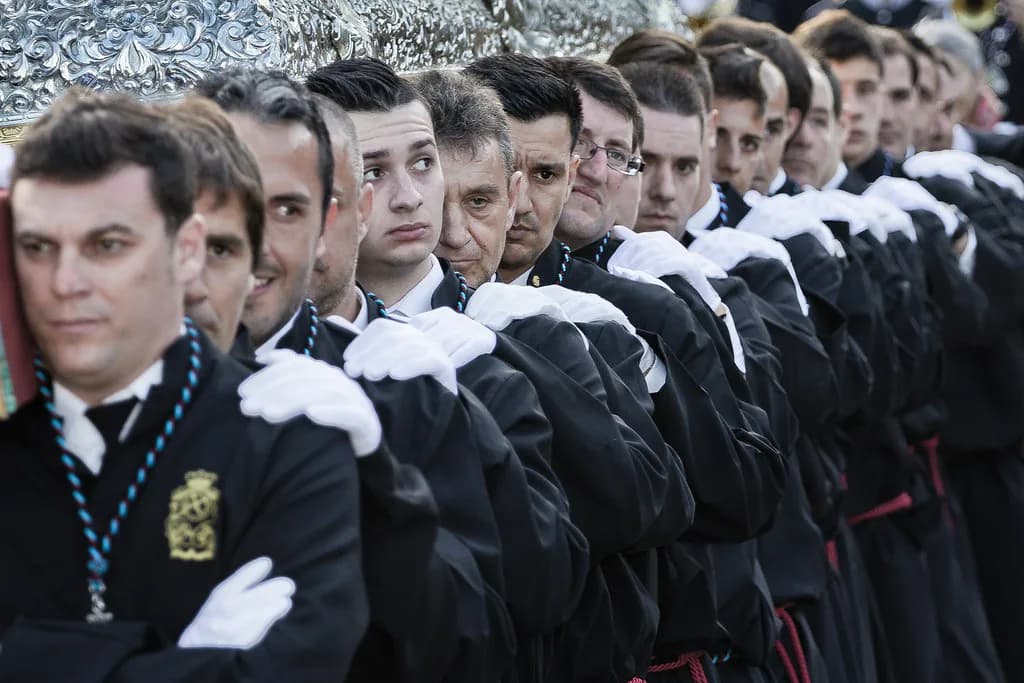
The most underappreciated part of every procession is what happens underneath the float. The costaleros are the bearers who carry the paso on their necks and shoulders, bent over in a space barely 60 centimetres high. They cannot see where they are going. They navigate entirely by the knocks of the foreman, the capataz, tapping on the wood above them.
When the capataz signals the lift, the float rises from the ground in a single coordinated move called the levantá. The crowd often breaks into applause at this moment. Watching for it and understanding what it means transforms the experience completely. Many visitors see it happen and have no idea what they just witnessed.
The physical effort lasts for hours. Teams rotate in and out at rest stops, and the bearers emerge drenched in sweat. This role is passed from father to son, and many costaleros train year-round. It is an act of devotion as much as physical labor, which is something no photograph of the floats can convey.
Traditional Costumes in Seville's Semana Santa
The most recognizable costume is the capirote, a tall pointed cone hat worn by the Nazarenos. The hat is made from cardboard and covered by the antifaz, a cloth that shows only the eyes, allowing the penitent to remain anonymous. The color of the tunic and capirote varies by brotherhood, so each group is visually distinct as they pass through the streets.
The Nazarenos are the robed penitents who march in the procession alongside the floats. They carry tall candles and walk in silence or sing with the band, depending on the brotherhood. Some penitentes go further: they carry heavy wooden crosses and walk barefoot, wearing their hood tilted back rather than pointed upright, as a sign of greater penance.
Women traditionally wear la mantilla, a black lace veil draped over the head and shoulders. This costume is most commonly seen on Holy Thursday and Good Friday. It is an elegant and deeply traditional garment that connects the wearer to centuries of Spanish Catholic culture. Seeing both the capirotes and the mantillas together in the crowd gives the week a theatrical visual quality unlike any other festival in Europe.
The Music of Holy Week
The Saeta is a haunting, unaccompanied flamenco song performed from a balcony as a float passes below. When the music starts, the entire crowd falls into a deep and respectful silence to hear the singer. This emotional moment often brings tears to the eyes of locals and visitors alike. To sing the saeta is considered an honor, and only the most skilled local performers take on the role.
Marching bands of cornets and drums follow many of the grandest floats through the city. They play solemn and powerful marches that set the pace for the costaleros carrying the heavy structures. The rhythmic beat of the drums can be felt deep in your chest as they pass. Some brotherhoods carry their most austere chapel music in front of the Christ paso, played on oboe, bassoon, and sometimes violin.
Some brotherhoods, known as silent fraternities, march without any musical accompaniment at all. The only sounds are the shuffling of feet and the clinking of chains worn by some penitents. This contrast creates a very different but equally powerful atmosphere compared to the musical processions. Seville's music of Holy Week connects directly to flamenco, and the saeta is widely considered one of the purest forms of Andalusian song.
Flamenco and Semana Santa: Two Souls of the Same City
Seville is not only Easter. It is also the birthplace of flamenco, and the connection between the two traditions runs deeper than most visitors realize. The saeta, sung from balconies during the processions, is one of the purest forms of flamenco cante. The same raw emotion that drives the procession also drives the tablao stage.
Once the floats return to their chapels in the early hours of the morning, Seville's nightlife resumes. Completing your visit with a live flamenco show is a natural extension of the day's experience. The Tablao Flamenco Las Setas, located under Metropol Parasol in the Plaza de la Encarnación, runs four daily shows at 18:00, 19:30, 21:00, and 22:30, with an additional 16:30 show in high season. You can enter 15 minutes before each show to enjoy signature cocktails with sherry wines.
You might also enjoy semana santa in malaga for a different take on Andalusian Holy Week traditions. Each city in Andalusia has its own style of marches, saetas, and brotherhood customs. Exploring these variations deepens your appreciation of what makes Seville's version the most celebrated in Spain.
Eating at Easter in Seville
Torrijas are the most famous sweet treat you must try during your visit to Seville. These thick slices of bread are soaked in milk or wine, fried, and coated in honey or sugar. Every bakery has its own secret recipe, and trying a few different versions is one of the pleasures of the week.
Spinach with chickpeas, or potaje de vigilia, is a classic savory Lenten dish served in almost every traditional tapas bar. It is meatless by tradition during the holy period and is often seasoned with cumin and garlic. Codfish, or bacalao, appears across many Easter menus as well, fried in small nuggets or cooked in a rich tomato sauce. Street food stalls also sell pestiños, honey-glazed pastries that are a popular Andalusian sweet at both Christmas and Easter.
Always have some cash on hand, as many street food stalls and smaller bars do not accept credit cards. Booking a restaurant table in advance is essential because the city is at full capacity during Easter Week. Staying a few streets away from the main procession route will usually get you shorter wait times and better prices for a sit-down meal.
Practical Advice for Easter Week Seville 2026
Book accommodation at least six months in advance. Hotels in the historic centre sell out before the year has even begun, and prices spike sharply during the week. Staying near the centre removes the need to commute through closed streets. Many budget travelers choose to stay in how to watch semana santa processions neighborhoods on the outskirts, then commute in early each morning.
The historic center is closed to vehicle traffic during the busiest days, and streets can fill to the point where crossing the procession route takes thirty minutes or more. Download the El Llamador app to track the real-time location of every brotherhood and plan your movements accordingly. Arrive at your chosen viewing spot at least an hour before the scheduled time to secure a place against the barriers.
Wear comfortable shoes suitable for hours of walking on cobblestones. Bring a small folding stool if you are traveling with children so they can see over the adults in front. Beware of pickpockets, as large crowds attract theft. Do not carry your wallet in a back pocket, and keep bags zipped and in front of you at all times.
Grandstand seats along the Carrera Oficial in the Plaza de San Francisco offer a guaranteed view from reserved seats, but they sell out months in advance. Watching from the street is entirely free and gives you more flexibility to move between processions. The El Llamador app or the El Costalero app both show the routes and current position of every brotherhood, which is essential for planning a multi-procession day.
Full List of the Ecclesiastical Brotherhoods of Semana Santa Seville
Over sixty brotherhoods participate across the full week, each processing on a specific day. Below is a selection of the most significant ones organized by day, so you can plan which processions to prioritize.
- Palm Sunday: La Borriquita, Jesús Despojado, La Paz, La Hiniesta, La Estrella, La Amargura, El Amor
- Easter Monday: El Cautivo, El Rocío, Santa Marta, San Gonzalo, Veracruz, Las Penas, Las Aguas
- Holy Tuesday: El Cerro, Los Javieres, San Esteban, Los Estudiantes, San Benito, La Candelaria, Santa Cruz
- Holy Wednesday: Carmen Doloroso, La Sed, San Bernardo, El Baratillo, Cristo de Burgos, Las Siete Palabras
- Maundy Thursday: Los Negritos, La Exaltación, Las Cigarreras, Montesión, La Quinta Angustia, El Valle, La Pasión
- La Madrugá (Thursday night into Friday morning): El Silencio, El Gran Poder, La Macarena, El Calvario, Esperanza de Triana, Los Gitanos
- Good Friday: La Carretería, La Soledad de San Buenaventura, El Cachorro, La O, San Isidoro, La Sagrada Mortaja
- Holy Saturday: El Sol, Los Servitas, La Trinidad, El Santo Entierro, La Soledad de San Lorenzo
- Easter Sunday: La Resurrección
The Brotherhood of La Macarena is perhaps the most beloved fraternity in the city. Their Virgin statue inspires an extraordinary level of devotion among locals. Esperanza de Triana represents the heart of the Triana neighborhood and their band plays lively and triumphant music that contrasts with many of the week's more solemn tones. El Silencio is the oldest brotherhood in Seville and is known for total silence throughout its march.
Key Terms to Know Before You Go
Understanding a few Spanish terms makes the experience far richer. Paso: the large float carrying the religious statue. Each procession typically has two pasos, one for the Cristo scene and one for the Virgin. Costalero: the bearer who carries the paso underneath, bent double and guided by knocks from the capataz above. Nazareno: a robed member of the brotherhood who marches in the procession carrying a tall candle.
Capataz: the foreman who stands on top of the float and directs the costaleros with a wooden staff. Saeta: the unaccompanied flamenco song sung from a balcony as a float passes; the crowd must fall silent to hear it. Mantilla: the black lace veil worn by women, particularly on Holy Thursday and Good Friday. Capirote: the tall pointed hat worn by the Nazarenos, often misidentified by foreign visitors but deeply symbolic in Spanish Catholic tradition.
Knowing these terms lets you follow conversations with locals and understand what you are seeing as each element of the procession passes. The El Llamador book, a printed itinerary of all the processions in Seville, is sold at newsstands throughout the city and is a useful physical reference for the full week schedule.
Frequently Asked Questions
When is Easter Week Seville 2026?
Easter Week in Seville for 2026 will take place from March 29th to April 5th. The most important events, including the Madrugá, happen during the final three days of the week. You should book your accommodation many months in advance to secure a room near the city center.
Is it necessary to buy tickets to see the processions?
No, you do not need tickets to watch the processions from the public sidewalks throughout the city. Tickets are only required for the reserved seating areas along the Carrera Oficial route. Most visitors enjoy the experience for free by standing among the crowds in the historic streets.
What happens during holy week in Seville?
During Holy Week, dozens of religious brotherhoods carry large floats with statues of Jesus and Mary through the streets. These processions are accompanied by music, incense, and thousands of penitents in traditional robes. It is a time of both solemn religious devotion and vibrant community celebration.
Visiting Seville for more than one festival? See our complete guide to festivals and events in Seville.
A visit to Seville during Semana Santa is an experience that stays with you for a lifetime. The combination of art, music, and deep-rooted tradition creates an atmosphere unlike any other event in the world. Use this semana santa in seville guide to plan your 2026 trip and embrace the local culture fully.
Remember to wear comfortable shoes and stay patient as you navigate the busy, historic streets. The beauty of the floats and the passion of the people make every moment of waiting worth the effort. You will leave the city with a deeper understanding of Spanish heritage and one of its most defining cultural expressions.
Whether you are there for the faith or the history, Seville offers something special for every traveler. Start planning today to ensure you don't miss out on this incredible Andalusian event. Your journey into the heart of Spanish tradition begins the moment you catch the first scent of incense in the spring air.
Free guide: Europe's Festival Calendar
A month-by-month map of Europe's unmissable festivals — with the best dates to visit each and a local tip you won't find in the guidebooks.
You might also like

Continue reading
More guides you'll find useful


