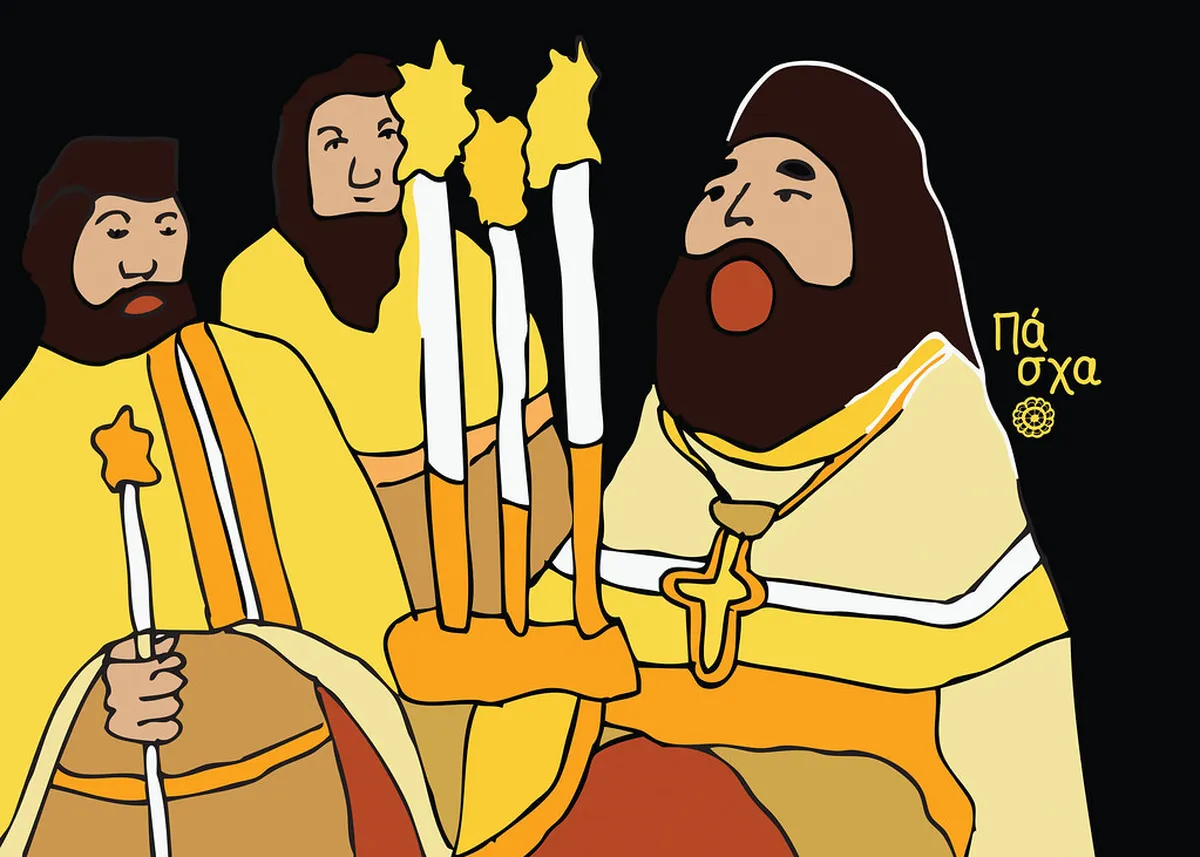
Easter In Greece Orthodox Celebrations Travel Guide
Greek Orthodox Easter 2026 falls Sunday April 12: follow Holy Week day by day, the midnight Christos Anesti candle, plus where to book ferries early.
On this page
Easter In Greece Orthodox Celebrations
Easter in Greece orthodox celebrations stand apart from anything else in Europe. The entire country pauses for a week of candlelit processions, midnight fireworks, and family feasts rooted in two thousand years of Orthodox tradition. Every village square and city church pulls together for Holy Week with an intensity that leaves visitors genuinely moved. This guide walks through exactly what happens and when, so you arrive prepared.
Understanding the structure of the week is the key to getting the most from your visit. The celebrations build day by day from quiet fasting and solemn chanting toward an explosion of joy at midnight on Saturday. Whether you are in Athens, on a Cycladic island, or in a mountain village, the core rituals remain the same. Only the local flavour and scale change.
Free guide: Europe's Festival Calendar
A month-by-month map of Europe's unmissable festivals — with the best dates to visit each and a local tip you won't find in the guidebooks.
When is Greek Easter?
Greek Orthodox Easter falls on a different date than the Catholic and Protestant holiday in most years. The Orthodox Church calculates the date using the Julian calendar and requires that Easter always fall after Passover. In 2026, Greek Easter lands on Sunday, April 12. You can compare this with celebrations in other countries through our guide to easter and holy week celebrations in europe.
The date shifts each year because it depends on the first Sunday after the first full moon following the vernal equinox. This means Greek Easter can land anywhere from late March to early May. Occasionally the Western and Eastern dates coincide, as happened in 2025. Checking the date well in advance is essential for securing flights and accommodation, especially for popular island destinations.
Spring weather across Greece during this window is mild and reliable. Daytime temperatures in April typically sit between 16°C and 22°C on the mainland. The islands are cooler in the evenings, so a light jacket is useful for the late-night church services. Book ferries at least six weeks early — Greek families travel home in large numbers and boats sell out fast.
What is the Greek Lent (Sarakosti) and when does it start?
Sarakosti is the forty-day fasting and preparation period that precedes Easter Sunday. It begins on Kathara Devtera, or Clean Monday, the day after the last carnival festivities end. On that day Greeks fly kites outdoors, eat seafood and vegetables, and formally leave carnival behind. From this point you may hear people greet each other with "Kali Sarakosti", meaning "have a good forty days".
During Lent, strict observers abstain from meat, poultry, dairy, and fish with backbones. Shellfish are allowed, which is why octopus, squid, and mussels dominate tavern menus throughout the fasting period. In practice many Greeks observe only the final week strictly, rather than the full forty days. Restaurants throughout the country mark Lenten-compliant dishes as "nistissima" on their menus.
Lazarus Saturday falls the week before Holy Week and marks a gentle shift in atmosphere. Children in many regions bake small spiced breads called lazarakia, shaped like a figure with arms crossed. You can find a traditional recipe through the famous Greek chef, Akis Ppetretzikis. The day commemorates the resurrection of Lazarus and acts as a joyful preview of the Sunday to come.
Holy Week (η Μεγάλη Εβδομάδα)
Holy Week, known in Greek as Megali Evdomada, begins on Palm Sunday and intensifies with each passing day. Church services are held every evening, and attendance grows steadily from Sunday through to Saturday midnight. Even Greeks who rarely attend church throughout the year make a point of showing up during this week. The atmosphere in every neighbourhood shifts — shops close earlier, music becomes subdued, and the smell of beeswax candles lingers in the streets.
Holy Thursday is the most active day for home preparations. Families dye hard-boiled eggs red on this day to symbolise the blood of Christ. The egg's hard shell represents the sealed tomb of Jesus, while the red colour points to the Crucifixion. On the same day, women bake tsoureki, a braided sweet bread flavoured with mahlab, mastic, and coriander — each spice representing a person of the Holy Trinity.
Holy Wednesday holds its own quieter ritual: the Service of the Holy Unction, held in the afternoon rather than the evening. Children in some areas collect vine leaves on this day to make dolmadakia (stuffed grape vine leaves) the following morning. The week builds a rhythm of cooking, prayer, and communal gathering that visitors can observe and, in most cases, join freely.
Good Friday (η Μεγάλη Παρασκευή)
Good Friday is the most solemn day of the Greek Orthodox year. Flags across the country fly at half-mast and church bells toll in a slow, mournful rhythm throughout the morning. The figure of Christ is taken down from the cross, and the Epitaphios — a flower-decorated bier representing the tomb — is prepared by women and girls in the church during the day. The result is a structure covered in hundreds of fresh blooms that fills the building with an overwhelming fragrance.
In the evening, the Epitaphios procession leaves every local church at around 20:00–21:00. The congregation follows it through the streets carrying beige candles while the choir sings the funeral hymn "Enkoinia". The procession moves slowly through the neighbourhood and returns to the church, where separate processions from different parishes sometimes meet at the main square. In larger towns like Nafplion, a philharmonic band accompanies the procession.
The traditional meal on Good Friday is lentil soup with vinegar, referencing the moment Christ was offered vinegar on the cross. Meat is strictly forbidden and many households also avoid olive oil. Visiting multiple processions from different churches in the same town is perfectly acceptable and gives you a sense of scale — in Athens alone, dozens of parishes are moving simultaneously through the streets around the same hour.
Easter Saturday (το Μεγάλο Σάββατο)
Saturday morning begins with the First Resurrection service, a brief, joyful ceremony where the priest scatters bay leaves and rose-water petals over the congregation. A pigeon is sometimes released inside the church as a symbol of the Holy Spirit. This morning service is far less attended than the midnight mass, which makes it a quieter and more contemplative experience for those who seek it. The rest of the day is dedicated to final cooking preparations and getting dressed for the evening.
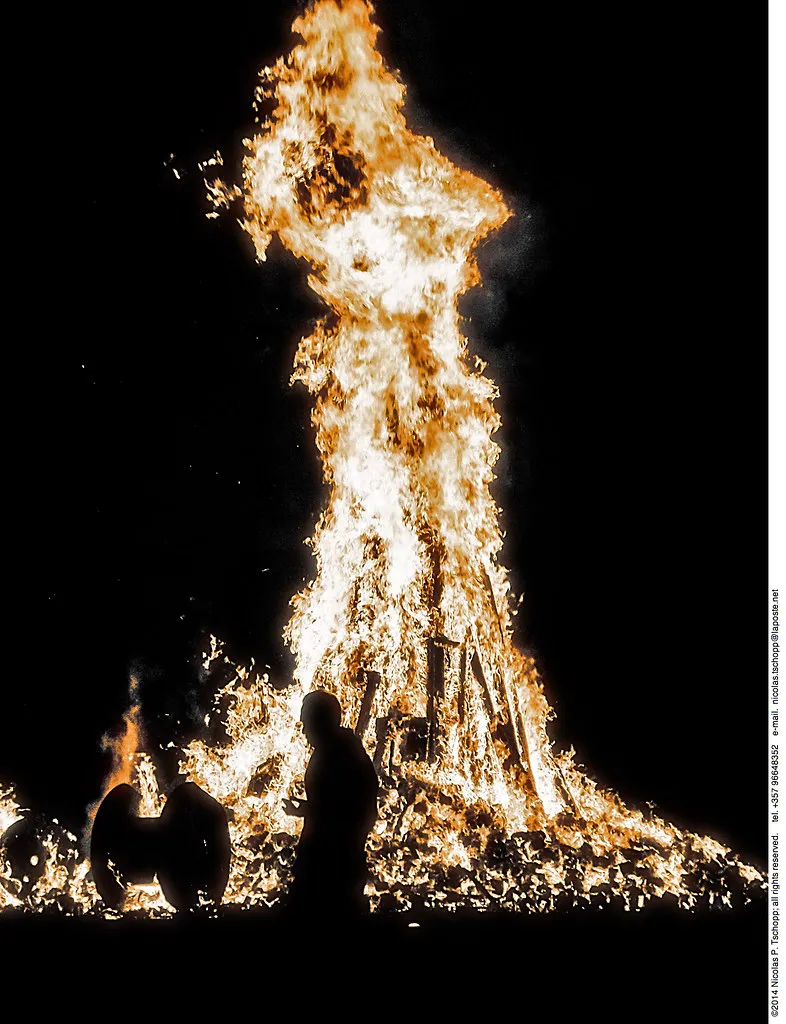
The main event begins at 23:00. By this hour, almost the entire country is either inside a church or gathered in the square outside one. The Holy Fire arrives from Jerusalem every year — carried by plane to Athens and then distributed to churches across the country. At midnight the priest emerges from the sanctuary with a single lit candle and announces "Christos Anesti" (Christ is risen). The light spreads person to person within seconds until the square is a sea of flame.
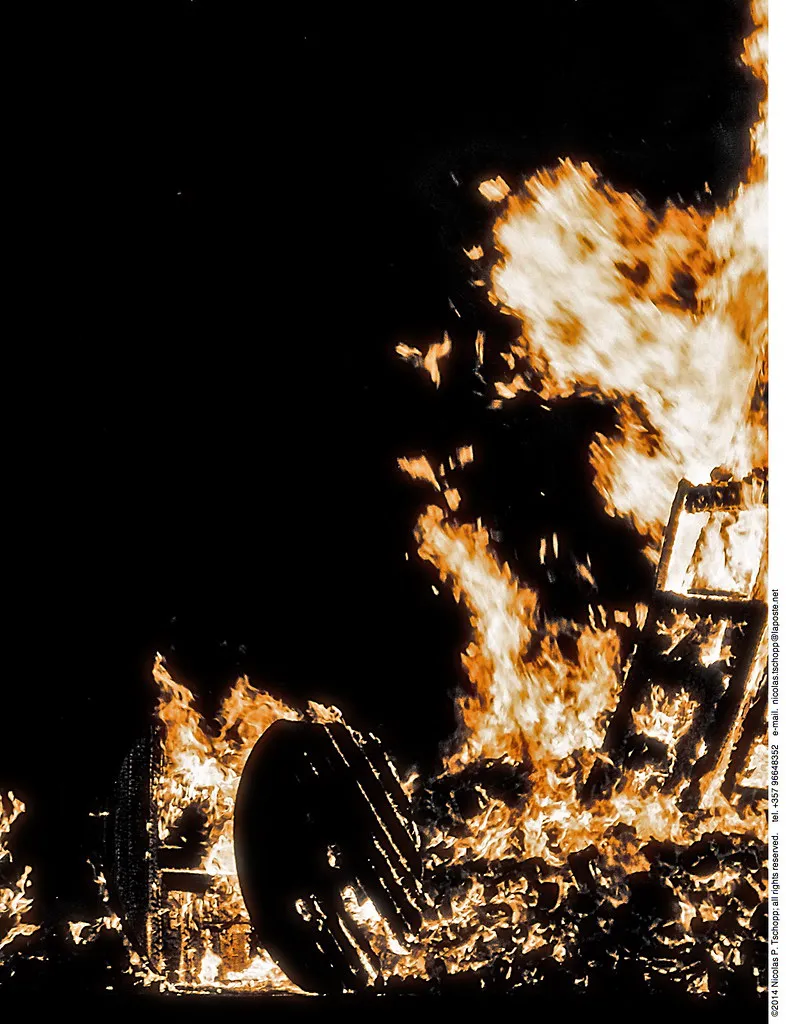
Fireworks, church bells, and in some towns gunshots or dynamite, erupt simultaneously at midnight. The noise lasts for two to three hours and is genuinely spectacular. Greeks then walk or drive home carefully, trying to keep their candle lit all the way to their front door — crossing the threshold with a living flame is considered good luck for the household. Once home, families sit down to magiritsa, a thick soup made from lamb intestines, rice, egg, and lemon that gently breaks the long fast. Saturday is also the night for cracking the first red eggs.
Easter Sunday – Καλό Πάσχα!
Easter Sunday is the day Greeks themselves describe as the best day of the year. From early morning the smell of roasting meat fills every neighbourhood. Lamb or goat goes on the spit before dawn and is tended by whoever drew the short straw. By around 13:00 the extended family gathers — in a village, on a rooftop terrace, or in a countryside garden — for the centrepiece meal of the Greek calendar.
The table centres on spit-roasted lamb, kokoretsi (lamb intestines seasoned with herbs and grilled on the spit), salads, mezedes, and the tsoureki bread baked on Thursday. Vegetarians are not left out entirely — Greek cuisine offers plenty of roasted vegetables, spanakopita, and salads. Wine, tsipouro, and beer flow freely. The egg-cracking game of tsougrisma starts once everyone is seated: players tap their red eggs against each other, and the person whose shell survives the longest is said to have good luck for the year.
Traditional folk music often starts up after lunch, and dancing continues into the evening in larger gatherings. If you are travelling as a visitor, locals are genuinely welcoming during Easter Sunday and it is not unusual to be invited to join a family's table. Saying "Christos Anesti" to anyone you meet will earn you a warm "Alithos Anesti" in return and an instant connection.
Days Before Easter – Fasting Period
The fasting period becomes most intense during the final days of Holy Week. Many people avoid olive oil and wine on Good Friday to show their mourning. Traditional foods like taramosalata (fish roe dip) and halvas (semolina dessert) are common staples during these final days. The kitchen becomes a place of quiet, purposeful activity as families prepare for the Sunday feast ahead.
Baking plays a significant role in the build-up to Sunday. Women often gather to make tsoureki, the sweet brioche-like Easter bread flavoured with mahlab and mastic that scents the kitchen for days. Red eggs are dyed on Holy Thursday to symbolise the blood and rebirth of Christ. These preparations create a busy and aromatic atmosphere in homes across the country in the days running up to the celebration.
The lambada — the Easter candle — is an important symbolic object during this period. Godparents traditionally give their godchildren a decorated lambada along with Easter gifts such as new clothes, shoes, or chocolate. These candles are used to carry the Holy Fire home from midnight mass on Saturday. Keeping the flame alive all the way to your doorstep is considered a blessing for the household in the year ahead.
Easter ABCs
Learning a few Greek phrases goes a long way during Holy Week. The greeting "Kalo Pascha" (Happy Easter) is used in the days leading up to Sunday. At midnight on Saturday, the exchange shifts to "Christos Anesti" (Christ is Risen), answered with "Alithos Anesti" (He has Truly Risen). During the fasting weeks, "Kali Sarakosti" wishes someone a good Lent.
The red eggs are central to Easter ritual beyond just the tsougrisma game. Dyeing them red on Holy Thursday is a family activity that children participate in enthusiastically. The hard shell represents the sealed tomb; cracking it on Saturday midnight symbolises the Resurrection. Many families keep one uncracked egg on the family icon shelf throughout the year as a symbol of blessing.
A practical note on church etiquette: dress modestly for evening services, with shoulders and knees covered. Photography inside the church is generally not appropriate during the service itself, though most Greeks are relaxed about visitors joining the outdoor processions and midnight crowd. Arriving early — by 22:30 on Saturday — means you will have space near the front for the moment the lights go out and the candle appears.
Best Places to Experience Greek Easter
Athens is the most accessible option and scales the celebrations to a dramatic level. Lycabettus Hill and the Panathenaic Stadium area host large crowds for the midnight service. The neighbourhood of Plaka, close to where the Holy Fire is received from Jerusalem, is particularly atmospheric. You can learn more about broader spring events in the region through our guide to easter in italy traditions and where to go for comparison.
Nafplion, a compact Venetian-era town two hours from Athens by car, is a favourite among Greeks for Easter. The philharmonic orchestra accompanies the Good Friday procession, giving it a distinctly ceremonial feel not found everywhere. The narrow streets and the gathering of multiple parish processions on the seafront make for a visually concentrated experience. Accommodation in Nafplion sells out two to three months before Easter, so planning well ahead is essential.
Islands offer more distinctive variations. On Hydra — about two hours by ferry from Piraeus — the Epitaphios is carried to the sea on Good Friday to bless the waters in a tradition tied to the island's seafaring history. On Chios, two rival communities fire thousands of homemade rockets at each other's church towers in the Rouketopolemos, a tradition dating back centuries. Syros is the only place in Greece where Catholic and Orthodox Easter are celebrated jointly, as both communities follow the Orthodox date — a unique act of cross-faith unity worth seeing if you want something genuinely unusual.
How to Plan Your Visit
Many shops and services close during the holiday weekend, particularly on Good Friday and Easter Monday, which are both official public holidays. Verify the operating hours of any museum or archaeological site you plan to visit, as schedules vary. You can find general crowd management strategies for spring religious festivals in our guide on how to watch semana santa processions. Stock up on snacks and water before Friday afternoon.
Transport logistics require careful attention. Ferries and intercity buses fill quickly as Greeks travel home to their villages and islands. Book tickets at least four to six weeks before Easter. City roads during the main processions on Friday and Saturday evenings will be partially blocked — plan to walk rather than drive.
Restaurant reservations for Easter Sunday lunch should be made well before you arrive. The traditional meal is the single biggest event in the Greek dining year and popular tavernas fill up entirely. Choose a venue with outdoor seating if possible to enjoy the spring sun and the scent of roasting meat in the open air. Confirming your table a few days before arrival avoids disappointment on the day.
Frequently Asked Questions
Why do Greek Orthodox celebrate Easter differently?
The Greek Orthodox Church calculates Easter based on the Julian calendar and specific lunar requirements. This often places the holiday one to five weeks after the Western date. For more travel inspiration during the spring, visit the festivian.com blog for event updates.
What do Orthodox say instead of Happy Easter?
While 'Kalo Pascha' is common before the holiday, the specific greeting after midnight is 'Christos Anesti'. This translates to 'Christ is Risen' and is the standard way to acknowledge the resurrection. It is a deeply traditional greeting used by everyone in the community.
What to say to Greeks before Easter?
You should say 'Kalo Pascha' to wish someone a good Easter holiday in the days leading up to Sunday. During the fasting period, you can also say 'Kali Sarakosti' to wish them a good Lent. These phrases show respect for the local culture and religious traditions.
Related: Festivals and Events in Athens · the Athens Epidaurus Festival guide.
Attending easter in greece orthodox celebrations is a life-changing experience for many travelers. The combination of deep spirituality and vibrant community life creates a unique atmosphere. You will leave with a greater understanding of Greek history and modern cultural identity. Plan your visit to coincide with these ancient rituals for a truly authentic adventure.
From the quiet candlelit streets to the smoky Sunday roasts, every moment is filled with meaning. The warmth of the Greek people during this season makes every visitor feel like family. Ensure you book your travel early to secure your place in this annual celebration. We hope this guide helps you enjoy the magic of a Greek Orthodox Easter.
Free guide: Europe's Festival Calendar
A month-by-month map of Europe's unmissable festivals — with the best dates to visit each and a local tip you won't find in the guidebooks.
You might also like


Continue reading
More guides you'll find useful


