
Easter In Italy Traditions And Where To Go Travel Guide
Easter in Italy 2026: time Holy Week from Florence's Scoppio del Carro at 11:00 to the Vatican Urbi et Orbi, with train and museum booking lead times.
On this page
Easter In Italy Traditions And Where To Go
Easter in Italy — called Pasqua — is the country's second most important holiday after Christmas, and it shapes an entire long weekend of rituals, feasts, and street spectacle. There is an old Italian saying that captures the spirit well: "Natale con i tuoi, a Pasqua con chi vuoi" — at Christmas with your family, at Easter with whomever you want. Travelers benefit from that openness: cities welcome visitors into processions, markets, and centuries-old traditions as active participants.
The holiday runs from Palm Sunday through Easter Monday (Pasquetta), with the most intense activity concentrated on the three days known as the Triduum — Holy Thursday, Good Friday, and Holy Saturday. Each day has its own rhythm, and planning around that structure helps you avoid crowds and catch the moments worth traveling for.
Free guide: Europe's Festival Calendar
A month-by-month map of Europe's unmissable festivals — with the best dates to visit each and a local tip you won't find in the guidebooks.
Must-See Easter Attractions
Italy transforms into a stage for dramatic religious reenactments during Holy Week. The most atmospheric events draw crowds, so planning your locations before departure is essential for 2026.
In Sicily, the town of Enna hosts thousands of hooded friars who march through the narrow medieval streets in complete silence on Good Friday. The procession is free to watch from the roadsides, but the town fills quickly — arrive by early afternoon and position yourself near the cathedral for the best vantage point.
In Sulmona (Abruzzo), the Piazza Garibaldi hosts La Madonna che Scappa on Easter Sunday morning at 12:00. A statue of the Virgin rushes across the square to meet the risen Christ in a theatrical reenactment that moves the crowd to tears. This event remains under the radar for international visitors and is one of the most emotionally powerful Easter spectacles in the country.
Venice's St. Mark's Basilica holds an Easter Vigil choral service on Holy Saturday evening that is free to attend but draws standing-room crowds by 20:00. Arrive at least an hour early and check the Basilica's 2026 schedule at basilicasanmarco.it as timings can shift.
Museums, Art, and Culture in Easter
Many major museums remain open on Easter Sunday and Monday, but hours vary significantly from their normal schedules. Advance booking is more important during this period than at almost any other time of year.
The Uffizi Gallery in Florence and the Vatican Museums in Rome both operate during the Easter weekend, but capacity limits fill quickly. Book tickets on the official websites at least two to three weeks in advance for weekend slots. Note one important exception: the Sistine Chapel closes for exceptional liturgical services during parts of the Easter weekend, while the rest of the Vatican Museums stays open — confirm the 2026 access schedule at museivaticani.va before buying a combined ticket.
Smaller civic galleries and regional museums in rural towns often close on Easter Sunday to allow staff to celebrate with their families. Good Friday and Holy Saturday are generally the safest days to visit cultural sites, with lighter crowds and standard opening hours in most cities outside Rome and Florence.
Parks, Gardens, and Outdoor Spots in Easter
Easter Monday — Pasquetta — is the day Italians return to nature. The tradition is deeply practical: families pack the leftovers from the massive Sunday lunch into baskets, grab a grill, and head to parks, hillsides, or coastal reserves for the entire day. It is a picnic holiday first and a sightseeing holiday last.
In Umbria, the Pasquetta traditions go further. The town of Panicale hosts the ruzzolone, a game where large wheels of Pecorino cheese are rolled around a course in the streets. Other towns hold egg-rolling games that echo the Easter Egg Hunt tradition. These events are free, informal, and give a genuine window into regional life that no museum visit can replicate.
Rome's Villa Borghese Gardens and Pincio hill are packed with local families from midday onwards on Pasquetta. The gardens are free to enter and the elevated Pincio terrace has views across the city. For a quieter outdoor option, the Appia Antica park — a few kilometers south of the center — sees far fewer tourists on the Monday and is ideal for a long walk among ancient tombs and aqueducts.
Family-Friendly and Budget-Friendly Options in Easter
The public street events of Easter week cost nothing to attend. Watching a Good Friday procession in any Italian town — even a small one — delivers a memorable spectacle of torchlight, incense, and centuries-old costume without a ticket or a queue.
Children respond particularly well to the egg and chocolate traditions. Most neighborhood pastry shops and supermarkets stock large hollow chocolate Easter eggs throughout the week, and many pasticcerie run egg-decorating workshops for children in the days before Easter Sunday. Ask at your accommodation for local listings.
Small piazza markets appear in many towns during Holy Week, selling artisanal crafts, seasonal flowers, and traditional sweets at prices well below the tourist shop norm. These markets typically run Thursday through Saturday and are a practical way to pick up food souvenirs — colomba cake, almond pastries, local cheeses — at source prices.
How to Plan a Smooth Easter Attractions Day
Easter is one of Italy's busiest domestic travel periods, so logistics require more attention than at other times of year. Train services on Easter Sunday run to a holiday timetable with significantly reduced frequency between major cities. Book Trenitalia or Italo tickets for Easter weekend at least three weeks ahead — seats on Rome–Florence and Rome–Naples routes sell out completely.
Restaurant reservations are essential from Good Friday through Pasquetta. Many trattorias close entirely from Friday evening until Tuesday morning to allow the owners their own family holiday. Those that remain open fill within hours of releasing Easter Sunday slots. Book ahead and confirm the reservation a day before.
Keep a flexible buffer in your itinerary. Public spaces near major processions are sealed to traffic for hours, and street closures in Rome, Florence, and Palermo on Good Friday and Easter Sunday can make navigating between sites unpredictable. Factor in extra walking time and check easter and holy week celebrations in europe to understand how Italy's timing compares to neighboring countries if you are combining destinations.
Food: Italian Traditions from North to South
Italian Easter food varies significantly by region, and understanding that geography helps you order the right things in the right places. Lamb is the universal main course across the country, symbolizing the season and appearing roasted, grilled, or braised with local herbs depending on where you eat.
In Naples, the signature Easter dish is the Casatiello — a dense, savory bread ring packed with salami, cheese, and whole hard-boiled eggs baked inside. It is prepared on Good Friday and eaten cold from Saturday onwards, making it an ideal picnic food for Pasquetta. In central Italy, Umbria's answer is the pizza di Pasqua al formaggio — a tall, airy cheese bread served with local cold cuts at Easter Sunday breakfast before the main meal.
In Lombardy and across northern Italy, the Colomba — a dove-shaped cake made with almonds, candied orange peel, and an almond sugar glaze — is the dessert equivalent of the Christmas panettone. It appears in every bakery and supermarket from late February. Sicily adds its own tradition: aceddu cu' l'ova, decorative dove-shaped cookies with a hard-boiled egg baked into the dough, given as gifts between family members and friends.
Florence: La Festa del Carro
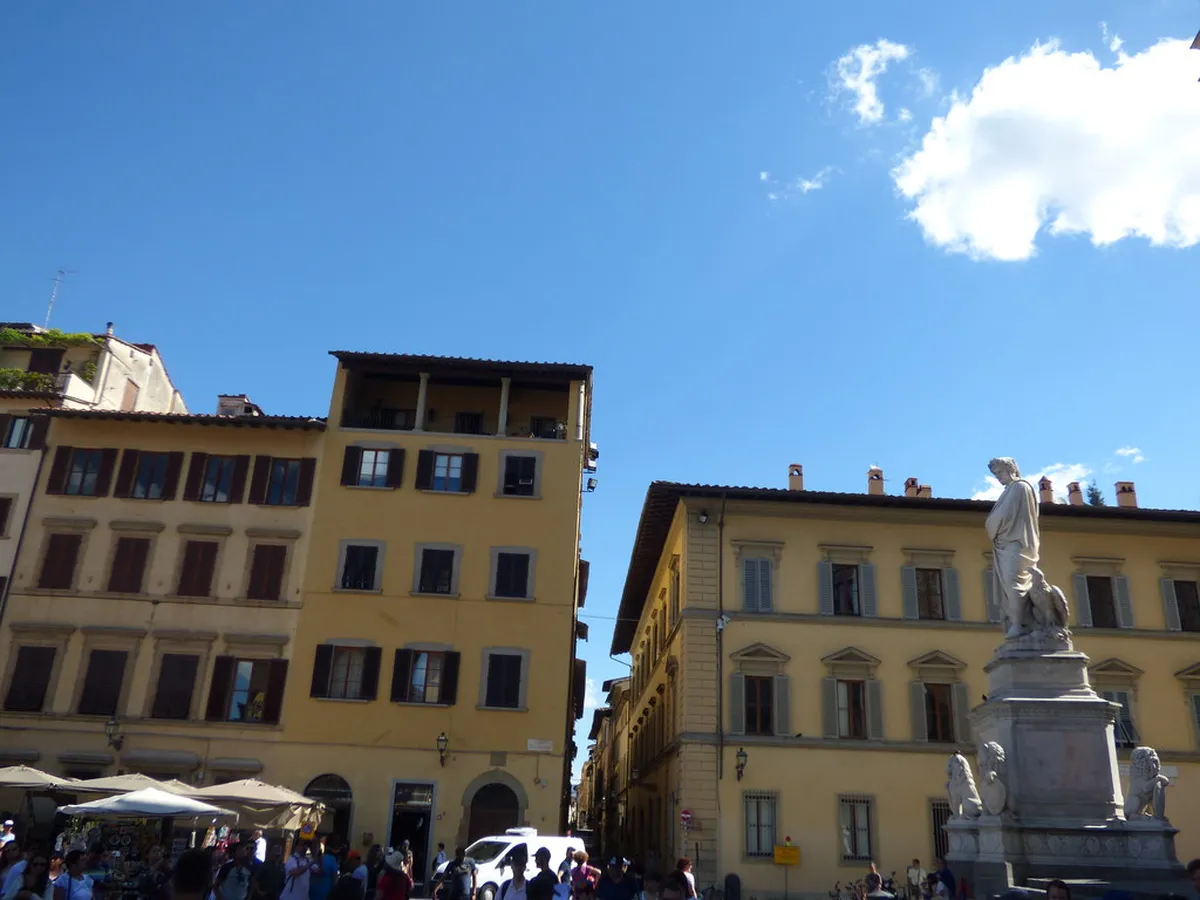
Florence celebrates Easter Sunday with the Scoppio del Carro — the Explosion of the Cart — a tradition that dates to 1096 and the return of the Florentine knight Pazzino de' Pazzi from the First Crusade. The event has run almost every year since and remains one of the oldest unbroken civic rituals in Europe.
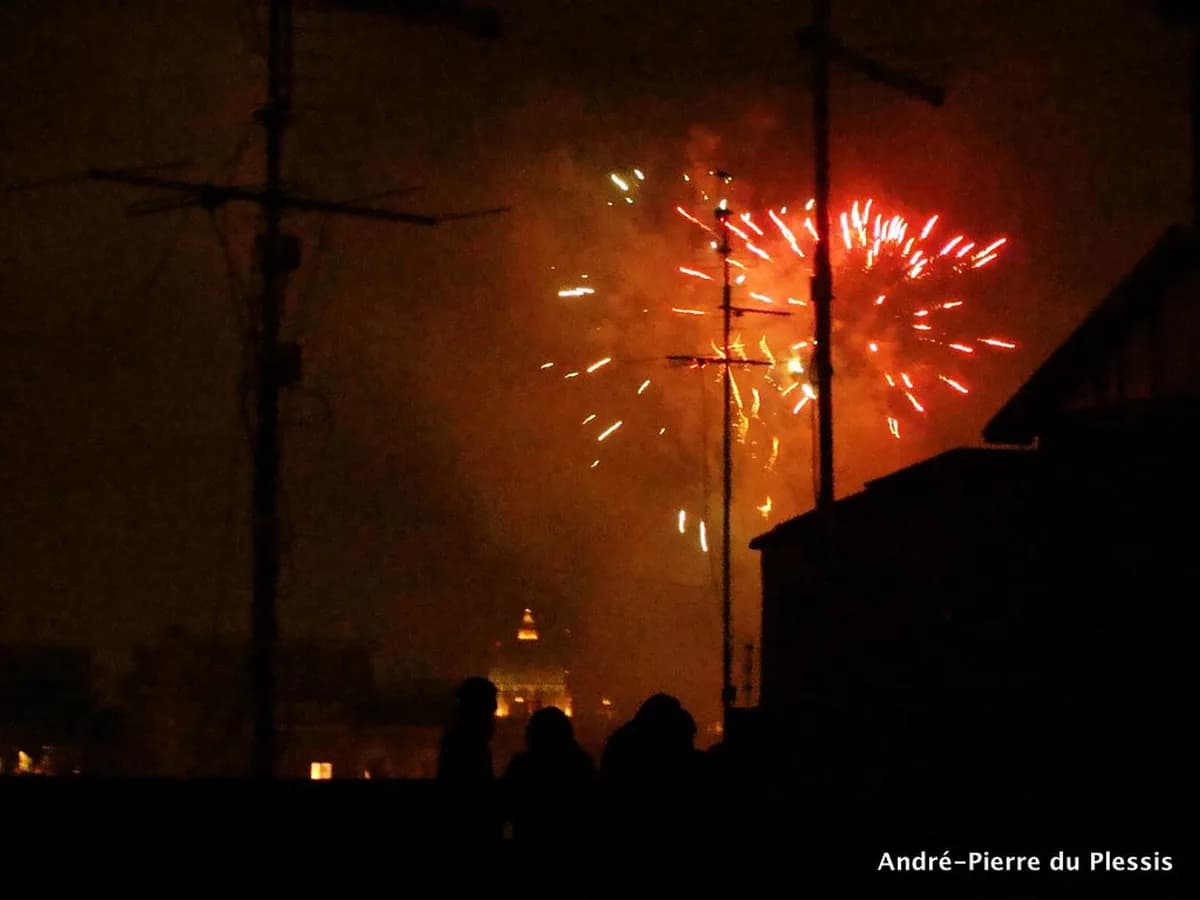
A detailed guide to the scoppio del carro florence easter covers the full logistics, but the essentials: a 30-foot ceremonial cart is pulled by two white oxen through the city center from Porta al Prato, accompanied by 150 musicians and soldiers in 15th-century costume. At 11:00, a dove-shaped rocket — La Colombina — is launched from the cathedral altar along a wire to the cart in the Piazza del Duomo, igniting the fireworks. A good flight predicts a successful harvest; a poor one is considered a bad omen.
Arrive at Piazza del Duomo by 08:00 to claim a standing position near the cart. The procession enters the square around 10:00 and the ignition happens at the close of the Easter mass, typically just after 11:00. The entire event is free and open to the public.
Chocolate and Painted Eggs
Chocolate eggs are the defining visual of the Italian Easter season, appearing in shop windows from early spring. Italian chocolate shops go significantly larger than the supermarket norm — handmade eggs wrapped in bright foil can reach a meter or more in height and almost always contain a surprise gift inside. The quality varies widely; the best come from independent cioccolaterie, not department stores.
The painted hard-boiled egg is a parallel tradition, more common in family homes than in commercial settings. Children color them using natural dyes — beets for red, saffron for yellow, blueberry juice for blue, vinegar for brown — and the eggs appear at the Easter Sunday breakfast table alongside savory breads and cold cuts before the main midday feast. The egg is then blessed during Sunday morning mass in many communities.
How to Celebrate Easter in Italy
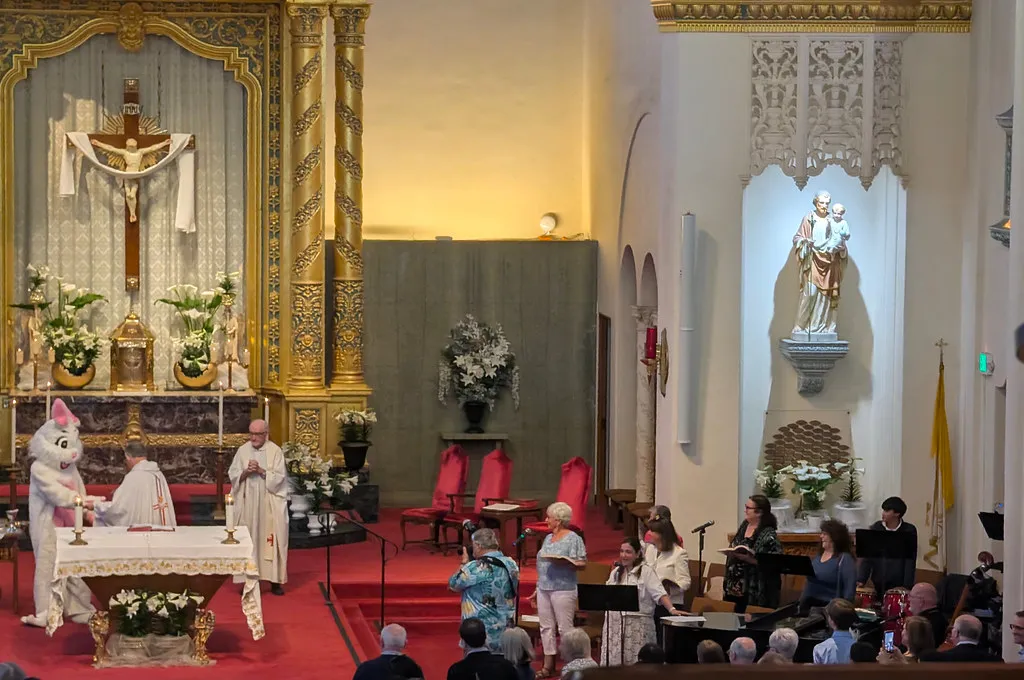
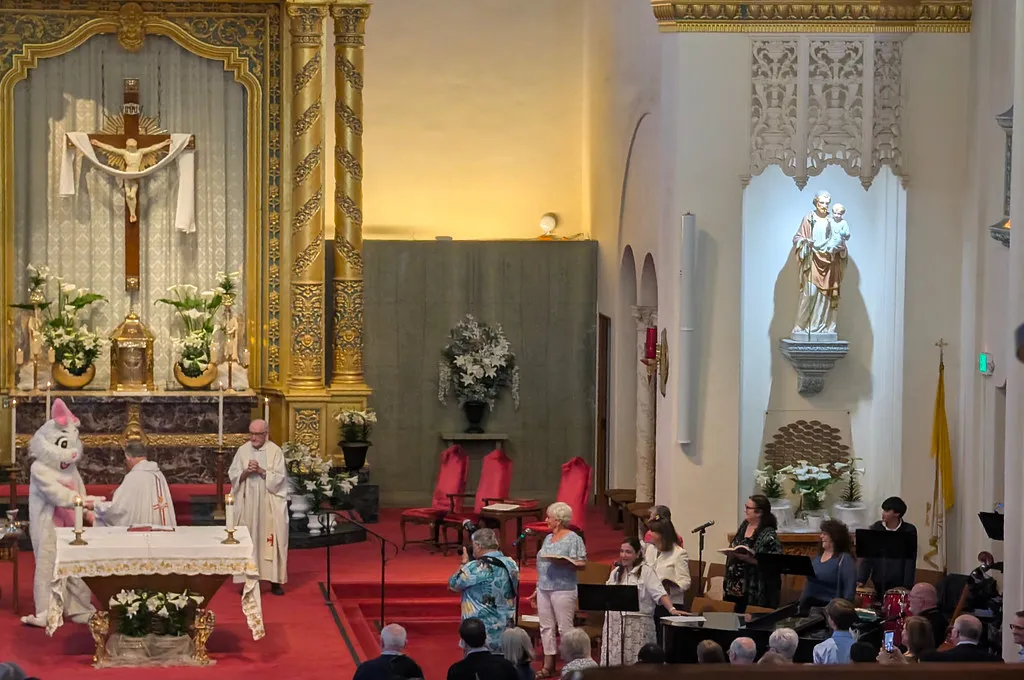
The Italian Easter day follows a clear structure that visitors can slot into. Sunday morning centers on mass — attending even a short service at a local parish, dressed modestly with covered shoulders and knees, gives a genuine sense of the day's religious weight. By midday, the focus shifts entirely to the table. Easter lunch is the longest meal of the year in most Italian households, regularly running three to four hours across multiple courses.
The atmosphere is more intimate and family-centered than easter in greece orthodox celebrations, which tend toward larger communal outdoor gatherings. In Italy the feast is private; the street spectacle happens earlier in the week during the Triduum processions. As a visitor, your best access to the table culture is through an agriturismo Easter lunch booking in the countryside — many farms in Umbria, Tuscany, and Campania open for fixed-menu celebrations that cost €45–75 per person and include wine and traditional desserts.
Learning a few words pays dividends: greet people with "Buona Pasqua" (Happy Easter) and you will receive a warm response from almost everyone you meet. The holiday has a lighter social register than Christmas — that famous saying about being free to choose your companions at Easter reflects a genuine openness that extends to foreign visitors.
Rome: the City of the Vatican and not Only
Rome concentrates more Easter activity than any other Italian city, and the Vatican sets the pace. Easter Sunday at the Vatican draws hundreds of thousands of pilgrims and tourists to St. Peter's Square for the Pope's Urbi et Orbi blessing — free to attend but requiring an extremely early arrival (05:00–06:00) to reach a position within sight of the main balcony. Tickets for the indoor Easter Sunday mass inside St. Peter's must be requested months in advance through the Prefettura della Casa Pontificia.
On Good Friday at 21:15, the Pope leads the Via Crucis — the Stations of the Cross — beginning at the Palatine Hill and proceeding through 14 stations to the Colosseum, accompanied by torchbearers and broadcast live on Italian television. The route is free to watch from the roadside but becomes densely packed. Position yourself near the Arch of Constantine or along Via Sacra by 20:00 for a clear view.
Beyond the Vatican, Rome's own Easter food culture is worth seeking out. Traditional Roman Easter dishes include Pizza Sbattuta (a light sponge cake), corallina salami, Roman-style artichokes, and the classic oven-roasted lamb with new potatoes. Consider staying in Trastevere or Prati for a quieter neighborhood base — both are within walking distance of the Vatican but have more local restaurants and fewer inflated tourist-area prices.
Frequently Asked Questions
Where is the best place to spend Easter in Italy?
Rome and Florence offer the most famous events, but Sicily provides the most traditional atmosphere. For a unique experience, visit the easter and holy week celebrations in europe to see how Italy compares to its neighbors. Smaller towns in Umbria are also excellent for food lovers.
What do Italians do during Easter?
Italians typically attend religious services on Sunday morning followed by a massive multi-course family feast. On Easter Monday, they usually head outdoors for picnics and hiking. This second holiday is a relaxed time for socializing with friends in the countryside.
Are places open on Easter in Italy?
Most shops and many smaller restaurants close on Easter Sunday and Monday. Major museums and tourist attractions usually remain open, but they require advance booking. Always check specific hours for 2026 as local regulations can change depending on the specific city.
Related in Italy: Best Christmas Markets in Italy.
Easter in Italy offers a profound look into the country's soul through its deep-rooted traditions and regional foods.
From the explosive carts of Florence to the quiet picnics of Pasquetta, the variety of experiences is truly vast.
Plan your logistics early to ensure a smooth trip during this busy but beautiful time of year.
Embrace the local customs and enjoy the flavors of spring as you celebrate a memorable Italian holiday.
Free guide: Europe's Festival Calendar
A month-by-month map of Europe's unmissable festivals — with the best dates to visit each and a local tip you won't find in the guidebooks.
You might also like

Continue reading
More guides you'll find useful


