Where to Stay for Semana Santa in Malaga: 8 Local Insights
Plan your Holy Week trip with our guide on where to stay for Semana Santa in Malaga. Compare neighborhoods, find the best procession views, and get booking tips.
On this page
Where to Stay for Semana Santa in Malaga: 8 Local Insights
Malaga transforms into a vibrant stage during the Holy Week celebrations each year. Choosing where to stay for Semana Santa in Malaga determines your entire holiday experience. You must balance the desire for front-row views with the need for a quiet night. This guide helps you navigate the crowded streets and find the perfect neighborhood for your visit.
The city becomes a maze of incense, music, and massive wooden thrones carried by hundreds of people. Finding the right Semana Santa in Malaga dates is the first step in your planning process. Most visitors prefer the historic center, but surrounding areas offer unique benefits for different travelers. We will explore the best districts to ensure you witness every emotional moment of this tradition.
Free guide: Europe's Festival Calendar
A month-by-month map of Europe's unmissable festivals — with the best dates to visit each and a local tip you won't find in the guidebooks.
What is Semana Santa? (A Celebration of Symbolism)
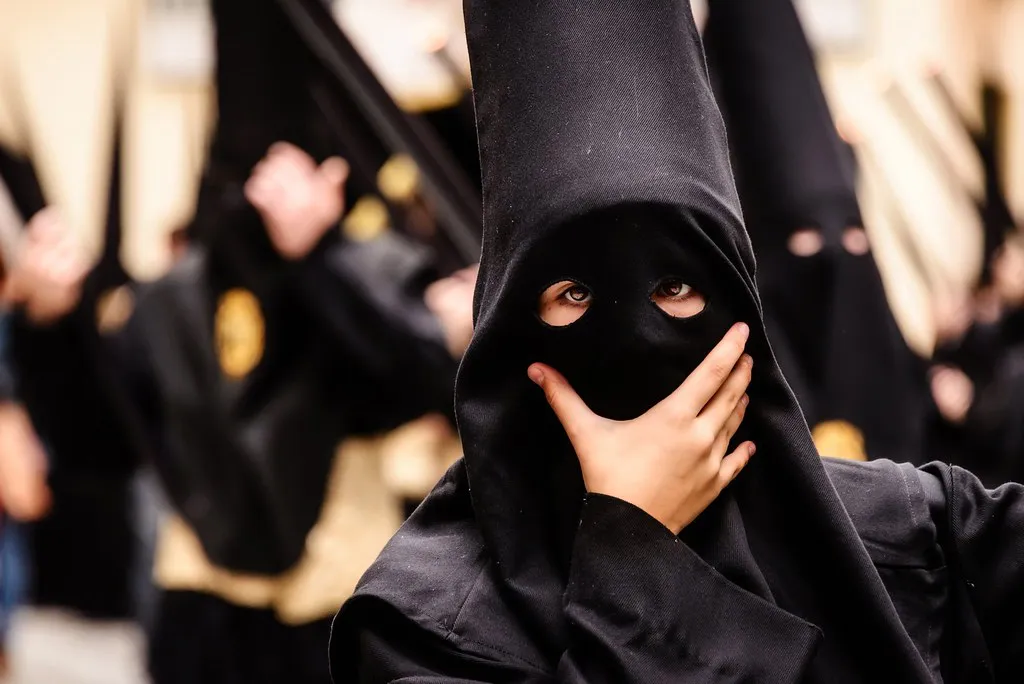
Holy Week is the most significant cultural event in the Andalusian calendar. It is a time when religious brotherhoods bring their sacred images into the public streets. You will see participants wearing traditional robes and pointed hoods known as nazarenos. This event is one of the best festivals in Spain for cultural immersion.
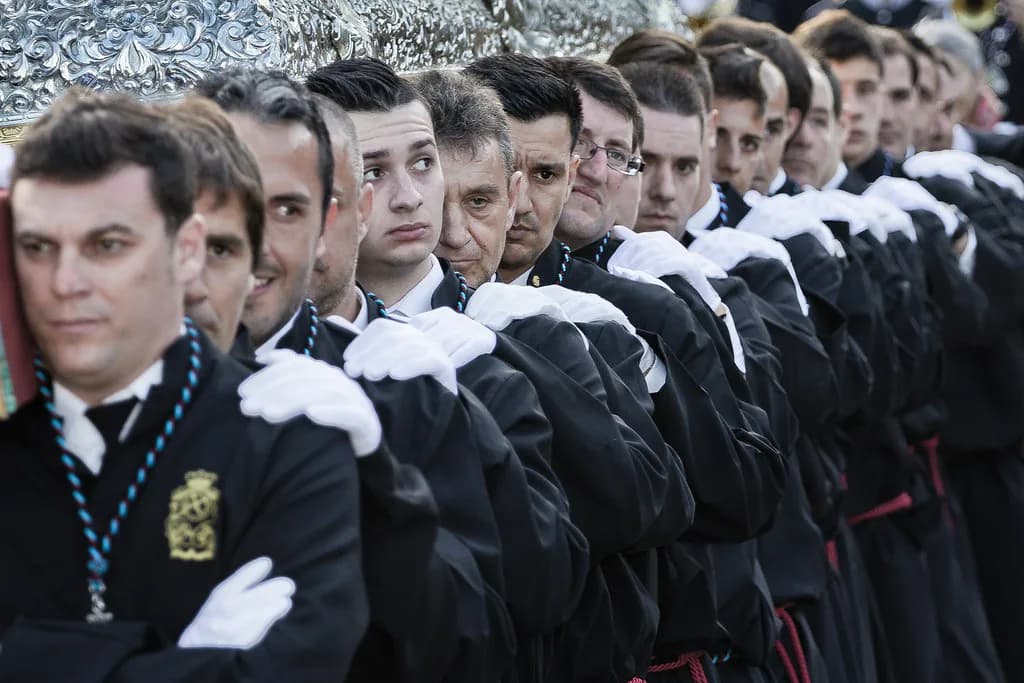
The massive floats, or pasos, are often centuries old and decorated with real gold and silver. Malaga has 45 different brotherhoods, each organizing its own procession spread across the full week. Local men called costaleros carry these heavy structures on their shoulders for many hours at a time. The air fills with the scent of orange blossoms and melting candle wax.
Each brotherhood has its own history and specific colors for their silk tunics. Some processions are silent and somber, while others are festive and loud. Understanding these differences helps you appreciate the various moods of the week. Malaga offers a unique style that differs significantly from the celebrations in other Spanish cities.
Staying in the Historic Center During Holy Week
The Centro Histórico is the heart of the action for every visitor. Staying here means you are steps away from Calle Larios and the main tribune. However, you should expect extreme noise levels until the early morning hours. Consider looking at Semana Santa in Seville dates if you plan to visit multiple cities.
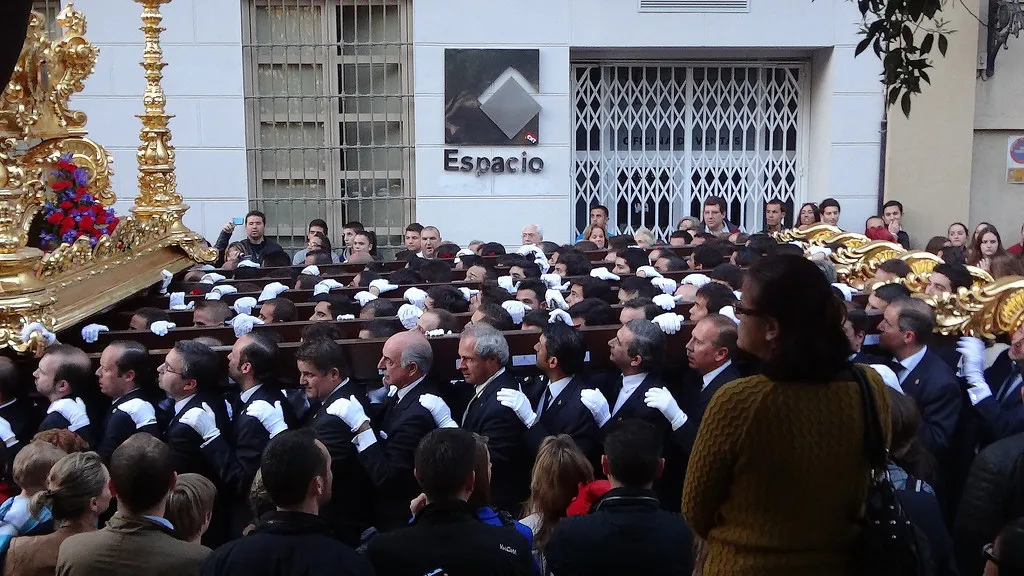
Taxis and buses cannot enter the center once the processions begin each afternoon. You will likely have to carry your luggage through crowded streets to reach your hotel. Hotels in this area often charge a significant premium during this peak travel window. The convenience of a balcony view can justify the higher cost for many families.
El Perchel and Soho are excellent alternatives just outside the main pedestrian zone. These areas provide a better chance of getting a good night of sleep. You can still reach the main procession routes within a ten-minute walk. Many modern apartments in Soho offer great amenities for longer stays.
Front Row vs. Peripheral: Choosing Your Neighborhood
The choice of neighborhood comes down to a single honest trade-off: sleep versus spectacle. Centro Histórico puts you inside the noise from roughly 16:00 to 03:00 on the biggest nights — Maundy Thursday and Good Friday. Soho and El Perchel, both within a 10-minute walk of Calle Larios, give you a functioning night's sleep and meaningfully lower prices. La Trinidad sits further east and gives you something different entirely: an intimate local neighborhood with its own procession routes before the main routes converge downtown.
A helpful rule for first-timers: if this is your only Semana Santa trip, pay the premium for Centro and accept the sleeplessness — it is worth it once. If you have been before or are traveling with young children, base yourself in Soho and walk in each evening. Families traveling with elderly relatives will also find Soho's flat streets easier to navigate than the cobblestones of the old town during procession nights.
Check whether your hotel has a porter or luggage trolley service before you book. The taxis drop point on busy nights can be 600–800 metres from some center hotels. That distance feels much longer at midnight with full bags. Ask the hotel concierge for the nearest authorized taxi stand for Holy Week, as these move each year based on procession schedules.
Notable Processions from San Juan and Beyond
The Church of San Juan is a vital landmark for several famous brotherhoods. On Palm Sunday, the Lágrimas y Favores procession departs from this church at 15:20. This event is famous for its connection to actor Antonio Banderas. Check the Official Malaga Tourism - Holy Week Guide for daily schedule updates.
Staying near San Juan allows you to see the petalada tradition from your balcony. Local residents throw thousands of flower petals onto the Virgin Mary as she passes below. This creates a stunning visual moment that is perfect for photography. The narrow streets around the church amplify the sound of the marching bands.
Morning hours are usually quieter as brotherhoods prepare their thrones inside the churches. You can visit these buildings to see the intricate details of the carvings up close. Many churches offer free entry during the early part of the day. This is the best time to appreciate the craftsmanship without the massive evening crowds.
Strategic Spots for Enjoying Processions (Beyond the Tribune)
The Tribuna de los Pobres is a famous set of stone stairs for local spectators. It offers a high-energy atmosphere and is completely free to the public. You must arrive several hours early to claim a spot on these iconic steps. This location is ideal for those who want an authentic and loud experience.
Calle Larios is the most prestigious street for viewing the main official route. The seats here are reserved and often sell out months in advance. If you stay in a hotel on this street, you have a private front-row seat. The view from a high balcony provides a unique perspective on the sea of nazarenos.
Rooftop bars are becoming a popular way to watch the processions with a drink. They offer a breeze and a break from the heat of the crowded sidewalks. Some hotels offer special packages that include access to their roof terraces. This is a great option for travelers who want comfort and excellent views.
The Arrival of the Legionnaires at the Port of Malaga
The arrival of the Spanish Legion is a highlight of Maundy Thursday. They arrive at the Port of Malaga between 10:30 and 11:00 in the morning. The soldiers sing their anthem while carrying the Christ of Mena at a fast pace. Verify the exact timings on the Spanish Legion Official Arrival Schedule before heading out.
You must arrive at the port at least one hour early to see anything. The crowds are incredibly dense and the sun can be quite strong. Staying in the Soho district puts you very close to the harbor entrance. This event is a must-see for anyone interested in military history and tradition.
The energy of the crowd during this event is unlike any other in the week. People cheer and clap as the legionnaires march through the city streets. The procession eventually leads to the brotherhood house near the river. Be prepared for a long day of standing if you follow the entire route.
Scoping Out Neighborhood Parishes and the Traslado Advantage
Barrio de la Trinidad offers a more intimate look at the local devotion. This neighborhood is home to the famous El Cautivo image. The smaller traslado events involve moving the images from the church to the brotherhood house in the days before Holy Week officially begins. These moments feel more personal and less like a massive tourist attraction.
The traslado is not a small event. The entire parish typically turns out, TV crews included. The holy statues travel atop a smaller float, accompanied by a marching band, with some devotees walking barefoot behind them as an act of piety. If you arrive in Malaga a few days before Palm Sunday and stay near La Trinidad, you can witness multiple traslados for free without competing for position.
Brotherhood houses are often open to the public for a small donation. You can see the massive thrones being polished and decorated with fresh flowers. The scent of thousands of carnations and roses is truly unforgettable. Walking through these quiet neighborhoods provides a peaceful break from the city center.
Staying in a local neighborhood allows you to see behind-the-scenes work. You might see families preparing their traditional robes in the doorways. The local bars serve special Holy Week snacks like torrijas and the regional tortas locas during this time. This is one of the best fiestas in Spain for food lovers too.
Useful Information on Major Procession Routes
The schedule for the week is packed with dozens of different processions. Most routes pass through the official tribune in the Plaza de la Constitución. You can find live updates on the La Opinion de Malaga - Semana Santa Section website. The processions can last up to ten hours from start to finish.
Monday is dominated by El Cautivo, which is the most popular image in Malaga. Wednesday features the liberation of a prisoner by the El Rico brotherhood. This unique tradition dates back to the reign of King Charles III. Good Friday is the most solemn day with silent processions in the dark.
Easter Sunday is a joyful celebration of the resurrection of Christ. The El Resucitado procession departs from San Julián church at 10:00, making it the most family-friendly of the week. The mood shifts from mourning to happiness with bright colors and upbeat music. It marks the end of a long and emotional week for the entire city.
- Palm Sunday starts the week.
- Procession: Lágrimas y Favores
- Time: 15:20 departure
- Location: Church of San Juan
- Atmosphere: High energy
- Holy Monday features El Cautivo.
- Procession: El Cautivo
- Time: 17:30 departure
- Location: Barrio de la Trinidad
- Return: 02:15 AM
- Holy Wednesday offers multiple floats.
- Procession: Fusionadas
- Start time: 17:30
- Key float: Paloma
- Highlight: El Rico
- Good Friday brings solemnity.
- Procession: Dolores de San Juan
- Time: 17:00
- Tone: Silent and serious
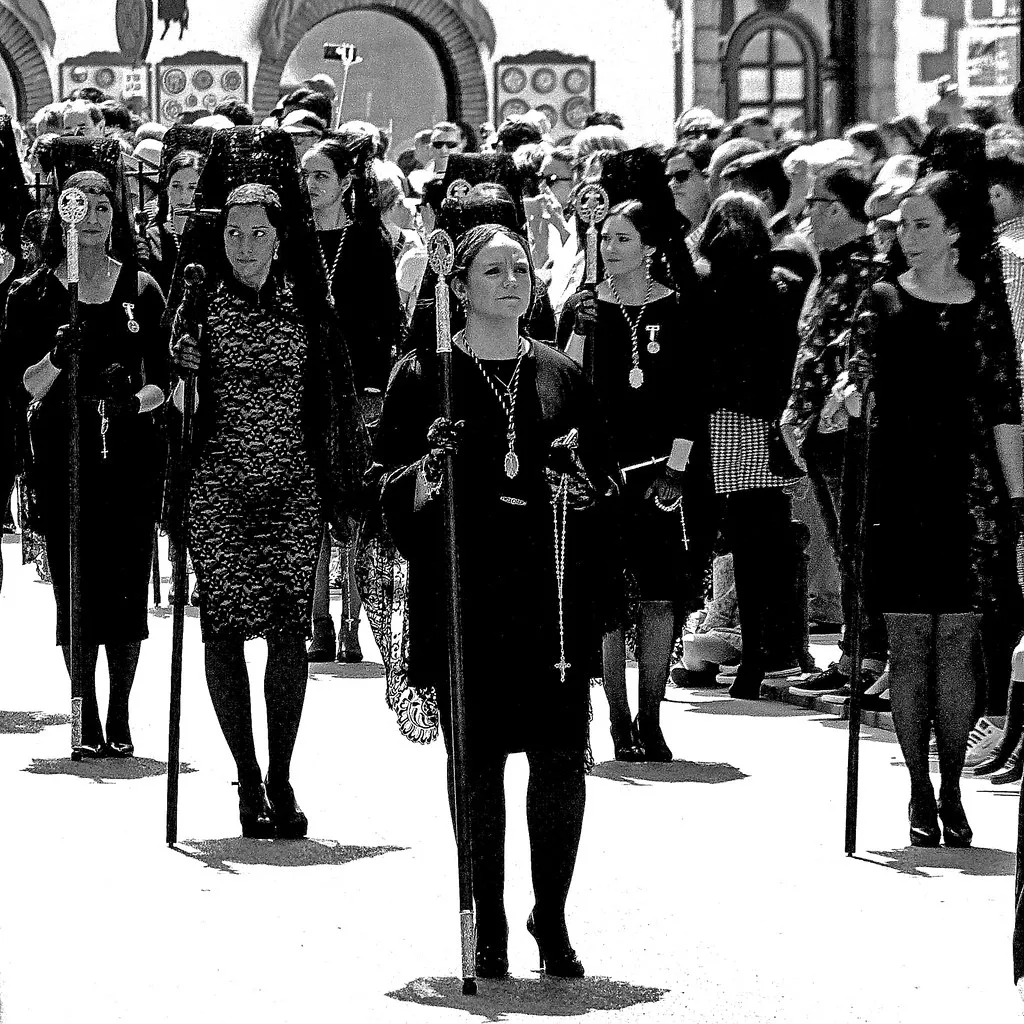
- Style: Traditional black robes
Rain Cancellations: A Risk Every Visitor Should Know About
Malaga averages around 320 sunny days per year, making it one of Europe's sunniest cities. But Holy Week weather is unpredictable, and the brotherhoods will cancel at the first sign of rain. In 2024, more than half of all scheduled processions were cancelled because of wet weather. The gold-embroidered pasos and centuries-old statues cannot be risked in a downpour.
Cancellations are announced the same day, usually in the late afternoon. The La Opinion de Malaga website is the fastest source for updates, and most hotel concierges will also notify guests. When a procession is cancelled, the brotherhood typically opens the doors of the brotherhood house so that worshippers and visitors can still see the completed, fully decorated pasos inside. These impromptu viewings draw large but orderly crowds and are genuinely worth attending.
If you arrive during a rainy Holy Week, build in morning visits to neighborhood churches and brotherhood houses. Most interiors are free or ask a small donation. The experience of seeing a five-ton paso up close, lit by candles inside a quiet brotherhood house, is arguably more moving than watching it from a crowded street. The 2026 forecast for Malaga in Holy Week is not yet confirmed, so check weather services closer to your travel date and keep one rain-day plan in reserve.
Practical Advice for Booking Your Stay
You should book your accommodation at least six months in advance. Prices can triple during the peak nights of Maundy Thursday and Good Friday. Look for apartments with kitchenettes to save money on dining out. Knowing how to get to Semana Santa in Malaga helps with arrival logistics.
Check if your hotel offers a porter service for your luggage. The walking distance from the nearest taxi drop-off can be significant. Pack comfortable shoes because you will be standing and walking for hours. A small portable stool is a common sight among experienced local spectators.
Be aware that many shops and museums have limited hours this week. The city focuses entirely on the religious events in the afternoons. Plan your sightseeing for the morning hours to avoid the closures. Always keep a copy of the official schedule in your pocket or phone.
Frequently Asked Questions
Where are the Semana Santa processions in Malaga?
The processions move through the entire historic center of Malaga. All brotherhoods must pass through the official route, which includes Calle Larios and the Plaza de la Constitución. You can find detailed maps in the Semana Santa in Malaga dates guide to plan your viewing spots.
Is it better to stay in the center of Malaga during Holy Week?
Staying in the center offers the best access but comes with high noise and prices. If you value sleep and lower costs, consider neighborhoods like Soho or El Perchel. These areas are just a short walk from the main action while offering a quieter environment at night.
How do I book seats for the Malaga Easter parades?
Seats in the official tribune and along Calle Larios are managed by the Association of Brotherhoods. These are usually sold as weekly passes and often renew automatically for locals. Tourists should check for remaining individual tickets at the association booth in the city center early in the week.
What time do the Legionnaires arrive in Malaga?
The Spanish Legion usually arrives at the Port of Malaga between 10:30 AM and 11:00 AM on Maundy Thursday. You should aim to be at the harbor by 9:30 AM to secure a viewing spot. The event is extremely popular and attracts thousands of spectators every year.
Deciding where to stay for Semana Santa in Malaga is the key to a successful trip. Whether you choose the bustling center or a quiet neighborhood, the experience will be unforgettable. The combination of history, art, and devotion makes this a world-class event. Prepare for the crowds, embrace the music, and enjoy this unique Spanish tradition.
Free guide: Europe's Festival Calendar
A month-by-month map of Europe's unmissable festivals — with the best dates to visit each and a local tip you won't find in the guidebooks.
You might also like


Continue reading
More guides you'll find useful


