Where To Stay For Semana Santa In Seville: 7 Essential Areas and Tips
Discover the best neighborhoods and hotels for Semana Santa in Seville. Learn about the Carrera Oficial, balcony views, and how to book the perfect stay for Holy.
On this page
Where To Stay For Semana Santa In Seville: 7 Essential Areas and Tips
Seville transforms into a sensory labyrinth of incense and rhythmic drum beats during Holy Week. Thousands of visitors arrive to witness the dramatic religious processions that define the city's heritage. Choosing where to stay for Semana Santa in Seville determines how easily you can navigate these crowded streets. You must plan for limited mobility and high demand well before your arrival.
The city's geography changes completely as massive floats move through the historic center. Streets that are usually quiet become packed with spectators and devoted Nazarenos. Finding a strategic base allows you to retreat from the crowds when needed. It also ensures you are close to the most significant cultural moments of the festival.
Many travelers find the logistics of this week overwhelming without proper local knowledge. Hotels often sell out a year in advance for the most coveted locations. Understanding the layout of the city will help you avoid getting trapped behind procession barriers. This guide covers the best neighborhoods and practical strategies to ensure a memorable and comfortable stay.
Free guide: Europe's Festival Calendar
A month-by-month map of Europe's unmissable festivals — with the best dates to visit each and a local tip you won't find in the guidebooks.
The Impact of the Carrera Oficial on Your Stay
The Carrera Oficial, or Official Race, is the core route all brotherhoods must follow. This path runs from Plaza de la Campana through the historic center, passing directly by the Cathedral of Seville and ending at Plaza Virgen de los Reyes. Every single brotherhood — regardless of where they set out from — must pass through this stretch. Staying near this route offers the most consistent views of every procession, but convenience comes at a real cost.
Metal barriers line these streets to manage the massive flow of people. Crossing the road can take thirty minutes instead of thirty seconds. Pedestrian traffic becomes strictly one-way in several narrow sections of the city center. Plan your daily movements around the Semana Santa in Seville dates to avoid the biggest bottlenecks.
Security personnel and local police tightly control access to the zones surrounding the Cathedral. If your hotel is within this zone, you may need to show your booking confirmation to pass barriers. Always carry a printed or digital copy of your reservation. Noise levels in this area remain high until the very early hours of the morning every single night of the week.
The "Locked-In" effect is a real concern for those staying directly on the procession path. Once a brotherhood enters a street, all movement stops until the entire group passes. This can take over an hour for the larger fraternities. Check the daily schedules published by the Council of Brotherhoods so you do not miss dinner reservations or transport connections.
El Centro: The Epicenter of Processions
El Centro serves as the primary hub for the city's most frequent processions. Staying here places you steps away from the main action and landmark squares like Plaza de San Francisco. You can watch the processions from street-level cafes or public plazas without walking anywhere. Expect significantly higher prices for this prime location during Holy Week.
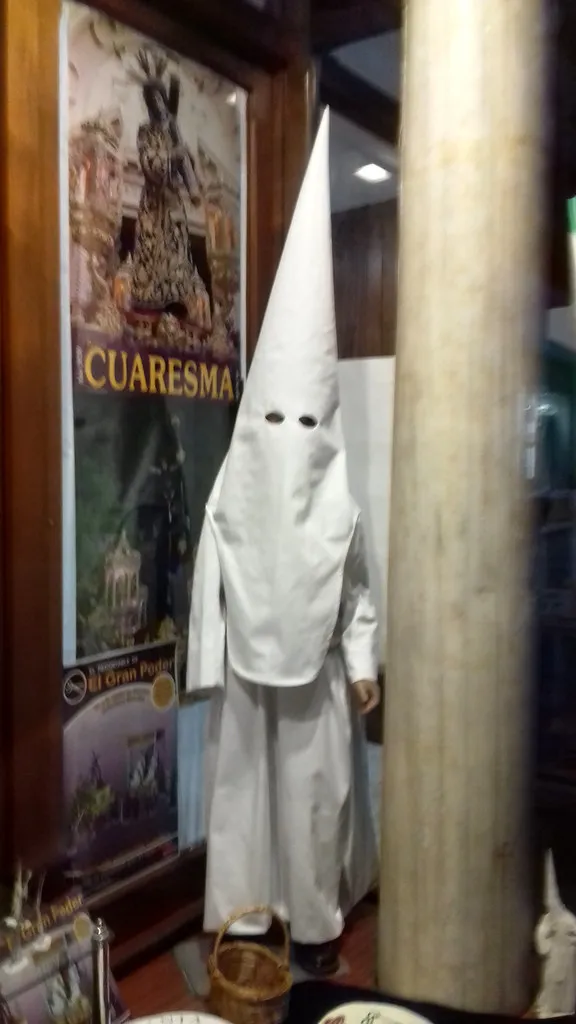
This neighborhood suits travelers who want to be immersed in the energy. You will hear brass bands and drum corps from your room throughout the day and well into the night. It is the best place to experience the best festivals in Spain at full intensity. Many shops and restaurants remain open to cater to the passing crowds.
Finding quiet in El Centro is nearly impossible during peak Holy Week. The streets rarely empty, even at 3 AM after late-night processions. If you need sleep, look specifically for hotels with interior courtyards or rooms facing away from the street. Ask the property directly whether they have soundproofed rooms — it is a legitimate question in this neighborhood.
Taxis and ride-share services cannot reach most hotel doors in El Centro during the week. Be prepared to walk several blocks with your luggage upon arrival. Contact your hotel in advance to find the nearest vehicle drop-off point and get clear directions on foot from there.
El Arenal: Upscale Stays Near the Cathedral
El Arenal sits just west of the Cathedral, bordered by the Guadalquivir River. It is home to some of the city's most luxurious hotels and fine dining options, and it provides a slightly more open feel compared to the dense alleys of the old town. The wide Paseo de Colón offers a welcome respite from the claustrophobic center after a long evening on the streets.
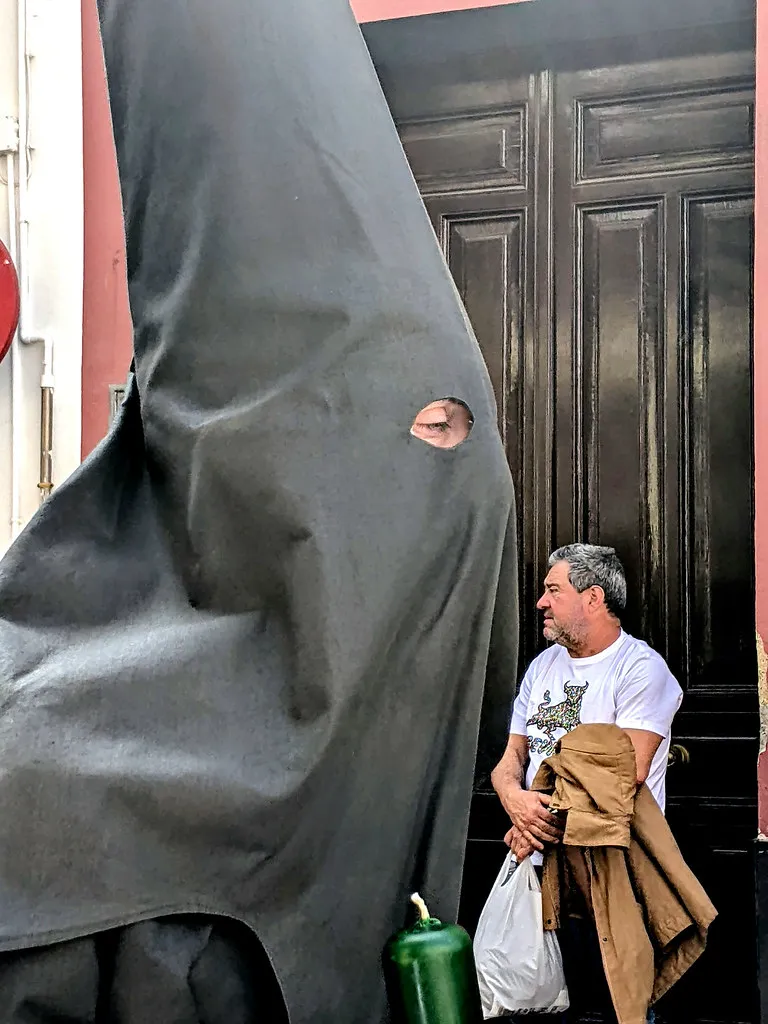
Many properties in this district feature rooftop terraces with views of the Giralda tower and the Real Maestranza bullring. Watching a nighttime procession from a rooftop is a completely different experience from the street. You see the entire float from above, the candlelight, and the rhythm of the penitents without being pressed into a crowd. The competitor advantage is real: rooftop access matters as much as balcony access here.
Balcony rooms in El Arenal are among the most coveted accommodation in all of Spain during this week. These rooms allow you to watch processions in private without fighting for pavement space. You will pay a significant premium — sometimes 150–200% above the hotel's normal rate — for a room with a confirmed direct view of the route. Always ask the hotel for photos of the specific room's view before booking, as some balconies offer only a partial sightline.
El Arenal also provides easy access to Triana via the Isabel II Bridge. This means you can experience the bridge-crossing moment — one of the most emotional scenes of the week — without needing to stay on the other side.
Santa Cruz: Navigating the Narrow Streets
Santa Cruz is the former Jewish quarter and the most picturesque part of Seville. Its winding alleys and white-washed buildings create a magical backdrop for the passing religious floats. Staying here allows you to witness some of the most intimate moments of the brotherhoods, including processions that weave through narrow gates barely wider than the pasos themselves.
The narrowness of the streets in Santa Cruz creates unique challenges. Crowds can become extremely dense, making movement difficult during peak hours. You might find yourself held in a small plaza for an hour while a float navigates a tight corner. Budget travelers can find several central options by checking the hostel listings through Just a Pack - Hostels in Seville.
Boutique hotels in this area are often converted historic mansions with beautiful interior patios. These properties offer a sense of place that modern hotels cannot replicate. You will be within walking distance of the Alcázar and the Cathedral, and many processions pass through this neighborhood on their way to the Carrera Oficial. The patio-facing rooms are significantly quieter than those facing the street.
Navigating Santa Cruz requires patience and a downloaded offline map. It is easy to get lost in streets that look nearly identical. During Semana Santa, some shortcuts become blocked by temporary seating or barriers. Always leave extra time when trying to reach a specific destination within this district.
La Macarena: The Emotional Heart of Holy Week
No guide to lodging during Semana Santa is complete without addressing La Macarena. This northern neighborhood is home to the Brotherhood of La Macarena, whose procession on the night of Holy Thursday into Good Friday morning is widely considered the most emotionally charged event of the entire week. Thousands of Sevillanos line the streets in silence or tears as the statue of the Virgen de la Macarena passes before dawn.
Staying in La Macarena puts you steps from the Basilica de la Macarena, where the brotherhood departs and returns. You can watch the return procession — which typically arrives in the early hours of Good Friday morning — without navigating the packed center. The neighborhood has a deeply local character and accommodation here tends to be more affordable than El Centro or El Arenal.
The trade-off is distance from the Carrera Oficial. You will need to walk or take a diverted bus route to reach the Cathedral area. The neighborhood's wide avenues around the city walls are far easier to move through than the narrow alleys of Santa Cruz. For visitors who prioritize authenticity over convenience, and who specifically want to witness La Macarena's departure in full, this is the strongest sleeper pick that most accommodation guides overlook entirely.
Triana: The Soul of the Brotherhoods
Triana sits across the Isabel II Bridge and maintains a distinct identity from the rest of Seville. This neighborhood is the birthplace of many famous flamenco artists and the home of several beloved brotherhoods. Staying here offers a more authentic and local perspective on the festivities, away from the tourist density of the center.
Watching a Triana brotherhood cross the bridge into the city center is a highlight that draws crowds from across the city. The devotion of residents here is palpable as the local statues depart their home church. Many traditional bars in Triana serve as gathering points for locals who discuss and celebrate each night's events. It is a great vantage point to consider whether is Semana Santa in Seville worth it for your specific travel style.
The distance from the main Cathedral route means Triana can be quieter during daytime hours. However, the streets come alive when local processions move through the neighborhood. Apartment rentals and smaller hotels here are generally more affordable than stays in El Centro or El Arenal. This makes Triana the strongest budget-to-value option for visitors who want atmosphere without paying peak-center prices.
Crossing the bridge can become a bottleneck during the most popular procession times. Check the daily schedules to ensure the bridge is open for pedestrians when you need it. The walk to the Cathedral under normal conditions takes about fifteen to twenty minutes. Triana offers a genuine escape while keeping you within reach of the main events.
Neighborhood Comparison: Noise, Price, and Mobility
Every neighborhood in central Seville involves trade-offs during Holy Week. El Centro gives you the most procession access but the least sleep and the highest prices. El Arenal combines luxury with good access and slightly more open streets, but commands a premium comparable to El Centro. Santa Cruz delivers atmosphere and history but very limited mobility at peak hours. Triana and La Macarena offer authentic local character and lower prices, with the cost of extra walking distance to the Carrera Oficial.
A simple way to think about the choice: if you are a first-time visitor who wants to see everything, choose El Centro or El Arenal and accept the noise. If you are a returning visitor or someone who values sleep and local texture, choose Triana or La Macarena and plan your walking routes in advance. Santa Cruz suits those who want the aesthetic backdrop and do not mind getting lost — literally and figuratively.
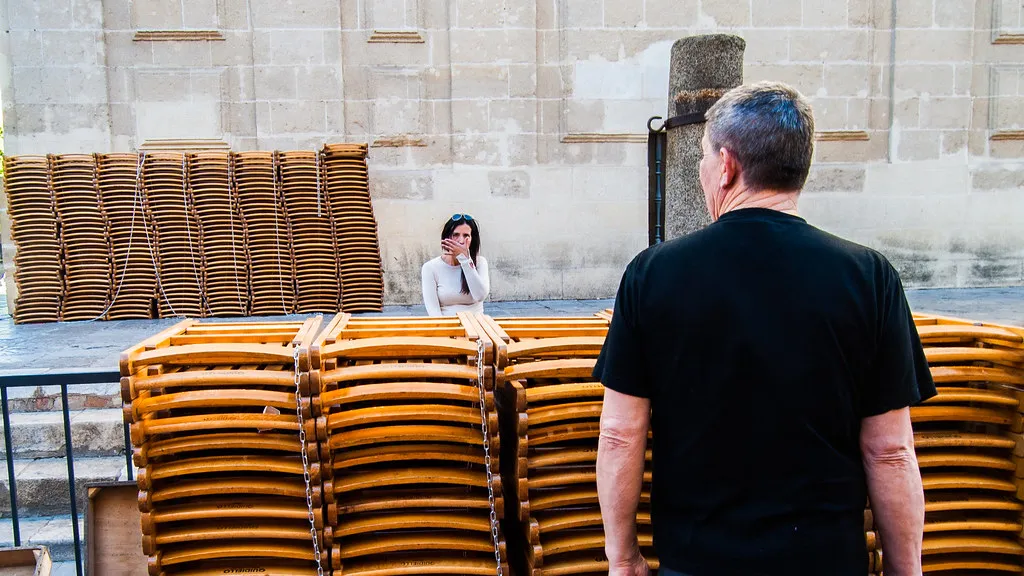
One practical detail most visitors miss: along the Carrera Oficial, chairs can be rented from local organizers for spectators who want a fixed viewing position without standing for hours. If your hotel is not on the route, renting a chair for a few euros gives you a reserved spot for specific processions without needing to arrive two hours early. This is a genuinely local approach that avoids both the premium of a balcony room and the exhaustion of standing all evening.
Essential Booking Strategies for Holy Week
Booking your accommodation at least six to nine months in advance is the minimum. Many repeat visitors book their rooms for the following year as they check out. If you wait until the last minute, you will face extremely high prices and very limited options in the best neighborhoods. Use reliable platforms to compare Semana Santa in Seville tickets and tours alongside lodging early in the same planning session.
Hotel prices during Holy Week often double or triple compared to a normal week. Be prepared for non-refundable deposits and strict cancellation policies at most properties. Always read the fine print before confirming your reservation. Many hotels require a minimum stay of three to five nights during this period, which means a short visit may force you into paying for nights you do not use.
Verify the specific view from your room before paying a balcony premium. Some balconies face a side alley rather than the main route. Ask the hotel for photos of the exact view from the room number you are considering. This is a standard request during Semana Santa — any reputable property will be accustomed to it.
If budget is the primary constraint, consider neighborhoods like Nervión or Los Remedios. Both offer modern hotels at more reasonable rates and metro access to the historic center. This strategy allows you to attend the most important processions without paying the central premium for every night of the week.
Survival Tips: Crowds, Closures, and Etiquette
Learning how to cross a procession is the most important practical skill for any visitor. You must never walk through the lines of Nazarenos while they are moving. Wait for a natural gap in the procession or for the group to come to a complete stop — this happens regularly, as the floats are enormously heavy and the carriers need rest. Follow the instructions of the local stewards, known as costaleros' helpers, who manage pedestrian flow at crossing points.
Public transport schedules change significantly to accommodate the street closures. The metro often runs extended hours to help people get home after late-night processions. Buses are diverted away from the city center, so check local transport apps for real-time updates each morning. Do not assume the route that worked on Monday will still be running on Wednesday.
Respect the atmosphere of the event by dressing appropriately. There is no formal dress code for tourists, but many Sevillanos dress well for the evening processions. Avoid very casual beach attire or revealing clothing when standing near the religious floats. A smart-casual look blends in with the crowd and shows respect for a ceremony that carries profound meaning for local families.
Keep your daily schedule flexible. Processions can run late or be briefly delayed by logistical issues. Carry water and small snacks, as restaurants will be fully booked and street stalls have long queues during peak hours. Know what to expect regarding what to wear to Semana Santa in Seville before you pack, as comfortable footwear is non-negotiable for days that easily exceed 20,000 steps.
Frequently Asked Questions
Where is the best place to see Semana Santa in Seville?
The best place to see the processions is along the Carrera Oficial, especially near the Cathedral. You can also find great views at the Plaza de San Francisco or the bridge in Triana. For more details on the logistics, check how to get to Semana Santa in Seville for transport tips.
Should I visit Seville during Holy Week?
You should visit if you enjoy deep cultural traditions and dramatic public events. It is a busy and loud time, so it may not suit those seeking a quiet vacation. The experience is unique and offers a profound look into Spanish religious heritage and local art.
Where should I avoid staying in Seville during Holy Week?
Avoid staying directly on the Carrera Oficial if you are sensitive to noise or have mobility issues. These areas are extremely crowded and can be difficult to access with luggage. Consider quieter neighborhoods like Nervión if you prefer a more relaxed environment away from the main procession routes.
Visiting Seville for more than one festival? See our complete guide to festivals and events in Seville.
Choosing the right neighborhood for your stay in Seville will define your Holy Week experience. Whether you prefer the luxury of El Arenal, the local atmosphere of La Macarena, or the budget-friendly charm of Triana, early planning is essential. Understanding the city's logistics ensures you can enjoy the processions without unnecessary stress.
Semana Santa in 2026 is a time of incredible beauty and deep tradition. By following these neighborhood-by-neighborhood tips and booking well ahead, you can find a comfortable base to witness one of the most significant festivals in the world. Prepare for the crowds, embrace the atmosphere, and let the music find you.
Free guide: Europe's Festival Calendar
A month-by-month map of Europe's unmissable festivals — with the best dates to visit each and a local tip you won't find in the guidebooks.
You might also like


Continue reading
More guides you'll find useful