
How To Watch Semana Santa Processions Travel Guide
Watch Seville's Semana Santa like a local: free street spots, La Madrugada's 02:00-04:00 peak, balcony rentals from 70 euros, and the El Llamador tracking app.
On this page
How To Watch Semana Santa Processions
Last updated February 2026. Seville transforms into a theater of faith and tradition during Holy Week. Knowing how to watch semana santa processions requires careful planning and local insight. This guide helps you navigate the crowded streets of Andalusia's capital.
Over sixty brotherhoods carry massive floats through the historic center. The city smells of bitter orange blossoms and heavy beeswax incense. You will encounter thousands of people lining the narrow cobblestone alleys. Success depends on understanding the complex schedules and route maps.
Many visitors find the scale of the event overwhelming at first. Preparation ensures you see the most iconic images without getting trapped. We provide the logistics needed for a respectful and memorable experience. Explore our semana santa in seville guide for deeper cultural context.
Free guide: Europe's Festival Calendar
A month-by-month map of Europe's unmissable festivals — with the best dates to visit each and a local tip you won't find in the guidebooks.
Where and How to Watch the Processions
Watching the processions is primarily a free street-level experience. Most people stand for hours in specific spots to see their favorite brotherhood. Public areas are free but require arriving several hours before the scheduled time. Expect to wait in tight crowds known locally as bullas.
Renting a balcony offers a premium view away from the heat. Prices for a single afternoon usually range from €70 to €150 / ~$77 to ~$165. These spots provide comfort and excellent angles for photography or video. Official chairs in the Carrera Oficial are mostly reserved for local families.
Compare the different viewing methods to find your best fit. Street standing is best for budget travelers and those seeking raw energy. Balcony rentals suit those who prefer safety and a guaranteed seat.
- Street Standing (Free): costs nothing and allows you to move between different locations. Expect to wait 2–4 hours for a front-row spot near the churches. Best for energetic travelers who do not mind standing in dense crowds.
- Balcony Rental (€70–€150 / ~$77–$165): provides a private view of the floats from the first or second floor. Usually includes snacks and drinks for the duration of the procession. Must be booked months in advance through local agencies or private owners.
- Carrera Oficial Chairs (€100+ / ~$110+): located along the official route from Campana to the Cathedral. These seats are extremely difficult for tourists to obtain. Verify availability on the Consejo General de Hermandades official website.
How to Plan Your Viewing Day
Planning your day starts with a firm understanding of the itinerario. The earliest processions leave their parish churches around 13:00 but the city centre will not get busy until 16:00–17:00. Processions continue throughout the night and sometimes until dawn. The city becomes a maze of blocked streets and one-way pedestrian flows.
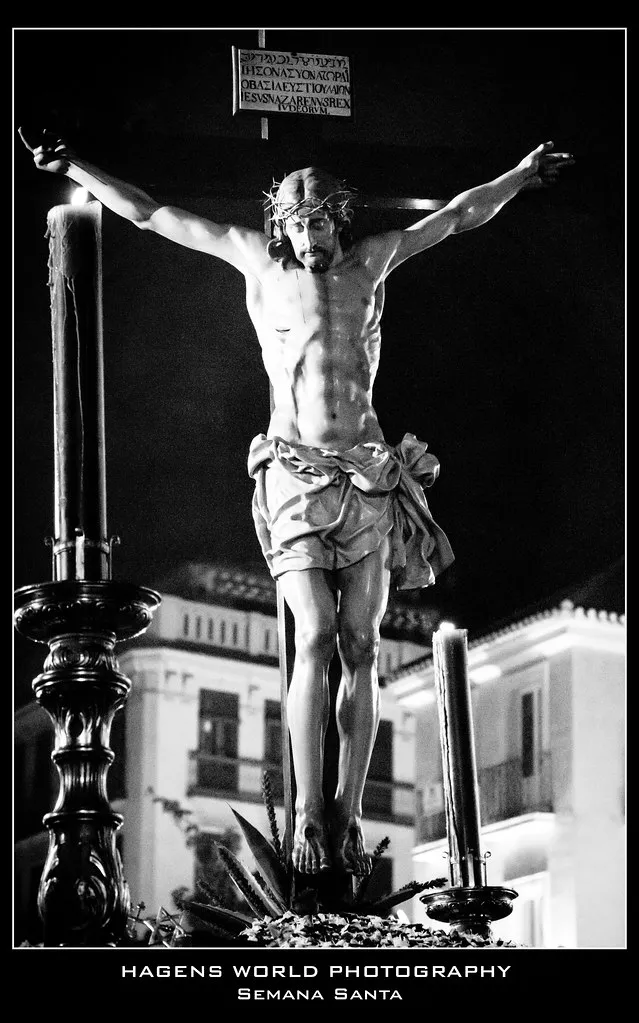
La Madrugada — locally called La Madrugá — is the most famous night of the entire week. It begins at midnight on Holy Thursday and features the most iconic floats, including La Macarena and El Silencio. Crowds reach their absolute peak between 02:00 and 04:00. Wear comfortable shoes as you will likely walk several miles before sunrise.
- Download the El Llamador app: get the official app for real-time tracking of every brotherhood in Seville. The app is free and shows exact street locations and delay updates. Ensure your phone is fully charged as GPS drains the battery quickly.
- Pick one must-see brotherhood daily: select one major procession to focus on rather than chasing every float. Popular brotherhoods like San Gonzalo or El Silencio require early arrival. Arrive at your chosen spot at least two hours before the float arrives.
- Map out your escape routes: identify side streets that remain open to avoid getting stuck in bullas. Police often close certain alleys to manage the flow of the massive crowds. A common mistake is entering a narrow street with no visible exit.
- Pack essential supplies for the day: carry a small bottle of water and light snacks to avoid high prices. Typical snacks cost €3–€6 / ~$3–$7 at local kiosks during the event. Include a portable power bank to keep your tracking apps running all day.
- Respect the silence of the solemn brotherhoods: observe total silence when the black-clad penitents pass by in the evening. These processions usually occur late at night and demand a somber atmosphere. Turn off your camera flash to avoid disrupting the religious solemnity.
What Happens Each Day of Holy Week
Each day of Semana Santa has its own character and its own processions. Palm Sunday (Domingo de Ramos) is the gentlest entry point for first-timers. The La Borriquita brotherhood depicts Christ's entry into Jerusalem, and many onlookers carry small olive branches given out at morning Mass. It is a colorful and welcoming start to the week.
Holy Monday and Tuesday bring the middle-tier processions. The University of Seville's El Estudiantes paso is considered one of the most beautiful floats in existence, though it only goes out if weather permits. By Holy Wednesday the pace intensifies and processions run until the early hours of the morning.
Holy Thursday (Jueves Santo) is when the week shifts into a different register entirely. Women in traditional Andalusian mantillas and men in black funeral dress fill the streets. Church bells fall silent at noon and will not ring again until Easter Sunday morning. This is the day that leads into La Madrugada, so save your energy for the night.
Good Friday marks the most solemn phase of the week. Seven brotherhoods go out, featuring penitents carrying wooden crosses in bare feet. Easter Sunday itself is comparatively quiet in Seville — only one procession, La Resurrección, goes out. Most locals leave the city for the beach by Saturday, so it is the easiest day to move around freely.
Understanding What You Are Watching
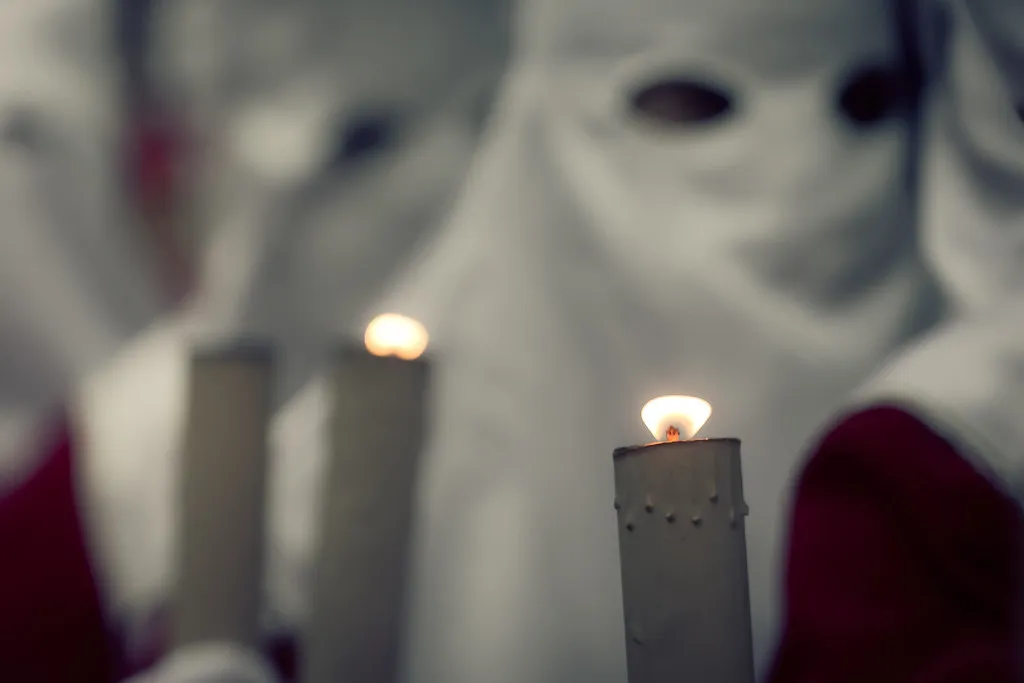
The rituals of Seville are deeply rooted in centuries of religious history. Each procession is led by the Cruz de Guía, the guiding cross. Nazarenos follow behind, wearing distinctive conical hoods known as capirotes. They carry long wax candles that drip onto the cobblestone streets.
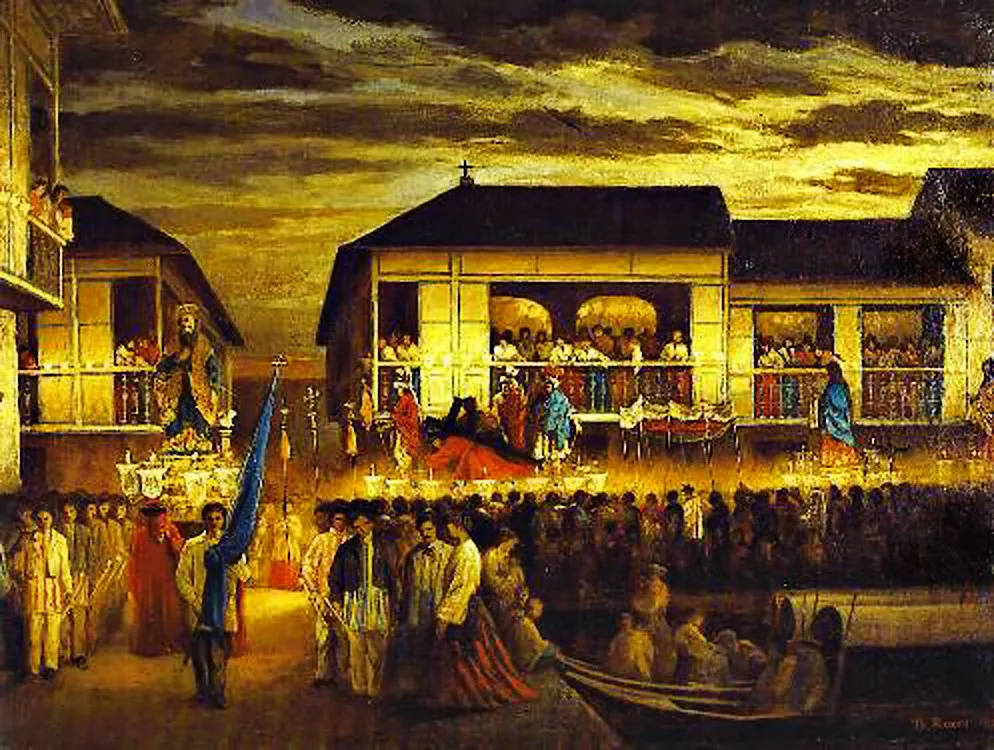
The floats, or pasos, are the centerpiece of the entire event. There are two types: El Cristo floats, covered in gold and depicting scenes from the Passion, and La Virgen floats, covered in silver and featuring a weeping Mary. Costaleros hide beneath the floats to carry the immense weight on their necks and shoulders. La Macarena, the largest hermandad, has over 5,200 nazarenos and the float itself takes 13 and a half hours to complete the route.
Music plays a vital role in the emotional impact of the ritual. Bands play somber marches featuring trumpets and heavy drums. Sometimes the music stops for a saeta, a flamenco-style prayer sung solo and a cappella from a balcony. The silence that follows a saeta is one of the city's most moving moments. This tradition is also celebrated in semana santa in malaga with regional variations.
What Happens If It Rains
Rain is one of the most disruptive forces in Semana Santa, and no competitor guide prepares visitors for it adequately. The floats are made of centuries-old wood, precious metals, and fragile wax figures — they cannot get wet. If rain threatens, a brotherhood's board of directors will suspend the procession entirely with no rescheduling possible.
When a cancellation happens, costaleros sometimes run at top speed to shelter beneath the nearest church doorway, carrying floats that weigh several metric tons over slippery cobblestones. This is a genuinely dramatic sight, but it also means the procession you came to see may not happen at all. Holy Tuesday is statistically the most rain-prone day of the week; El Estudiantes has been cancelled in recent years due to exactly this.
Check Seville's weather forecast obsessively from three days out. If rain is forecast for your target procession, build a backup around a different day. Knowing which parishes can absorb a wandering paso — any nearby church can take in a float for shelter — also helps you anticipate where crowds will suddenly reappear once the rain clears.
See Processional Art Year-Round
You can see processional art outside of Holy Week in Seville's many chapels and museums. The Museum of Fine Arts houses impressive collections of religious paintings relevant to the procession tradition. Entry to the museum is free for EU citizens and €1.50 / ~$1.65 for others. It is usually open from 09:00 to 21:00 most days.
Brotherhood houses, or casas hermandad, often display their floats and silverwork throughout the year. The Macarena Museum is a top choice for seeing ornate gold embroidery and the famous float up close. Tickets for the treasury and museum cost around €5 / ~$5.50 per person. Visit in the morning to avoid the long queues that form later.
Many buildings in the center display traditional tapestries on their balconies during Holy Week. The entire city becomes a living gallery of Baroque and Renaissance religious art. Look for the intricate carved wood on the pasos as they pass under streetlights at night — the detail only visible at close range is extraordinary. Read about easter and holy week celebrations in europe to compare this tradition with others across the continent.
Family and Budget Viewing Tips
Traveling with children requires finding less crowded spots for viewing. The wide avenues near the University are often easier for families. La Borriquita on Palm Sunday is particularly welcoming for kids, who often collect dripping candle wax from the Nazarenos to mold into balls — a genuine Seville childhood tradition.
Budget travelers should stick to free street viewing and buy food at local supermarkets before heading out. Avoid the restaurants directly on the official route as prices double during Holy Week. A simple bocadillo sandwich from a bakery costs about €4 / ~$4.40. Tap water in Seville is safe to drink and free from public fountains near the Cathedral.
You can find affordable lodging by booking several months in advance. Staying slightly outside the historic center in neighborhoods like Triana or San Bernardo reduces costs significantly. Use the Tussam bus system for €1.40 / ~$1.55 per ride to commute into the center. Check easter and holy week celebrations in europe for budget comparisons across destinations.
Where to Rest Between Processions
Taking a break in Maria Luisa Park is essential for your stamina during a long viewing day. This vast green space offers shade and benches away from the city noise. It is free to enter and stays open until midnight during Holy Week. The park is a 15-minute walk from the crowded Cathedral area.
The Guadalquivir riverfront provides a scenic path for a quiet stroll. You can watch the sunset over the Triana neighborhood across the water. Many locals gather here to eat and rest between the major processions. Walking along the river is a great way to bypass blocked streets when the main routes are sealed off.
Murillo Gardens offer another peaceful retreat near the Santa Cruz district. The gardens feature beautiful tiled fountains and giant ancient trees. They provide a useful shortcut if you need to reach the San Bernardo area quickly. Most parks remain accessible even when the main parade routes are closed to traffic.
Frequently Asked Questions
Where are the biggest Semana Santa processions?
The largest processions are in Seville, Spain. They follow a route called the Carrera Oficial. This path leads through the city center to the Cathedral.
What time does the procession start in Seville?
Most processions begin in the early afternoon around 1:00 PM. They continue throughout the night until the next morning. The city center is busiest after 5:00 PM.
Is watching the processions free for tourists?
Yes, standing on the street is completely free. You only pay if you want a reserved chair or a balcony. Most visitors enjoy the event for free.
Visiting Seville for more than one festival? See our complete guide to festivals and events in Seville.
Watching the Semana Santa processions in Seville is a once-in-a-lifetime experience. With the right tracking apps and a bit of patience, you can navigate the crowds. Remember to respect the local traditions and stay hydrated during the long days. The city's unique blend of faith and art will leave a lasting impression.
Plan your trip well in advance to secure the best accommodation. Whether you stand in the streets or watch from a balcony, the energy is unmatched. Seville in 2026 promises to be as vibrant and moving as ever. Enjoy the beauty and solemnity of this ancient Spanish celebration.
Free guide: Europe's Festival Calendar
A month-by-month map of Europe's unmissable festivals — with the best dates to visit each and a local tip you won't find in the guidebooks.
You might also like


Continue reading
More guides you'll find useful


