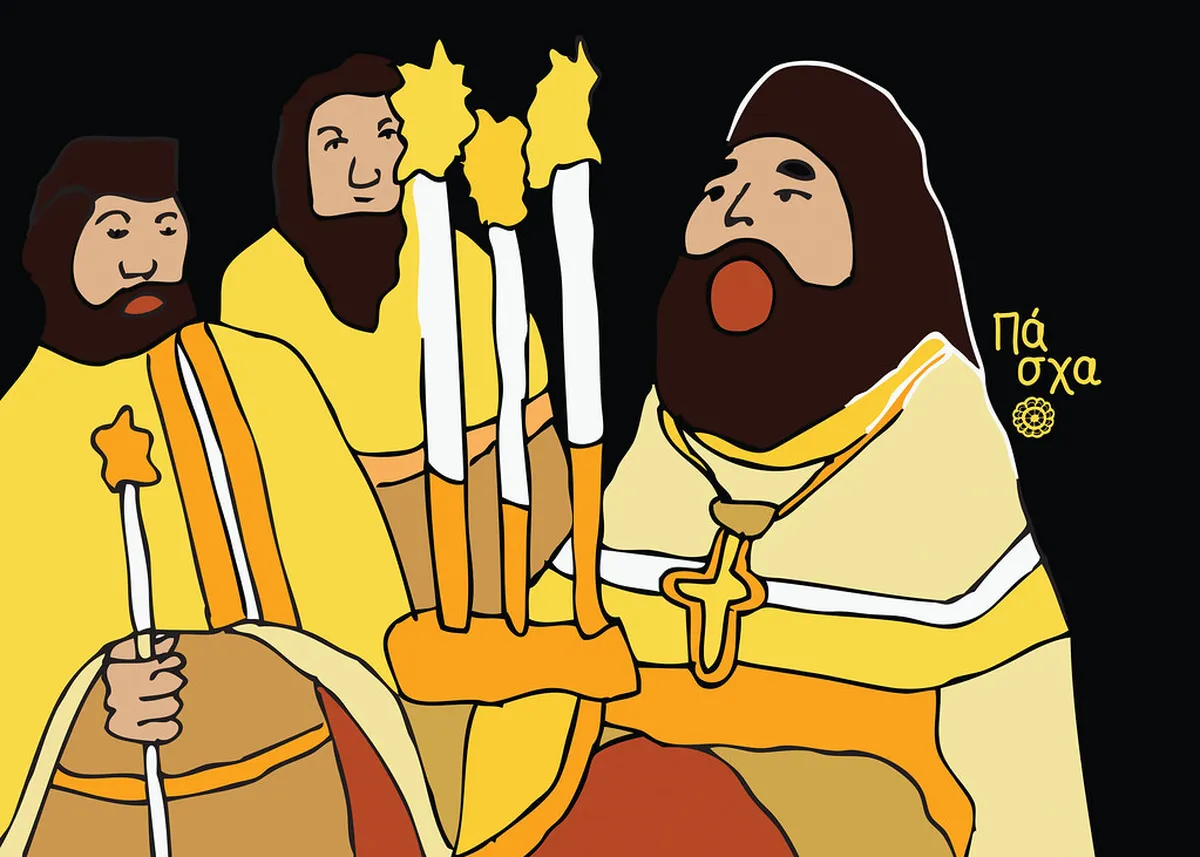
Easter Sunday At The Vatican Travel Guide
Easter Sunday 5 April 2026 at the Vatican: Pope Leo XIV's 10:15 a.m. Mass, the noon Urbi et Orbi blessing, free tickets and exact Holy Week times.
On this page
Easter Sunday At The Vatican
Easter Sunday at the Vatican represents a pinnacle of spiritual and cultural celebration for millions of travelers worldwide. Many pilgrims travel to Rome to witness the profound traditions held within the world's smallest sovereign state.
In 2026, Pope Leo XIV celebrates his first Holy Week as pope, leading five Masses and presiding over several other liturgies between 29 March and 6 April. The atmosphere in St. Peter's Square feels electric as the faithful gather for the most significant days on the liturgical calendar. You can explore other easter and holy week celebrations in europe to see how different regions mark this sacred time.
Planning your visit requires careful attention to exact times and booking requirements to ensure a smooth experience. This guide walks through the full Holy Week schedule and the practical details needed to navigate Rome's busiest week of the year.
Free guide: Europe's Festival Calendar
A month-by-month map of Europe's unmissable festivals — with the best dates to visit each and a local tip you won't find in the guidebooks.
Key Dates and Vatican Events for Holy Week 2026
Holy Week 2026 runs from Palm Sunday on 29 March through Easter Monday on 6 April. Easter Sunday falls on 5 April. During this period Rome fills with pilgrims, clergy, journalists, and international visitors. Hotels sell out months in advance and queues stretch across every piazza near the Vatican.
Pope Leo XIV will lead the Easter Triduum — Holy Thursday, Good Friday, and Holy Saturday — for the first time as pope. Each day has a fixed Vatican ceremony with specific start times. Knowing those times in advance is the single most important planning step you can take.
Palm Sunday — 29 March 2026
Holy Week opens with a Papal Mass in St. Peter's Square at 10:00 a.m. The procession winds around the square and its central obelisk, led by the pope alongside deacons, priests, bishops, and cardinals carrying large palms. The Vatican distributes approximately 120,000 olive branches to attendees — no ticket is required to receive one, but you must be inside the square before the procession begins.
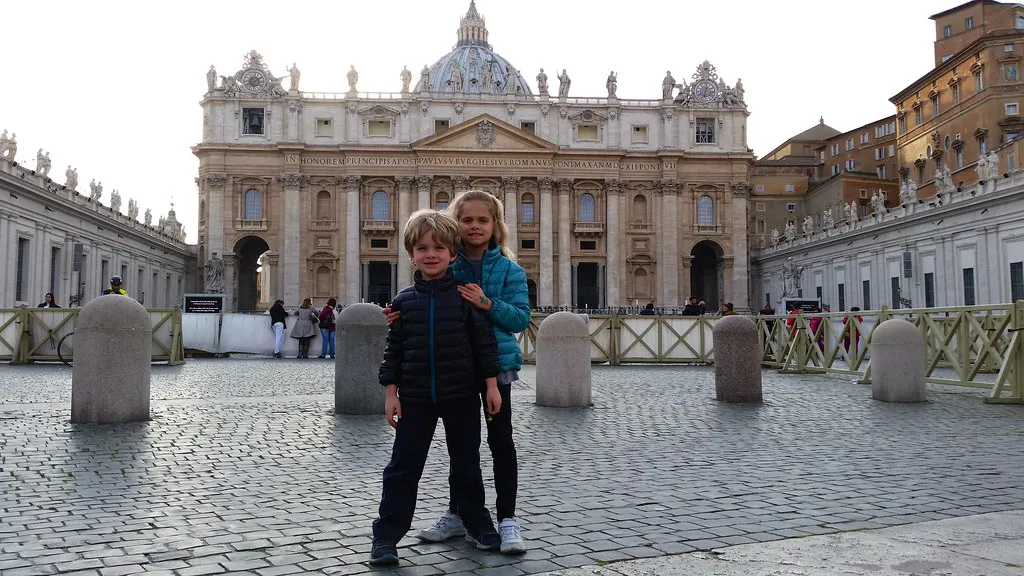
The palm and olive fronds blessed at this Mass are a traditional keepsake pilgrims take home. Streets leading to the Vatican are closed or restricted by around 08:00, so arriving by 07:30 is advisable. After Mass, Leo leads the Angelus prayer from the same square. Comparing the atmosphere here with easter in italy traditions and where to go shows how this Vatican ceremony anchors the wider Italian holy week.
Holy Thursday — 2 April 2026
Pope Leo begins Holy Thursday with the Chrism Mass at 09:30 a.m. in St. Peter's Basilica. Cardinals, bishops, and priests from across Rome concelebrate as the pope blesses the oils of the sick, the catechumens, and the chrism used throughout the Diocese of Rome for the coming year. This Mass is open to the public but seating fills quickly.
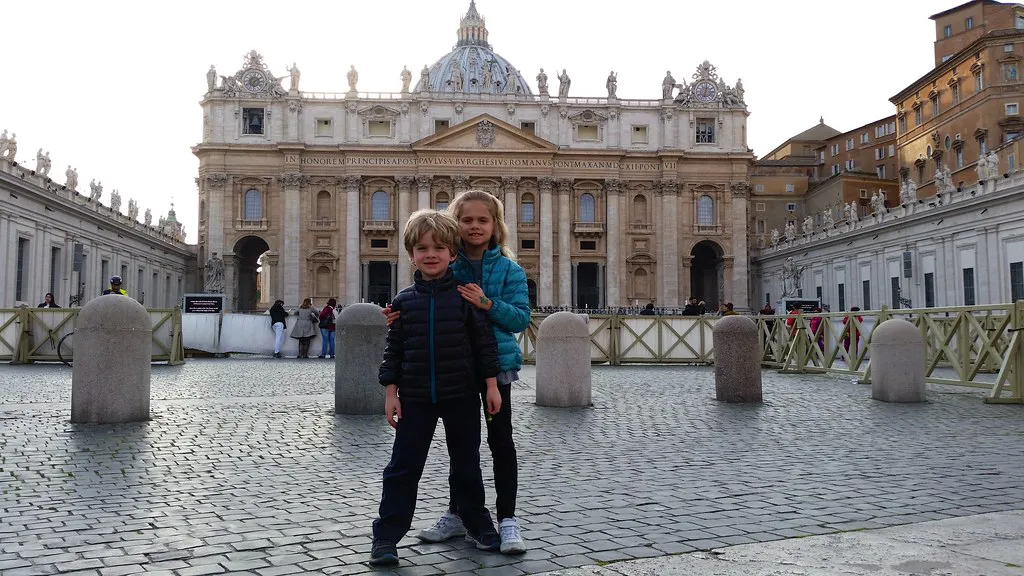
At 17:30, Leo celebrates the Mass of the Lord's Supper at the Basilica of St. John Lateran — the cathedral church of the Diocese of Rome. This is a significant change from recent practice: Pope Francis typically celebrated this Mass in prisons or refugee centres to demonstrate solidarity with the marginalised. Leo's decision to return the Mass to St. John Lateran restores a long-standing liturgical tradition and means the evening event takes place in one of Rome's most historic basilicas rather than a closed institution. Arrive by 16:30 if you wish to attend. The Basilica is a 30-minute walk or a short Metro Line A ride from the Vatican area.
Good Friday — 3 April 2026
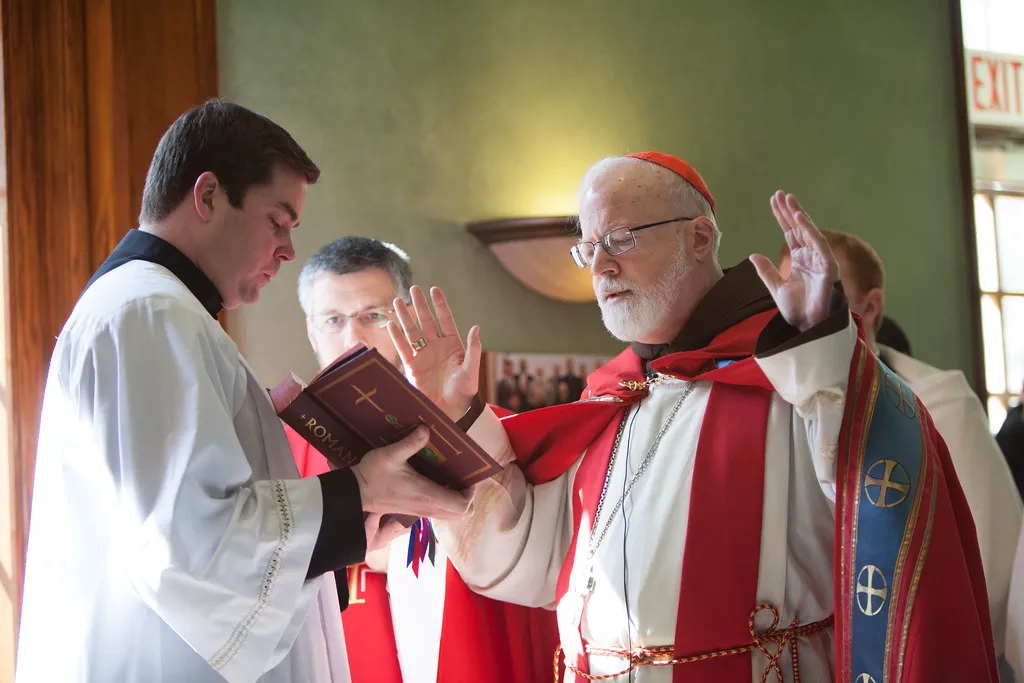
Good Friday is one of the most emotionally moving days of Holy Week. At 17:00, the pope presides over the Celebration of the Lord's Passion in St. Peter's Basilica. This is not a Mass but a solemn liturgy that includes the veneration of the Cross and a sermon on Christ's crucifixion delivered by the papal preacher, currently Father Roberto Pasolini OFM Cap.
At 21:15, Leo leads the Via Crucis — Stations of the Cross — at the Colosseum. As darkness falls, the ancient amphitheatre is lit by torches and thousands of pilgrims follow the prayers through all fourteen stations. The procession is televised worldwide, but standing inside the Colosseum as the prayers echo against the ancient walls is a completely different experience from watching a screen. The Colosseum is roughly 4 km from the Vatican. Roads around both sites close well before the event, so plan to arrive on foot from your accommodation well before 20:30.
Holy Saturday — 4 April 2026
Holy Saturday is a day of quiet anticipation. The main Vatican ceremony is the Easter Vigil Mass at 21:00 in St. Peter's Basilica. The liturgy begins in complete darkness: the new fire is blessed at the entrance, the paschal candle is lit, and cardinals and bishops process through the dark basilica carrying lit candles. The ceremony builds slowly through candlelight, readings, music, and finally the proclamation of the resurrection.
Pope Leo traditionally baptizes new Catholics at this Mass, making it one of the most symbolically rich moments of the entire year. The Vigil runs for around two to three hours. Attending requires patience and advance planning for entry — arrive at the Basilica by 19:30 at the latest. It is one of the most profound ways to experience Easter in Rome and is often described by regular pilgrims as more moving than Easter Sunday itself.
Easter Sunday — 5 April 2026
Easter Sunday Mass begins at 10:15 a.m. in St. Peter's Square. The altar and surrounding parvise are decorated with thousands of flowers from the Netherlands — a tradition spanning 40 years. In 2026 the arrangements include 65,000 tulip, daffodil, hyacinth, and mini-daffodil bulbs, 7,800 roses, delphiniums, anthuriums, chrysanthemums, gerberas, and matthiolas, plus 80 azaleas and 600 branches of willow catkins and eucalyptus. The scale is extraordinary even by Vatican standards.
After Mass, Pope Leo appears on the central balcony of the Basilica to deliver the Urbi et Orbi blessing — addressed to the city and the world. This blessing, broadcast globally, is given at noon. If you cannot secure a ticket for the Mass, you can still join the free standing area in the square to witness the blessing. The square opens to the general public once the seated ceremony concludes. After the ceremonies, locals and visitors spill into cafés and piazzas to celebrate spring and the return of warmth to the city.
Easter Monday — 6 April 2026 (Pasquetta)
Easter Monday is called Pasquetta in Italian, or "Monday of the Angel," and is a national public holiday. Pope Leo marks the day by praying the Regina Caeli — the Marian prayer used during the Easter season instead of the Angelus — at noon from a window of the Apostolic Palace. This is a brief but significant appearance; crowds gather in St. Peter's Square below.
Romans traditionally leave the city for picnics on Easter Monday. Popular spots include Villa Borghese, the Appian Way, and the banks of the Tiber. It is a joyful, relaxed contrast to the formality of the preceding ceremonies. The Vatican Museums and Sistine Chapel are closed on both Easter Sunday and Easter Monday. Plan any museum visit for the Tuesday after Easter, which is typically one of the quieter museum days of the week despite the holiday hangover crowds in the city.
Is the Vatican Open During Easter?
St. Peter's Square is always accessible and free to enter, but tourist access to St. Peter's Basilica is restricted during the hours of liturgical services. On Easter Sunday the Basilica is effectively closed to general visitors from early morning through to mid-afternoon. The Vatican Museums and Sistine Chapel close entirely on Easter Sunday and Easter Monday.
Outside of service hours, the Basilica reopens for prayer and visits — usually from late afternoon onward on major feast days. The dress code is strictly enforced by the Swiss Guard year-round: shoulders and knees must be covered. A light scarf or shawl resolves this quickly, even in April warmth. Many shops and restaurants near the Vatican operate on reduced holiday schedules across the entire Triduum weekend.
Book Vatican Tickets
Tickets for the Easter Sunday Mass are free but must be requested months in advance through the Prefecture of the Papal Household. The request must be submitted by fax or mail, specifying the number of tickets needed and the event date. Even with a ticket, entry to the seating area is on a first-come, first-served basis, so arriving by 08:00 is standard practice. Check the full Vatican programme and the EWTN News English schedule for the most up-to-date logistics before you finalize travel plans.
Vatican Museums and Colosseum tickets should be booked online well in advance — both venues sell out in the weeks before Holy Week. The Colosseum has no ticket sales on Good Friday evening for the Via Crucis; that event is free to attend as a standing spectator in the designated areas. For other parts of Italy's Easter calendar, the scoppio del carro florence easter is another unique tradition worth planning around if you are extending your trip.
Security checkpoints at the Vatican during Holy Week are thorough and add 60 to 120 minutes to entry times for any event. Budget extra time for every ceremony. Do not bring large bags, as they will be turned away at the checkpoints.
Plan Your Holy Week Stay
Finding accommodation near the Vatican is the single biggest logistical advantage during Holy Week. Streets close around major events and taxi availability collapses in the early mornings and late evenings. Being able to walk to St. Peter's Square in under 20 minutes removes most of the stress from the week's schedule.
Religious guesthouses and monastery stays are well-suited to this trip. Casa per Ferie Ravasco San Pietro is a 15-minute walk from St. Peter's Square and books out several months before Easter. For the Good Friday evening Via Crucis at the Colosseum, Domus Helena is 15 minutes by foot from the amphitheatre — a useful base if you want to attend both the afternoon Basilica service and the late-night procession without a cross-city scramble. Booking either property requires reservations six months out minimum.
The Vatican and Prati neighbourhood gives immediate access to the Square. Trastevere offers a traditional Roman atmosphere with good Metro connections. If you are also interested in Spanish traditions, compare these plans with a how to watch semana santa processions guide for similar logistical advice. Temperatures in late March and early April in Rome average 15–18°C, making walking the primary and most practical mode of transport for all Holy Week events.
Frequently Asked Questions
What happens in the Vatican on Easter Sunday?
The day begins with a solemn Papal Mass in St. Peter's Square, followed by the Pope's Urbi et Orbi blessing. The square is decorated with thousands of flowers, and the atmosphere is filled with prayer and celebration. This is the most significant event for those visiting on Easter Sunday.
Do you need tickets for Easter Sunday Mass at the Vatican?
Yes, tickets are required for the morning Mass and are provided for free by the Prefecture of the Papal Household. You must request them months in advance via fax or mail. However, no tickets are needed for the Urbi et Orbi blessing that follows the Mass.
Can you see the Pope on Easter Sunday?
You can see the Pope during the morning Mass in St. Peter's Square or when he appears on the Basilica balcony. He delivers the Urbi et Orbi blessing to the crowds below at noon. This is one of the best opportunities to see the Holy Father in person.
Experiencing Easter Sunday at the Vatican is a once-in-a-lifetime event that combines deep faith with historic grandeur. By planning your schedule around the exact ceremony times and booking accommodation early, you can focus on the spiritual significance of each day rather than logistics.
Whether you attend the Papal Mass, the Via Crucis at the Colosseum, or the Easter Vigil in the Basilica, Holy Week in Rome offers something genuinely different from any other destination in the world.
Free guide: Europe's Festival Calendar
A month-by-month map of Europe's unmissable festivals — with the best dates to visit each and a local tip you won't find in the guidebooks.
You might also like


Continue reading
More guides you'll find useful