Is Las Fallas Worth It? 7 Essential Insights for Your Trip
Is Las Fallas worth the noise and crowds? Discover the pros, cons, costs, and 7 essential tips for navigating Valencia's most explosive UNESCO festival.
On this page
Is Las Fallas Worth It? 7 Essential Insights for Your Trip
Yes, Las Fallas is absolutely worth it for travelers who enjoy high-energy cultural spectacles and world-class street art. If you prefer quiet streets and predictable schedules, consider checking out Semana Santa in Seville instead. This guide was last updated in June 2026 to reflect the latest pricing and crowd patterns.
Valencia transforms into a massive open-air art gallery and pyrotechnic playground every March. The city welcomes millions of visitors who come to see the burning of giant satirical monuments. It is a sensory experience that combines ancient tradition with modern artistic rebellion. Most visitors find the atmosphere electric, though the constant explosions require some mental preparation.
Planning a trip during this period requires understanding the logistical hurdles of a city under siege. Accommodation prices often triple, and the main plazas become nearly impassable during peak hours. We have analyzed the costs and crowd patterns to help you decide if the spectacle outweighs the stress. Expect to walk long distances as most central streets close to vehicle traffic for several days.
Free guide: Europe's Festival Calendar
A month-by-month map of Europe's unmissable festivals — with the best dates to visit each and a local tip you won't find in the guidebooks.
Las Fallas Overview: What is the Festival?
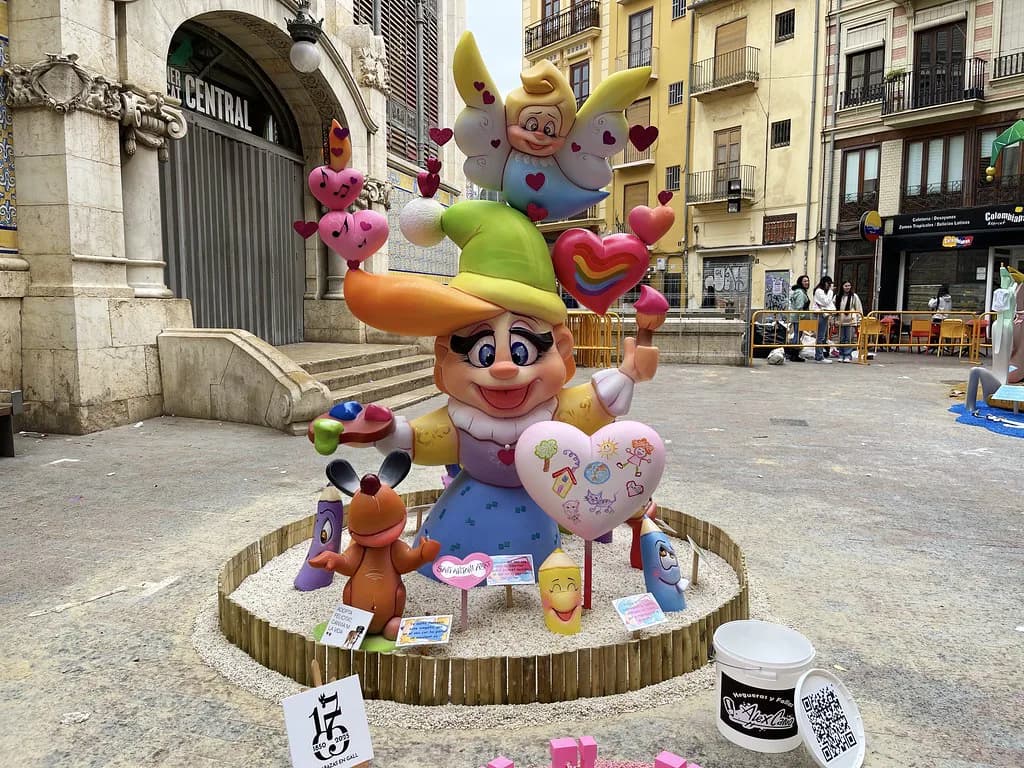
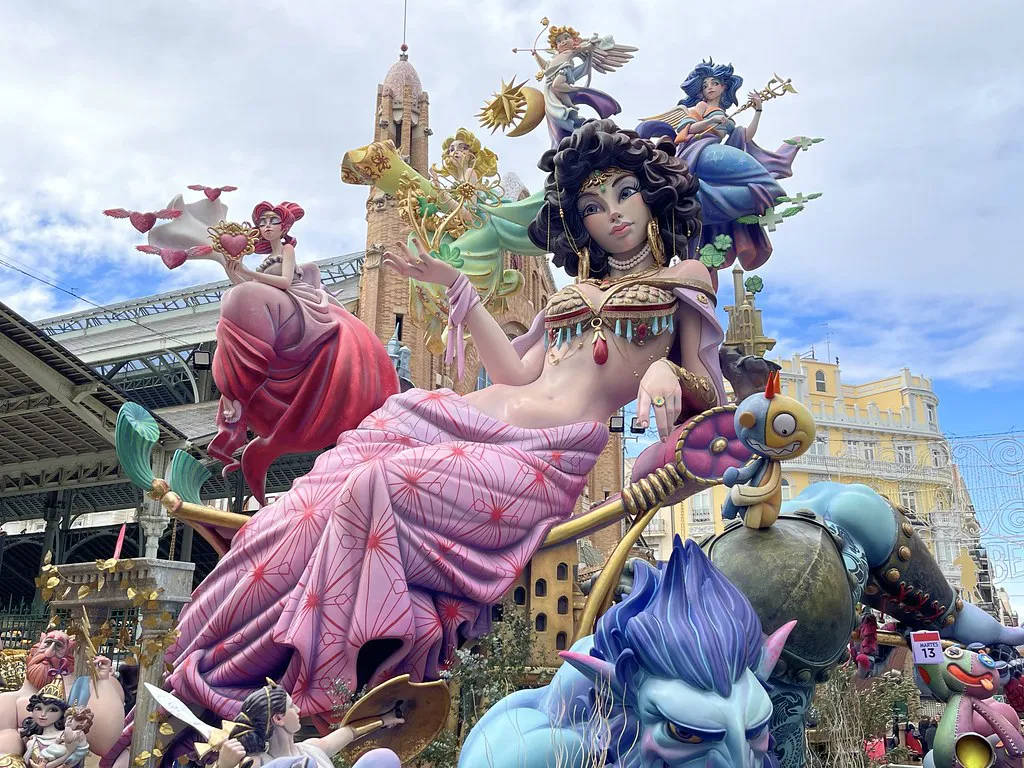
Las Fallas is a traditional celebration held in honor of Saint Joseph in the city of Valencia. The festival earned its place as Intangible Cultural Heritage by UNESCO due to its deep community roots. Local neighborhood associations, known as Casals Fallers, work all year to fund and build massive monuments. These structures, called Fallas, are often satirical and reach heights of over twenty meters.
The main events take place from March 15th to the 19th each year. During these five days, the city hums with parades, flower offerings, and relentless firework displays. The festival culminates in the Cremà, where every monument in the city is set on fire. It is a symbolic act of renewal that clears the way for the arrival of spring.
Most neighborhoods have their own Falla, creating a competitive spirit across the entire city. Artists spend months crafting delicate ninots, which are the smaller figures that populate the larger monuments. The skill involved in creating these temporary masterpieces is truly staggering to witness in person. Visitors can view the official program at the Visit Valencia Official Fallas Program for specific event times.
The Pros: Why Las Fallas is Absolutely Worth It
The sheer scale of the artistic monuments is unlike anything else in the world. Walking through Valencia during the festival feels like exploring a surrealist dreamscape filled with giant sculptures. The detail on the ninots is incredible, often featuring sharp political satire and pop culture references. Photographers will find endless inspiration in the colorful displays and the traditional silk costumes of the falleros.
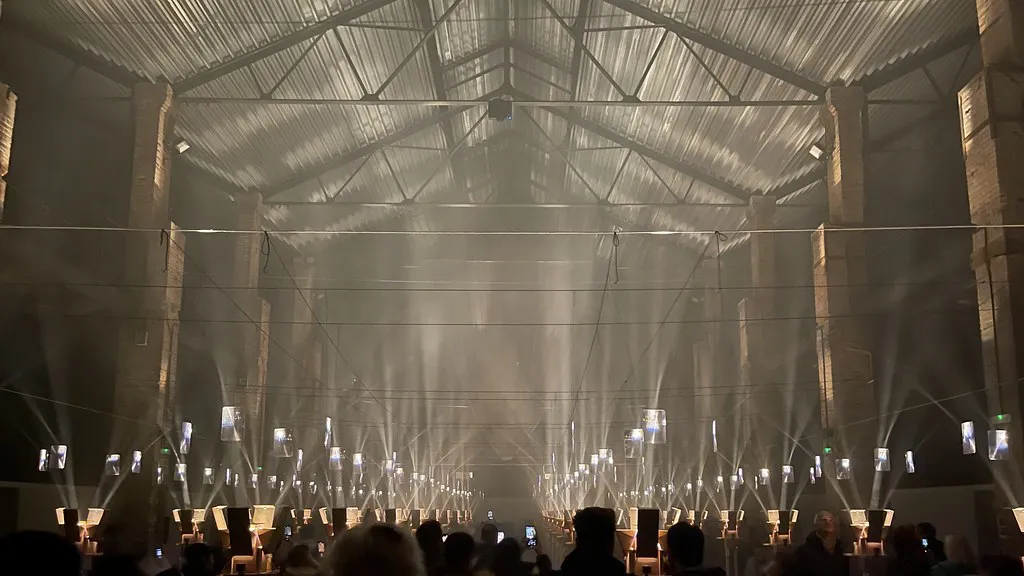
The daily pyrotechnic shows provide a unique thrill that you cannot find at standard firework displays. At 14:00 every day, the Mascletà fills the Plaza del Ayuntamiento with rhythmic, ear-splitting explosions. It is not just about the light, but the physical vibration that shakes the ground beneath your feet. Nightly fireworks over the Turia Gardens offer a more visual, aesthetic beauty that balances the daytime noise.
Community spirit is palpable as locals open their neighborhood tents to share food and music. You can smell the scent of roasting pumpkin fritters and hot chocolate on almost every street corner. The Flower Offering, or La Ofrenda, is a moving display of devotion that brings thousands of participants together. It is a rare chance to see a major city fully commit to its cultural identity.
- Pros: What visitors usually love
- Incredible world-class street art that is destroyed after five days
- Unique rhythmic pyrotechnic Mascletà at 14:00 daily
- Vibrant and welcoming community atmosphere in every barrio
- Beautiful traditional Valencian costumes during La Ofrenda
- The dramatic and cathartic Cremà on March 19th
- Cons: What may disappoint
- Extreme noise levels throughout the day and night
- Intense overcrowding in the city center during peak events
- Significant price hikes for hotels that often require multi-night minimums
- Diverted and canceled bus routes during monument display days
- Physical exhaustion from covering ten or more miles on foot daily
The Cons: Challenges to Consider Before You Go
The most significant challenge for many visitors is the relentless and unpredictable noise level. Children and adults alike frequently set off loud firecrackers in the streets at all hours. If you have sensitive hearing or suffer from anxiety in loud environments, this festival will be difficult. The noise does not stop at night, as street parties often continue until the early morning hours.
Crowds in the city center can become overwhelming, especially during the main firework events. Moving between major monuments like those in the Seccion Especial can take twice as long as usual. Public squares often reach capacity hours before the main events actually begin. This makes spontaneous dining or sightseeing nearly impossible without prior planning and patience.
Accommodation costs are another major drawback for budget-conscious travelers during this peak period. Hotels and rentals often require a minimum stay of four nights at inflated rates. You should book at least six months in advance to secure a reasonably priced room. Many visitors choose to stay in nearby towns and commute to avoid the highest prices.
Top Things to Do: Mascletà, Ofrenda, and the Cremà
The Mascletà is the heartbeat of Las Fallas and runs every day of the festival at 14:00. The main show fires from the Plaza del Ayuntamiento, but over 300 mascletes are ignited simultaneously across city neighborhoods — meaning you can experience a smaller, less-crushed version by positioning yourself in the Na Jordana or Ruzafa barrios instead. Arrive at Plaza del Ayuntamiento by 13:30 at the latest if you want a central spot; the square fills completely by 13:45. The sound reaches well above 120 decibels and is genuinely physical — wear earplugs and expect the ground to vibrate underfoot.
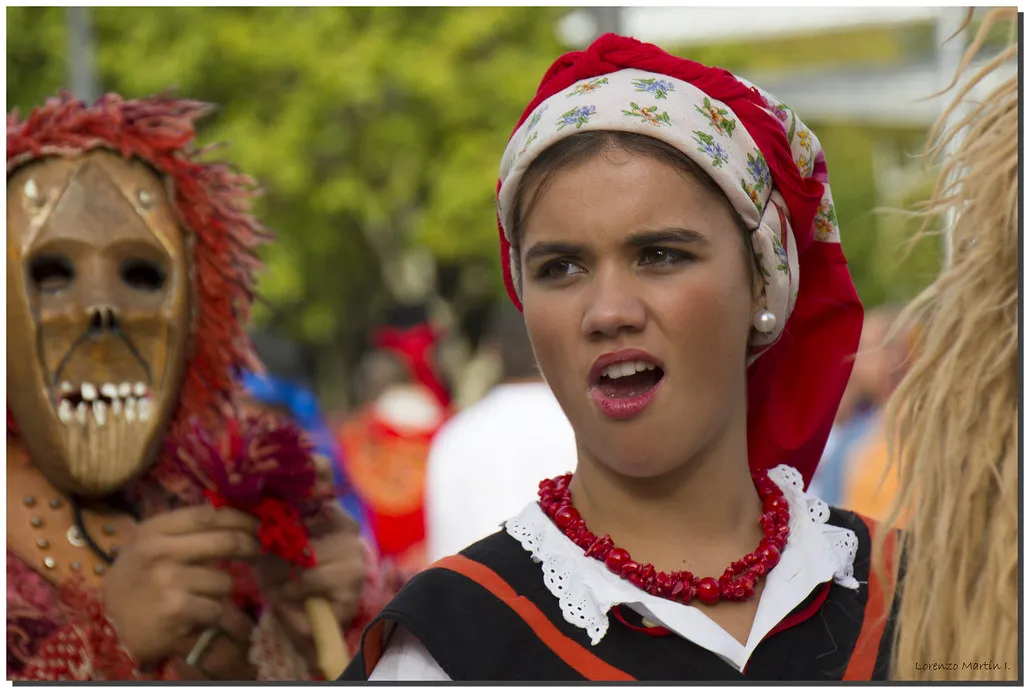
La Ofrenda, the Flower Offering, takes place over two days (March 17th and 18th) as more than 150,000 Valencians in traditional dress march to Plaza de la Virgen to build a giant floral cloak around the statue of the Virgin Mary. Streets in the historic center close for the procession, which also means reduced mobility for sightseers. Plan your monument-viewing for the morning of March 16th when the historic center is most accessible, and use the Ofrenda afternoons to watch the procession from a side street rather than fighting for space at the square itself.
The Cremà on March 19th is the climax of everything. Fallas across the city ignite at midnight, except for the Falla at Plaza del Ayuntamiento, which burns one hour later at 01:00 as the grand finale. The Nit del Foc (Night of Fire) on March 18th at 01:30 is the largest fireworks display of the festival, launched near Paseo de la Alameda. Head to the stretch of Turia Gardens on either side of the Alameda metro station for the best unobstructed view — crowds thin significantly here compared to the monument zones, since most visitors chase the sculptures rather than the fireworks display.
Do not skip the smaller neighborhood monuments in favor of only visiting the Seccion Especial giants. Some of the sharpest political satire and most inventive artistry appears in the Seccion 1A and 2A tiers, scattered across the city's outer barrios. Pick up the El Turista Fallero magazine (sold at each major Falla) for concept art and a full map — it is the most efficient planning tool for covering more than the nine headline monuments.
Essential Logistics: Getting Around and Staying Safe
Navigating Valencia during Las Fallas requires a reliance on the metro and your own two feet. Many bus routes are diverted or canceled because the streets are blocked by monuments and tents. The Metrovalencia Official Site provides updated schedules for the extended festival hours. A single ticket costs €1.50, but a 10-trip bonometro card at €7.60 is much better value.
Walking is the most reliable way to see the various monuments scattered across the city. Be prepared for a walk of forty minutes to get from the center to the Na Jordana district. Wear comfortable, broken-in shoes, as you will likely cover over ten miles in a single day. Always carry earplugs to protect your hearing during the daily Mascletà and random street explosions.
Staying overnight is highly recommended over taking a day trip from cities like Madrid. The high-speed train takes under two hours, but the best events happen late at night. The Cremà does not even begin until midnight, with the final Falla burning at 01:00. Staying in the city allows you to experience the early morning Despertà wake-up parades.
Cost Breakdown: Is it Budget-Friendly?
While the festival itself is free to attend, your secondary costs will certainly add up quickly. Viewing the monuments is free, though some Seccion Especial fallas charge a small fee for close-up access. These top-tier monuments cost between €90,000 and €200,000 to construct and decorate. Smaller neighborhood fallas in Section 8C are built for as little as €600, while Seccion 1A monuments range from €33,500 to €75,000.
Food prices at street stalls remain relatively stable, but sit-down restaurants often implement festival menus. Expect to pay around €5 for a dozen buñuelos and a cup of thick hot chocolate. A mid-range dinner for two will likely cost between €50 and €80 excluding drinks. Supermarkets remain the best option for those trying to keep their daily spending under control.
Transport remains affordable if you use the right card for your travel pattern. The Valencia Tourist Card starts at €13.50 for one day, €18.00 for two days, and €22.50 for three days — it includes unlimited public transport plus museum discounts. Most visitors find the €7.60 bonometro 10-trip card sufficient for a three-day stay, since the bulk of your movement will be on foot inside the monument zone. The airport metro line (lines 3 and 5) runs a direct 20-minute connection to Xàtiva station, two blocks from Plaza del Ayuntamiento — budget slightly more for the airport surcharge on top of the standard €1.50 fare.
The Falla Economy: How Neighborhoods Fund the Art
Every monument you see was paid for by ordinary residents, not by the city. The Casal Faller (neighborhood Fallas association) runs year-round fundraising through membership fees, dinners, raffles, and local sponsorships. Families pay annual dues starting from around €100 per household, and larger associations in wealthier barrios attract corporate sponsors. The competitive pressure between neighborhoods has driven total citywide spending past €7,000,000 in a single year — with individual Seccion Especial monuments costing up to €200,000.
The record belongs to Falla Nou Campanar, which reached €1,000,000 in 2009, after three consecutive years at €600,000, €720,000, and €800,000. Understanding this funding structure changes how you look at the monuments. When you see a technically extraordinary Falla in a modest outer barrio, it reflects genuine sacrifice from local families who pooled resources all year. When you see a Seccion 8C monument at just €600, that is a community of younger or smaller associations doing the same thing on a fraction of the budget.
One ninot from each Falla is voted on by the public to be spared from the Cremà. The surviving ninots are displayed permanently in the Museu Faller on Plaza Monteolivete — a worthwhile free morning visit that gives context to the craftsmanship before you watch the rest burn.
Final Verdict: Who Should (and Shouldn't) Visit
Las Fallas is a bucket-list experience that offers a level of spectacle found nowhere else. The combination of world-class art and explosive tradition creates an unforgettable atmosphere. Verdict: It is worth it if you can handle noise and love street photography. Best for: Art lovers, photographers, and travelers who enjoy large-scale cultural parties.
Skip if: you have a low tolerance for loud noises or struggle with massive crowds. The constant firecrackers and packed streets can be physically and mentally draining over five days. Alternative: For a more relaxed but still traditional experience, try Feria de Abril in Seville. This festival focuses more on dancing and horses rather than explosions and fire.
If you decide to go, visit during the shoulder season of early March for a quieter experience. The monuments are being built, and the daily Mascletà starts on March 1st. You get the flavor of the festival without the peak crowds of the final weekend. Plan ahead, bring ear protection, and prepare for one of the wildest weeks in Europe.
Frequently Asked Questions
How much do Las Fallas cost to attend?
Attending Las Fallas is technically free because the monuments are displayed in public streets. You only pay for food, transport, and accommodation. Expect hotel prices to triple during the peak dates of March 15th to 19th.
Is it crowded during Las Fallas?
Yes, the city becomes extremely crowded with over one million visitors. The main plazas are packed during the 2 PM Mascletà and the nightly fireworks. We recommend arriving at event sites at least one hour early.
What is the point of Las Fallas?
The festival celebrates Saint Joseph and the arrival of spring through the symbolic burning of old things. Neighborhoods build satirical monuments to mock current events. Burning them represents a fresh start for the community.
Visiting Valencia for more than one festival? See our complete guide to festivals and events in Valencia.
Las Fallas is a unique blend of fire, art, and community that defines the spirit of Valencia. While the noise and crowds are significant, the visual reward is truly unparalleled in Europe. Most travelers find that the memory of the burning monuments stays with them forever.
Be sure to check the Las Fallas dates for 2026 before booking your flights. Prepare for a high-energy trip that will test your senses and reward your curiosity. Valencia is waiting to show you its most explosive and beautiful side.
Free guide: Europe's Festival Calendar
A month-by-month map of Europe's unmissable festivals — with the best dates to visit each and a local tip you won't find in the guidebooks.
You might also like


Continue reading
More guides you'll find useful