
How to Get to Balaton Sound: 10 Best Transport Tips
Master your journey to Balaton Sound with our guide on trains from Budapest, airport transfers, driving tips, and local Siófok transport.
On this page
How to Get to Balaton Sound: 10 Best Transport and Arrival Tips
Last updated June 2026. Planning your journey to one of the best music festivals in Europe requires careful logistics. Balaton Sound transforms the quiet town of Zamárdi into a massive electronic music hub every summer. Reaching this lakeside paradise is straightforward if you understand the Hungarian transport network.
The festival sits on the southern shore of Lake Balaton, roughly 106 kilometers from Budapest. Most international travelers arrive via Budapest and then choose between trains, buses, or private transfers. This guide breaks down every route so you arrive at the gates without stress.
Whether you are a budget backpacker or seeking comfort, multiple options exist for every traveler. We cover costs, travel times, and the key decision of where to base yourself — Zamárdi or Siófok. Prepare for a seamless trip to the shore of Hungary's largest lake in 2026.
Free guide: Europe's Festival Calendar
A month-by-month map of Europe's unmissable festivals — with the best dates to visit each and a local tip you won't find in the guidebooks.
Location Overview: Where Is Balaton Sound?
Balaton Sound takes place in Zamárdi, a small town of around 3,000 permanent residents on the southern shore of Lake Balaton. Lake Balaton is the largest lake in Central Europe at roughly 600 km², stretching 78 km from east to west. The festival site is 106 km from Budapest, which translates to about one hour by car or 90 minutes by direct train.
Zamárdi sits 10 km west of Siófok, the largest resort on Lake Balaton and the regional transport hub. Siófok is often called the "Hungarian Ibiza" for its club scene and beach hotels. Understanding this geography matters for choosing how you travel and where you sleep.
The nearest airport is Budapest Ferenc Liszt International Airport, which handles flights from most major European cities. From the airport it is roughly 120 km to the festival entrance. All transport options — train, bus, private transfer, or car — pass through or near Budapest.
Transport to Balaton Sound by Train
The train is the most popular way for fans to reach the festival grounds from the capital. Direct services depart from Budapest Déli station, which sits on the M2 metro line. Trains run at least every two hours during summer, with more frequent departures added on peak festival arrival days.
Booking in advance through the MÁV (Hungarian Railways) website is recommended. Online tickets typically cost 3,500–5,500 HUF (approximately €10–€15) per person one way. You can also add a bicycle to your ticket for a small supplement, which is useful if you plan to explore the lakeside area.
Once you arrive at Zamárdi station, the festival entrance is a 10–15 minute flat walk toward the lake. Follow the crowd or the signed route. Most travelers find the train to be the most social and cost-effective option available.
- Step 1: Travel to Budapest Déli Station
- Use the M2 red metro line to reach the Déli pályaudvar station directly.
- A single metro ticket costs 450 HUF / ~€1.25 and takes about 15 minutes from the city center.
- Arrive at the station early to locate your platform among the digital displays.
- Step 2: Purchase Your Regional Train Ticket
- Select Zamárdi on the MÁV app or at a station kiosk.
- Tickets cost around 3,500–5,500 HUF / €10–€15 per person.
- Choose a fast (gyors) or IC train to reduce stops and shorten travel time.
- Step 3: Board the Balaton-Bound Service
- Look for trains heading toward Nagykanizsa or Keszthely — these stop at Zamárdi.
- The journey takes 1h30–2h00 depending on the train type and number of stops.
- Check your carriage number if you have a reserved seat.
- Step 4: Disembark at Zamárdi Station
- Listen for the announcement; Zamárdi is a clearly marked stop during the festival.
- Keep your ticket as inspectors often check at the platform exit.
- Do not pay for a taxi for this very short walk to the entrance.
Taking the Luxury Coach or Public Bus
Buses offer a reliable alternative to trains, especially if you prefer a guaranteed seat, air conditioning, and door-to-door drop-off near the campsite. Official festival coaches often run directly from Budapest Airport or the city center to the festival entrance. These luxury options are worth the premium for those traveling with large bags or tents.
Public Volánbusz services also operate from the Népliget bus station in Budapest, which is accessible via the M3 metro line. While these are affordable, they take longer due to multiple stops. Check the Balaton Sound Official Info page for updated shuttle schedules each year, as routes and prices change season to season.
- Official festival shuttle: approximately €35 direct from the city or airport, drops at the camping entrance. Book weeks ahead as seats sell out.
- Public Volánbusz: roughly 4,000 HUF / €11 from Népliget station, takes about two hours, multiple stops. Budget option but more effort with luggage.
- Airport transfers: private buses cost €55–€100 from Budapest Airport directly to the site. Shared options lower the price if you coordinate with other festival-goers.
Flying to Budapest: Airport Transfers and Costs
Budapest Ferenc Liszt International Airport is the primary gateway for international visitors. From the terminal, you have several ways to reach the festival site in Zamárdi. Direct airport bus transfers are the most convenient but also the most expensive.
Expect to pay between €55 and €100 for private or shared shuttles that go straight to the festival. If you are on a budget, take the 100E airport bus to the city center for 2,200 HUF / ~€6, then connect to a train at Budapest Déli. This two-step route takes about 2.5 hours total but cuts your transport cost significantly.
Taxis from the airport to Lake Balaton are expensive for solo travelers — expect 25,000–40,000 HUF / €65–€110. Always agree on a fixed price before you start a long-distance private transfer. Sharing a ride with other festival-goers you meet at arrivals is the best way to make this option affordable.
Driving to Lake Balaton: Parking and Tolls
Driving to the festival provides the most flexibility for exploring the Lake Balaton region before or after the event. The M7 motorway connects Budapest directly to Zamárdi in about one hour under normal conditions. You must purchase a digital motorway vignette before entering the highway system.
A 10-day vignette for a standard car costs approximately 6,400 HUF / ~€18. You can buy it online at motorway.hu or at petrol stations near the motorway entrance. Parking near the festival grounds is strictly regulated; official pre-paid parking passes should be booked via the festival website before you travel.
Hungarian police maintain a zero-tolerance policy for drink driving. Any detectable blood alcohol level results in heavy fines and immediate licence suspension. Designate a sober driver if you plan to move your car during the event, or use local transport for late-night returns.
Local Transport from Siófok and Surrounding Areas
Many attendees choose to stay in Siófok, the "Hungarian Ibiza" just 10 km from the festival. Getting between Siófok and Zamárdi is easy via local trains that run roughly every 30 minutes during the festival period. The journey takes 10–15 minutes and costs less than 500 HUF / €1.50 one way.
Night buses also run between the two towns during the festival to transport people back to hotels and apartments after midnight. Taxis are available but prices surge late at night — expect around 8,000 HUF / ~€22 for the short trip after 01:00. Using a local ride-hailing app where available can help you find a fairer price.
Arriving via Siófok main train station is also a valid approach if you are coming from the Transdanubia region or from Vienna. Change onto a local Zamárdi-bound service at Siófok rather than going all the way to Budapest first. This saves significant time for travelers arriving from Austria or western Hungary.
Where to Stay: Zamárdi vs. Siófok
The accommodation decision shapes your entire festival experience. Staying in Zamárdi means you walk to the gates, avoid all transport costs during the event, and can return to your tent or rental whenever you want. Camping on the official festival site is the cheapest option and the most immersive — but space is tight, nights are noisy, and facilities are shared.
Siófok gives you access to proper hotels, apartments, and a wider range of restaurants and bars at normal Hungarian prices. The 15-minute train or bus commute is easy and runs frequently. If you want to sleep well between festival days and eat affordably, Siófok is often the smarter base. A double room in a decent Siófok hotel or apartment can cost €60–€120 per night during the festival, compared to €80–€150+ for a festival glamping cabin in Zamárdi.
The honest trade-off: Zamárdi means convenience and atmosphere at the cost of comfort. Siófok means a short daily commute in exchange for a real bed, a private bathroom, and beer at local prices (roughly 600–900 HUF / €1.50–€2.50 vs. €5–€6 inside the festival). First-timers often underestimate how much they will value a good night's sleep by day three of a four-day event.
A third option is to rent a private apartment or house in Zamárdi village itself, outside the festival camping zone. This gives you proximity without the campsite noise. These rentals fill up fast — book at least two to three months in advance for 2026 dates.
Transport Comparison: Cost, Time, and Luggage
Choosing your route depends on budget, luggage, and how much flexibility you need. The table below summarises the main options from Budapest to the festival entrance.
- Train (Budapest Déli → Zamárdi): €10–€15 one way | 1h30–2h00 | moderate luggage space | most frequent departures
- Official festival shuttle (city or airport): €35 direct from Budapest | ~2h00 | generous luggage space | drops at camping entrance; book early
- Public Volánbusz (Népliget → Zamárdi): ~€11 | ~2h00 | limited overhead space | slower due to stops
- Private airport transfer: €55–€100 | ~1h30 | unlimited luggage | most expensive, best for groups
- Driving (M7 motorway): ~€18 vignette + fuel | ~1h00 | car boot capacity | fastest but requires sober driver and parking pass
- Local train (Siófok → Zamárdi): <€1.50 | 10–15 min | light luggage | daily commute option if staying in Siófok
For most solo travelers and pairs, the direct train from Déli is the best combination of price and simplicity. Groups of four or more traveling with large tents may find a hired van or private transfer more practical once the cost is split.
Essential Arrival Tips: Wristbands and Luggage
Before you head to the gates, ensure you have your festival packing list ready. Balaton Sound uses an RFID-tagged wristband system for all on-site transactions and entry. You must top up this wristband with credit to buy food or drinks — cash and cards are not accepted at most vendor points inside the festival.
Register your wristband in the official app as soon as you receive it. If you lose the physical band, a registered wristband allows you to recover your remaining balance. Do not pull the plastic slider too tight as it cannot be loosened without cutting. At the end of the festival, you can return the band and receive your unspent balance plus a small HUF deposit refund.
Luggage storage is available near the entrance for those arriving before check-in at their accommodation. Small lockers can be rented daily to keep valuables secure. Always carry your physical ID or passport for the initial wristband registration process.
- Download the official festival app before you arrive for real-time schedule updates.
- Print your entry ticket or save the PDF offline on your phone.
- Carry at least 5,000 HUF in cash for emergencies outside the festival perimeter.
- Pack a reusable water bottle — free refill stations are available inside.
- Bring a portable power bank; phone batteries drain fast at multi-day events.
- Check the weather forecast for potential summer storms off the lake.
Food and Costs at Balaton Sound
Balaton Sound pricing is closer to a Western European festival than you might expect for Hungary. A standard beer inside the venue costs roughly €5–€6. Food ranges from traditional Hungarian lángos to burgers and international street food for €5–€10 per portion. Budget €50–€80 per day if you eat and drink primarily inside the gates.
Prices in Zamárdi village and in Siófok are significantly lower. A beer at a local bar costs 600–900 HUF / €1.50–€2.50. A sit-down meal at a local restaurant runs 2,500–4,000 HUF / €7–€11. Eating one meal per day outside the venue can cut your daily budget noticeably across a four-day event.
The RFID system makes spending effortless, which also makes it easy to overspend. Check your balance regularly at the top-up terminals scattered through the site. The Sziget Festival guide covers similar RFID budgeting strategies if you want a direct comparison with the Budapest festival experience.
Frequently Asked Questions
How far is Balaton Sound from Budapest?
The festival is located 106 kilometers from Budapest in the town of Zamárdi. By train or car, the journey usually takes between 1 hour and 20 minutes to 2 hours depending on traffic and service type.
What is the cheapest way to get to Balaton Sound?
Taking a regional train from Budapest Déli station is the most affordable option. Tickets cost around €10 / ~$11 per person. Booking online in advance can provide further discounts on the standard fare.
Is there a shuttle from Budapest Airport to Balaton Sound?
Yes, official festival shuttles operate directly from the airport during the event. These cost approximately €35 / ~$38 and should be booked in advance via the official festival website to guarantee a seat.
Reaching Balaton Sound is straightforward once you know the options. The train from Budapest Déli is the fastest affordable route for most travelers, while the Siófok base-and-commute strategy saves money on accommodation and food. Register your RFID wristband the moment you receive it and track your balance daily.
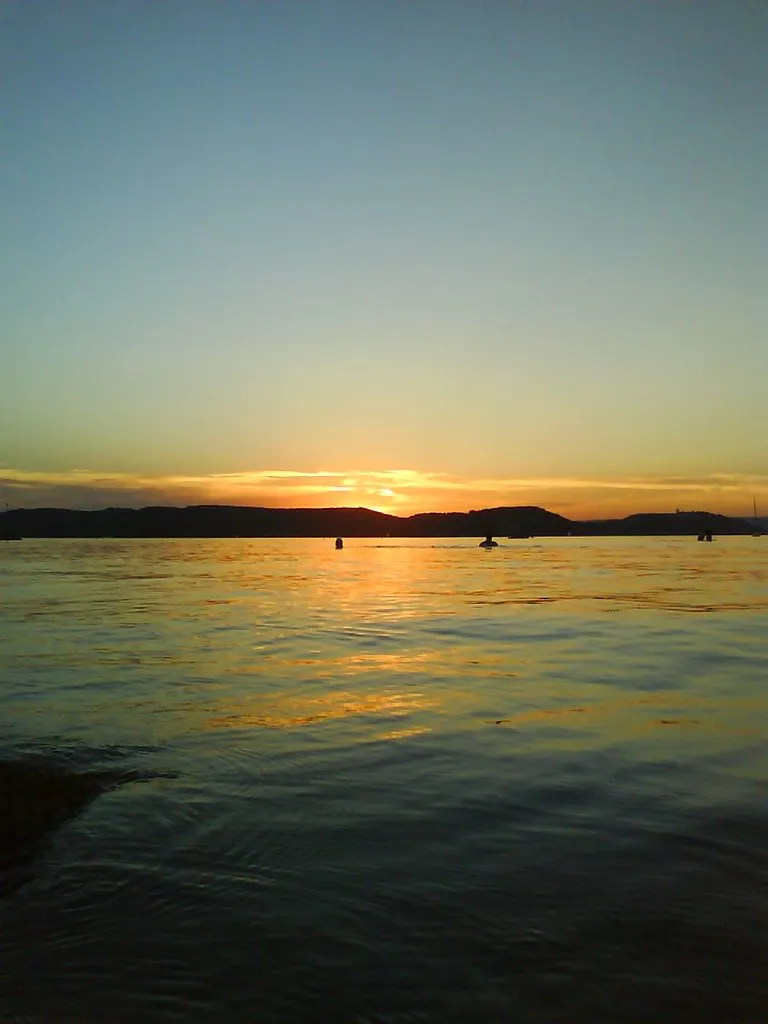
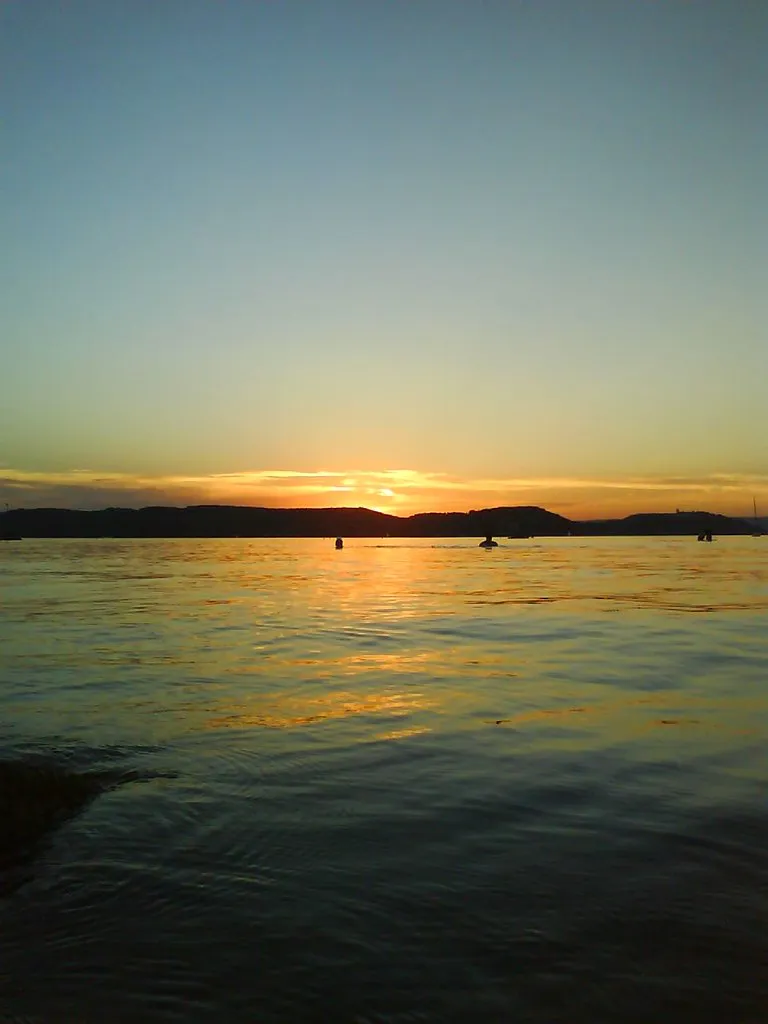
Enjoy the world-class lineup and the sunset over Lake Balaton. With your logistics settled, you can focus entirely on the music. Safe travels and see you on the dance floor by the water in 2026.
Free guide: Europe's Festival Calendar
A month-by-month map of Europe's unmissable festivals — with the best dates to visit each and a local tip you won't find in the guidebooks.
You might also like


Continue reading
More guides you'll find useful


