
Is Dour Festival Worth It? An Honest 2026 Review
Plan is Dour Festival worth it with expert tips on costs, timing, and camping. Discover if this gritty Belgian music marathon fits your travel style.
On this page
Is Dour Festival Worth It? An Honest Review
Yes, but only for those who value raw energy and musical discovery over luxury. If you prefer high-end production and polished amenities, consider Tomorrowland instead. Last updated May 2026.
This guide explores the gritty reality of the Plaine de la Machine à Feu in Belgium. Most visitors find the five-day marathon both exhausting and incredibly rewarding. We will break down the costs, the legendary camping culture, and the diverse lineup. Expect an honest look at whether this alternative giant deserves your time.
Free guide: Europe's Festival Calendar
A month-by-month map of Europe's unmissable festivals — with the best dates to visit each and a local tip you won't find in the guidebooks.
When to Go: Dour Festival 2026 Dates and Timing
Dour Festival 2026 runs from 15 to 19 July at the Plaine de la Machine à Feu, in the municipality of Dour near the French border. The event consistently takes place during mid-July when the Belgian summer peaks. Crowds are most intense from Friday evening through Sunday night, though dedicated attendees insist Wednesday and Thursday hold some of the most adventurous programming.
Stay overnight if you want to experience the true 'DOUREEEUH' spirit. The camping area is where the community bonds over shared music and a serious lack of sleep. Day trips are possible but require careful planning with the Belgian train schedule. Most trains back to Brussels or Mons depart before the final headliners finish, which means you will miss the 03:00 De Balzaal closes.
We recommend arriving on Wednesday afternoon to secure a flat camping spot close to the entrance. The best locations fill within hours of the gates opening. Temperatures soar during the day — the sun turns tents into ovens by 09:30 — so plan your arrival with shade and water access in mind. Check the official Dour Festival website for the full 2026 lineup once it drops each spring.
- July is the only month for this experience
- Saturday night has the highest attendance
- Wednesday arrival gives you the best camping spots
- Avoid the midday sun on open stages — seek out tent stages between 12:00 and 16:00
- Late-night De Balzaal sets peak between 01:00 and 03:00
Why Go: What Makes Dour Different
Dour remains one of the best music festivals in Europe for alternative sounds, ranked among the top Belgian music events since the mid-1990s. The lineup features over 250 artists across eight diverse stages. It has sold out every year since 2005, entering its fourth decade in 2026 with the same underground credibility that originally built its reputation. The festival was elected best medium-sized music festival at the European Festival Awards in 2010.
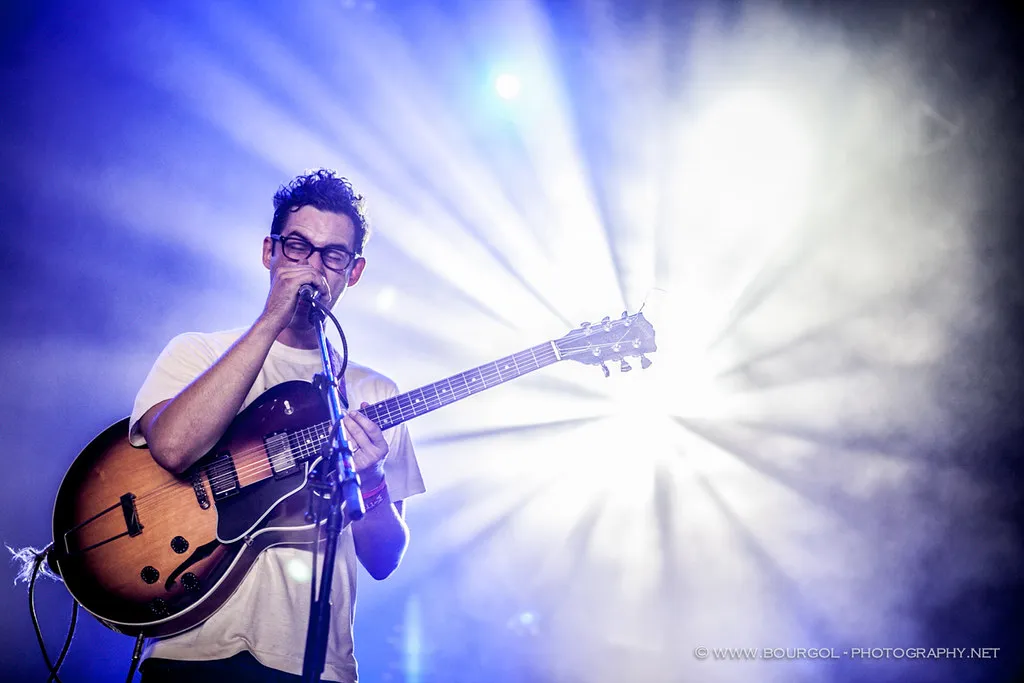
Diversity is the core strength here. In a single day you can hear reggae at Dub Corner at noon, watch an indie breakthrough act at La Petite Maison dans la Prairie in the afternoon, and lose yourself in techno at De Balzaal until the gates close. The atmosphere is famously friendly and lacks the pretension of more commercial events. It is widely considered one of the best electronic music festivals in Europe for sheer genre breadth.
The independent spirit of the organizers ensures a focus on new discoveries alongside established headliners. Many visitors return annually for the sense of freedom found on the plains. The crowd skews Brussels and Wallonia locals mid-week, with international visitors — UK, Dutch, German, French — arriving in force by Friday. Expect a mix of hardcore ravers, curious first-timers, and families with children, all coexisting without drama.
The Eight Stages: Where to Go and When
Understanding the stage layout before you arrive saves hours of confused wandering across the plains. The furthest stages are a twenty-minute walk apart, so picking two or three anchor points for each evening makes scheduling far easier. Here is what each stage actually delivers.
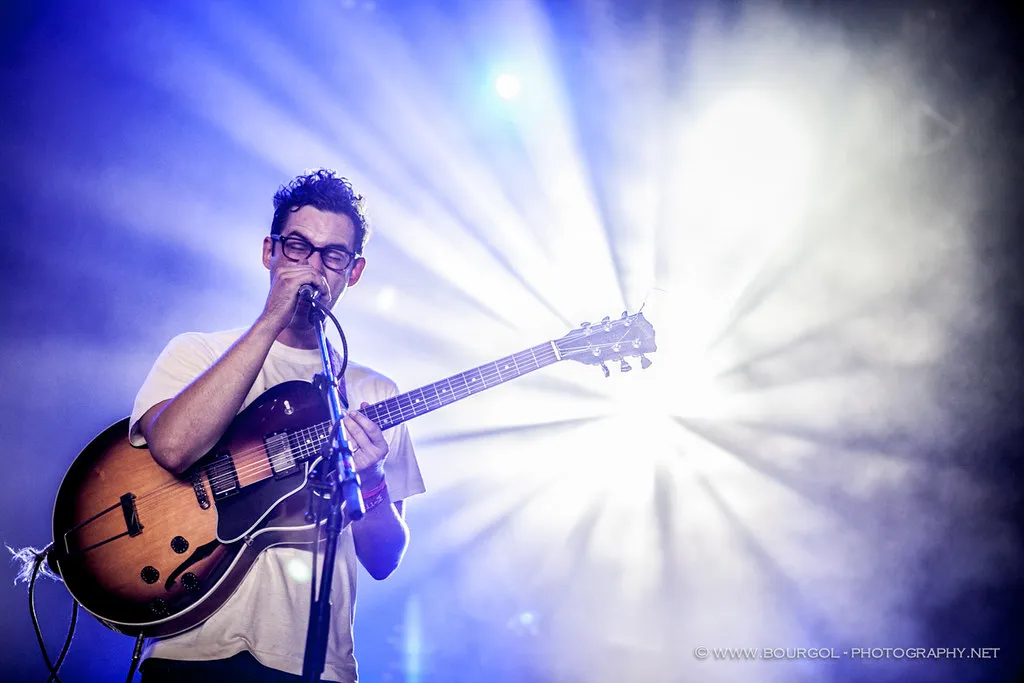
- The Last Arena is the main stage, hosting hip hop, rock, reggae, and electro headliners. Crowds are largest here; arrive thirty minutes early for any act you cannot miss.
- De Balzaal is the electronic heart of the festival. Top DJ talent plays non-stop from 15:00 to 03:00 with a cutting-edge light show. If you are here for techno and house, this is your home.
- Boombox mixes soul, hip hop, RnB, and swing. It runs quieter in the mornings and builds in intensity through the evening.
- La Petite Maison dans la Prairie is the indie discovery stage. Up-and-coming acts share billing with established bands; the intimate size makes for some of the weekend's most memorable moments.
- Dub Corner is dub culture's home — the smallest tent on site, but consistently one of the most charming. Reggae and jungle sets run deep into the night.
- Le Labo is where world music and pure rock meet experimentation. New trends are tested here; it rewards those willing to wander in blind.
- The Rockamour is a hidden oasis behind sea containers at the heart of the festival. Public recordings happen here, alongside the infamous "Karaokéchorale" techno classics session.
- Le Garage is the eighth stage, programming rock and guitar-led acts as a counterpoint to the electronic dominance elsewhere.
The walk between De Balzaal and La Petite Maison dans la Prairie is manageable in ten minutes if you move with purpose. The walk from either to The Last Arena adds another ten. Build transit time into your schedule so you stop missing the first three tracks of every set.
Saturday Survival Mode: Heat, Showers, and What Actually Helps
The reality of Dour is gritty, and returning visitors are more prepared than first-timers precisely because they have learned the hard way. Expect to crash around 06:00 and wake up roasting in your tent by 09:30. The sun turns tent fabric into a radiator within minutes of clearing the horizon. A thirty-minute queue for the morning shower is standard on Saturday and Sunday.
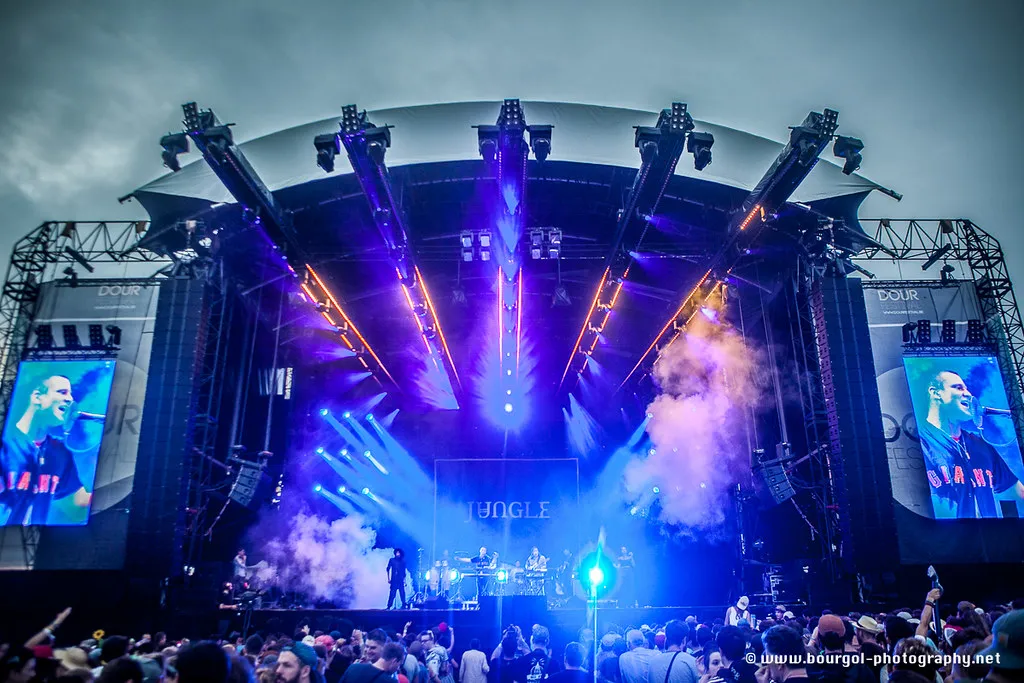
Experienced Dour attendees pack electrolytes, a swimsuit for the on-site water features, SPF50 sunscreen, and a water spray bottle for continuous cooling. Dust is a constant companion on the dry plains — a basic face mask or buff makes the afternoons significantly more bearable. Earplugs are essential if you want any sleep before 06:00, and a portable battery pack is critical because charging points are limited to the camping zone.
The community element genuinely compensates for the discomfort. The green camping zone in particular tends to attract dedicated regulars — Belgians who have been coming five or more years in a row, plus international guests from the UK, Germany, and further afield — and the collective energy is warm. The famous dawn walk back to the campsite after De Balzaal closes is equal parts exhausted and euphoric; it is as much a Dour ritual as any headliner set. Consult our European music festival packing list for a full survival kit breakdown.
- Pack a water spray bottle — it is your main defence against afternoon heat
- Electrolytes matter more than you expect after two sleepless nights
- Arrive at shower blocks before 09:00 or after 11:00 to avoid the peak queue
- Dust masks or buffs are worth more than any amount of dry shampoo
- Store valuables in on-site lockers — the camping is friendly but crowded
Costs: Is Dour Worth the Money in 2026?
A five-day pass for 2026 costs around €220 per person, with camping included in the standard ticket. Single-day tickets run approximately €80. These prices make Dour one of the cheapest music festivals in Europe for its scale — 250,000 attendees, eight stages, 250+ artists. By comparison, a similar five-day UK festival typically costs £280–£350 before camping fees.
All on-site purchases use a digital currency called Dourohs, loaded onto your wristband. The conversion is intentionally non-intuitive — past attendees have joked you need to revisit high-school maths to track your spending. Budget an extra €3.50 if you want a credit refund at the end; the festival charges this flat fee per refund transaction regardless of the amount remaining. Avoid over-loading your wristband on day one; top it up in smaller increments as you go.
Food and drink prices are moderate by festival standards. Budget roughly €50 to €70 per day for meals and beverages. Travel to the village of Dour is genuinely affordable from Brussels — special festival train tickets connect Brussels-Midi to Saint-Ghislain, where free shuttle buses run directly to the entrance. If you drive, note that the festival offers a dedicated eco-parking zone with 100% solar-powered charging for electric vehicles. Parking adds a fee, so public transport remains the smarter financial choice for most visitors.
- Five-day pass with camping: approximately €220
- Day tickets: approximately €80
- Dourohs refund fee: €3.50 per transaction
- Daily food and drink budget: €50–70
- Train from Brussels-Midi to Saint-Ghislain: festival special tickets available via Belgian Rail
Sustainability: A Real Commitment, Not a Marketing Line
Dour sits inside a wind turbine park — the festival grounds are literally surrounded by turbines generating renewable energy. That is not incidental. The organizers have partnered with local eco non-profit 3D Asbl to go beyond standard carbon-offset gestures, focusing instead on waste management, ecological awareness, and social impact for the surrounding community. This has been a consistent priority for over a decade.
Practical sustainability touches include the EV priority parking with solar-powered charging, the push to minimize single-use plastic on site, and the green camping zone for attendees who want to minimize their footprint. If sustainability is a factor in which European festival you choose to support, Dour has a more credible track record than most festivals of its size. The 3D Asbl partnership means some of your ticket cost actively funds local ecological projects.
This angle almost never appears in mainstream "is Dour worth it" reviews, but it matters for a growing share of festival-goers who want the experience without the guilt. Dour is not perfect — 250,000 people in one field for five days creates an environmental footprint regardless — but the commitment is genuine and verifiable, not a logo on a banner.
Other Belgian Festivals Near Dour: How It Compares
Belgium punches well above its weight in summer music festivals, and if you are planning a trip around Dour it is worth knowing how it fits into the wider calendar. Pukkelpop in Hasselt runs in mid-August and leans more heavily toward mainstream rock, pop, and hip hop; its production values are higher and the crowd skews slightly younger. Brussels Summer Festival takes place in the capital in early August with a focus on world music and accessible programming; it is significantly smaller and better suited to casual festival-goers.
Gentse Feesten in Ghent is a ten-day city festival running late July into early August, free to enter, and radically different in format — it is street-based and family-friendly rather than a ticket-gated music event. If you are travelling from outside Belgium, pairing Dour in July with Gentse Feesten the week after gives you a genuinely contrasting double-bill: four nights of gritty camping followed by free outdoor stages across a medieval city centre.
None of these festivals replicate what Dour does. The combination of underground electronic music depth, genre breadth, and sub-€220 five-day pricing is specific to Dour. If your priority is alternative and electronic music with a community-driven atmosphere, nothing else in Belgium comes close.
The Verdict: Is Dour Festival Worth It?
Yes, if you prioritize music discovery and a wild camping culture. Skip it if you require air conditioning, quiet nights, or luxury amenities. For hardcore music fans, budget backpackers, and electronic music lovers, Dour delivers exceptional value. For those who want polished production and a smoother logistical experience, Tomorrowland is the cleaner alternative.
The sheer variety of music makes the physical discomfort worth the effort. The €220 five-day pass is exceptional value by European festival standards, and the community atmosphere genuinely compensates for the basic facilities. Attendees consistently report leaving tired, dusty, and musically inspired. Many come back year after year — some for five or more consecutive editions — which is the clearest possible endorsement of what Dour actually delivers.
Plan for the heat and the dust. Arrive Wednesday. Pack electrolytes, a spray bottle, and earplugs. Load your Dourohs wristband in small increments to avoid the refund fee. Take the train to Saint-Ghislain and the free shuttle to the gates. Then let the 250 artists across eight stages take care of the rest. Dour is a marathon, not a sprint — pace accordingly.
- Pros: incredible musical variety, affordable pricing, friendly inclusive crowd, late-night electronic stages, authentic independent vibe, genuine sustainability commitment
- Cons: challenging camping conditions, extreme dust and heat, basic toilet facilities, Dourohs refund fee, long walking distances between stages
Frequently Asked Questions
How many people go to Dour Festival?
Approximately 250,000 people attend the festival over its five-day duration. This makes it the largest music event in the French-speaking part of Belgium. Crowds are spread across eight different stages and a massive camping area.
What is the best way to get to Dour?
Taking the train to Saint-Ghislain is the most efficient method for travelers. Free shuttle buses connect the station directly to the festival entrance. We recommend booking a special festival train ticket for the best value.
Is the camping at Dour safe?
The camping area is generally safe but very crowded and noisy. We suggest using lockers for valuables and staying with a group. The atmosphere is famously friendly, but basic precautions are always necessary.
Dour Festival is a unique beast in the European summer circuit. It offers an unparalleled mix of genres for a very reasonable price. The physical demands are high, but the rewards for music fans are higher. We recommend it for anyone who wants to escape commercial festival tropes.
Prepare for the dust and embrace the 'DOUREEEUH' spirit for five days. This Belgian classic remains a vital part of the global music scene. If you can handle the grit, the experience is truly worth it.
Free guide: Europe's Festival Calendar
A month-by-month map of Europe's unmissable festivals — with the best dates to visit each and a local tip you won't find in the guidebooks.
You might also like


Continue reading
More guides you'll find useful


