How To Get To Hellfest: 6 Essential Travel Methods
Master your journey to Clisson with our guide on how to get to Hellfest. Includes TGV prices, shuttle schedules, parking tips, and the best routes from Paris.
On this page
How To Get To Hellfest: 6 Essential Travel Methods
Reaching the town of Clisson for the world's premier metal event requires careful planning. Last updated May 2026, this guide covers every logistical detail for your heavy metal pilgrimage. Most attendees begin their journey in Paris or Nantes before reaching the iconic festival gates.
You will find that the best rock and metal festivals in Europe often have complex transport links. Hellfest is no exception, as it transforms a quiet vineyard region into a massive musical city. Understanding the regional train schedules and shuttle routes is vital for a stress-free arrival.
Whether you choose the high-speed TGV or a budget-friendly bus, timing remains your most important factor. This guide explains exactly how to get to Hellfest without common travel mistakes. Prepare for a journey through the Pays de la Loire region toward the ultimate metal experience.
Free guide: Europe's Festival Calendar
A month-by-month map of Europe's unmissable festivals — with the best dates to visit each and a local tip you won't find in the guidebooks.
Traveling from Paris to Nantes by TGV or Bus
The fastest route is taking the TGV from Paris Montparnasse to Nantes, then a regional TER train to Clisson. This full journey takes about 3 hours total and costs roughly €50 / ~$53 depending on how far ahead you book.
The TGV takes slightly more than 2 hours from Paris to Nantes. Tickets cost approximately €34 / ~$36 one way if booked 3 months in advance. Prices spike sharply as the June festival dates approach, so booking early is the single biggest money-saving move you can make.
If you prefer a budget-friendly option, long-distance coaches are a much cheaper alternative. Companies like FlixBus and BlaBlaCar Bus run routes taking around 5 to 6 hours. Tickets typically range from €15 / ~$16 to €25 / ~$27 per person, but you lose 3 to 4 hours of your day and arrive at Nantes bus station, not the main train station.
Arriving at Nantes Gare connects you directly to the regional TER lines serving Clisson. If you are coming from abroad, flying into Nantes Atlantique Airport (NTE) can also save a long overland leg from Paris. The airport is a 20-minute cab or bus ride from Nantes city centre and well-connected to the festival shuttle network.
Navigating the Nantes to Clisson Train Route
The regional TER train is the primary connection between Nantes and Clisson. During festival week the service runs with added frequency, but the standard journey is about 50 minutes. Tickets cost approximately €5 / ~$5 and are available at the blue self-service kiosks inside Nantes Gare.
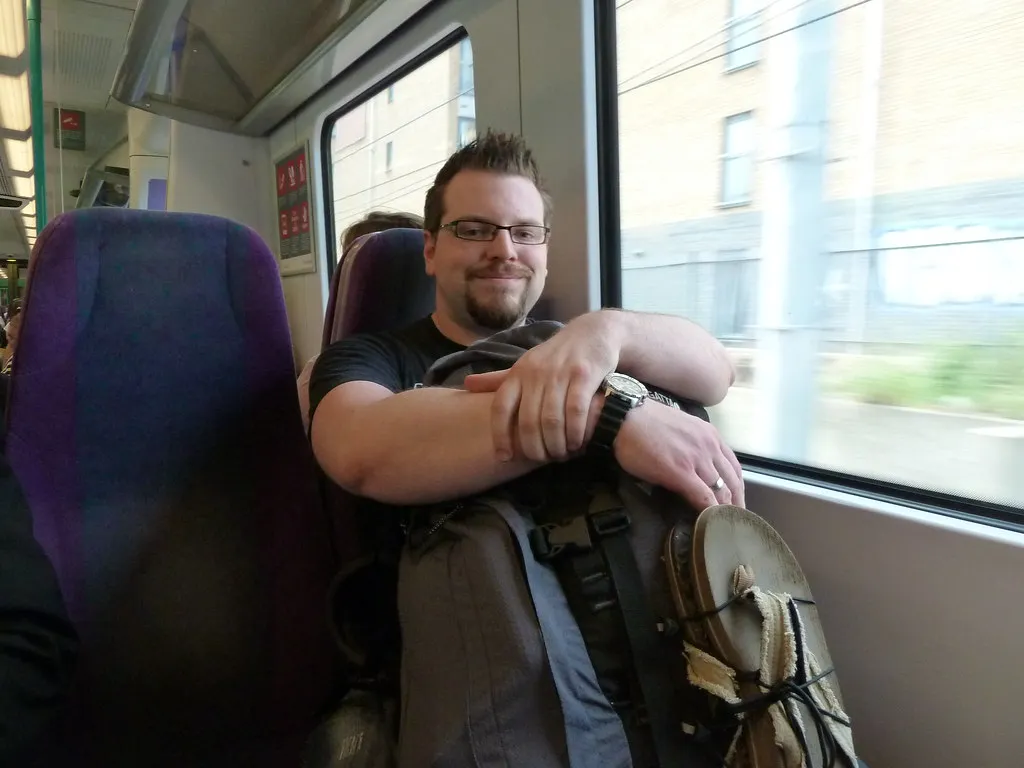
Buy a one-way ticket, not a return. This is one of the most common and costly mistakes first-timers make. Once the final act of the night ends there is no train service from Clisson back to Nantes, so a pre-purchased return ticket is worthless and you will pay again for the night bus anyway.
One critical schedule trap catches many festival-goers on Sunday. The TER on Sundays runs far less frequently than on weekdays or Saturday. If you plan to stay in Nantes and commute, check the exact Sunday timetable on the SNCF Connect app before Hellfest weekend: a late morning start in Nantes can mean the next available train to Clisson departs around 16:00, potentially forcing you into a €90 taxi to catch early-afternoon sets. Set an alarm and plan your Sunday morning accordingly.
On the platform, follow the crowds in band shirts and leather jackets toward trains marked for Cholet or La Roche-sur-Yon via Clisson. Validate your paper ticket in the yellow machines before boarding or risk an on-the-spot fine from inspectors. Digital tickets via the SNCF Connect app do not need physical validation.
Using Official Hellfest Shuttles from Airport and Station
Official shuttles provide a seamless link from Nantes Atlantique Airport directly to the festival site. These buses cost approximately €15 / ~$16 one way and run during the main arrival windows on Wednesday and Thursday. Reservations are made via Weezevent at my.weezevent.com — book before they sell out, typically weeks in advance.
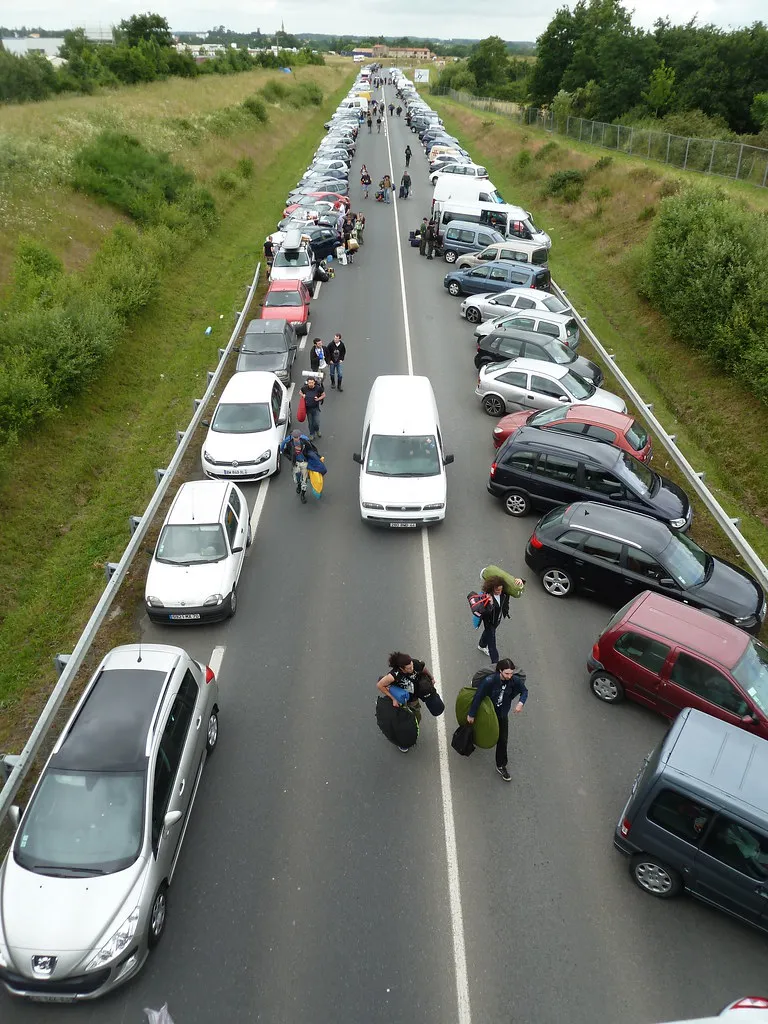
From Clisson train station, a smaller shuttle loops constantly to the main entrance. This costs about €2 / ~$2 per person and saves a 20-minute walk with heavy camping gear. The shuttles run 24 hours a day starting from Wednesday before the music officially begins.
Night buses replace the trains for the return trip from the festival to Nantes. Once the last act of the night finishes, head to the roundabout near the main Hellfest gate and join the queue. Buses depart in waves and the cost is €15 / ~$16 per person, payable in cash on board. Keep small change ready as drivers rarely have exact change late at night.
If the official airport shuttle is full on your arrival day, the public Tan bus line connects Nantes airport to the city centre, from where you can catch a TER. This route is slower but runs reliably and avoids the potential two-hour wait if you miss the festival shuttle window.
Driving and Parking at Official Festival Lots
Driving to Clisson offers flexibility but requires strict adherence to the festival's traffic and parking rules. Hellfest provides two official parking lots free of charge for ticket holders. These lots sit on the outskirts of Clisson, typically 15 to 20 minutes from the main gates by shuttle bus.
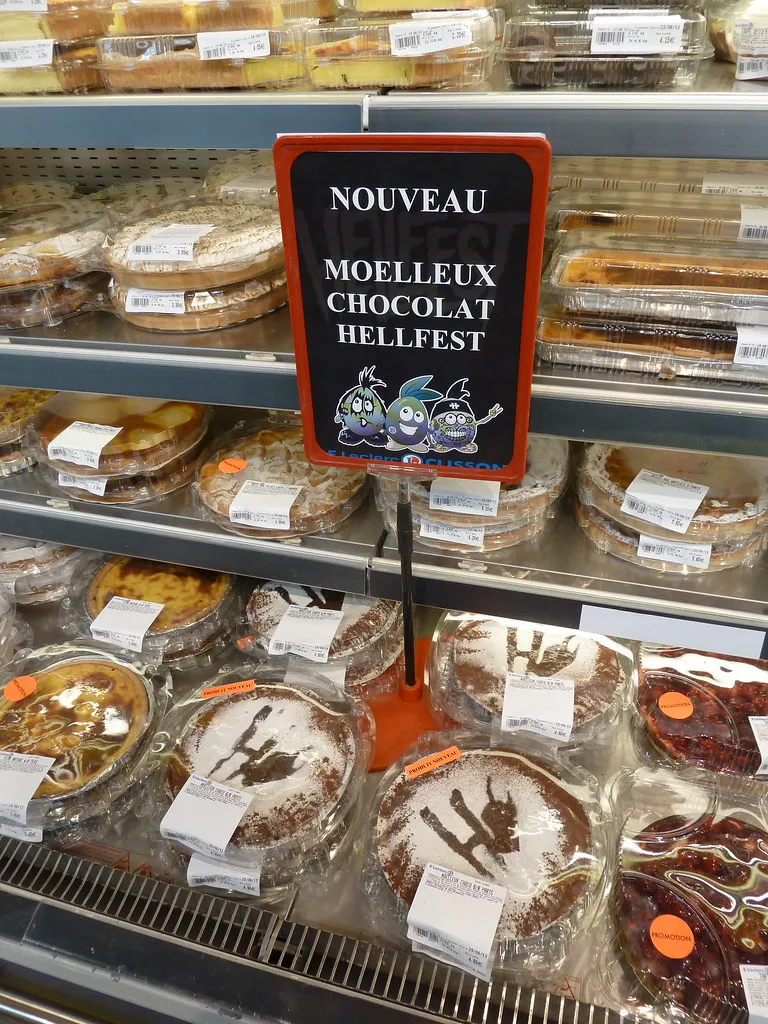
Carpooling is strongly encouraged by the organizers to reduce the number of vehicles converging on the town. Dedicated festival forums and the official Hellfest Facebook group are the best places to find ride-share partners. Splitting a car between four people makes driving one of the cheaper total-journey options when you factor in fuel versus train costs.
Avoid parking in the Clisson town centre. Police strictly enforce no-parking zones during the festival week, and violations result in immediate towing and expensive fines. Follow the yellow Hellfest road signs from the main motorway exits directly to the authorized grass parking fields.
A Hellfest statement on its website is clear: parking outside official zones will not be tolerated, and water and electricity are not available in the car parks. The walk from the furthest lots to the entrance can be nearly 30 minutes. Official shuttles run frequently from the parking zones to the main Hellcity square, so use them rather than attempting the full walk in summer heat with gear.
Day 0: Arriving on Wednesday Before the Music Starts
Wednesday is the hidden optimal arrival day for Hellfest. The campsite opens and wristband collection begins before the main concert programme kicks off on Thursday 18 June 2026. Arriving a day early means shorter queues at the wristband exchange booths, a wider choice of camping spots, and no Thursday morning gridlock at Clisson station.
All transport options — TER from Nantes, airport shuttle, and parking lots — operate from Wednesday. The station-to-site shuttle runs from Wednesday onwards at the standard €2 / ~$2 fare. If you plan to arrive Wednesday evening, verify the last TER departure from Nantes on the SNCF Connect app, as the evening schedule can have a significant gap after 21:00.
The Hellcity square, which houses food stalls, the official merchandise stands, and the Hellcity brewery, opens to wristband holders from Wednesday. The brewery serves craft beers brewed specifically in Clisson — a useful landmark to meet up with friends before the stages open. ATMs and mobile phone charging stations are also available inside the main site perimeter from Wednesday, so there is no reason to scramble for cash on Thursday morning.
Walking and Local Transport Within Clisson
Walking is a practical option for those staying in local guesthouses or the town centre. The trek from Clisson station to the festival gates takes approximately 20 minutes at a brisk pace. The route passes through the town centre where local bakeries and shops offer supplies at far lower prices than inside the festival.
The path is mostly flat, but summer heat in the Loire Valley can be intense during the June festival days. Carry water from the town before entering the site, where drinks cost two tokens each (one token equals €1). Residents sometimes set up informal water stops or snack stalls along the main walking route.
If you have limited mobility, use the station shuttle rather than walking. The pavement can be uneven near the medieval quarter of Clisson and the final approach to the festival site. Local taxis exist but become extremely scarce and expensive during the four-day event. A short ride that normally costs €10 / ~$11 can double in price during peak festival hours, making the €2 / ~$2 shuttle the most reliable option.
Essential Travel Costs and Budgeting Tips
A typical round trip from Paris will cost at least €80 / ~$85 in transport alone. Budget an additional €20 / ~$21 for local shuttles, night buses, and small transit fees across the festival days. If you stay in Nantes rather than camping, add €15 / ~$16 per night bus trip back to the city — across three nights that is €45 / ~$47 extra on top of accommodation.
The single biggest saving is booking TGV tickets as early as possible — ideally three to four months before the June dates. This can save over €40 / ~$42 versus buying the same week. Checking Rome2rio.com for alternative coach routes is a useful fallback if trains are sold out closer to the date.
For those choosing the Nantes commuter option over camping, the trade-off is real. The 50-minute TER each way adds an hour of daily travel, plus the cost of the night bus home. Camping at the festival site removes those costs entirely and keeps you closer to the late-night sets — but the on-site showers cost approximately €6 / ~$6 for unlimited use across 4 days, and the campsite is loud around the clock.
- Before You Go Checklist
- Download the SNCF Connect mobile application for real-time schedule and ticket updates.
- Book TGV tickets at least three months early for the lowest fares.
- Reserve your official airport shuttle via Weezevent before they sell out.
- Withdraw cash for night bus fares (€15) and station shuttles (€2) — drivers rarely accept cards.
- Print your festival ticket and transport vouchers as a backup for dead phone batteries.
- Check the Sunday TER timetable separately — Sunday trains are sparse and the gap can be 3 hours.
- Confirm campsite and wristband collection opening times for Wednesday Day 0 if arriving early.
- Common Mistakes to Avoid
- Buying a return TER ticket: there is no train home after midnight — you will pay for the night bus regardless.
- Arriving Sunday without checking the schedule: the next TER from Nantes can be 4 hours away.
- Parking in Clisson town: vehicles are towed on the spot with no exceptions during festival week.
- Showing up at the shuttle queue with no cash: night buses accept cash only.
- Missing the last night bus and hoping for a taxi: €90+ from Clisson to Nantes is a real outcome.
Frequently Asked Questions
Where is Hellfest located?
Hellfest is located in the town of Clisson, France. This area is in the Loire-Atlantique department near Nantes. It takes about 3 hours to reach from Paris by train.
How do I get from Nantes to Hellfest?
Take the regional TER train from Nantes station to Clisson. The ride takes about 50 minutes. From Clisson station, use the €2 shuttle to reach the gates.
How much is a shuttle from Nantes airport to Hellfest?
The official airport shuttle costs approximately €15 / ~$16 per person. It is best to book these transfers in advance via Weezevent. The journey takes about 40 minutes.
Is there free parking at Hellfest?
Yes, the festival provides two official parking lots free of charge. These lots are located on the outskirts of Clisson. Shuttles connect the parking zones to the entrance.
Getting to Clisson is manageable if you book transport early and understand the Sunday TER schedule. The combination of TGV speed from Paris and local TER reliability makes the train the best overall choice. Always keep cash ready for the night buses and station shuttles that run from the site.
Whether you are attending for the first time or the tenth, logistics define how much music you actually see. By planning your Wednesday arrival and buying one-way train tickets rather than returns, you remove the most common first-timer stress points. Enjoy your time at one of the best rock and metal festivals in Europe.
Free guide: Europe's Festival Calendar
A month-by-month map of Europe's unmissable festivals — with the best dates to visit each and a local tip you won't find in the guidebooks.
You might also like



Continue reading
More guides you'll find useful