
Is Mad Cool Festival Worth It? (2026 Review & Guide)
Is Mad Cool Festival worth the trip? Read our 2026 review on tickets, the no camping rule, transport from central Madrid, and heat survival tips.
On this page
Is Mad Cool Festival Worth It?
Yes, Mad Cool Festival is worth it if you prioritize massive lineups over a relaxing atmosphere. The best alternative for those seeking a more organized coastal vibe is Primavera Sound in Barcelona. This guide was last updated in June 2026 with current pricing and logistics.
Mad Cool has quickly become one of the best music festivals in Europe for rock fans. It takes place in the Iberdrola Music venue in the Villaverde district of Madrid. Expect long nights and scorching afternoon sun during this four-day event. Our review breaks down the costs, transport headaches, and musical highlights for 2026.
Free guide: Europe's Festival Calendar
A month-by-month map of Europe's unmissable festivals — with the best dates to visit each and a local tip you won't find in the guidebooks.
The Verdict: Is Mad Cool Festival Worth It?
Deciding if this festival fits your style depends on your tolerance for heat and crowds. The event offers an incredible density of world-class talent for a competitive price. General admission three-day tickets typically start around €210 plus booking fees. You get to see massive headliners that rarely tour together in other cities.
However, the logistical challenges of getting home at 4:00 AM can be exhausting. The venue is far from the city center and requires careful planning. Most visitors find the lack of shade a significant hurdle during the early hours. We believe the value is high if you love the specific lineup offered.
Verdict: Yes, it is worth it for the music, but the logistics require patience. Best for rock, indie, and pop fans who enjoy urban festival settings. Skip it if you hate extreme heat or prefer camping-style festivals. Consider Sziget Festival for a more immersive island experience.
- Pros: What visitors usually love
- World-class rock and indie lineups with genre-fluid programming
- High-quality sound systems on main stages
- Convenient location within a major capital city
- No camping means sleeping in a real bed each night
- Great food options compared to most field-based festivals
- Cons: What may disappoint
- Extremely high temperatures reaching 40 degrees Celsius
- Long walks between stages on artificial grass
- Difficult transport connections after the final set ends
- Lack of shade throughout the venue grounds
- Expensive drink prices inside the festival gates
The History and Evolution of Mad Cool
Mad Cool launched in 2016 at the Caja Magica and immediately aimed for the top tier of European festivals. It moved to Valdebebas in 2018 and expanded its ambition with each passing year. The current site at Iberdrola Music in Villaverde was designed to hold over 70,000 people daily. This rapid growth has occasionally led to infrastructure and crowd control friction.
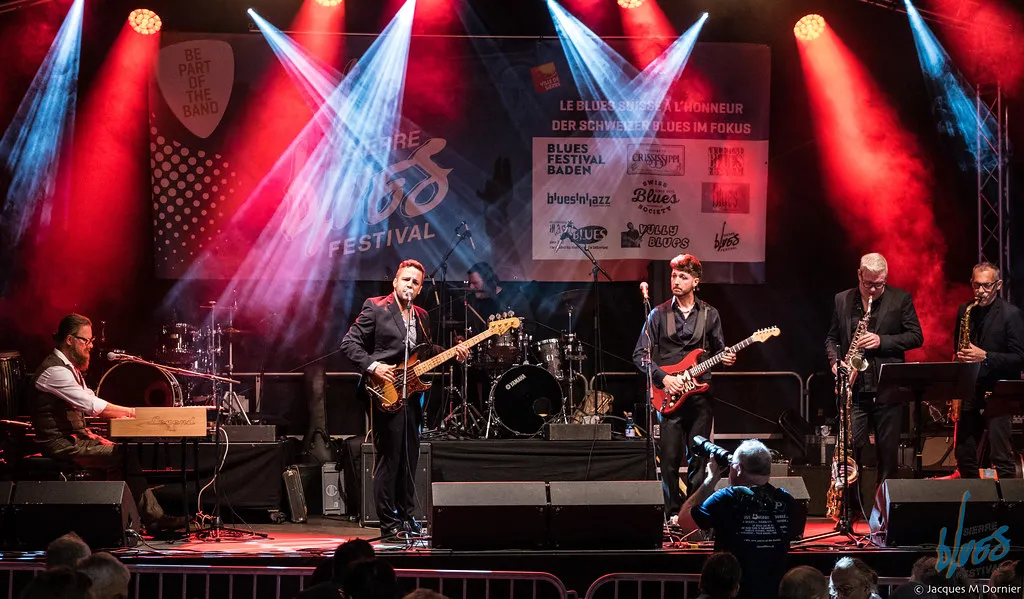
Earlier editions were criticised for long queues at the entrance gates and technology failures that left fans unable to buy anything for hours. The organisers have worked to improve crowd flow, adding more top-up stations and clearer stage routing in recent years. Many fans still miss the original site closer to the airport. The current venue provides more space but feels more industrial and remote.
The festival gained a global reputation for booking lineups that feel genuinely impossible. It often competes directly with Glastonbury for the biggest summer acts. The 2025 edition — Mad Cool's ninth year — featured Olivia Rodrigo, Nine Inch Nails, and Iggy Pop across four days at Iberdrola. The 2026 tenth-anniversary edition is expected to push that ambition even further.
- Key Historical Milestones
- Founded in 2016 at Caja Magica
- Moved to Valdebebas in 2018
- Expanded to four days in 2022
- Relocated to Villaverde (Iberdrola Music) in 2023
- Reached 200,000 total attendees by 2024
- 10th anniversary edition in 2026
The Music: What to Expect from the Lineup
The music at Mad Cool is famously genre-fluid but leans heavily toward rock. You can expect a mix of classic legends and modern pop icons on the same day. Sets often start from 17:00 to avoid the peak Spanish sun, with the energy building as the sky darkens over Madrid. Headliners typically take the stage around midnight and play until 02:00 or 03:00.
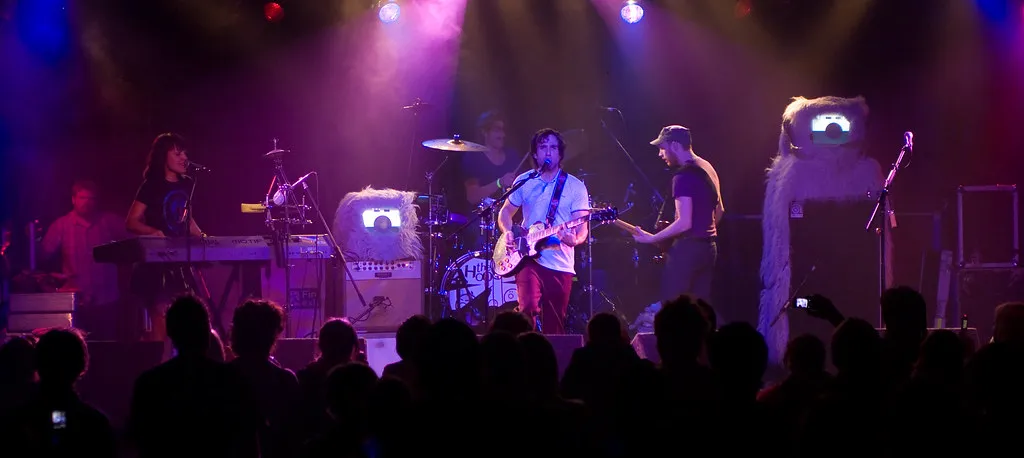
The late schedule surprises many international guests but fits perfectly with Spanish culture. Smaller stages feature excellent electronic acts and emerging local Spanish talent throughout the evening. The main arena stages are enormous and offer good sightlines even from the back of the crowd. Sound quality is generally strong, though the eight-stage layout means some overlap between the smaller side stages — if two acts run simultaneously, you will hear audio bleed at the crossover zone.
Plan your daily schedule carefully to avoid being caught between two clashing sets you want to see. Allow a full 15 minutes to walk between the farthest stages on the site. Check the latest schedule at Mad Cool Tickets and map your must-sees before you arrive. Knowing the stage positions in advance saves real frustration on the night.
- Typical Music Genres
- Alternative and Indie Rock
- Mainstream Pop and Chart-toppers
- Electronic and House Music
- Heavy Metal and Hard Rock
- Local Spanish Indie Artists
Getting Around Town: Transport to Villaverde
Getting to the Iberdrola Music venue requires a solid transport strategy. The nearest Metro stop is Villaverde Alto on Line 3. The C5 Cercanías train also runs frequently from Atocha Station and is often the faster option from central Madrid. Expect a 15 to 20-minute walk from either station to the main entrance.
Leaving the festival is where planning really matters. The Metro closes before the final sets end, which forces most people onto the free shuttle or toward ride-share apps. The free shuttle queues can run one to two hours long if you leave after the headline act finishes. The smarter move is to walk 15 minutes past the shuttle lines to where the roads open up, then order a Cabify from there — wait times drop dramatically once you clear the immediate venue perimeter.
If you do use the Metro, note that special night trains run toward the city centre during the festival, but they fill to uncomfortable capacity and delays are common. Leaving 30 minutes before the second-to-last act ends is the clearest way to get home without a two-hour queue. For a full breakdown of every option, see our dedicated guide on how to get to Mad Cool Festival. Always top up your transport card before heading to the venue — machines at Villaverde Alto are frequently out of order after midnight.
- Transport Options Compared
- Metro Line 3 to Villaverde Alto: Best for arrival; closes before last set
- C5 Cercanías from Atocha: Fastest from city centre, same walk to gates
- Free Shuttle: Convenient but one-to-two-hour queues after midnight
- Cabify from open road beyond shuttles: Most reliable late-night exit
- Standard Ride-share at venue gates: Expensive and hard to book in the surge
Accommodation: Why You Won't Be Camping
Unlike many European festivals, Mad Cool does not offer on-site camping. All attendees must find accommodation within the city of Madrid. This means you get the comfort of a shower and air conditioning every night. However, it also adds the daily cost of travel and lodging to your overall budget.
We recommend staying near Atocha or Sol for the best transport links. These areas allow you to catch the C5 Cercanías or Line 3 Metro easily in the afternoon and reach the venue in under 45 minutes. Hotels and apartments fill up months in advance for the festival dates, so book as early as you can. Check our recommendations for where to stay for Mad Cool Festival with neighbourhood-by-neighbourhood advice.
Staying overnight in Madrid is a far better choice than attempting a day trip from another city. The late finish times make returning to Barcelona or Seville by train impossible without losing the headline acts. You can use the daytime — music does not start before 17:00 — to explore the city, eat well, and rest before the night begins. Most groups find that a central apartment split between four people offers the best value for a multi-night stay.
- Best Neighbourhoods to Stay in Madrid for the Festival
- Atocha: Best for C5 train access and easy morning returns
- Sol: Heart of the city, nightlife, and easy Metro links
- Lavapiés: Trendy, affordable, and close to Atocha
- Malasaña: Great for food and nightlife between festival days
- Villaverde: Closest to the site but very industrial and limited amenities
The Logistics: Wristbands, Cashless, and Bathrooms
Mad Cool uses a cashless wristband system for all on-site purchases. Your bracelet functions as both your entry ticket and your payment card throughout the festival. A critical rule: online top-offs must be completed before 13:00 on the day you plan to attend. Miss that cut-off and you will be queuing at the on-site top-up stations during the hottest part of the afternoon.
Each day has its own wristband colour, but unused credit from a previous day's bracelet carries over and can be spent on any day of the festival. Refunds are available for balances of two euros or more after the event closes. Amounts below that threshold are forfeited, so top up in small increments rather than all at once. Inside the venue, look for top-up stations toward the back of the site — lines there are consistently shorter than the stations near the entrance.
The bathrooms are generally better maintained than at most field festivals. They are portable units cleaned regularly by staff, though waits for women can stretch during breaks between headliner sets. The hand-washing stations double as the only free water source in some areas of the site, which creates congestion. We suggest locating the dedicated water refill points early in the evening before the crowds build.
- Festival Logistics Tips
- Top up wristbands online before 13:00 — no exceptions
- Bring a portable power bank for your phone
- Locate water refill stations on the site map at entry
- Wear comfortable shoes; the walking distance between stages is real
- Keep your ID on you at all times for security checks
Weather and Timing: Beating the Madrid Heat
The Madrid heat in July is not a minor inconvenience — it is a genuine logistics problem. Temperatures regularly exceed 38 degrees Celsius during the afternoon and hold above 30 degrees even past midnight. The Iberdrola Music site is mostly artificial grass and open tarmac, which both reflect and retain heat. Shade structures exist but are insufficient for the crowd size.
Hydration is the single most important factor for surviving the full weekend. Bring an empty reusable bottle to use at the free water refill stations inside the gates. The festival has historically run short on water at peak hours, so fill your bottle at quieter moments rather than waiting until you are thirsty. The late start time — no music before 17:00 — exists specifically to give attendees the hottest hours of the day to rest indoors.
We suggest arriving no earlier than 19:00 to avoid the worst ground-level heat. Apply high-SPF suncream before entering because once you are inside, stopping to apply it means losing your spot. A wide-brimmed hat and a handheld misting fan are not optional extras — they are functional gear for this specific venue and climate. Plan to rest during the midday hours so you have energy for the sets that matter most, which rarely start before 22:00.
- Heat Survival Kit
- Reusable water bottle (must be empty at security)
- High-SPF suncream applied before entry
- Wide-brimmed hat or cap
- Lightweight, breathable clothing in light colours
- Handheld fan or cooling mist spray
The Sustainability Question
Mad Cool's environmental record is genuinely mixed and worth knowing before you buy a ticket. In its early editions, the festival was praised for allowing reusable water bottles, providing clear recycling, and working with vendors using paper packaging. By the 2022 edition, several of those practices had quietly disappeared. Attendees reported being stopped at security for empty water bottles, recycling bins that were unlabelled and treated as general waste, and beer cups being discarded by staff despite requests to reuse them.
The organisers have made incremental improvements since then — 2025 saw more water stations and better bathroom maintenance compared to the low point in 2022. But the festival still generates a significant volume of single-use plastic given its daily attendance of 70,000 people. If reducing your personal footprint at an event matters to you, the current Mad Cool setup will require some compromise.
Practical steps that do work within the current rules: bring a reusable bottle and confirm at the gate whether it is permitted that year (policies have shifted annually), use public transport rather than ride-share for arrivals, and carry a small bag for your own litter between waste stations. The festival's scale makes perfect sustainability impossible, but individual choices still add up across tens of thousands of attendees.
Essential Tips for Mad Cool Newbies
Use the daytime wisely. Music does not begin until at least 17:00 each day, which gives you the morning and early afternoon free. Areas like La Latina and Malasaña offer excellent food and the kind of relaxed Madrid atmosphere that makes the city genuinely worth the trip beyond the festival itself. A long Sunday brunch near Atocha before the final day is a smart way to recharge before a full night of headline acts.
Pack from a European music festival packing list tailored for urban heat rather than muddy fields. Earplugs are essential if you plan to stand near the front of the main stages — sound levels are high and the sets run for hours. Always agree on a fixed meeting point with your group before you enter the site, because phone signal inside the Iberdrola venue degrades significantly when 70,000 people are all connected to the same network.
Book your accommodation and tickets as early as possible. Three-day passes typically start at €210, and Madrid hotels for the festival weekend sell out months in advance. Single-day tickets are available for approximately €85 but they go faster than many people expect. The 10th anniversary in 2026 is likely to sell faster than any previous edition.
- Quick Tips for First-Timers
- Book your hotel at least six months before the festival dates
- Download the official festival app for real-time stage schedules
- Eat a full meal before entering — food queue times spike after 20:00
- Wear ear protection near the front of the main stages
- Agree on a meeting point before phone signal degrades inside
Frequently Asked Questions
How much do Mad Cool Festival tickets cost?
Tickets for the 2026 festival typically start at €210 for a three-day pass. Single-day tickets are often available for around €85. Prices increase as the event date approaches, so early booking is highly recommended.
What is Mad Cool Festival known for?
The festival is famous for its massive rock and indie lineups. It often features huge global headliners like Pearl Jam or The Killers. It is also known for its late-night schedule and intense summer heat.
Can you take drinks into Mad Cool Festival?
No, you cannot bring outside food or drinks into the venue. Security will check your bags at the entrance. You are allowed to bring an empty reusable water bottle to use at refill stations.
Visiting Madrid for more than one festival? See our complete guide to festivals and events in Madrid.
Mad Cool Festival offers an undeniable value for fans of major rock and pop acts. The sheer scale of the lineup justifies the ticket price for most visitors. You will need to prepare for the heat and the logistical challenges of the venue. Staying in central Madrid makes the experience much more comfortable than any camping alternative could.
If you prefer a smaller vibe, check out the best boutique music festivals in Europe. Otherwise, Mad Cool remains a top-tier choice for a high-energy summer adventure. Plan your transport route home before you go in, top up your wristband before 13:00, and enjoy what Madrid does best after midnight.
Free guide: Europe's Festival Calendar
A month-by-month map of Europe's unmissable festivals — with the best dates to visit each and a local tip you won't find in the guidebooks.
You might also like


Continue reading
More guides you'll find useful


