
How to Get to Amsterdam Dance Event: 6 Essential Travel Steps
Master the logistics of ADE with our guide on transport, ticketing, and venue navigation. Learn how to get to Amsterdam Dance Event and move between 200+ venues.
On this page
How to Get to Amsterdam Dance Event: 6 Essential Travel Steps
Last updated June 2026. Amsterdam Dance Event is the world's largest gathering for electronic music fans and professionals. The city transforms into a massive club network for five days every October. Knowing how to get to Amsterdam Dance Event requires understanding a decentralized urban landscape.
This guide covers everything from international flights to the best local biking routes. You will find tips on navigating 200 venues and choosing the right ticket type. Planning early is essential because over 400,000 visitors descend upon the city annually. Prepare for a high-energy experience that spans both day and night sessions.
Free guide: Europe's Festival Calendar
A month-by-month map of Europe's unmissable festivals — with the best dates to visit each and a local tip you won't find in the guidebooks.
Understand the ADE Festival Structure
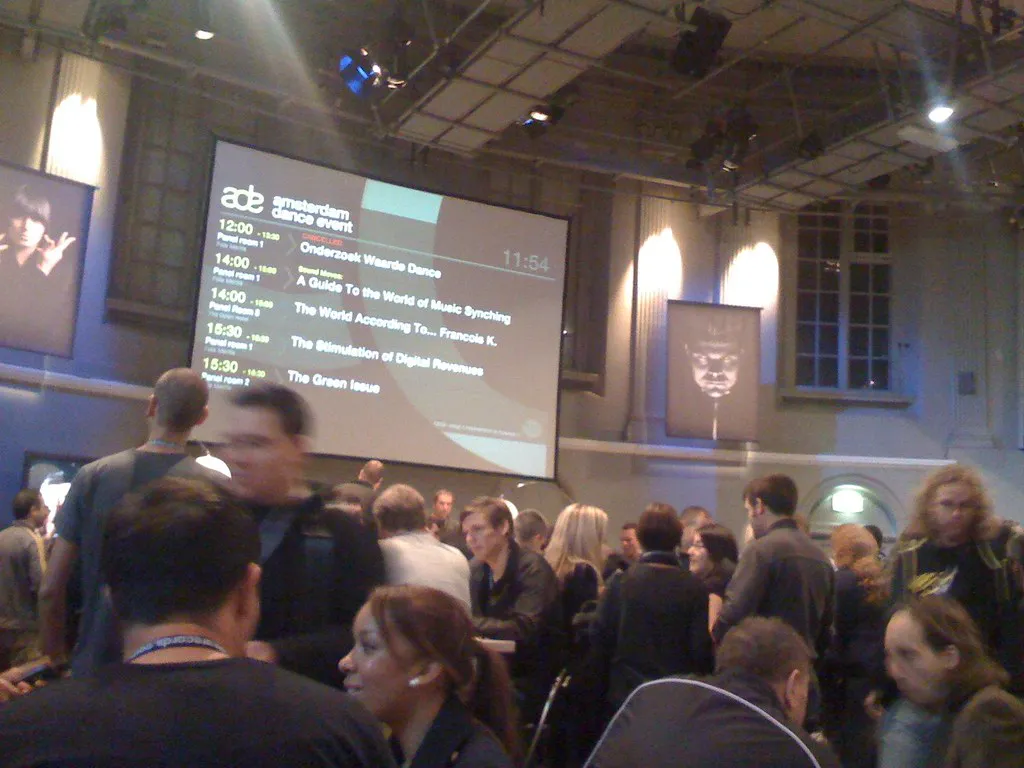
ADE is not a single-site festival like many other electronic music festivals in Europe. It spreads across the entire city, utilizing everything from concert halls to tiny basements. The program is split into two distinct parts: the conference and the festival. The conference focuses on industry networking and workshops during the daylight hours.
The festival side features over 2,500 artists performing in varied night-time slots. Venues are scattered across several neighborhoods, making transit planning a vital task. Most events require separate tickets unless you hold a full conference pass. Understanding this split helps you decide where to spend your time and money.
ADE by day means conferences, exhibitions, documentaries, masterclasses, and DJ showcases held across the city's cultural spaces. You can sit in on panels featuring producers, event promoters, and tech startup founders from across the industry. ADE by night is when the music takes over completely, with techno, trance, and house filling warehouses, clubs, and converted industrial spaces from sunset until well past dawn. Mapping your must-see artists before you arrive will save hours of travel time between venues.
Identify Key Venue Hubs and Locations
The Westergasfabriek complex is perhaps the most famous hub for large-scale techno events. It houses the Gashouder, a circular industrial space in Westerpark known for its acoustics and lighting rigs. Getting here requires a short bus ride or a 10-minute bike trip from the center. Many fans consider this the heart of the festival's nighttime energy.
Leidseplein and Rembrandtplein serve as the central clusters for more intimate club shows. Famous venues like Melkweg and Paradiso — a former church near Leidseplein — are located within easy walking distance of each other. Paradiso's unique acoustics make it a consistently sold-out venue during ADE week. These areas are also packed with bars and pop-up stages, making them ideal for spontaneous discovery between ticketed events.
Amsterdam Noord has become a major player with venues like the NDSM-werf shipyard and Shelter. You must take the free GVB ferry to reach these locations from the city center. The industrial backdrop provides a unique atmosphere for extended sets and warehouse parties. Beyond these headline venues, countless bars and smaller locations across the city run their own ADE events — so the festive energy is inescapable even without a ticket to a headline show.
Dutch DJs and Amsterdam's Club Scene
The Netherlands has produced some of the most recognizable names in electronic music. Artists like Tiësto, Armin van Buuren, Martin Garrix, Hardwell, Afrojack, and Nicky Romero all built their reputations on Amsterdam's club circuit. ADE is where many of them return to play intimate sets alongside international headliners such as Nina Kraviz, Marcel Dettmann, and Jamie Jones.
Amsterdam's nightlife geography is worth understanding before you arrive. Leidseplein and Rembrandtplein are the twin centers of the city's club scene and are far more rewarding for ADE than the tourist-heavy Red Light District. Melkweg and Paradiso sit within a few hundred meters of each other near Leidseplein and represent different ends of the sound spectrum — Melkweg leans toward house and experimental, Paradiso toward bigger names and arena-scale production.
The city's club culture runs deep. Amsterdam has hosted electronic music nights continuously since the early 1990s, and ADE grew out of that infrastructure. Expect crowd demographics that skew toward industry professionals and serious fans rather than casual partygoers, especially for daytime conference sessions and smaller late-night venue shows.
Book Your International Travel to Amsterdam
Most international visitors arrive via Schiphol Airport, which is one of Europe's busiest hubs. The airport is located just 9 miles from the city center and is very accessible. Trains run every 10 minutes from the airport directly to Amsterdam Centraal station, taking 15 minutes and costing €4.90 / ~$5.30. This journey is much faster and cheaper than taking a taxi into the city.
European travelers should consider high-speed rail as a comfortable and eco-friendly alternative. The Eurostar connects London to Amsterdam in under four hours with direct daily service. Thalys trains offer fast connections from Paris and Brussels directly into the heart of town. Booking rail tickets three months in advance can save you over €50 / ~$55.
If you are looking for cheapest music festivals in Europe, budget buses are a viable option. FlixBus and BlaBlaCar Bus serve Amsterdam from dozens of major European cities. While slower than trains, these tickets often cost as little as €20 / ~$22. Most international buses arrive at Sloterdijk station, which is a short train ride from Centraal.
Master Local Transport and Biking Logistics
The GVB public transport network is the backbone for navigating ADE, with a 5-day pass costing approximately €37 / ~$40 for unlimited trams and buses. Renting a bike offers the most flexibility at €10–€15 / ~$11–$16 per day and lets you move between venues without waiting for overcrowded trams. Taxis and Ubers are available but face heavy congestion and surge pricing that can push fares to €60 / ~$65 during the 04:00–06:00 exit window.
Amsterdam is famous for its public transport efficiency, but the festival puts a heavy strain on the system. Buses and trams run frequently until midnight, after which a special network of night buses (N-prefix routes) takes over. Most night buses depart from Centraal or Leidseplein every 30 minutes throughout the week. Biking remains the most reliable way to avoid crowds and stick to your own schedule — just use designated racks or risk having the city council remove your bike.
- Step 1: Purchase a GVB multi-day travel pass
- Visit a GVB service point at Amsterdam Centraal to buy a physical chip card.
- A 5-day pass costs roughly €37 / ~$40 and covers all city trams and buses.
- Avoid buying single tickets as they cost €3.20 / ~$3.50 for just one hour.
- Step 2: Download the GVB and 9292 apps
- Install these apps to get real-time departure data for every tram and bus line.
- The apps are free to use and provide accurate platform numbers for trains.
- Check for route diversions frequently as some streets close for large festival crowds.
- Step 3: Use the free GVB ferries to reach Amsterdam Noord
- Head to the waterfront behind Amsterdam Centraal to find the ferry boarding gates.
- These ferries are free of charge and run 24 hours a day to Noord and NDSM-werf.
- Expect longer queues after 04:00 when major shows at NDSM-werf finish — arrive at the dock 20 minutes early or walk to the secondary 'Buiksloterweg' ferry point a few hundred meters west to skip the main queue.
- Step 4: Rent a bicycle from a local shop
- Look for rental shops near your hotel that offer sturdy locks and lights.
- Daily rates average €12 / ~$13 and often require a small cash deposit.
- Always use designated racks to avoid having your bike removed by the city council.
- Step 5: Plan walking routes between central hubs
- Use offline maps to navigate the narrow streets between Leidseplein and Rembrandtplein.
- Walking between these two major hubs takes about 15 minutes at a steady pace.
- Wear comfortable shoes as you will likely walk several miles throughout the festival day.
- Step 6: Know the night bus network
- Check the GVB website for the N-prefix routes that operate after the trams stop.
- Fares cost about €5 / ~$5.50 if you do not have a valid multi-day pass.
- N83 and N84 cover many of the West and Noord party areas after midnight.
Secure Your ADE Tickets or Pro Pass
Choosing between the ADE Pro Pass and individual tickets is a major financial decision. The Pro Pass costs roughly €600 / ~$650 and grants access to all events including conference sessions. It is the best choice if you plan to attend the conference and multiple parties across several nights. This pass also provides access to dedicated lounges and networking hubs across the city.
Individual tickets are better for those only interested in a few specific artist lineups. Prices for single night events typically range from €30 / ~$33 to €70 / ~$76. You should head to the ADE website to buy these early. Popular shows at the Gashouder often sell out within minutes of going on sale.
Here is how to calculate which option makes financial sense for you. At an average single-event ticket price of €50, the Pro Pass breaks even at roughly 12 events. If you plan to attend 4–5 headline nights plus several daytime conference sessions with separate entry, individual tickets will likely cost less. If you are an industry professional attending 3+ conference days and 5+ parties, the Pro Pass saves money and removes the stress of per-event ticketing. Be cautious when buying tickets from secondary platforms — use the official TicketSwap platform if you need to find a sold-out entry and always verify the barcode before joining a queue.
Plan Your Accommodation and Daily Schedule
Hotel prices in Amsterdam spike significantly during the week of the dance event. Staying in the Jordaan or Old Center puts you near the action but costs more. Consider looking for hotels in Amsterdam West or the Zuidas business district for better rates. These areas are well-connected by tram and offer a quieter escape from the music. Book at least three to four months in advance — over 300,000 visitors attended ADE in recent years, and the city fills fast. Hostels near Vondelpark and Amsterdam Centraal station historically fill first.
Packing correctly is just as important as booking the right hotel for your stay. Refer to a European music festival packing list for the essentials. The Dutch weather in October is often rainy and windy, so bring a waterproof jacket. Comfortable footwear is mandatory because you will be standing on concrete floors for hours.
Manage your energy by balancing high-intensity nights with relaxed daytime activities. Amsterdam has world-class museums and parks that offer a break from the electronic beats. Many venues do not allow re-entry, so plan your arrival time carefully for long sets. Keep a digital copy of your schedule on your phone for quick reference between venues.
- Essential checklist for your ADE trip
- High-fidelity earplugs are necessary to protect your hearing in loud venues.
- A portable power bank keeps your phone charged for navigation and tickets.
- A lightweight rain poncho fits in your pocket for sudden Dutch showers.
- A valid photo ID is required for entry at every festival venue.
- Reusable water bottles help you stay hydrated between different club sets.
- Small denominations of cash are useful for lockers in some older buildings.
- The official ADE app should be installed for schedule updates and maps.
- A warm sweater is needed for the chilly ferry rides across the water.
Frequently Asked Questions
Where does the Amsterdam Dance Event take place?
ADE takes place across more than 200 venues throughout the entire city. Major hubs include the Westergasfabriek area, Leidseplein, and the NDSM-werf in Amsterdam Noord. Most locations are easily reachable via the GVB tram and ferry networks.
Is the Amsterdam Dance Event free to attend?
While some daytime pop-up events and shop sessions are free, most parties require a ticket. You can buy individual tickets for specific shows or an all-access Pro Pass. Prices vary significantly depending on the venue and the performing artist.
Which are the best areas to stay in for ADE?
Amsterdam West and the area near Leidseplein are ideal for proximity to major venues. For better value, consider staying in Amsterdam Noord or near Sloterdijk station. These areas offer excellent transport links to the festival hubs.
Is it worth going to ADE for just one day?
Yes, you can have a great experience by booking a single night at a major venue. Check if how to get to Awakenings Festival events fits your schedule. One day allows you to see top DJs without the high cost of a full week.
Visiting Amsterdam for more than one festival? See our complete guide to festivals and events in Amsterdam.
Getting to Amsterdam Dance Event is a rewarding logistical challenge for any music lover. By securing your GVB pass and renting a bike, you can navigate the city like a local. Remember to book your accommodation and tickets months in advance to avoid the highest prices. The effort is worth it to experience the unique energy of the world's dance music capital.
Free guide: Europe's Festival Calendar
A month-by-month map of Europe's unmissable festivals — with the best dates to visit each and a local tip you won't find in the guidebooks.
You might also like


Continue reading
More guides you'll find useful


