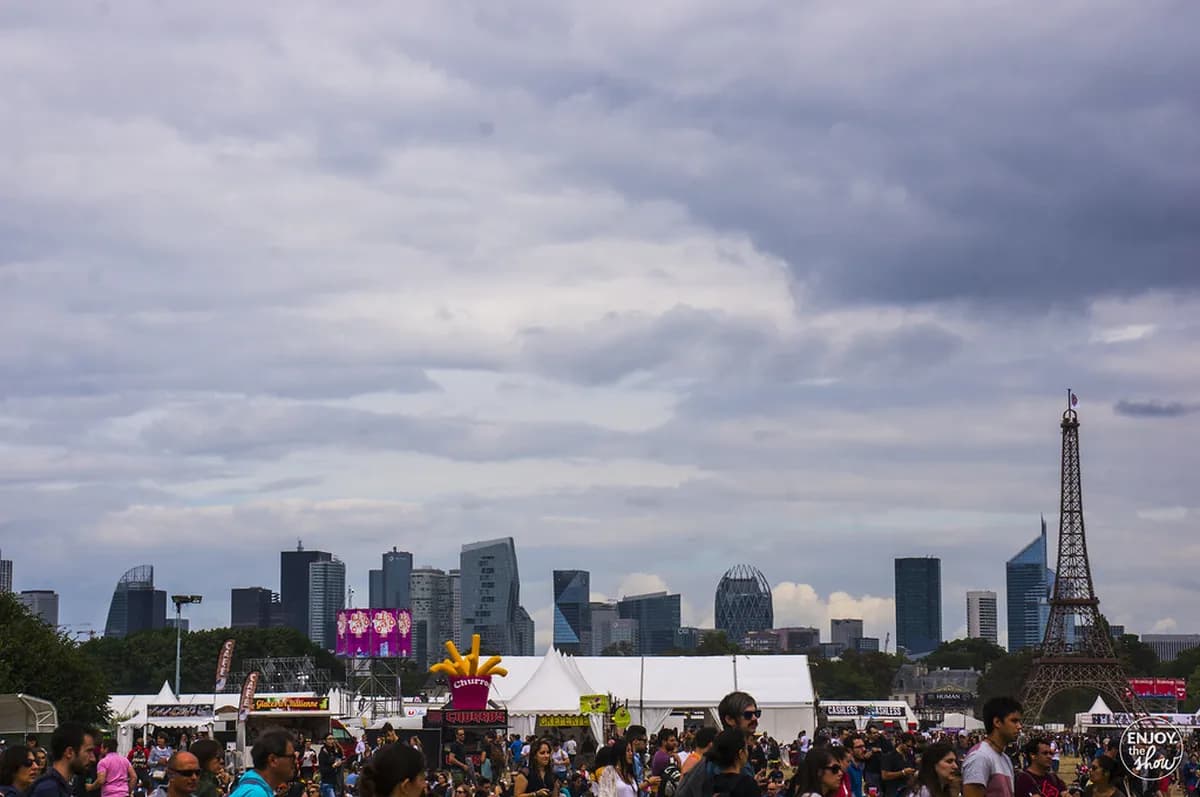
Is Lollapalooza Berlin Worth It? (8 Things to Know)
Is Lollapalooza Berlin worth the hype? Read our 2026 review covering ticket prices, Olympic Stadium vibes, lineup diversity, and essential survival tips.
On this page
Is Lollapalooza Berlin Worth It? (8 Things to Know)
Yes, Lollapalooza Berlin is worth it if you value diverse lineups and world-class stadium logistics. If you prefer a boutique or underground vibe, consider best boutique music festivals in Europe instead. This guide assesses the value, atmosphere, and organization of Germany's biggest city-based music event. Last updated May 2026.
Part of our Best Music Festivals in Europe series.
The festival transforms the historic Olympic Park into a massive playground for music lovers. Expect a mix of global superstars, local German talent, and immersive art installations. Most visitors find the urban setting convenient compared to camping-style festivals in remote areas. This review breaks down whether the high ticket price matches the experience provided.
Free guide: Europe's Festival Calendar
A month-by-month map of Europe's unmissable festivals — with the best dates to visit each and a local tip you won't find in the guidebooks.
What to Expect at Lollapalooza Berlin
Lollapalooza Berlin has celebrated over ten years of bringing massive global talent to the German capital. The event typically takes place in early September, marking the end of the summer festival season. Unlike many muddy field festivals, this one feels polished and highly organized from the moment you arrive. You will see everything from glitter-covered fans to families with young children sharing the same space.
The festival originally started in Chicago in 1991, spread through South America, and reached Europe with its first Berlin edition shortly after. Since then it has grown into one of the continent's flagship summer events, drawing around 70,000 to 80,000 attendees per day across two full days. The lineup rotates every year but consistently covers rock, hip hop, EDM, pop, and an increasingly strong K-Pop presence. Check the best summer music festivals in Europe by month for seasonal comparisons before booking.
Four main stages spread across the Olympic Stadium and surrounding park ensure there is always something happening. The two main stages are deliberately staggered so headliners do not overlap, which is a real logistical plus on the scheduling side. Smaller stages host alternative and electronic acts throughout the day. Arrive early to explore the art aisles, fashion zones, and experience areas before the crowds build up.
The Venue: Olympic Stadium and Park
The Olympic Stadium Berlin location at Friedrich-Friesen-Allee, 14053 Berlin, provides a heavenly backdrop for live music. Most of the main stage action happens inside the stadium bowl itself. The surrounding park hosts smaller stages, food courts, and the popular Kidzapalooza zone. Navigating between the stadium and the park stages takes roughly ten to fifteen minutes on foot.
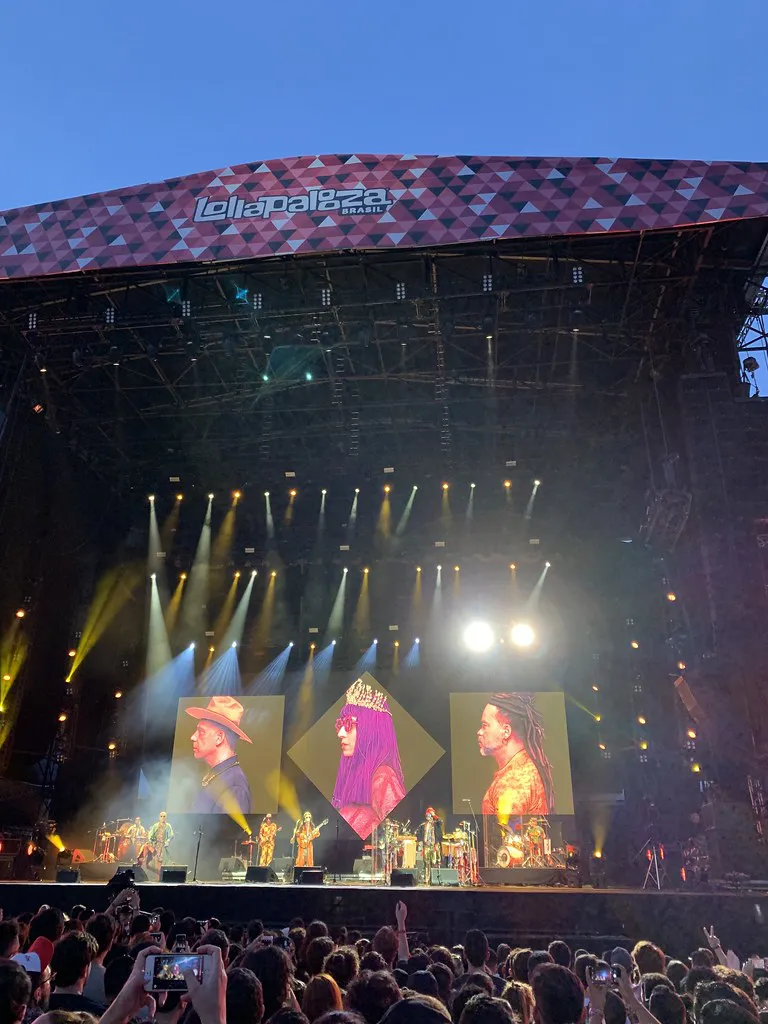
Sound quality inside the stadium is generally excellent, even for those in the upper seats. The concrete bowl can reflect sound at times, but professional mixing keeps it crisp throughout most performances. Open-air stages in the park offer a more traditional festival feel under the trees. Comfortable shoes are essential — the mix of asphalt paths and grass patches means a lot of walking between acts.
One major benefit of this venue is the existing permanent infrastructure. Permanent toilets mean shorter queues and far cleaner facilities than any farm festival can offer. The stadium structure also provides partial shelter during rain showers, which matters more in September than most first-timers expect. Ratings from long-time attendees consistently give the venue a 5 out of 5, making it the strongest single argument in favour of attending.
Music Selection and Genre Diversity
The festival is famous for its eclectic mix of rock, hip hop, and EDM. In recent years it has become a major destination for K-Pop fans in Europe. Performances by artists like J-Hope and groups like IVE have drawn massive international crowds to the Olympic Park. J-Hope's 90-minute set with full choreography and a closing firework at Hobipalooza Berlin 2025 remains a highlight for many long-term attendees.
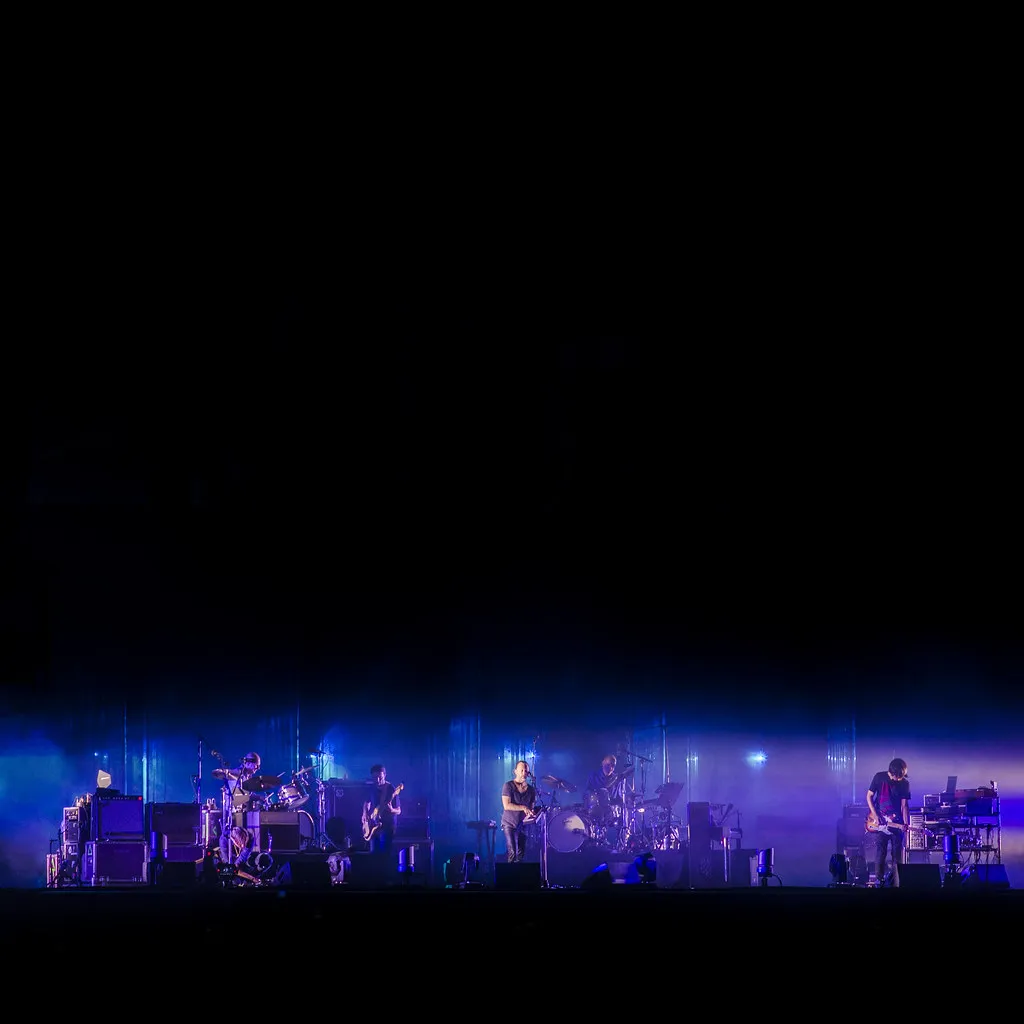
Pop fans often flock to the Telekom Main Stage for artists like Gracie Abrams, who opened her set with "Risk" at 20:10 before the sky finally cleared after a long day of rain. British indie rock acts like The Last Dinner Party bring theatrical and baroque-inflected performances that stand out strongly against the more mainstream headliners. Benjamin Ingrosso, who represented Sweden at Eurovision in 2018, brought an upbeat dancefloor energy even when rain was falling. The Lollapalooza Berlin Lineup Archive shows a consistent history of booking top-tier talent across genres.
Electronic music lovers will find a dedicated stage featuring world-class DJs like Armin Van Buuren, who turns the Olympic Stadium into a massive dancefloor with dramatic lightshows and progressive buildups. The genre diversity ensures there is something for almost every musical taste under one festival pass. Some critics argue the lineup is too commercial, but the crowd energy at the smaller alternative stage regularly proves that argument wrong. Intimate moments, like Mark Ambor sitting at the edge of the stage and coming down to the barricade, remind you that the festival retains a human scale despite its size.
Atmosphere, Fashion, and Sustainability
The atmosphere at Lollapalooza Berlin sits somewhere between Coachella's fashion-forward energy and a genuinely community-minded European gathering. Creative outfits are everywhere, from full glitter looks to vintage band tees, with some fans arriving in sparkly ensembles even beneath rain ponchos. Fashion aisles and visual art installations run alongside the stages and are worth exploring in the early afternoon before the main acts start. The crowd skews younger but is genuinely mixed, and the vibe feels celebratory rather than competitive.
The "Lolla Side" area is one of the festival's most underrated features. Non-profit stands, charity organizations, and political advocacy groups set up alongside the food courts and art zones. This gives Lollapalooza Berlin a social-impact dimension that most comparable European festivals entirely lack. We find this area particularly worthwhile if you want a meaningful break from the main stage music.
Sustainability is a visible core pillar of the event. Waste reduction initiatives, green energy commitments, and dedicated recycling stations are present throughout the grounds. The cashless wristband system also reduces single-use card receipts across all transactions. When soap bubbles floated over the crowd during Mark Ambor's set to "Belong Together," it captured what the festival does best: it creates small, shared moments inside a very large event.
Food, Drinks, and Festival Pricing
Ticket prices for the festival typically range from €119 for a day pass to €219 for a weekend pass. Early bird tickets offer a meaningful discount if you book several months in advance. While expensive, the price includes access to over 40 artists across two full days. Check the Official Lollapalooza Berlin Site for the most current pricing data before each edition.
Food and drink costs on-site are comparable to other major European city festivals — not cheap, but not the worst. Expect to pay between €8 and €15 for a substantial meal from the diverse international food trucks. Beer and cocktails usually cost between €6 and €9, plus a small reusable cup deposit. A cashless system is used throughout the grounds, which requires you to top up your wristband balance either online before the event or at stations inside.
The value for money depends heavily on how many headliners you plan to see. If you only follow one artist, the day pass can feel steep. However, the food court offers genuinely global culinary variety, from Asian street food to German classics, and quality tends to be a step above typical festival catering. Compare these costs to other events like is Rock am Ring worth it to calibrate your expectations across the German festival scene.
Organization: Entry and Logistics
Gates typically open daily at 10:00 and music concludes by 23:00. Entry queues can be long during the peak arrival window between 13:00 and 15:00. Security checks are thorough, so avoid bringing large bags to speed up your entry time. Most fans find that arriving early secures a good position and gives time to explore the grounds before headline acts begin.
The cashless wristband system covers all on-site purchases. You can top up your balance online before the event or at staffed stations inside. We recommend linking your account and loading funds before the event to avoid queues at the top-up booths during busy periods. Any remaining balance can usually be refunded online after the festival ends. Technical glitches with the system do occur, so always keep a small cash backup for the outer food vendors who sometimes accept it.
Transport to Friedrich-Friesen-Allee is best handled by the S-Bahn lines S3 and S9 to Olympiastadion station, or the U2 to Olympia-Stadion. Expect significant delays when leaving after the final headliner finishes. Leaving fifteen minutes early can save you an hour of waiting at the platform. Alternatively, wait near the food stalls for 45 minutes to let the initial crush thin out before heading to the S-Bahn. Staying in where to stay for Lollapalooza Berlin nearby can dramatically reduce your post-festival transport stress.
Surviving Berlin's September Weather
September in Berlin is genuinely unpredictable, and Lollapalooza has a track record of rain. The 2025 edition opened on a wet Saturday: fans danced in rain capes through Benjamin Ingrosso's set, endured clouds for most of the afternoon, and the sky only cleared when Gracie Abrams took the stage at 20:10. By the time she closed with "Close To You," the rain returned — and nobody left. Knowing this in advance changes how you pack and plan your day.
A lightweight packable rain cape is the single most important item to bring. Semi-transparent ponchos are everywhere and barely slow anyone down — you will see sparkly festival outfits and cowboy boots underneath them. Standard umbrellas are discouraged in dense crowds and can block sightlines for the people behind you. The stadium bowl itself provides partial shelter from the side, and the covered areas near the permanent food and drink concourses are worth noting as rain refuges.
Check the forecast three days out and again the morning of the event. Berlin summer weather is fickle enough that a clear morning can turn into heavy rain by 17:00. Wearing layers under your cape keeps your core warm when temperatures drop after sunset. Reference our European music festival packing list for a complete gear checklist before you leave home.
The Verdict: Is Lollapalooza Berlin Worth It?
This guide gives Lollapalooza Berlin a solid recommendation for mainstream music fans. The combination of a historic venue, top-tier talent across multiple genres, and a genuinely well-run event creates a memorable weekend. While it lacks the gritty charm of Berlin's club scene, it delivers professional entertainment at a scale few European cities can match. The logistics are generally superior to most comparable large-scale festivals on the continent.
Verdict: Yes, a premier urban festival experience. Best for: Pop, EDM, and K-Pop fans; families; anyone who prefers a hotel to a tent. Skip if: You want an underground techno vibe or a genuinely budget-friendly trip. Alternative: Consider is Lollapalooza Paris worth it for a similar format in France.
- Book early bird weekend passes for the best per-day value
- Pack a rain cape regardless of the forecast
- Download the app and screenshot the map before entering
- Load your wristband balance before you arrive
- Plan your exit 15 minutes before the final headliner ends
- Stay overnight in West Berlin rather than attempting a same-day return
Essential Tips for a Smooth Festival Day
Download the official festival app to stay updated on set times and any last-minute changes. The app includes an interactive map that is vital for navigating the large site efficiently. Phone signal can be very poor when 70,000 people are crowded into the stadium. Screenshot the schedule and stage map before you enter the festival grounds as a backup.
Small power banks are allowed inside and are highly recommended for a full two-day festival. Pack light — large bags slow you down at security and most lockers sell out quickly. Bring a reusable water bottle as free water refill points are available throughout the grounds. This alone saves you €3 to €5 per top-up compared to buying bottled water on site.
Plan your exit strategy before the final headliner finishes their set. Leaving fifteen minutes early saves you roughly an hour at the Olympiastadion S-Bahn platform. Alternatively, use the U2 to Olympia-Stadion as a slightly quieter option when the S-Bahn queues are extreme. Staying near the venue in West Berlin is the most stress-free approach after a long day at the Olympic Park.
Frequently Asked Questions
How many people go to Lollapalooza Berlin?
Lollapalooza Berlin typically attracts around 70,000 to 80,000 attendees per day. The Olympic Stadium and Park are large enough to handle these crowds comfortably. However, expect significant congestion at the main stages and transport hubs during peak hours.
Is Lollapalooza Berlin family friendly?
Yes, the festival is very family-friendly thanks to the dedicated Kidzapalooza area. Children under 12 often get discounted or free entry with a registered adult ticket. The area includes music, workshops, and play zones specifically designed for younger fans.
What is the best way to get to Lollapalooza Berlin?
The best way to reach the venue is via the S-Bahn lines S3 or S9 to the Olympiastadion station. You can also take the U2 subway line to the Olympia-Stadion stop. Public transport is highly recommended as parking near the stadium is extremely limited.
Visiting Berlin for more than one festival? See our complete guide to festivals and events in Berlin.
Lollapalooza Berlin remains a standout event in the European festival calendar. It successfully blends massive musical acts with a well-organized urban environment. While the costs are high, the quality of the venue and lineup usually justifies the spend. Plan your logistics early to ensure a stress-free experience in the German capital.
Free guide: Europe's Festival Calendar
A month-by-month map of Europe's unmissable festivals — with the best dates to visit each and a local tip you won't find in the guidebooks.
You might also like

Continue reading
More guides you'll find useful